 drivequiz.com
 Question 1
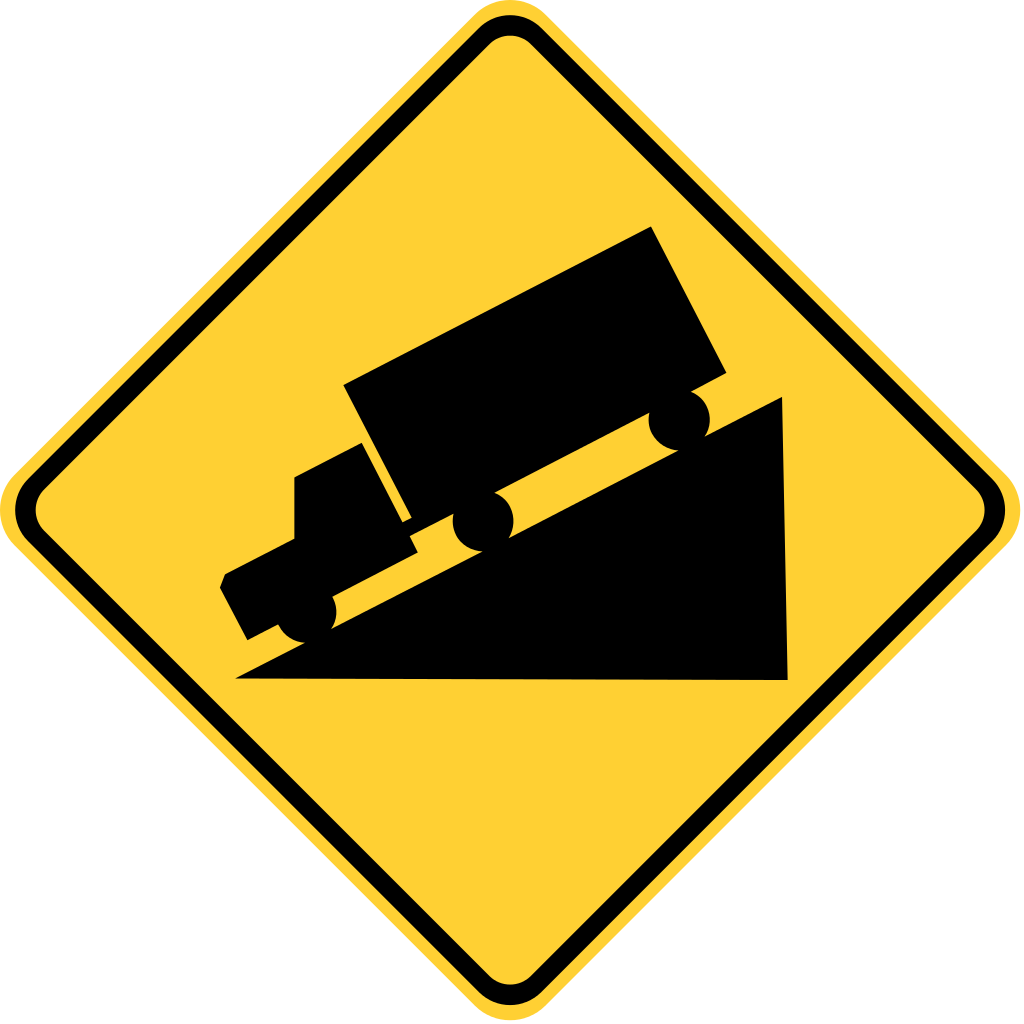 This road sign means:
A
Trucks ahead
B
Downgrade
C
Construction zone
No explanation available.
Question 2
Before passing a vehicle or changing lanes, remember to:
A
only pass or change lanes if the change can be completed without speeding.
B
signal your return to the left lane.
C
sound your horn as you pass.
No explanation available.
Question 3
Which statement about taking medications and driving is true?
A
Cold medications can make a person drowsy.
B
Prescribed drugs are safe to take at any time.
C
Over the counter drugs do not affect driving ability.
No explanation available.
Question 4
When passing another car, you have enough room to return to the driving lane when:
A
you cannot see the vehicle directly to your right.
B
you are at least 50 feet in front of the vehicle.
C
you can see both headlights of the car you passed in your rearview mirror.
No explanation available.
Question 5
The amount of alcohol in the blood is measured by:
A
blood alcohol concentration (BAC).
B
Number of Drinks (NOC).
C
Amount of Alcohol Drunk (AAD).
No explanation available.
Question 6
Are drivers allowed to exceed the speed limit to pass other vehicles?
A
Yes, but only by 10 MPH or less.
B
No.
C
Yes, but only if they drive with caution.
No explanation available.
Question 7
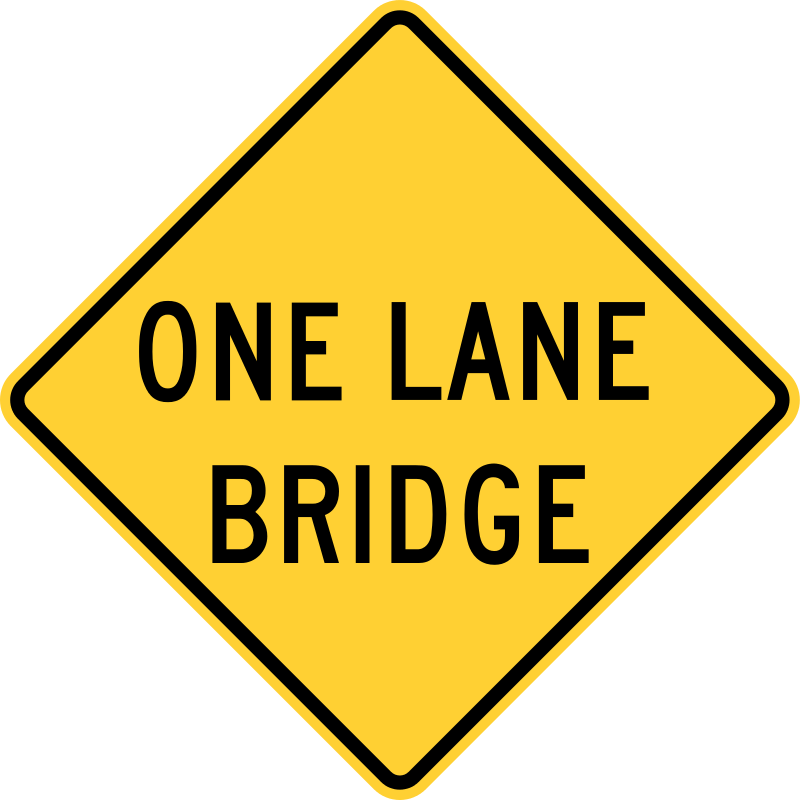 What should drivers do when they see this sign?
A
Make sure the bridge is clear of oncoming traffic before they cross.
B
Look to the left and right for other traffic.
C
Allow others to merge smoothly.
No explanation available.
Question 8
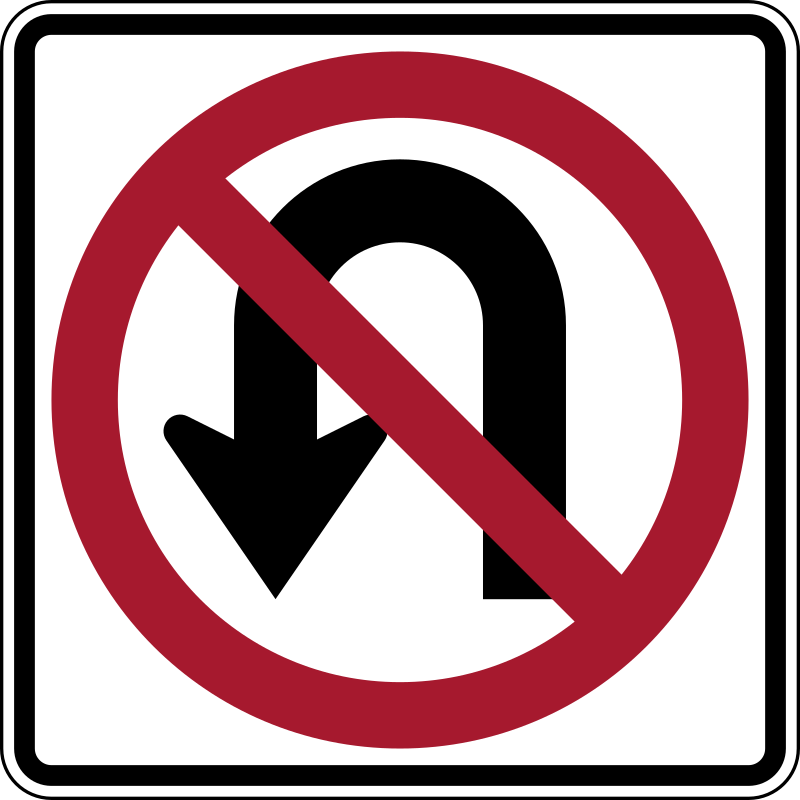 This road sign means:
A
No left turn
B
No U-turn
C
Detour ahead
No explanation available.
Question 9
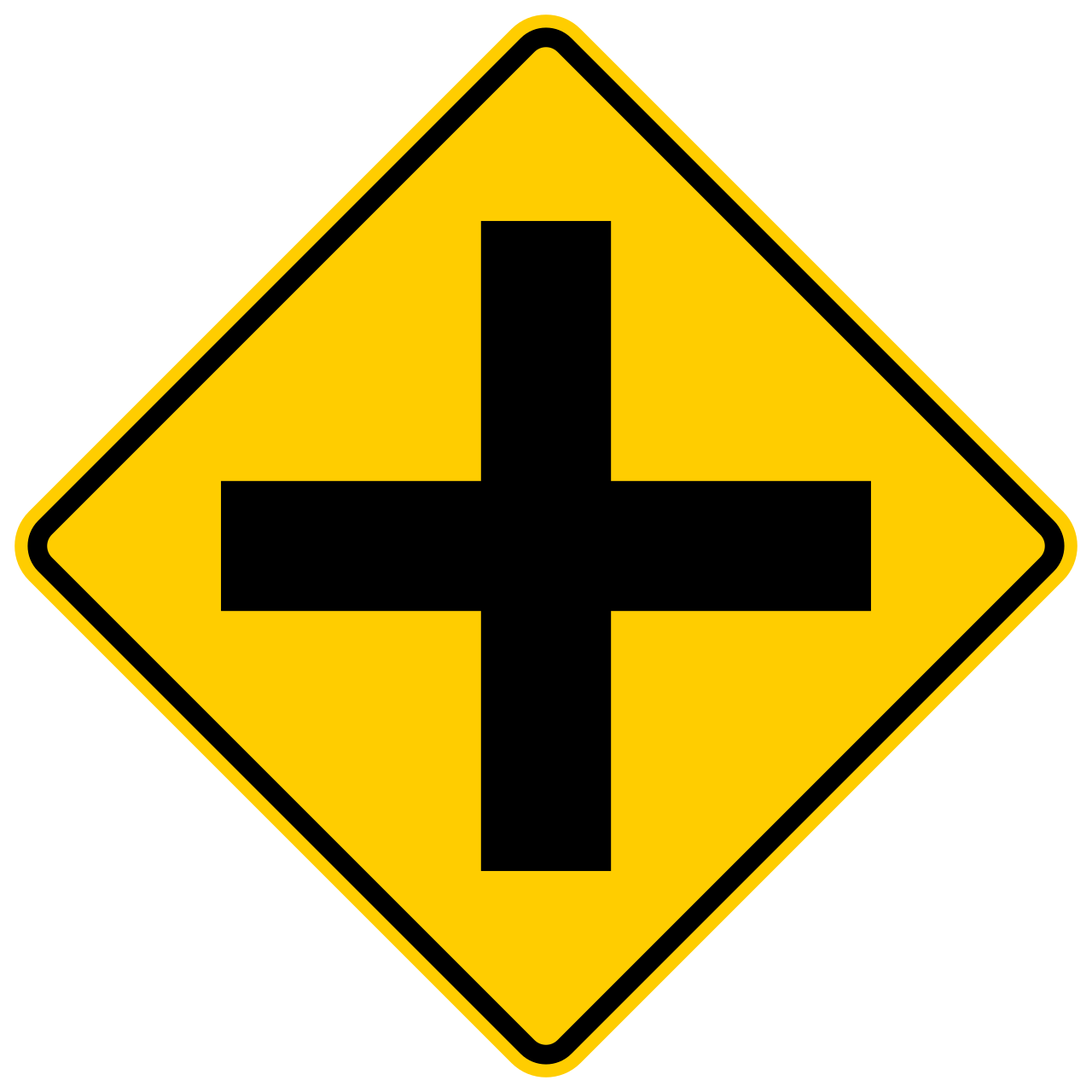 This road sign means:
A
Crossroad
B
Hospital parking ahead
C
Merge
No explanation available.
Question 10
If there is no crosswalk and you see a pedestrian crossing your lane, you should:
A
stop and let the pedestrian finish crossing.
B
make sure the pedestrian can see you before proceeding.
C
honk your horn and proceed with caution.
No explanation available.
Question 11
 This sign warns drivers that:
A
they cannot go straight ahead.
B
they will soon be facing oncoming traffic.
C
a shared lane starts ahead.
No explanation available.
Question 12
If your brakes are wet, you can dry them by:
A
riding the pedal lightly.
B
pull over to the right and wait until it stops raining.
C
having them checked by a mechanic.
No explanation available.
Question 13
The only effective way to reduce your blood alcohol content (BAC) is:
A
drinking coffee.
B
fresh air.
C
not to drink over a period of time.
No explanation available.
Question 14
You are considered to be driving under the influence when your blood alcohol concentration (BAC) is ____ or more.
A
0.05%
B
0.08%
C
0.8%
No explanation available.
Question 15
The use of alcohol and/or drugs affects:
A
concentration and reaction time.
B
alertness and judgement.
C
All of the above.
No explanation available.
Question 16
To avoid panic stops, you should:
A
scan the road ahead for hazards.
B
drive with your window down.
C
pump your brakes to make sure they work.
No explanation available.
Question 17
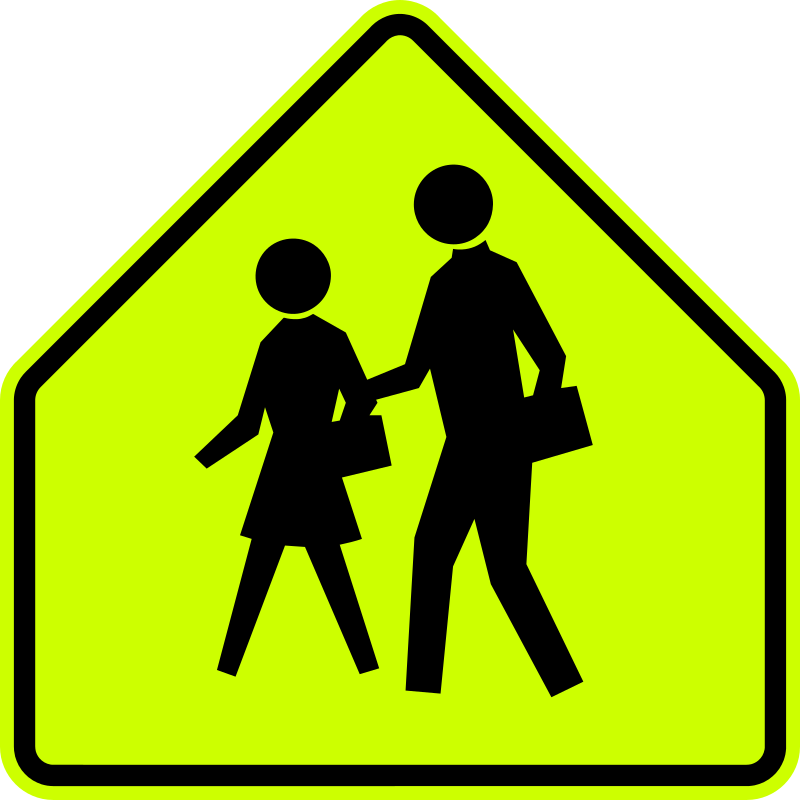 This road sign means:
A
School crossing
B
Playground ahead
C
Pedestrian crossing
No explanation available.
Question 18
 When you see this sign you should:
A
increase your speed and try to pass other vehicles.
B
slow your speed and be prepared to stop.
C
slow your speed and do not pass other vehicles.
No explanation available.
Question 19
The ‘Slower Traffic Keep Right’ sign is used:
A
at most intersections.
B
on multiple lane highways.
C
in school zones.
No explanation available.
Question 20
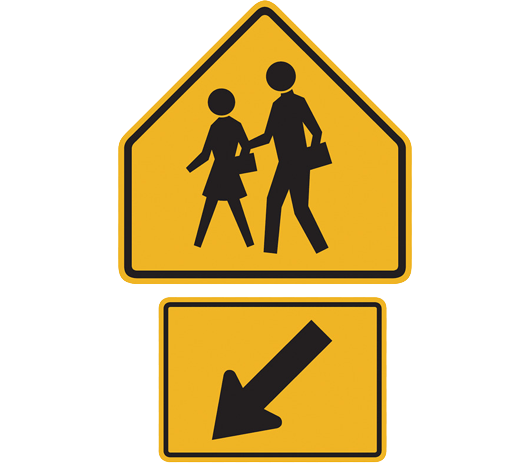 When you approach this sign, you must:
A
stop if necessary.
B
watch for workers crossing the road.
C
None of the above.
No explanation available.
Question 21
 The yield sign means:
A
Drive with caution in wet weather.
B
You must come to a complete stop.
C
Slow down and give vehicles crossing your path the right-of-way.
No explanation available.
Question 22
When approaching someone using a white cane or guide dog, drivers should:
A
slow down and be prepared to stop.
B
proceed normally.
C
come to a complete stop and invite them to take the right-of-way.
No explanation available.
Question 23
If your wheels drop off the pavement edge, you should:
A
stop.
B
turn back onto the roadway immediately.
C
turn gradually back onto the roadway when safe.
No explanation available.
Question 24
At intersections with a yield sign, you must:
A
yield to the vehicles on your left only.
B
yield the right-of-way to cross traffic close enough to cause conflict.
C
slow down and proceed.
No explanation available.
Question 25
This road sign means:
A
Do not pass trucks
B
Truck must back up
C
Steep downgrade ahead
No explanation available.