 drivequiz.com
 Question 1
Who is most at risk?
A
Drivers who have overslept.
B
Drivers who are driving long distances without rest breaks.
C
Experienced drivers.
No explanation available.
Question 2
A driver should be extra alert for motorcyclists, bicycles and pedestrians. Why?
A
They obey specific traffic laws.
B
They always have the right-of-way.
C
They are hard to see in traffic.
D
They don’t have rearview mirrors.
No explanation available.
Question 3
Which of the following substances can affect the ability to drive?
A
Tranquilizers and sedatives.
B
Cold tablets containing codeine or antihistamines.
C
All of the above.
No explanation available.
Question 4
Alcohol:
A
makes drivers more prone to take chances.
B
increases reaction time.
C
All of the above.
No explanation available.
Question 5
You may not pass another vehicle on either side of a _______ centerline.
A
solid or broken yellow
B
single broken white
C
double solid yellow
D
single broken yellow
No explanation available.
Question 6
Are drivers allowed to exceed the speed limit to pass other vehicles?
A
Yes, but only by 10 MPH or less.
B
No.
C
Yes, but only if they drive with caution.
No explanation available.
Question 7
 This road sign means:
A
Lane shifting
B
Merging traffic
C
Do not block intersection
No explanation available.
Question 8
Drivers under 21 years of age are considered to be driving under the influence if their blood alcohol concentration (BAC) is:
A
.10% or higher.
B
.05% or higher.
C
.08% or higher.
D
.02% or higher.
No explanation available.
Question 9
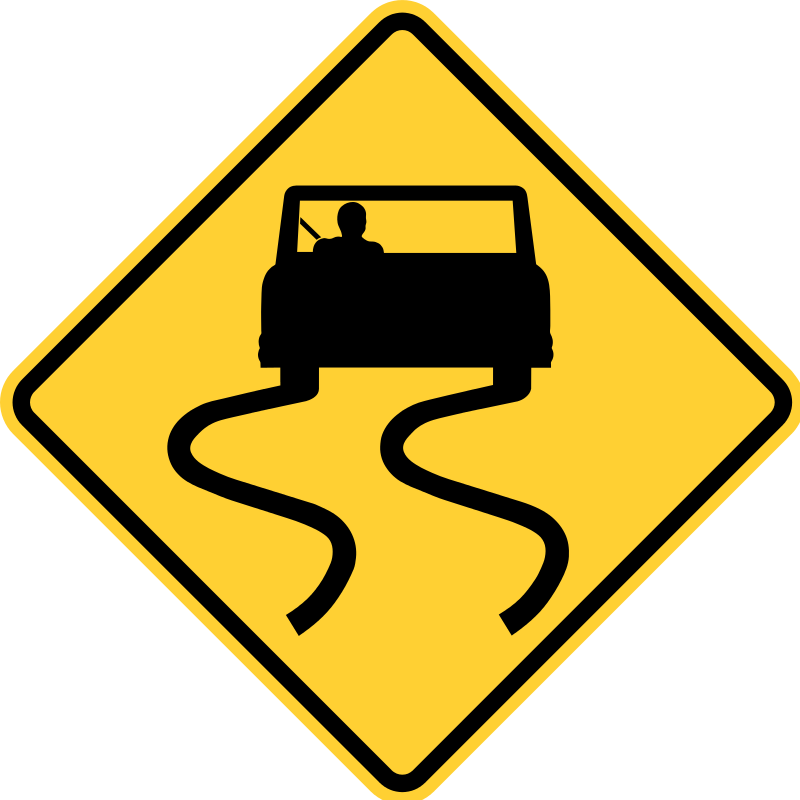 This road sign means:
A
Winding road
B
Side road ahead
C
Slippery when wet
No explanation available.
Question 10
Alcohol:
A
makes you less aware of what is happening to your driving abilities.
B
makes it easier to make correct decisions.
C
improves your reaction time.
No explanation available.
Question 11
You are approaching an intersection when the signal turns yellow. You should:
A
speed up to get through the intersection before the red light comes on.
B
stop then enter the intersection when safe to do so.
C
slow down and proceed with caution through the intersection.
No explanation available.
Question 12
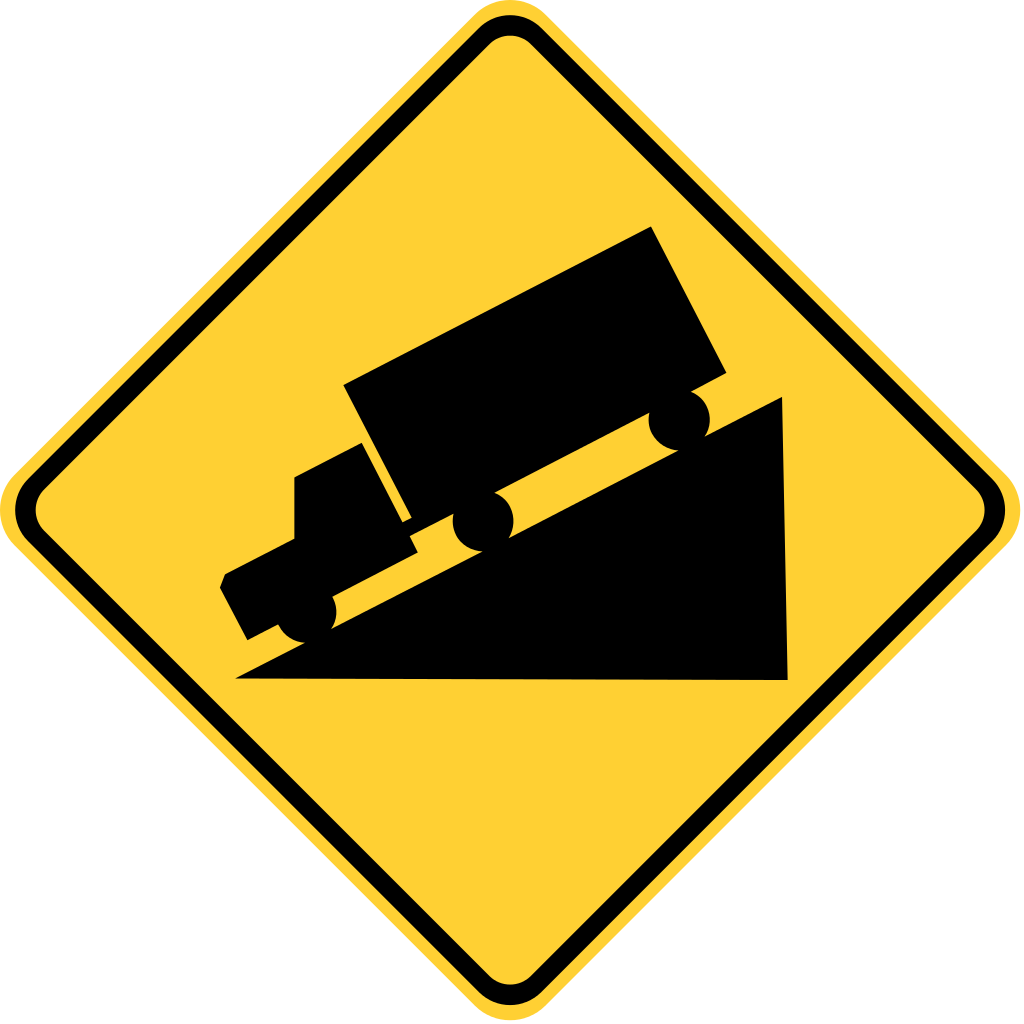 This road sign means:
A
Truck stop ahead
B
No trucks allowed
C
Hill or downgrade up ahead
No explanation available.
Question 13
Are bicyclists required to obey traffic laws and signs?
A
No, bicyclists are considered pedestrians when it comes to the rules of the road.
B
Yes.
C
Yes, but only if they are riding in a bicycle lane.
No explanation available.
Question 14
In heavy rain, tires can begin to ride on the water that is on top of the road pavement. This is called:
A
rideplaning.
B
hydroplaning.
C
pavement-planing.
D
waterplaning.
No explanation available.
Question 15
 This sign warns drivers that:
A
the highway ahead is divided into two one-way roadways. Drivers should keep to the right.
B
there is a winding road ahead.
C
there is a double curve ahead.
No explanation available.
Question 16
A broken white line:
A
means passing or crossing is prohibited in that lane.
B
separates two lanes traveling in the same direction.
C
marks the right edge of the roadway.
No explanation available.
Question 17
Before changing lanes or attempting to pass another vehicle, you should:
A
signal your intention before changing lanes.
B
check your blind spots and, mirrors.
C
All of the above.
No explanation available.
Question 18
Regulation signs normally are:
A
white triangles.
B
green rectangles.
C
white rectangles.
No explanation available.
Question 19
You are entering a roadway from a private road, and you need to turn left. You have to yield to:
A
vehicles from the right.
B
vehicles from the left.
C
vehicles from both directions.
No explanation available.
Question 20
To maintain an adequate 'space cushion' to the front, drivers need to:
A
keep a safe distance between their car and the vehicle in front.
B
The other answers are both correct.
C
control their speed to suit the road and traffic conditions.
No explanation available.
Question 21
What is the purpose of minimum speed limits?
A
To keep a smooth traffic flow.
B
To halt the traffic flow.
C
To allow emergency vehicles with red flashing lights to safely pass other vehicles.
No explanation available.
Question 22
When daylight begins to fade, you should use your:
A
low beam headlights.
B
emergency flashers.
C
parking lights.
No explanation available.
Question 23
Motorcycles:
A
must share a traffic lane with another vehicle.
B
are easier to see than cars.
C
are entitled to use a complete traffic lane.
No explanation available.
Question 24
What is the only effective method to reduce your BAC?
A
Eating before or while you drink.
B
Not drinking over a period of time.
C
Drinking coffee.
No explanation available.
Question 25
In rainy weather, drivers should be most careful when turning or stopping:
A
when it's been raining all day.
B
after it has been raining for at least two hours.
C
during the first half hour of rain.
No explanation available.