 drivequiz.com
 Question 1
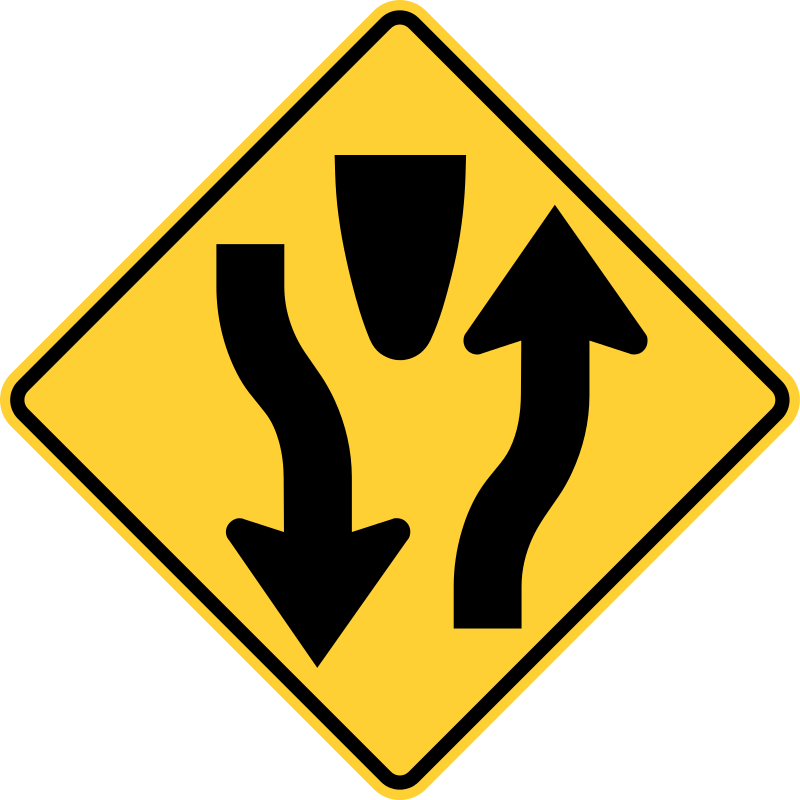 This road sign means:
A
Divided highway ahead
B
Merging traffic
C
Flagger ahead
No explanation available.
Question 2
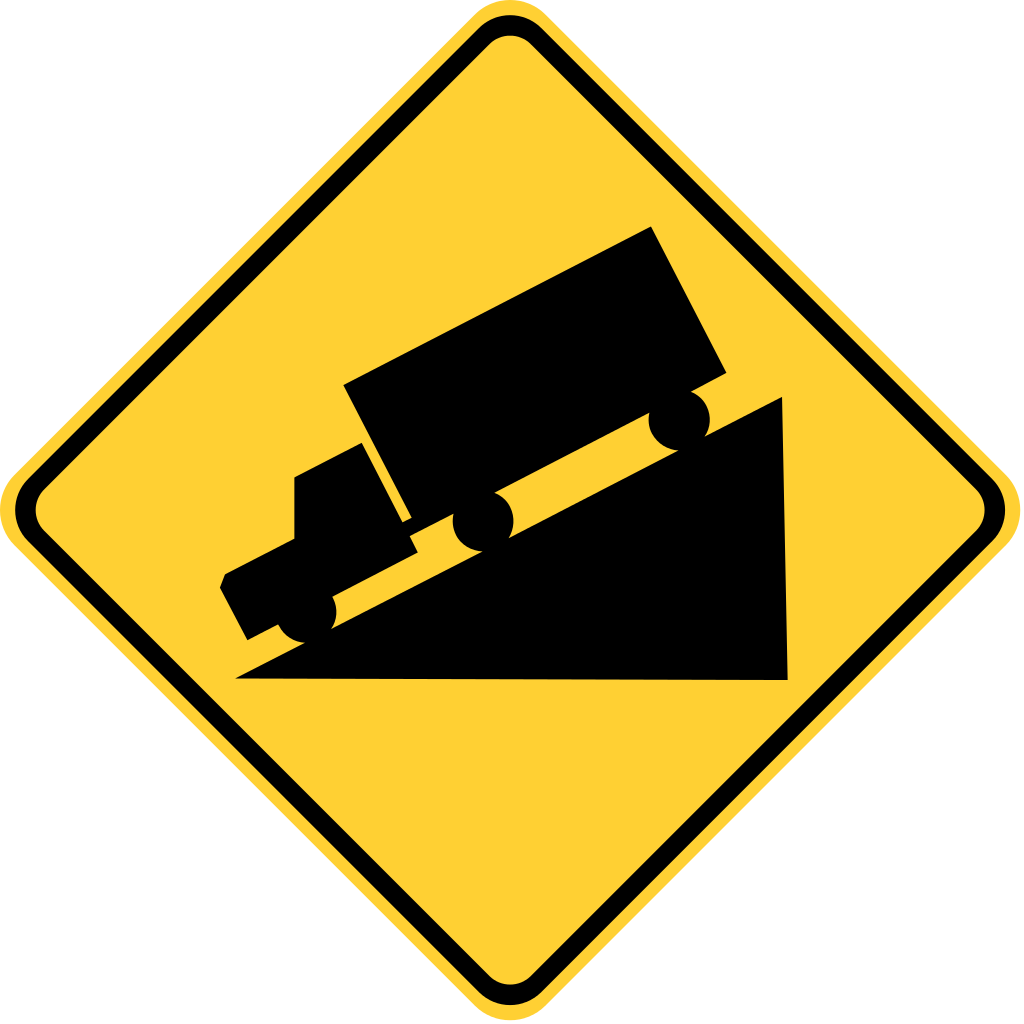 This road sign means:
A
Truck stop ahead
B
No trucks allowed
C
Hill or downgrade up ahead
No explanation available.
Question 3
 When they see a yellow X signal, drivers should:
A
come to a complete stop at the marked stop line.
B
turn off the ignition.
C
prepare to leave the lane safely.
No explanation available.
Question 4
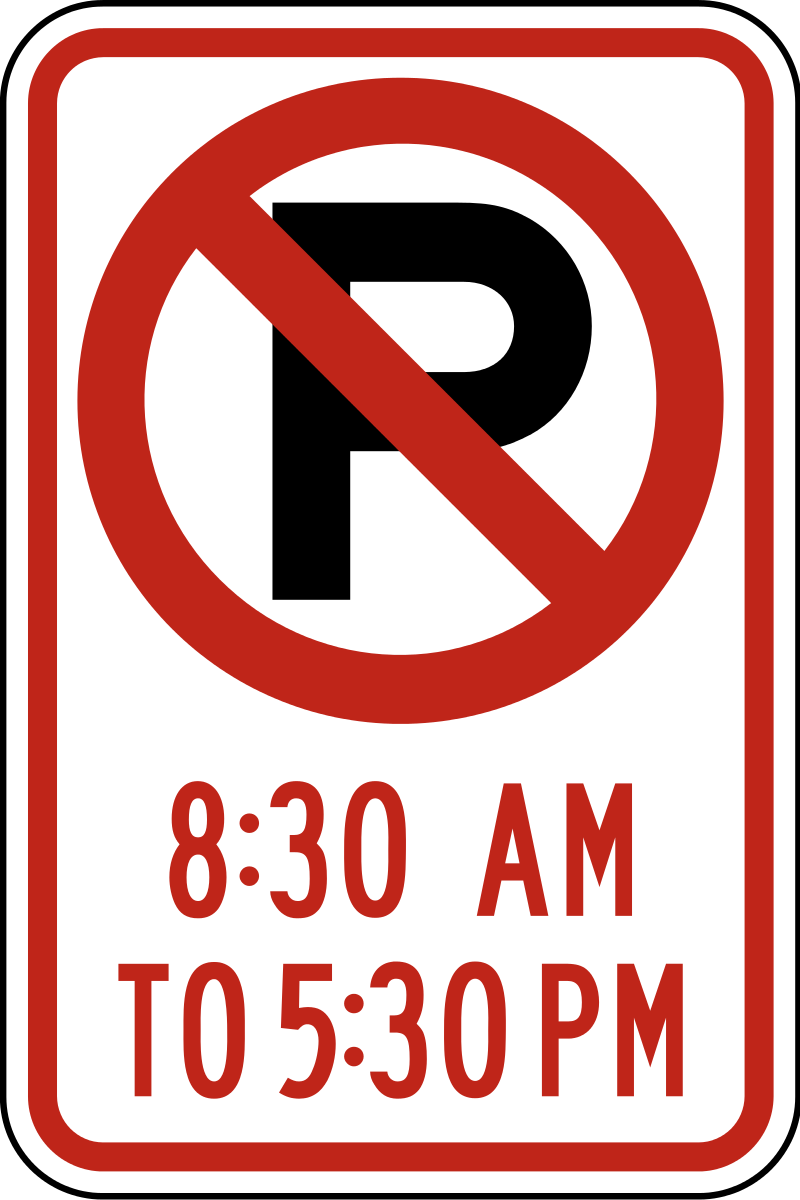 This sign means:
A
You can only park between 8:30 AM and 5:30 PM.
B
Parking is not allowed at 8:30 AM and at 5:30 PM
C
No parking between 8:30 AM and 5:30 PM.
No explanation available.
Question 5
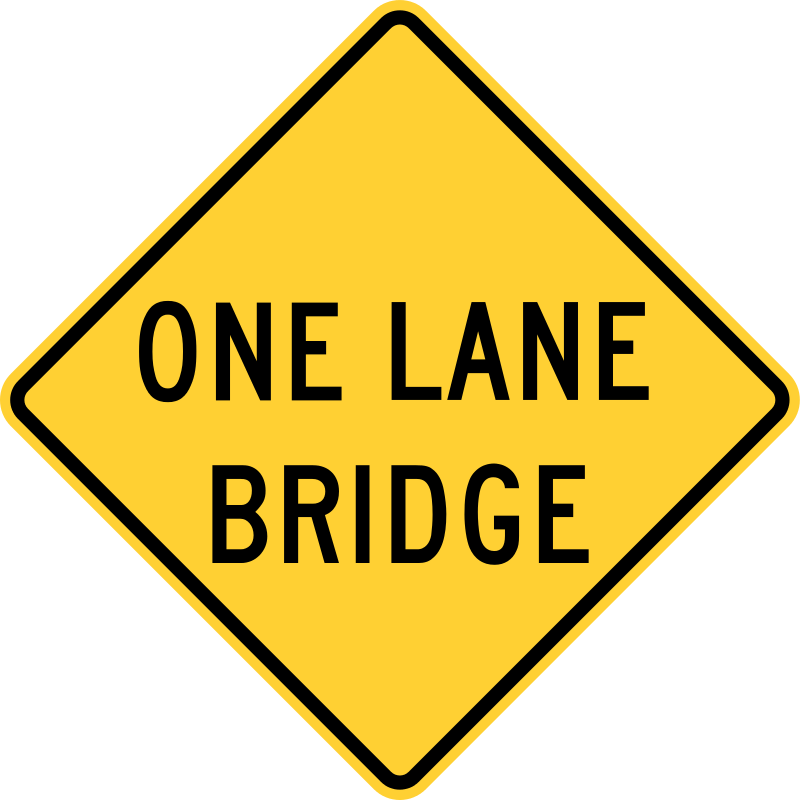 What should drivers do when they see this sign?
A
Make sure the bridge is clear of oncoming traffic before they cross.
B
Look to the left and right for other traffic.
C
Allow others to merge smoothly.
No explanation available.
Question 6
 This road sign means:
A
Slow down or stop
B
Stop
C
Road narrows ahead
No explanation available.
Question 7
It's 10 AM. This sign tells you that:
A
you are allowed to park until 5:30 PM.
B
you must display a special permit in order to park here.
C
you are not allowed to park here.
No explanation available.
Question 8
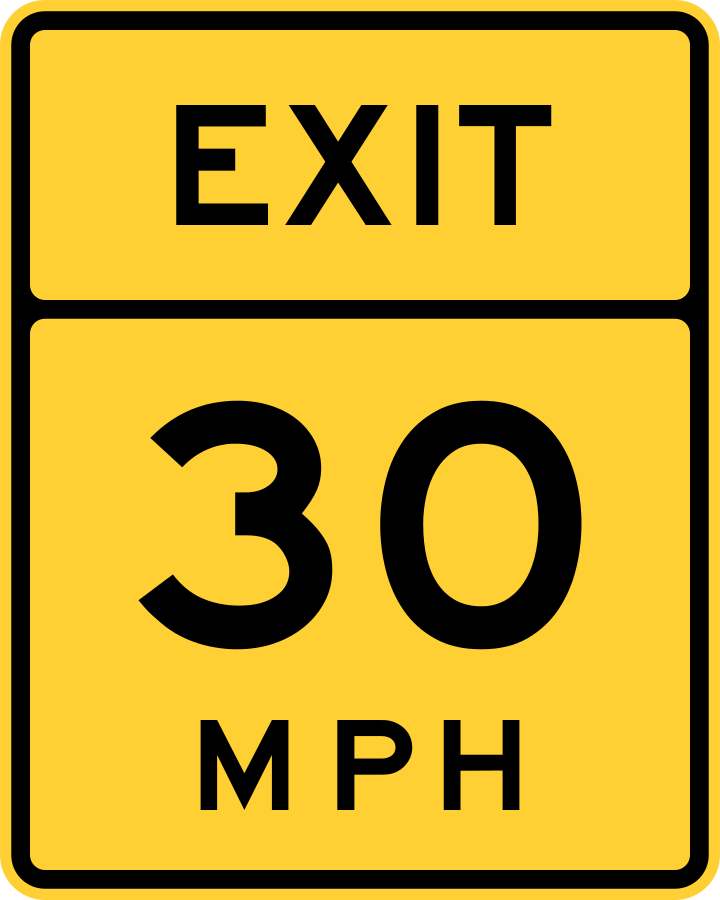 The sign in the picture:
A
shows the highest speed drivers can travel at the exit of the intersection.
B
is used to advise motorists of the appropriate ramp speed at the highway exit point.
C
indicates the minimum ramp speed at the highway exit point.
No explanation available.
Question 9
 This road sign means:
A
Wrong Way
B
Merging Traffic
C
Curve ahead
No explanation available.
Question 10
 This sign means:
A
Not enter
B
Detour to the right
C
The road to the right is for one-way traffic only
No explanation available.
Question 11
 A flashing red light:
A
is used at dangerous intersections.
B
means the same thing as a stop sign.
C
All of the above.
No explanation available.
Question 12
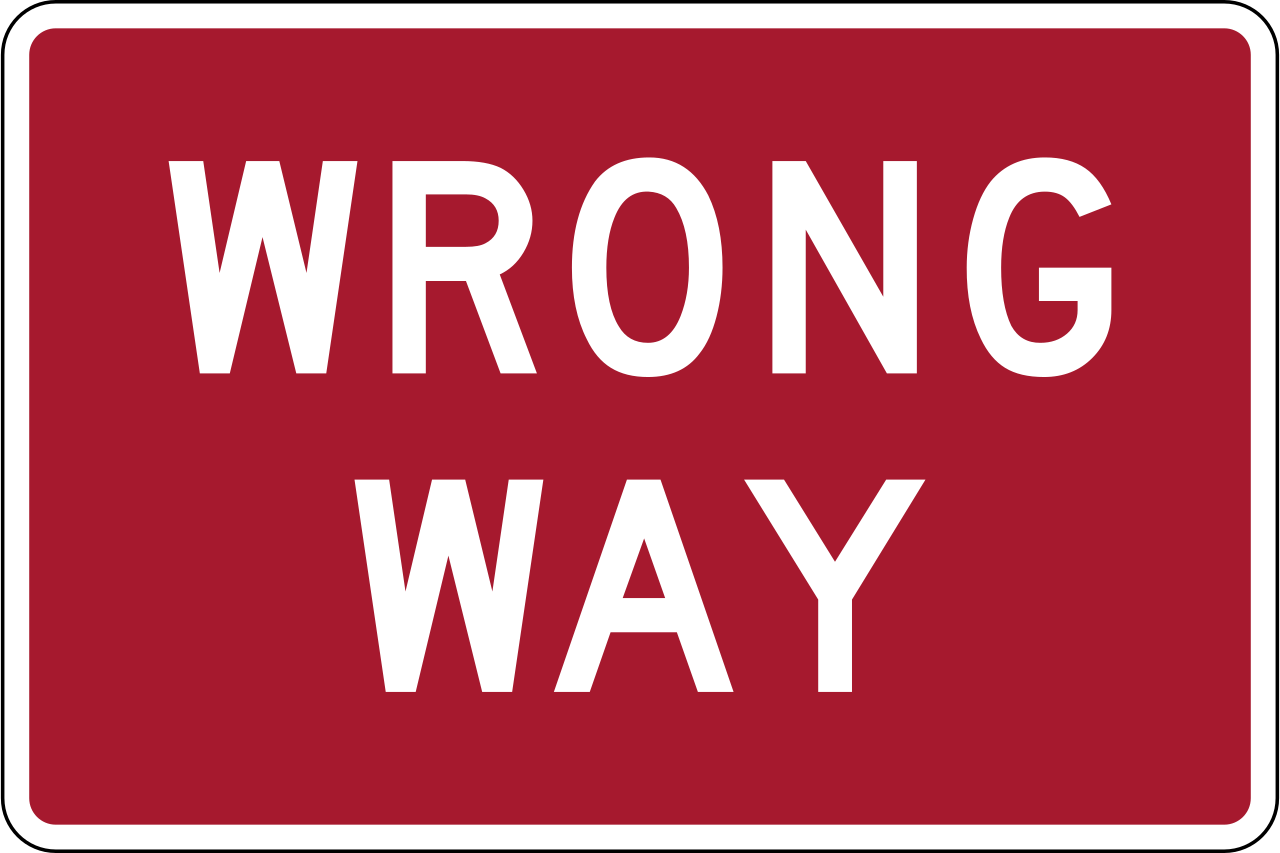 When drivers see this road sign:
A
they must come to a complete stop and call the police.
B
they must not drive past this sign.
C
they must turn around immediately.
No explanation available.
Question 13
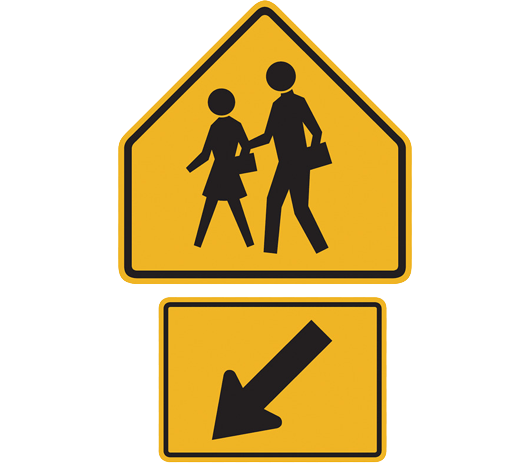 When you approach this sign, you must:
A
stop if necessary.
B
watch for workers crossing the road.
C
None of the above.
No explanation available.
Question 14
What is the meaning of orange traffic signs?
A
Yield.
B
Warning of school, pedestrian, and bicycling activity.
C
Construction and maintenance warning.
No explanation available.
Question 15
 This sign means:
A
Railroad crossing
B
No Passing Zone
C
The road ends ahead
No explanation available.
Question 16
 This sign means:
A
U-turns are not allowed.
B
Parking is not allowed.
C
No parking on pavement.
No explanation available.
Question 17
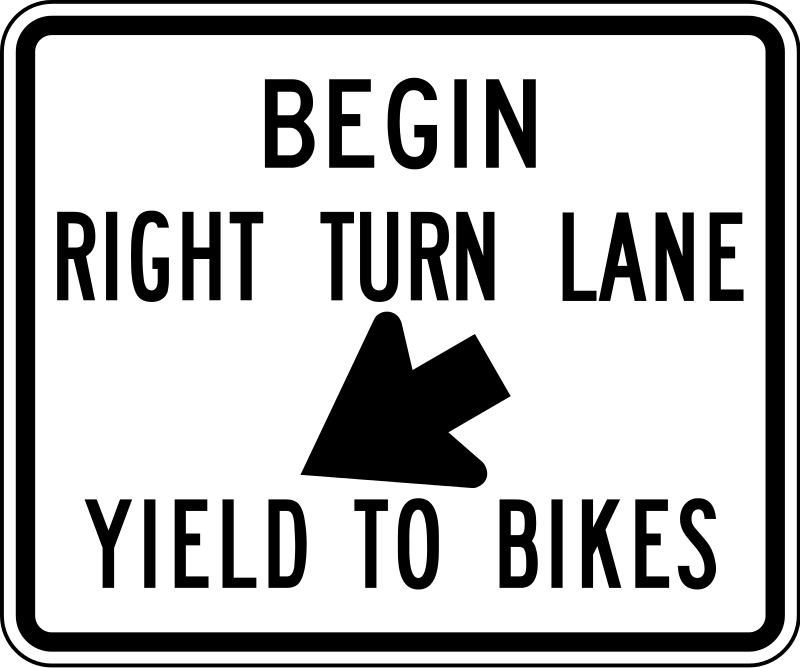 What does this road sign indicate?
A
Drivers have the right of way over bikes turning left.
B
Vehicles turning left must yield to bikes entering a right turn lane.
C
Motor vehicles entering an exclusive right-turn lane must weave across bicycle traffic in bicycle lanes.
No explanation available.
Question 18
This sign means:
A
The road will curve to the right.
B
Left turns are not allowed at the intersection.
C
Do not turn right.
No explanation available.
Question 19
What do pennant-shaped signs indicate?
A
A school crossing
B
Yield
C
A No Passing Zone
No explanation available.
Question 20
__________ are blue with white letters and symbols.
A
Warning signs
B
Service signs
C
Destination signs (guide signs)
No explanation available.
Question 21
Before passing another vehicle, you should signal:
A
early enough so other drivers know your intention.
B
after changing lanes.
C
at any time.
D
just before changing lanes.
No explanation available.
Question 22
Your first response to reduced visibility should be:
A
to look for road edge markings to guide you.
B
to turn on your windshield wipers.
C
to reduce your speed.
D
to turn on your headlights.
No explanation available.
Question 23
You are driving and you are feeling drowsy. You should:
A
avoid drinking coffee.
B
turn on the radio to keep you awake.
C
find a safe place to stop for a break.
No explanation available.
Question 24
If the entrance lane is too short to allow acceleration to highway speed, you should:
A
go to the next entrance ramp.
B
stop and wait for a large gap in traffic, then enter the highway and accelerate quickly.
C
merge into highway traffic as soon as possible.
No explanation available.
Question 25
At a stop sign there is no stop line, you must stop:
A
before you enter the intersection.
B
before you enter the crosswalk.
C
after you enter the crosswalk.
No explanation available.
Question 26
What should you do if your brakes fail?
A
Hook your shoe under the pedal and see if you can free it.
B
Turn on your cruise control.
C
Try pumping the brake pedal to increase pressure.
No explanation available.
Question 27
The traffic light is green and you want to drive straight through an intersection. If a car is already in the intersection and is making a turn, you must:
A
enter the intersection and then stop.
B
drive through the intersection. You have the right-of-way.
C
let that car complete its turn before you enter the intersection.
No explanation available.
Question 28
Blind spots are:
A
Dangerous intersection where the maximum speed limit is 15 MPH or less.
B
At night, the darkest areas of a road, where emergency flashers should be used.
C
Areas to the side or rear of a vehicle that the driver cannot see with use of mirrors.
No explanation available.
Question 29
When entering a highway from an entrance ramp, drivers should:
A
enter slowly to avoid other vehicles.
B
stop first, then gradually enter traffic.
C
accelerate to the speed of traffic.
D
drive above the speed of traffic to get ahead.
No explanation available.
Question 30
When driving in fog, drivers should use:
A
low beam headlights.
B
parking lights.
C
high beam headlights.
No explanation available.
Question 31
A steady green light at intersections means:
A
You may drive through the intersection if the road is clear
B
You must increase your speed
C
You may not turn right
No explanation available.
Question 32
A thumping sound can be a warning:
A
that a tire blowout is about to occur.
B
of a steering failure.
C
of a brake failure.
No explanation available.
Question 33
Hydroplaning is a situation in which:
A
your tires throw water to the rear, causing problems for the vehicles behind.
B
the tires of the car ahead cause sheets of water to splash on your vehicle.
C
one of your tires goes flat, causing the others to skid.
D
your tires ride up on a thin surface of water, losing contact with the pavement, and resulting in sudden loss of control
No explanation available.
Question 34
If another vehicle is approaching you head-on in your lane, you should _______, sound your horn and brake.
A
steer right
B
None of the other answers is correct.
C
steer left
D
stay in the center of your lane
No explanation available.
Question 35
For protection, motorcyclists are required to:
A
keep their headlights and taillights on at all times.
B
signal turns, lane changes and stops.
C
wear approved helmets.
No explanation available.
Question 36
Your BAC depends on:
A
how fit you are.
B
the type of beverage you drink.
C
the amount of alcohol you drink.
No explanation available.
Question 37
On slippery roads, drivers should:
A
leave more space in front of their vehicle.
B
increase their speed to avoid hydroplaning.
C
come to a complete stop.
No explanation available.
Question 38
When you reach an intersection with a stop sign, you should:
A
follow the vehicle ahead of you.
B
stop, look right, then left, then right again.
C
stop, look left, then right, then left again.
D
check your rearview mirror, look left, then right, then proceed.
No explanation available.
Question 39
A driver who approaches an intersection:
A
must yield the right-of-way to traffic already in the intersection.
B
must drive straight through the intersection, even if another vehicle is already in the intersection.
C
has the right-of-way over traffic already in the intersection.
No explanation available.
Question 40
Who is most at risk?
A
Drivers who are fatigued.
B
Drivers who are driving on long, boring roads.
C
All of the above.
No explanation available.