 drivequiz.com
 Question 1
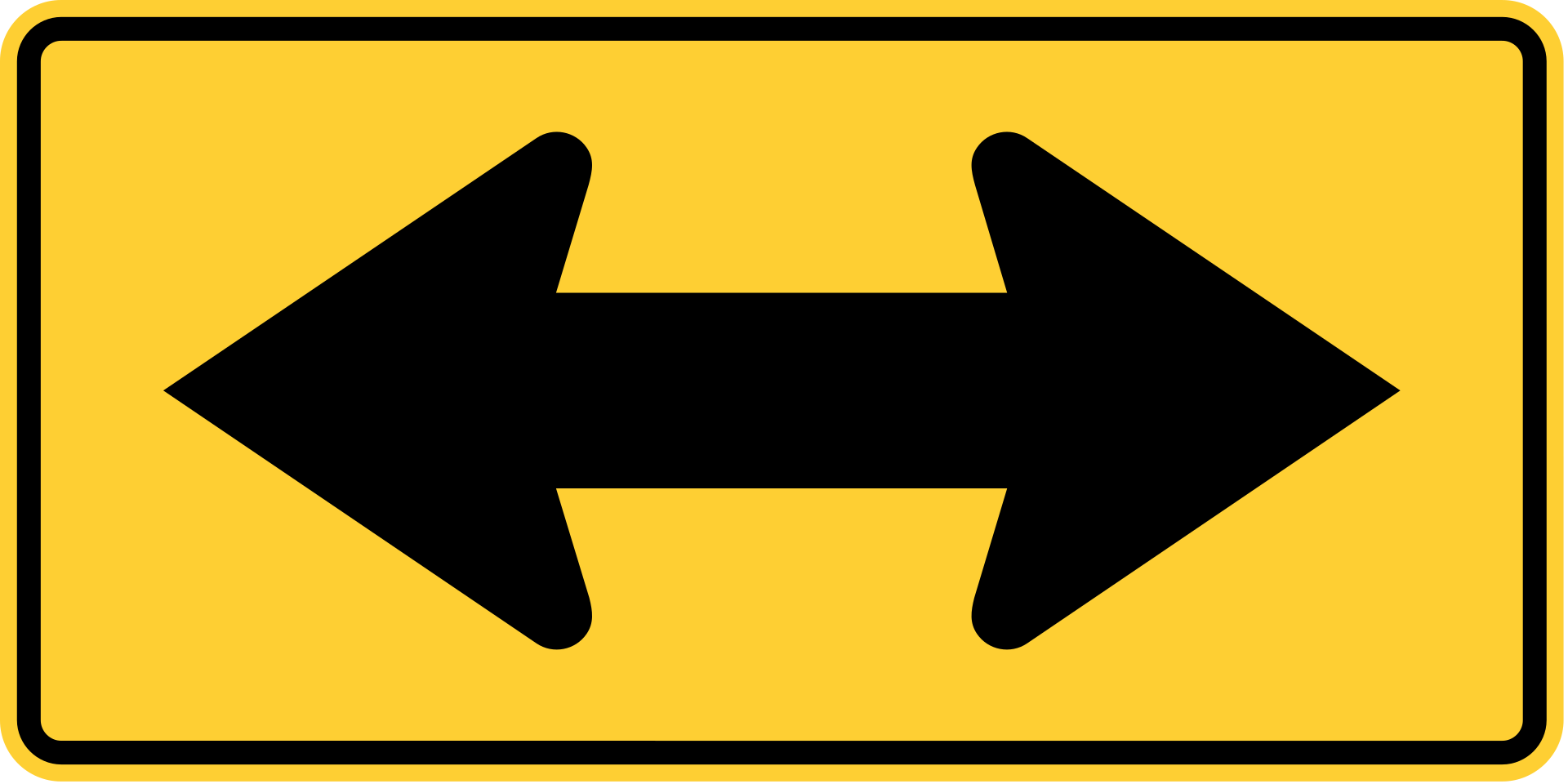 This road sign tells drivers that:
A
they must change lane immediately.
B
they must turn either to the right or left.
C
the one-way street or roadway ahead ends.
D
None of the above.
No explanation available.
Question 2
You may pass another vehicle:
A
when there is a solid yellow line on your side.
B
on a curve or a hill.
C
on the shoulder of the highway.
D
None of the above.
No explanation available.
Question 3
It is important for drivers to know that trucks:
A
are easier for the driver to operate.
B
require more space for turning movements.
C
take longer than cars to stop.
D
require less time to pass on an incline than cars.
No explanation available.
Question 4
Drivers must be prepared for anything coming up in the road ahead. They should:
A
scan the road for traffic conditions and possible hazards.
B
drive with the right foot resting lightly on the brake pedal.
C
stare straight ahead at all times.
D
maintain focus toward the left of the road.
No explanation available.
Question 5
When the pavement is marked with a double yellow line, drivers may pass other vehicles:
A
None of the other answers is correct.
B
only if there are no oncoming vehicles.
C
only if the vehicle ahead is driving 10 mph or more under the speed limit.
D
Never.
No explanation available.
Question 6
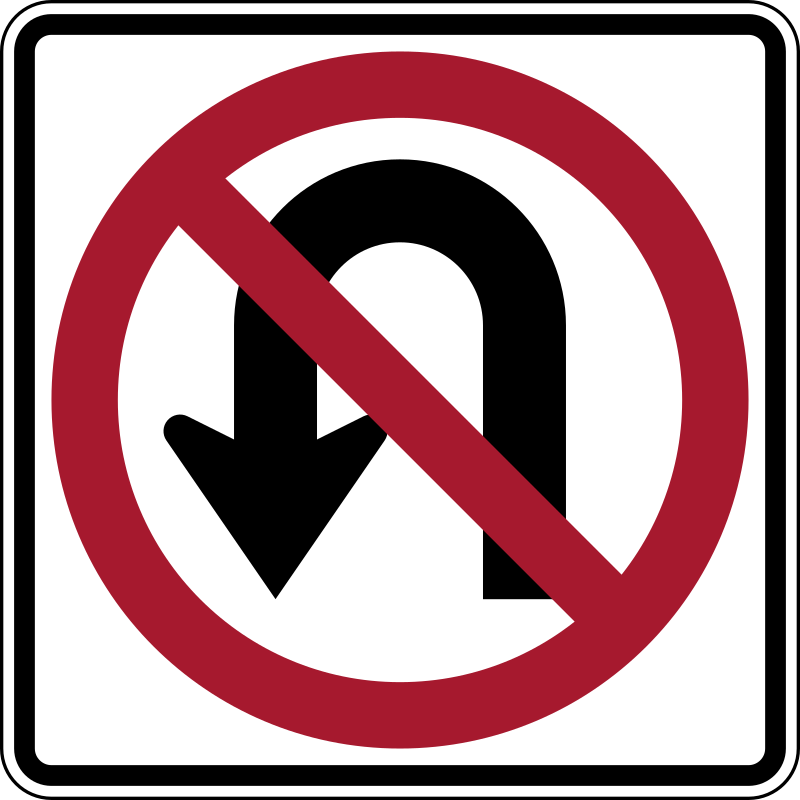 This road sign means:
A
Left turns are not allowed where this sign is displayed.
B
Drivers cannot make a complete turn to go in the opposite direction.
C
Vehicles turning left must make a U-turn.
No explanation available.
Question 7
If your vehicle’s right wheels leave the pavement, you should:
A
maintain your current speed to gain better traction.
B
build up brake pressure by pumping the brake pedal several times.
C
take your foot off the gas and when you are slowed down, ease back on the road when it is safe to do so.
D
immediately come to a complete stop.
No explanation available.
Question 8
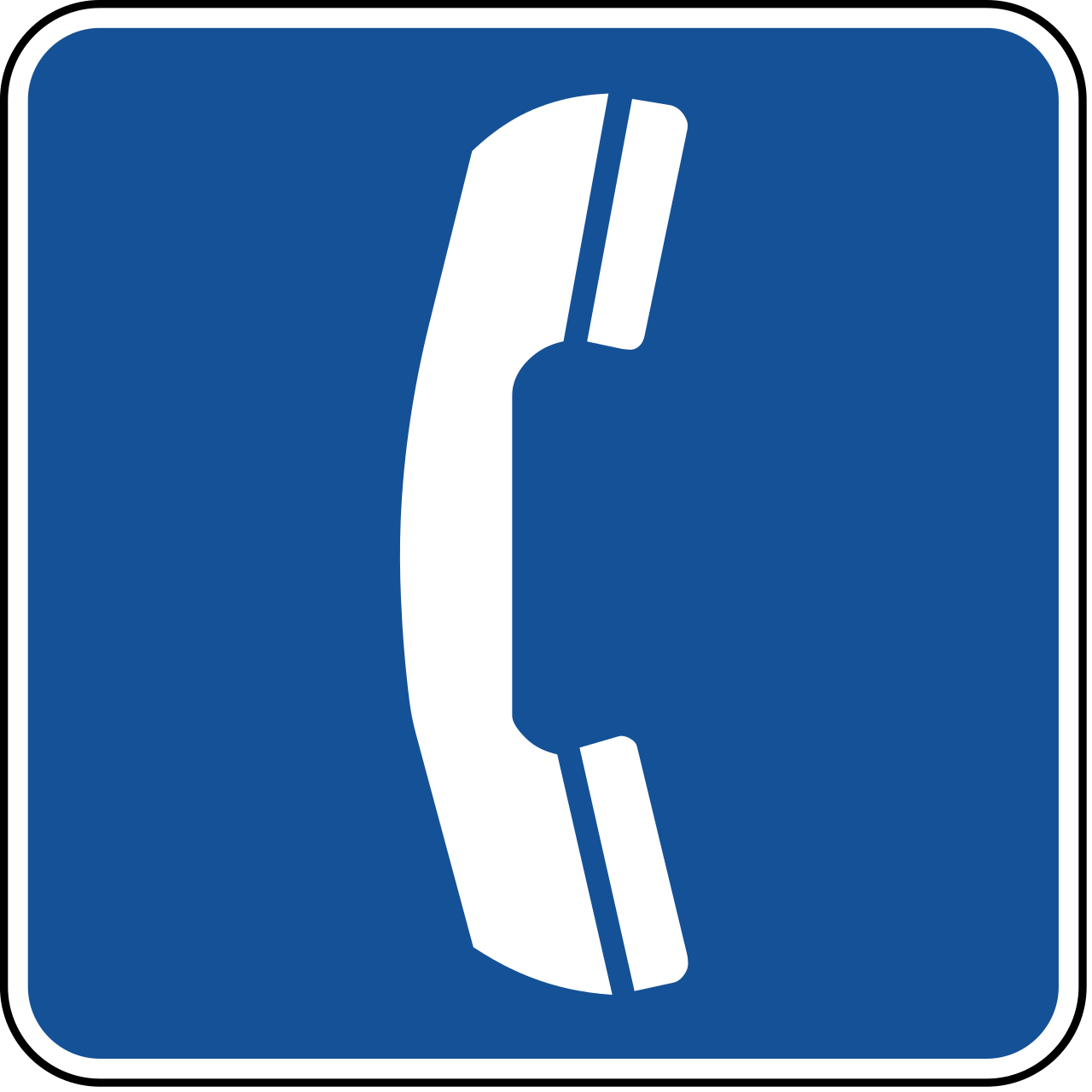 This sign indicates:
A
Phone service ahead
B
Emergency line available
C
Cell phone shop ahead
No explanation available.
Question 9
When changing lanes on a highway, drivers should:
A
glance over their shoulder to check their blind spots.
B
signal the lane change.
C
check the rearview and outside mirrors.
D
All of the above.
No explanation available.
Question 10
The effects of alcohol on driving include:
A
None of the above.
B
Improved coordination
C
Better reflexes
D
Improved judgement
No explanation available.
Question 11
 When you see this sign you should:
A
increase your speed and try to pass other vehicles.
B
slow your speed and be prepared to stop.
C
slow your speed and do not pass other vehicles.
No explanation available.
Question 12
When in a motor vehicle on a highway, it is:
A
illegal to drink from, but permissible to transport, open containers of alcohol in the passenger compartment.
B
illegal to possess an open container of alcohol in the passenger compartment.
C
acceptable to drink alcoholic beverages if you are not driving.
D
permissible to drink a moderate amount of alcohol when driving with a passenger.
No explanation available.
Question 13
From top to bottom, traffic lights are:
A
green, red and yellow.
B
green, yellow and red.
C
red, yellow and green.
No explanation available.
Question 14
A red flashing signal means the same as a:
A
stop sign.
B
yield sign.
C
caution sign.
D
red light.
No explanation available.
Question 15
Look over your shoulder to check your blind spot:
A
when changing lanes.
B
when pulling to the right side of the road or away from a curb.
C
on all right and left turns.
D
All of the above.
No explanation available.
Question 16
When other vehicles are approaching an uncontrolled intersection at approximately the same time, you should:
A
maintain your speed and proceed through the intersection.
B
come to a complete stop and wait until there are no vehicles at the intersection.
C
watch for vehicles coming from the right and yield the right-of-way, then proceed when safe.
D
increase your speed and get through the intersection.
No explanation available.
Question 17
 This road sign means:
A
Low clearance
B
Construction site ahead
C
Pavement is narrowing
D
Narrow bridge ahead
No explanation available.
Question 18
Never make a U-turn from:
A
the lane you’re in.
B
the right lane.
C
the left part of the lane nearest to the centerline of the roadway.
No explanation available.
Question 19
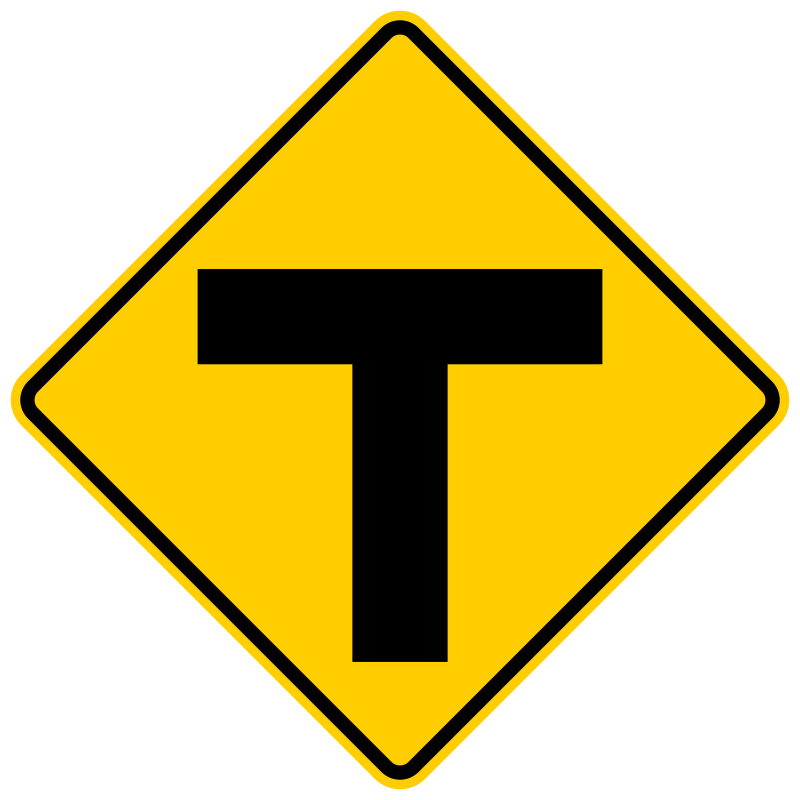 This road sign means:
A
Side road
B
T-intersection ahead
C
Keep right
D
Left lane must turn left
No explanation available.
Question 20
When driving on slippery roads, drivers should:
A
increase their following distance.
B
avoid crossing bridges or intersections.
C
brake harder than usual.
D
change lanes quickly.
No explanation available.
Question 21
 A pedestrian in the crosswalk when the 'DON’T WALK' signal begins flashing must:
A
stop immediately.
B
go back and wait the “WALK” light
C
finish crossing the street.
No explanation available.
Question 22
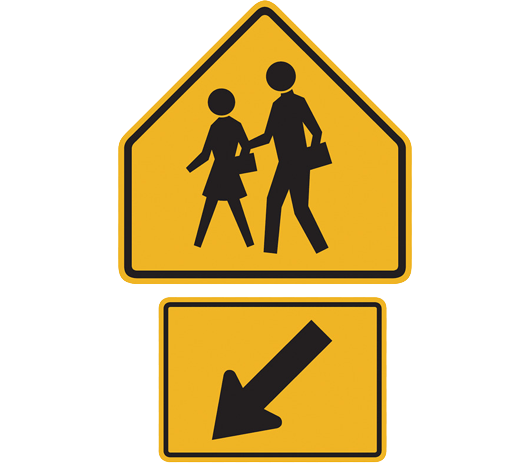 When they approach this sign, drivers must:
A
slow down and watch for children crossing the road.
B
obey signals from crossing guards.
C
stop if necessary.
D
All of the above.
No explanation available.
Question 23
The amount of space you need to cross traffic depends on the:
A
road and weather conditions and oncoming traffic.
B
number of cars behind you.
C
presence of a yield sign.
D
number of cars in front of you.
No explanation available.
Question 24
Keeping a space cushion between you and the other vehicles around you is important because it:
A
gives you time to react to situations.
B
prevents distractions from other vehicles.
C
keeps other drivers alert.
D
keeps traffic flowing at a safe pace.
No explanation available.
Question 25
What is the meaning of blue traffic signs?
A
A blue background indicates a regulatory sign.
B
They give directional information.
C
Blue indicates road user services.
No explanation available.