 drivequiz.com
 Question 1
To enter a freeway:
A
signal, yield, and enter at the same speed that traffic is moving.
B
drive slowly so you can check traffic.
C
signal and enter the freeway. You have the right-of-way.
D
make a complete stop before entering the freeway.
No explanation available.
Question 2
Passing is prohibited:
A
when a school bus is stopped to load or unload children on a public road.
B
at intersections.
C
whenever a solid line marks the left side of your lane.
D
All of the above.
No explanation available.
Question 3
Road rage and aggressive driving may be caused by:
A
unsafe lane changes.
B
tailgating.
C
speeding.
D
All of the above.
No explanation available.
Question 4
Drivers must yield for emergency vehicles:
A
Never.
B
only when other vehicles yield.
C
when they see a flashing red or blue light or hear a siren.
D
None of the above.
No explanation available.
Question 5
The effect that alcohol has on your judgment:
A
is greater if you were drinking hard liquor.
B
is less if you were only drinking wine.
C
is less if you were only drinking beer.
D
depends on the amount of alcohol in your blood.
No explanation available.
Question 6
 This road sign means:
A
Winding Road Ahead
B
Persons with Disabilities Parking
C
Merge
No explanation available.
Question 7
What is the most important rule to remember in any emergency?
A
Do not panic.
B
Run away.
C
Call the police.
No explanation available.
Question 8
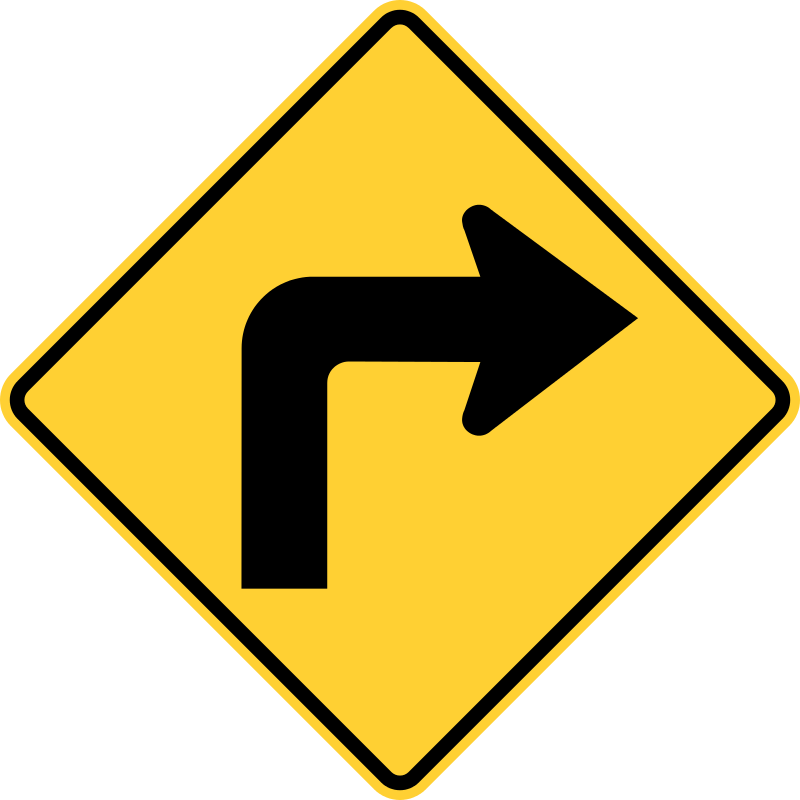 This road sign means:
A
School zone ahead
B
Side road
C
Construction zone ahead
D
Sharp turn, slow down
No explanation available.
Question 9
 This sign warns drivers of:
A
low clearance.
B
a narrow bridge ahead.
C
a low place in the road.
No explanation available.
Question 10
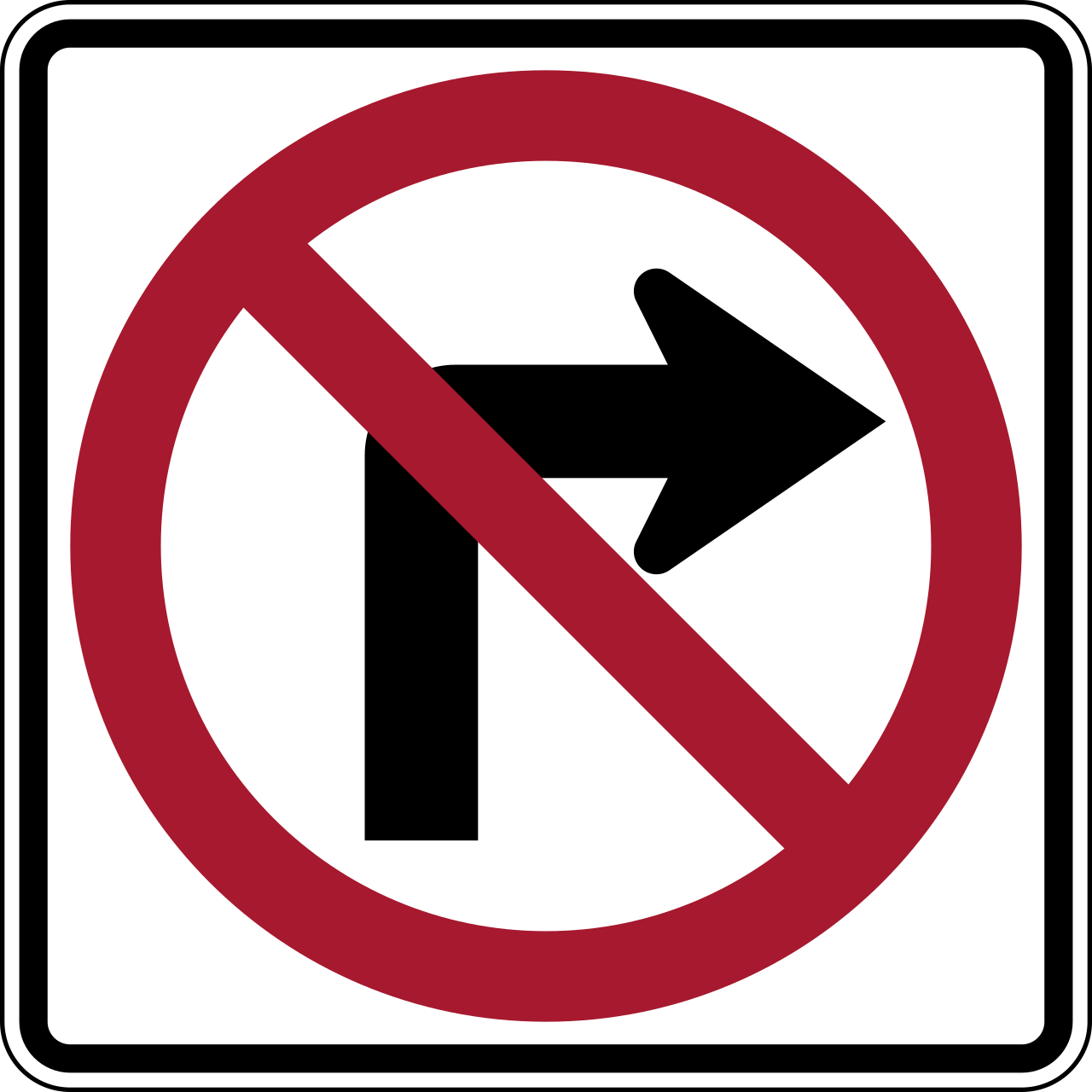 This road sign means:
A
Right turn permitted on red light
B
Drivers must turn right
C
No U-turns
D
No right turn permitted
No explanation available.
Question 11
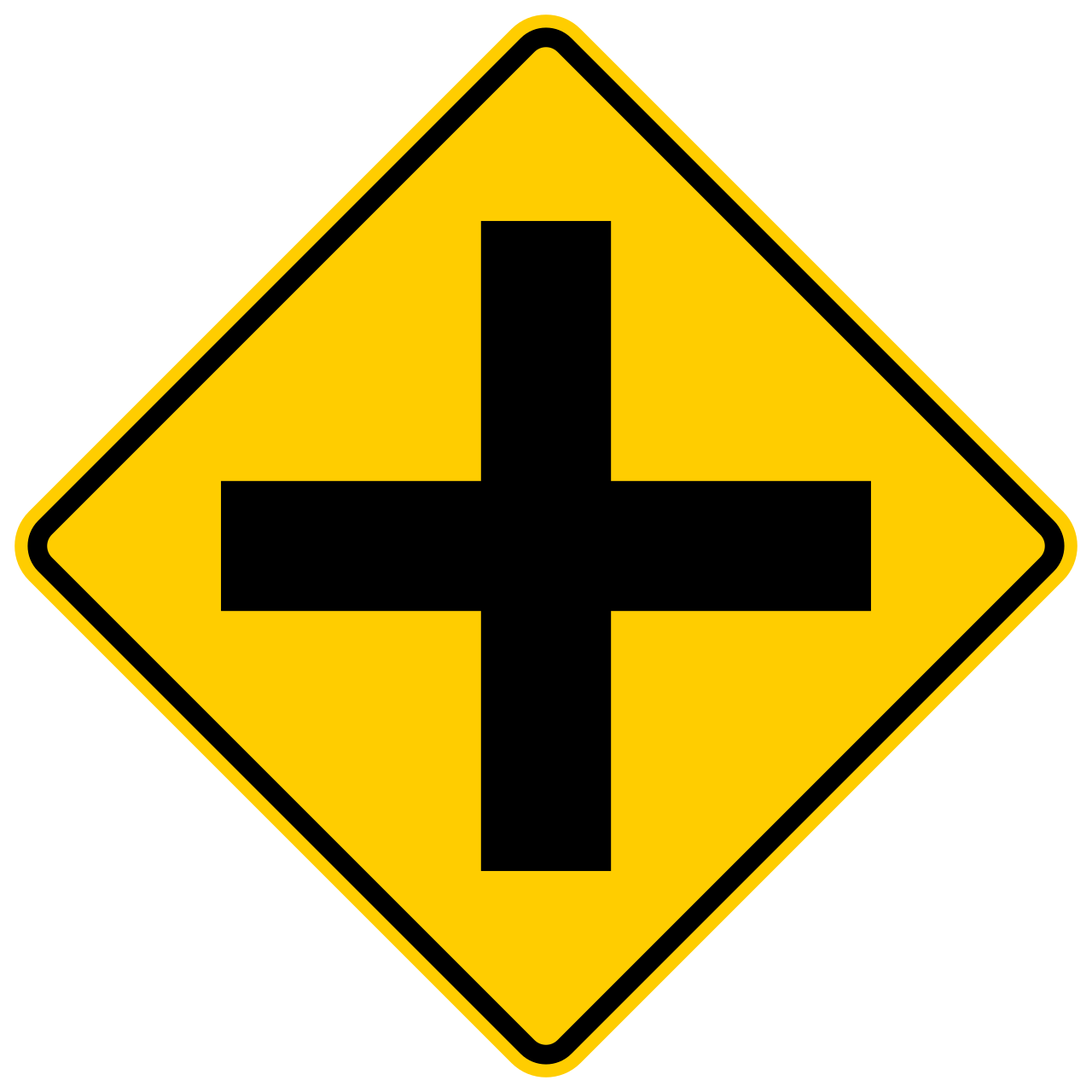 This road sign means:
A
Crossroads ahead
B
Side Road
C
Turn right or go through
D
Flagger ahead
No explanation available.
Question 12
 At a stop sign there is no stop line or crosswalk. You must stop:
A
after you enter the intersection, if you have a clear view of traffic on the intersecting roadway.
B
only if the traffic signal turns red.
C
before you enter the intersection.
D
at the next crosswalk.
No explanation available.
Question 13
This sign means:
A
No passing zone ahead.
B
Narrow bridge ahead. Slow down and drive with caution.
C
Do not to enter if your vehicle is taller than the height listed on the sign.
D
None of the above.
No explanation available.
Question 14
If you drive much slower than the posted speed limit you:
A
are a defensive driver.
B
might cause a crash.
C
always have the right of way.
D
are driving safely and can avoid tailgaters.
No explanation available.
Question 15
Drivers should always look carefully for motorcycles before changing lanes because:
A
motorcycles are not permitted to share traffic lanes.
B
motorcycles are smaller and harder to see.
C
motorcycles always have the right-of-way at intersections.
D
All of the above.
No explanation available.
Question 16
You are approaching an intersection with a yellow flashing light. You should:
A
stop and wait for the light to change.
B
speed up to beat the red light.
C
prepare to stop; the light is about to turn red.
D
proceed with caution through the intersection.
No explanation available.
Question 17
If you miss your exit from an interstate expressway, you should:
A
go to the next exit and come back to the exit you missed.
B
use the right turn signal, check your mirrors and move to the right.
C
pull over to the right and back up with caution until you reach the exit ramp.
D
make a quick U-turn from your lane of travel.
No explanation available.
Question 18
A yellow arrow used to control turns from a specific traffic lane:
A
is never used as a traffic signal.
B
is warning the traffic a green arrow is about to be shown.
C
means the same as a circular yellow light for the lane of traffic indicated by the arrow.
D
means that you may go in the direction indicated by the arrow.
No explanation available.
Question 19
To keep your vehicle from rolling into traffic when parked on a hill, if you are facing uphill you should:
A
turn the front wheels away from the curb or edge of the road.
B
turn the back wheels towards the curb or edge of the road.
C
set the parking brake and keep the front wheels straight.
D
turn the front wheels towards the curb or edge of the road.
No explanation available.
Question 20
When exiting a highway, you should slow down:
A
when you first see the exit sign.
B
before moving into the exit lane.
C
once you have moved into the exit lane.
D
once you see the toll booth.
No explanation available.
Question 21
Driving at night requires increased caution because:
A
traffic is heavier.
B
most motorcyclists ride at night.
C
visibility is reduced.
No explanation available.
Question 22
A steady yellow light means that a ______ light will soon appear.
A
steady green
B
steady red
C
flashing yellow
D
flashing green
No explanation available.
Question 23
What do warning signs mean?
A
Danger ahead.
B
Drivers are approaching a location where there is a special rule.
C
All of the above.
No explanation available.
Question 24
 This sign means:
A
narrow road ahead.
B
no turns are allowed on this road.
C
series of curves ahead.
D
the road may be slippery when wet.
No explanation available.
Question 25
What should you do if your brakes fail?
A
Hook your shoe under the pedal and see if you can free it.
B
Turn on your cruise control.
C
Try pumping the brake pedal to increase pressure.
No explanation available.