 drivequiz.com
 Question 1
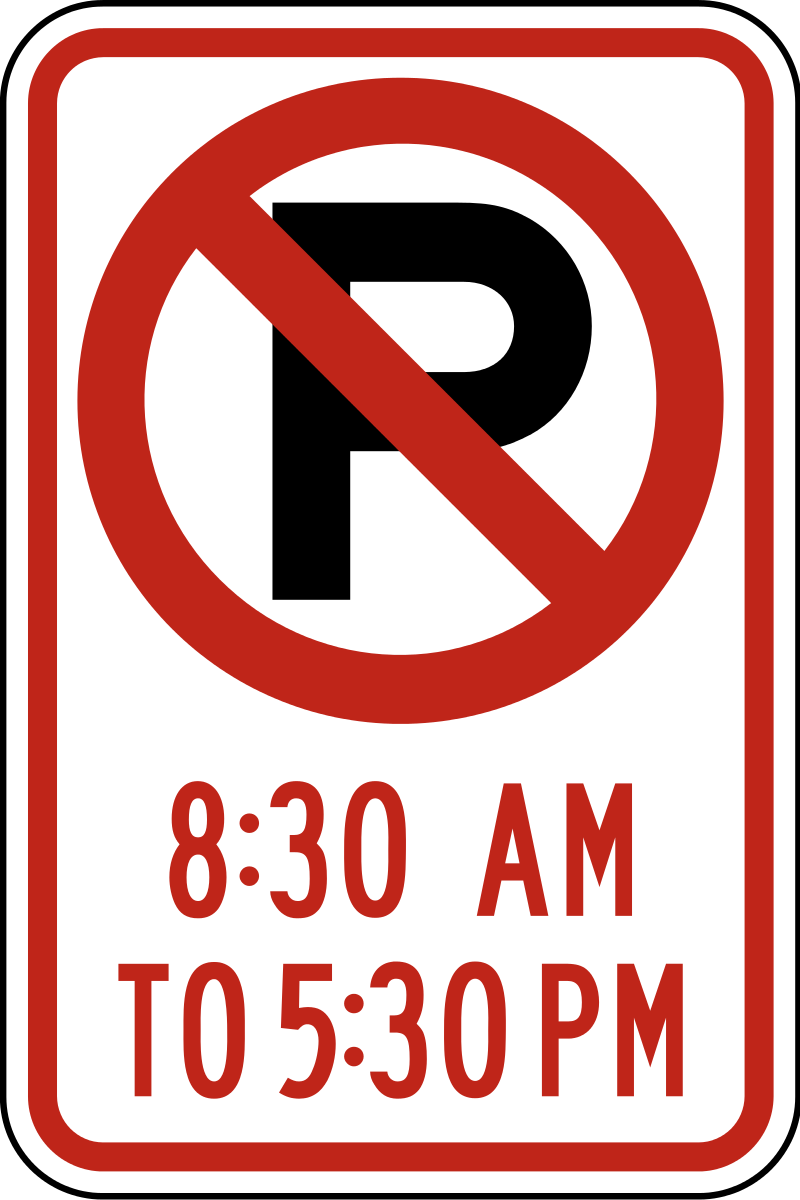 This sign means:
A
You can only park between 8:30 AM and 5:30 PM.
B
Parking is not allowed at 8:30 AM and at 5:30 PM
C
No parking between 8:30 AM and 5:30 PM.
No explanation available.
Question 2
 This road sign means:
A
Slow down or stop
B
Stop
C
Road narrows ahead
No explanation available.
Question 3
 What does the flashing signal in the picture indicate?
A
The same thing as a stop sign.
B
Pedestrians should finish crossing the street if started.
C
Pedestrians should start crossing the street.
No explanation available.
Question 4
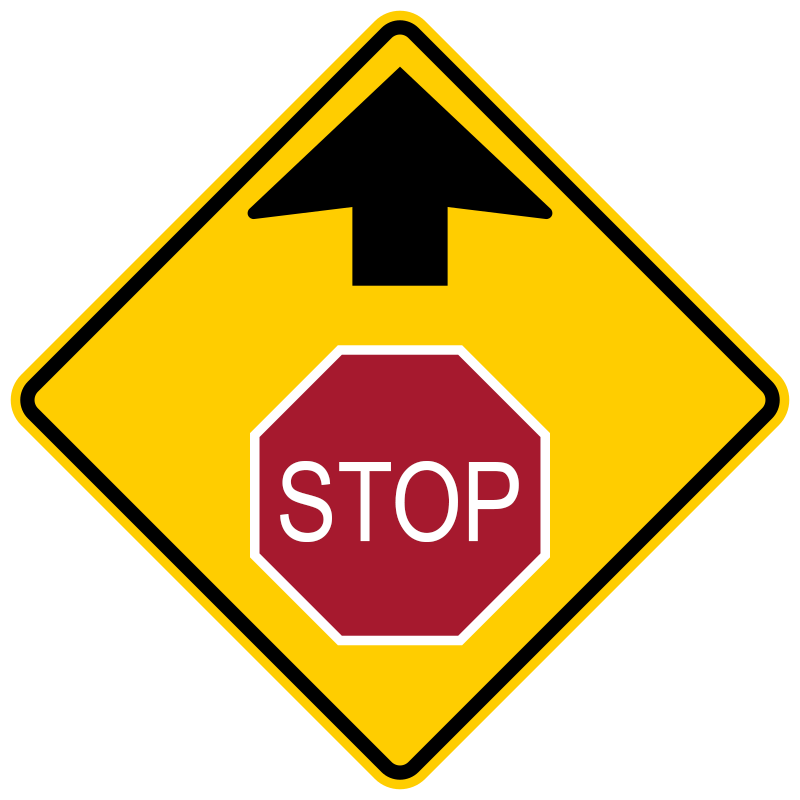 When drivers come to this sign, they must:
A
be ready to stop at the stop sign.
B
warn other drivers that a stop sign is ahead.
C
brake sharply and come to a complete stop.
No explanation available.
Question 5
 This is the shape and color of a ________ sign.
A
yield
B
stop
C
do not enter
No explanation available.
Question 6
 This sign warns drivers that:
A
the highway ahead is divided into two one-way roadways. Drivers should keep to the right.
B
there is a winding road ahead.
C
there is a double curve ahead.
No explanation available.
Question 7
 The sign in the picture:
A
is a Construction and Maintenance Traffic Control sign.
B
is found at most intersections and indicates that drivers must yield to other vehicles.
C
is displayed on the rear of slow moving vehicles.
No explanation available.
Question 8
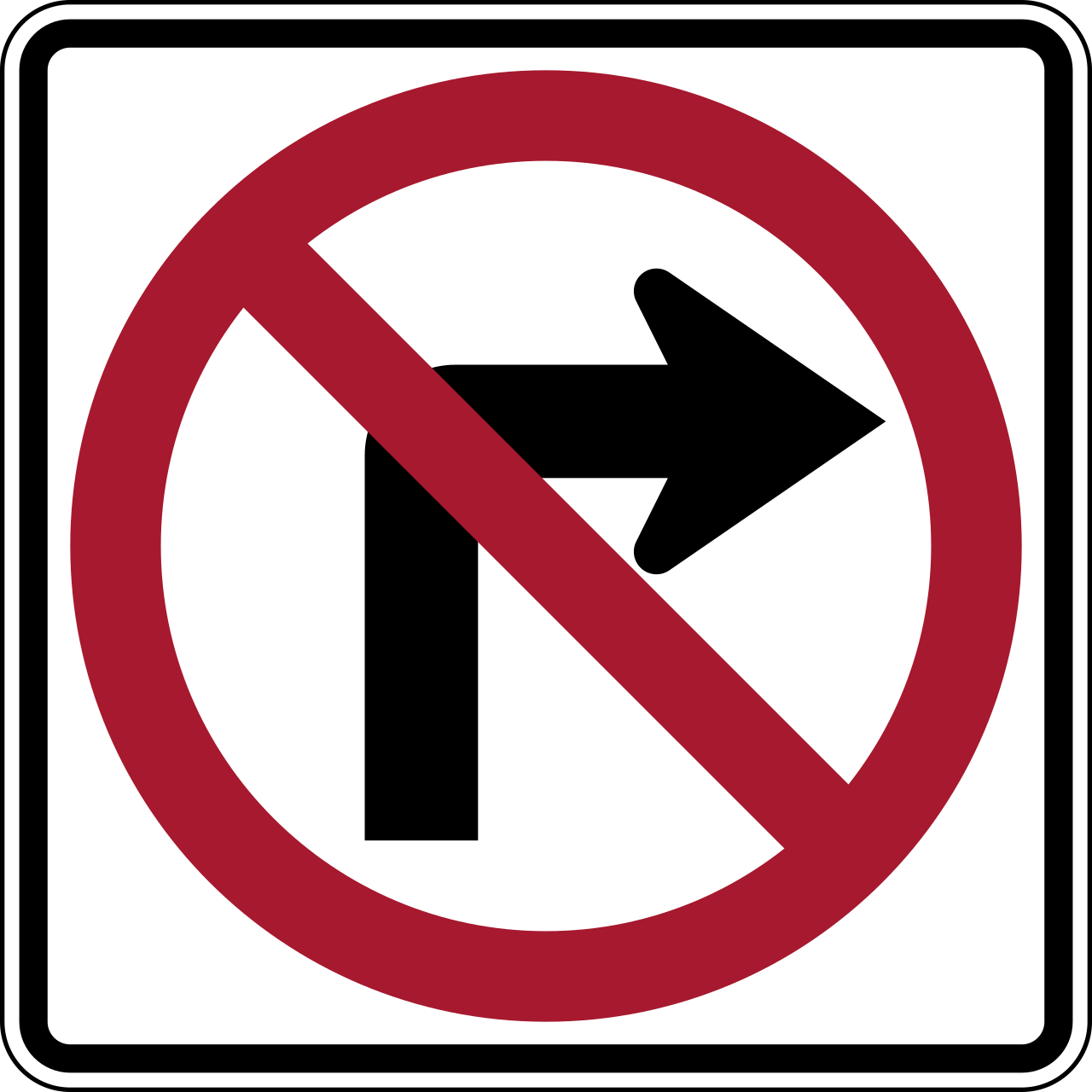 This road sign means:
A
Right turn permitted on red light
B
Drivers must turn right
C
No U-turns
D
No right turn permitted
No explanation available.
Question 9
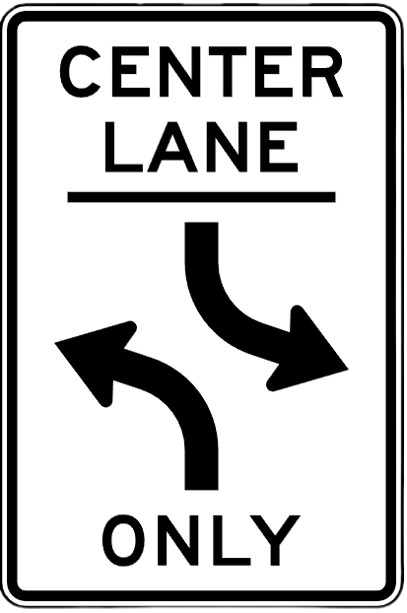 This road sign means:
A
Vehicles may only travel in the center lane.
B
The center lane is shared for left turns in both directions of travel.
C
The center lane in both directions of travel will soon turn left.
No explanation available.
Question 10
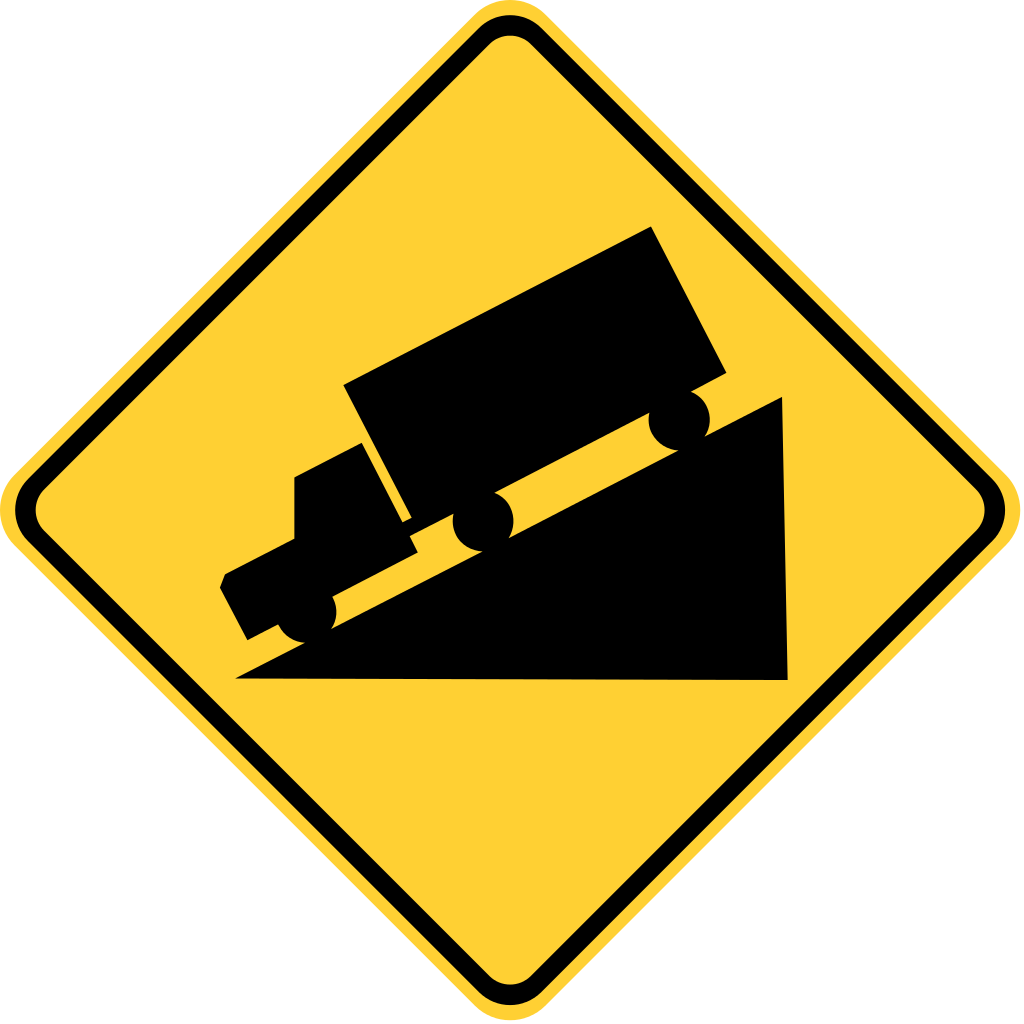 This road sign means:
A
No right turn
B
No left turn
C
Narrow Bridge
D
Steep downgrade
No explanation available.
Question 11
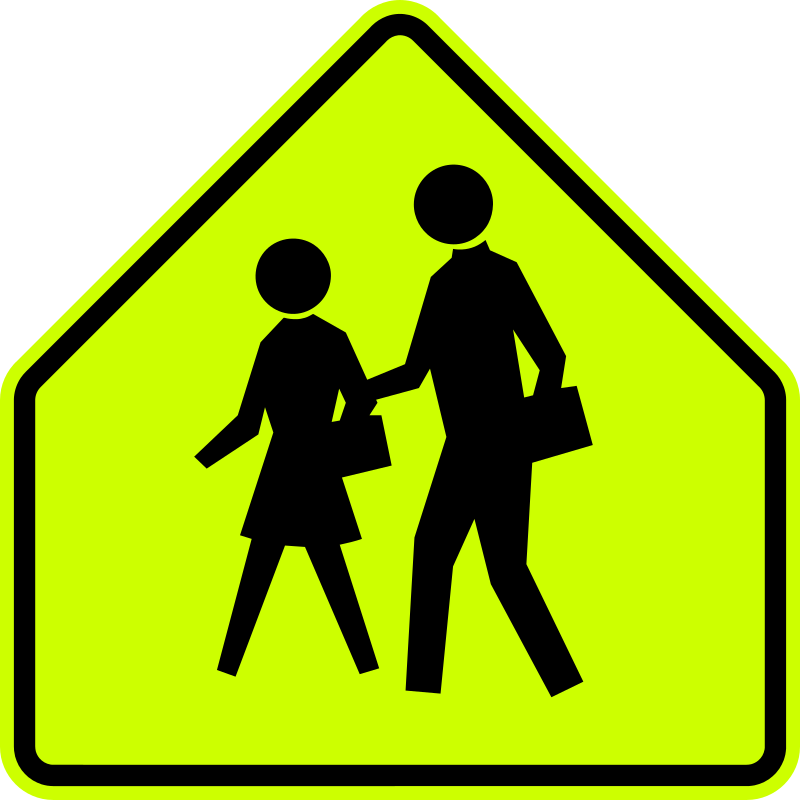 This sign means:
A
Business area nearby. Watch for business people.
B
There is a work zone ahead. Watch for workers.
C
The driver is near a school and should watch for children.
No explanation available.
Question 12
 This is:
A
a side road sign.
B
a merging traffic sign.
C
a right curve sign.
No explanation available.
Question 13
You are entering a roadway from a private road, and you need to turn left. You have to yield to:
A
vehicles from the right.
B
vehicles from the left.
C
vehicles from both directions.
No explanation available.
Question 14
You hear a siren close by but can not see where the emergency vehicle is. What do you do?
A
Keep driving until you are sure the emergency vehicle is headed toward you.
B
Stop immediately and activate your emergency flashers.
C
Pull over to the right side of the road and stop until you are sure the emergency vehicle is not headed toward you.
No explanation available.
Question 15
When in a motor vehicle on a highway, it is:
A
illegal to drink from, but permissible to transport, open containers of alcohol in the passenger compartment.
B
illegal to possess an open container of alcohol in the passenger compartment.
C
acceptable to drink alcoholic beverages if you are not driving.
D
permissible to drink a moderate amount of alcohol when driving with a passenger.
No explanation available.
Question 16
When driving in heavy traffic, you should:
A
drive with the flow of traffic.
B
maintain a constant speed.
C
drive faster than the flow of traffic.
D
drive slower than the flow of traffic.
No explanation available.
Question 17
Two drivers reach an uncontrolled intersection at the same time. Who has the right of way?
A
The driver on the left.
B
No one.
C
The driver on the right.
No explanation available.
Question 18
A flashing yellow light means:
A
The light will soon change from green to red.
B
Drive with caution.
C
Yield the right-of-way to other traffic at the intersection.
No explanation available.
Question 19
What should you do in case of a steering failure?
A
Pump your gas pedal a few times to increase the pressure.
B
Don't panic. Turn on your emergency lights to let other drivers know you are having car problems. Move toward the side of the road and bring the car to a gradual stop.
C
Leave the road immediately.
No explanation available.
Question 20
In the following situations, drivers should increase their following interval:
A
When following vehicles that are required to come to a stop at railroad crossings.
B
When it is hard to see ahead because of bad weather.
C
All of the above.
No explanation available.
Question 21
To enter a freeway:
A
signal, yield, and enter at the same speed that traffic is moving.
B
drive slowly so you can check traffic.
C
signal and enter the freeway. You have the right-of-way.
D
make a complete stop before entering the freeway.
No explanation available.
Question 22
When a driver is turning and a pedestrian is crossing without a traffic light, __________ must yield the right-of-way.
A
the pedestrian
B
the driver
C
both
D
whoever is slower
No explanation available.
Question 23
When children are close, what should you do before you back out of a driveway?
A
Rely on your mirrors.
B
Get out of the car and check behind the car.
C
Look through your back window for children.
No explanation available.
Question 24
BAC is:
A
the acronym for Beer ACcumulation.
B
the number of ounces of alcohol in your blood.
C
the percentage of alcohol in your blood.
No explanation available.
Question 25
Blind spots around a large vehicle are _________________ than the blind spots around a car.
A
larger and deeper
B
less dangerous
C
narrower and shorter
No explanation available.
Question 26
If an approaching driver does not dim the headlights, you should:
A
move your eyes to the left to help avoid the glare of approaching high beams.
B
move your eyes to the right and avoid looking directly at the bright lights.
C
flash your headlights to low beam for a second, then return to high beam.
No explanation available.
Question 27
Drivers often fail to see a motorcycle headed toward them. Why?
A
It is difficult to judge a motorcycle's speed.
B
Motorcycles are hard to see.
C
All of the above.
No explanation available.
Question 28
Aggressive drivers:
A
run stop signs.
B
are high risk drivers.
C
tailgate other vehicles and make improper lane changes.
D
All of the above.
No explanation available.
Question 29
When you need to enter a freeway exit ramp:
A
don't slow down on the freeway itself. Wait until you are in the deceleration lane.
B
pass slower vehicles on the right.
C
slow down before entering the exit ramp.
D
don't slow down on the freeway itself, and maintain your speed once in the exit ramp.
No explanation available.
Question 30
A steady yellow light means:
A
Be prepared to stop for the red light.
B
Drive with caution.
C
Be prepared to go. The light will soon be green.
No explanation available.
Question 31
If you stop at a railroad crossing with more than one track:
A
proceed with caution until you see a train.
B
go through when one of the tracks is free.
C
go through as soon as the first train passes.
D
wait until you have a clear view of both tracks.
No explanation available.
Question 32
When the road is slippery, you should:
A
brake suddenly carefully.
B
pump your brakes.
C
press your brakes in slow, steady strokes.
No explanation available.
Question 33
When you prepare to make a left turn from a one-way road into a one-way road, you must:
A
move into the right lane, or to the left side of a single lane.
B
move into the right lane, or to the right side of a single lane.
C
move into the left lane, or to the left side of a single lane.
No explanation available.
Question 34
If your car starts to skid, turn your steering wheel:
A
in the direction you want to go.
B
in the opposite direction of the skid.
C
to keep the front wheels straight.
D
in any direction. It doesnt matter.
No explanation available.
Question 35
When driving behind a motorcycle, drivers must:
A
remembers that motorcyclists have the right to use a complete traffic lane.
B
pass the motorcycle in the same lane.
C
drive on the shoulder beside the motorcycle.
D
share the lane with the motorcycle.
No explanation available.
Question 36
What does it mean If an oncoming driver flashes headlights at you during a period of low visibility?
A
Your headlights are too bright. You should turn them off.
B
Your vehicle was difficult to see. You should turn on your headlights.
C
Your headlights are too bright. You should use parking lights instead.
No explanation available.
Question 37
What should drivers do in case of a brake failure?
A
Shift to a lower gear.
B
Tie a white cloth on the left door handle.
C
Brake lightly.
No explanation available.