 drivequiz.com
 Question 1
 This road sign means:
A
You must come to a complete stop
B
Do not enter
C
Slow down, stop if necessary and yield the right-of-way
D
Merging traffic
No explanation available.
Question 2
 A four-way stop sign means:
A
traffic from all four directions must stop.
B
if two vehicles reach the intersection at the same time, the driver on the left yields to the driver on the right.
C
All of the above.
No explanation available.
Question 3
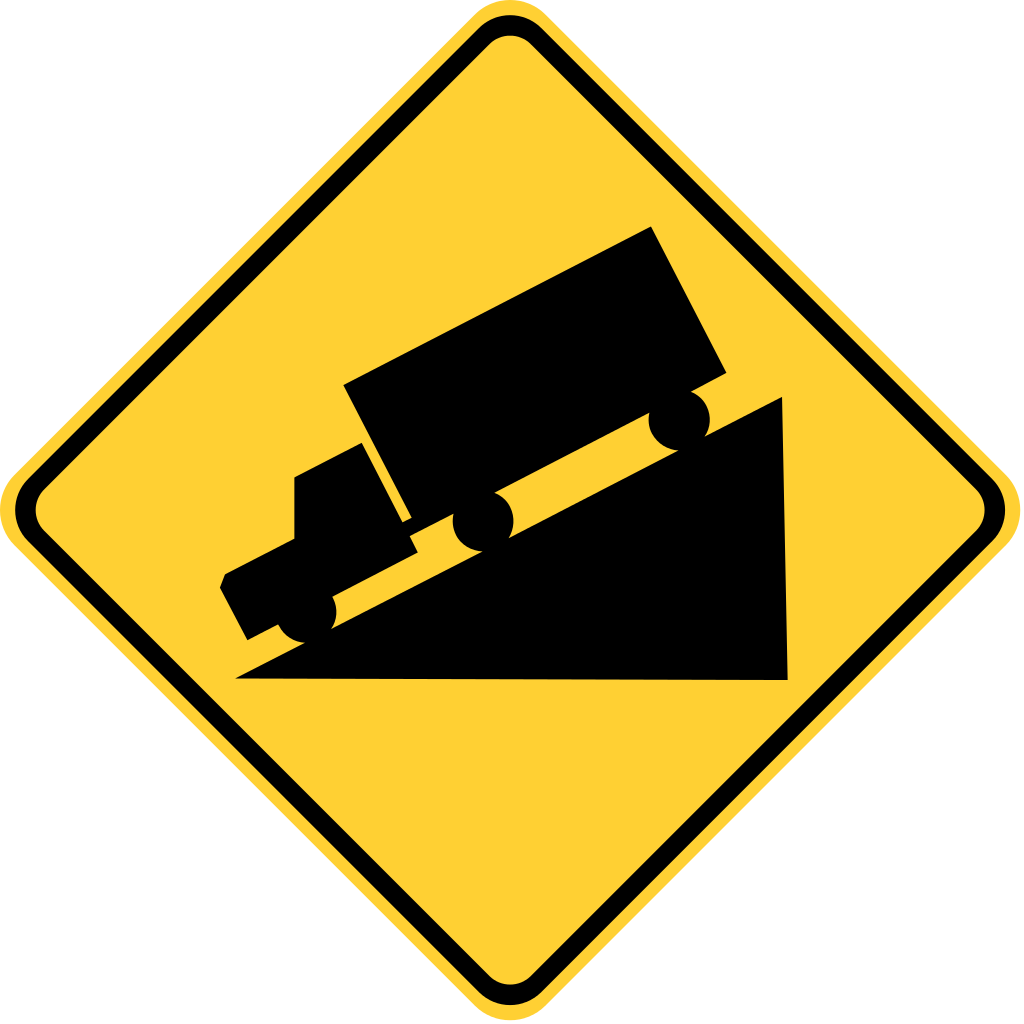 This road sign means:
A
Merging traffic
B
Steep grade ahead
C
Intersection ahead
No explanation available.
Question 4
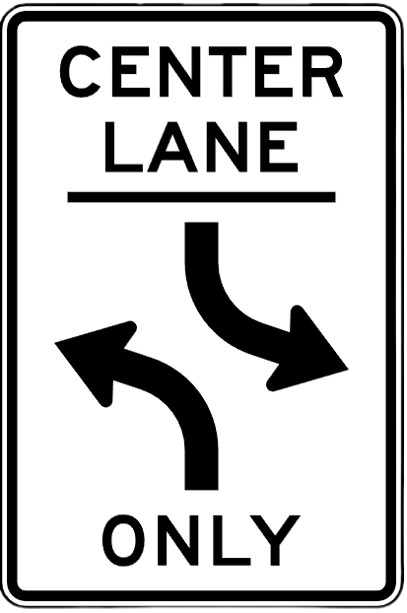 This sign means:
A
The center lane is shared for left turns.
B
Left turns in both directions of travel are not permitted.
C
Vehicles may only turn left.
No explanation available.
Question 5
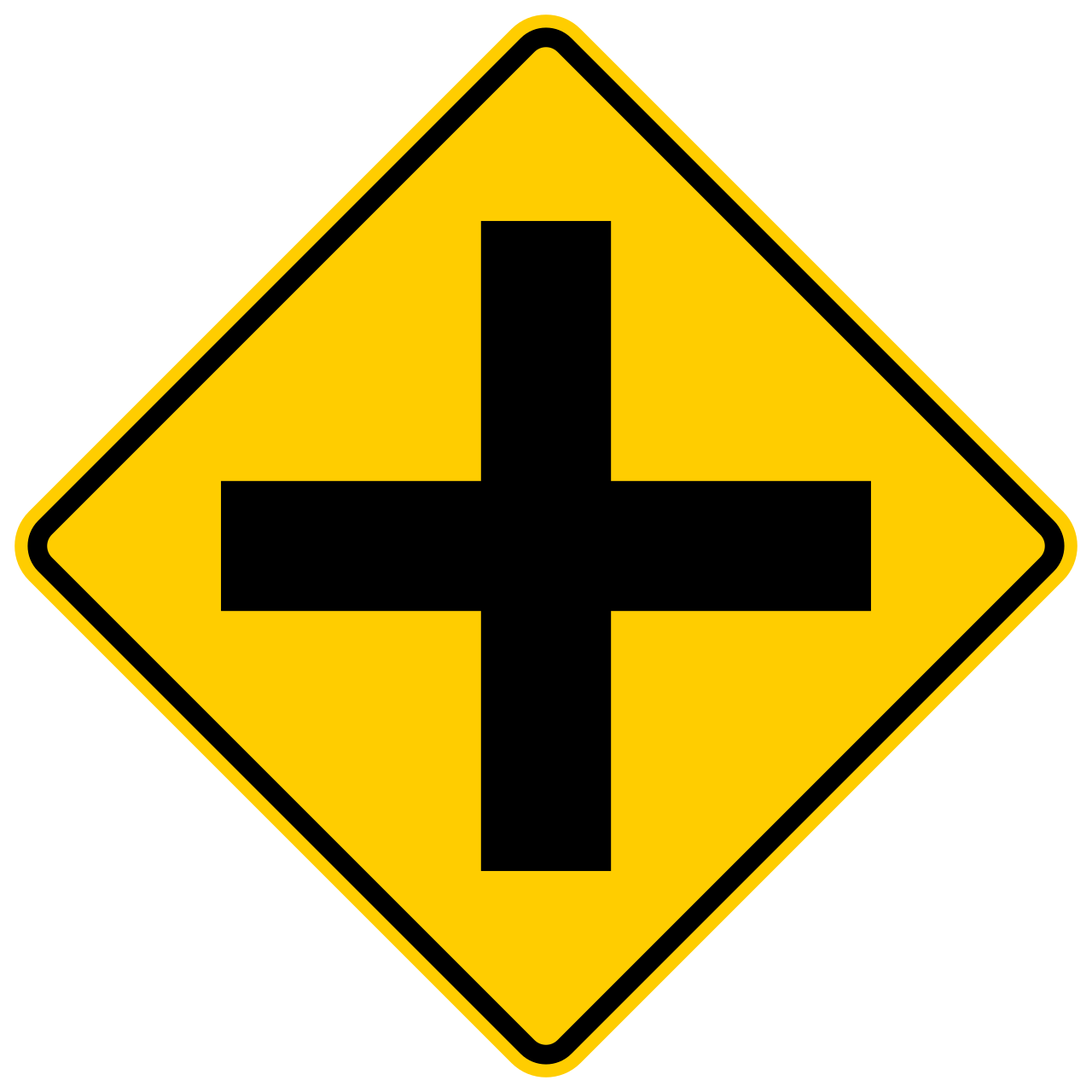 This road sign means:
A
Crossroad
B
Hospital parking ahead
C
Merge
No explanation available.
Question 6
 This sign warns drivers that:
A
they must turn either to the right or left.
B
there is a double curve ahead.
C
there is a winding road ahead.
No explanation available.
Question 7
 This road sign means:
A
Wrong Way
B
Merging Traffic
C
Curve ahead
No explanation available.
Question 8
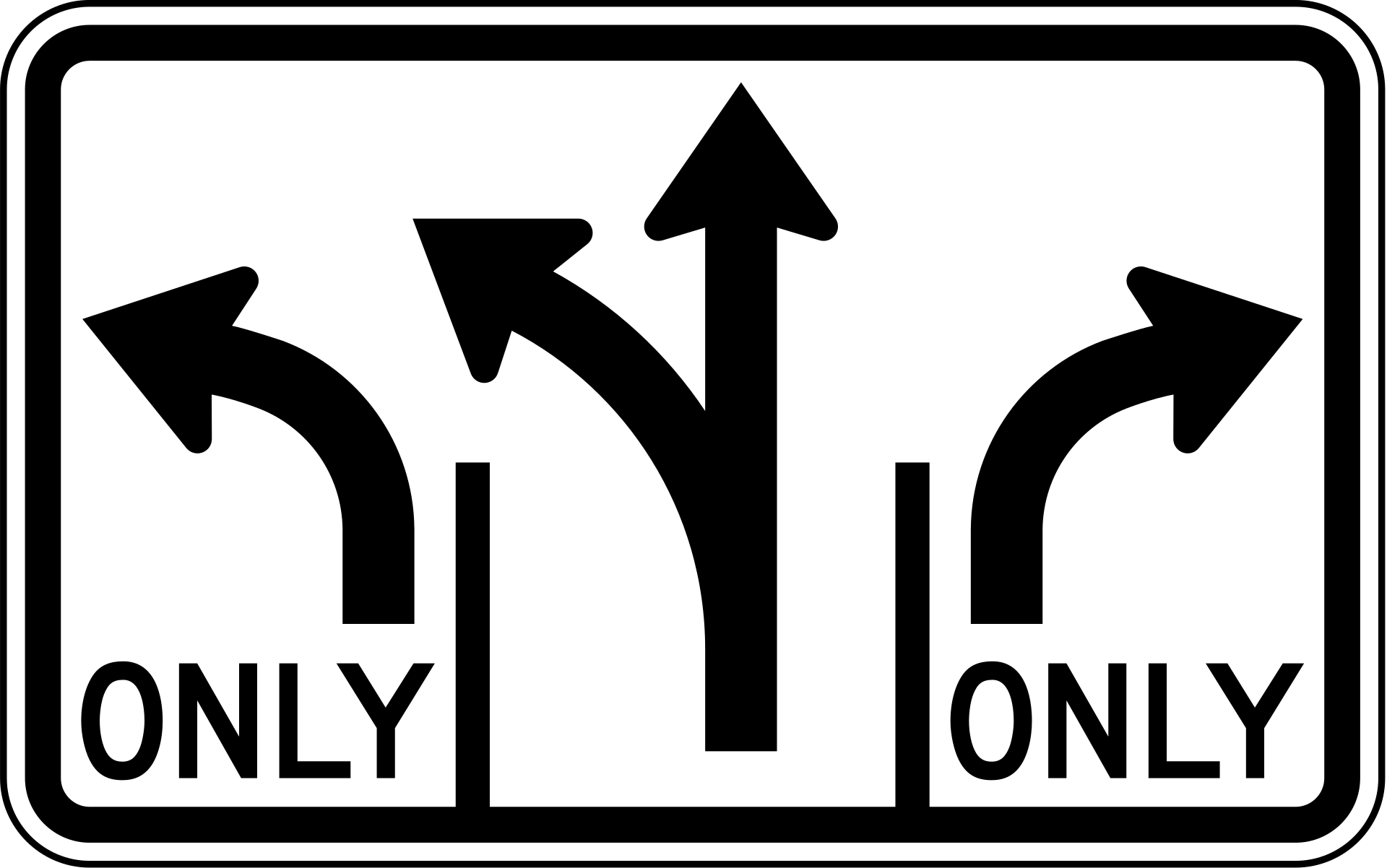 This regulatory sign tells drivers that:
A
traffic in the left lane must turn left at the intersection ahead.
B
all vehicles must turn left immediately.
C
traffic in the right lane must go straight.
No explanation available.
Question 9
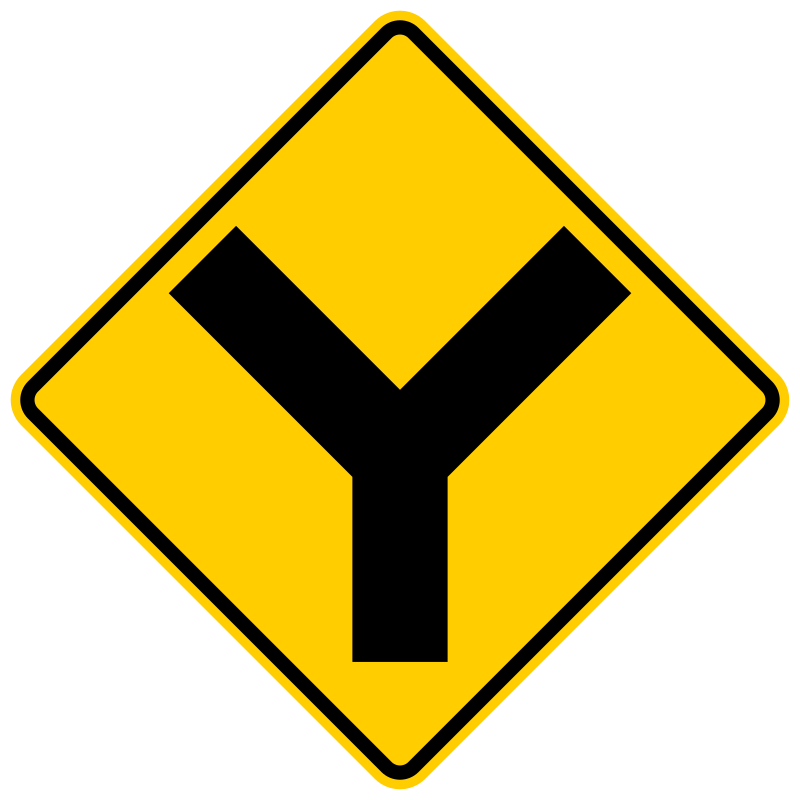 This road sign means:
A
The road ends ahead
B
A four-way intersection is ahead
C
“Y” intersection ahead
D
A road joins from the right
No explanation available.
Question 10
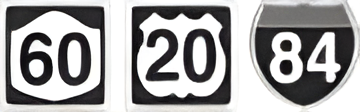 These are:
A
route signs.
B
miles-left signs.
C
speed limit signs.
No explanation available.
Question 11
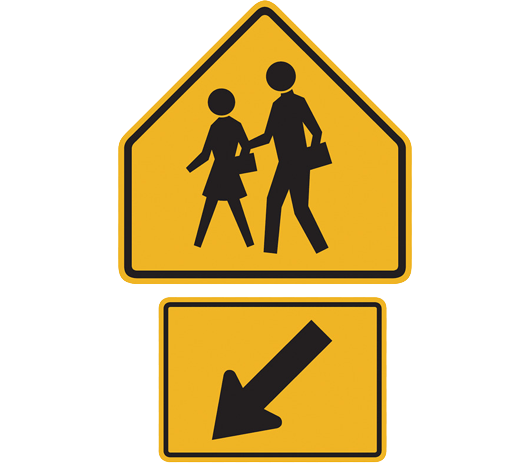 When they approach this sign, drivers must:
A
slow down and watch for children crossing the road.
B
obey signals from crossing guards.
C
stop if necessary.
D
All of the above.
No explanation available.
Question 12
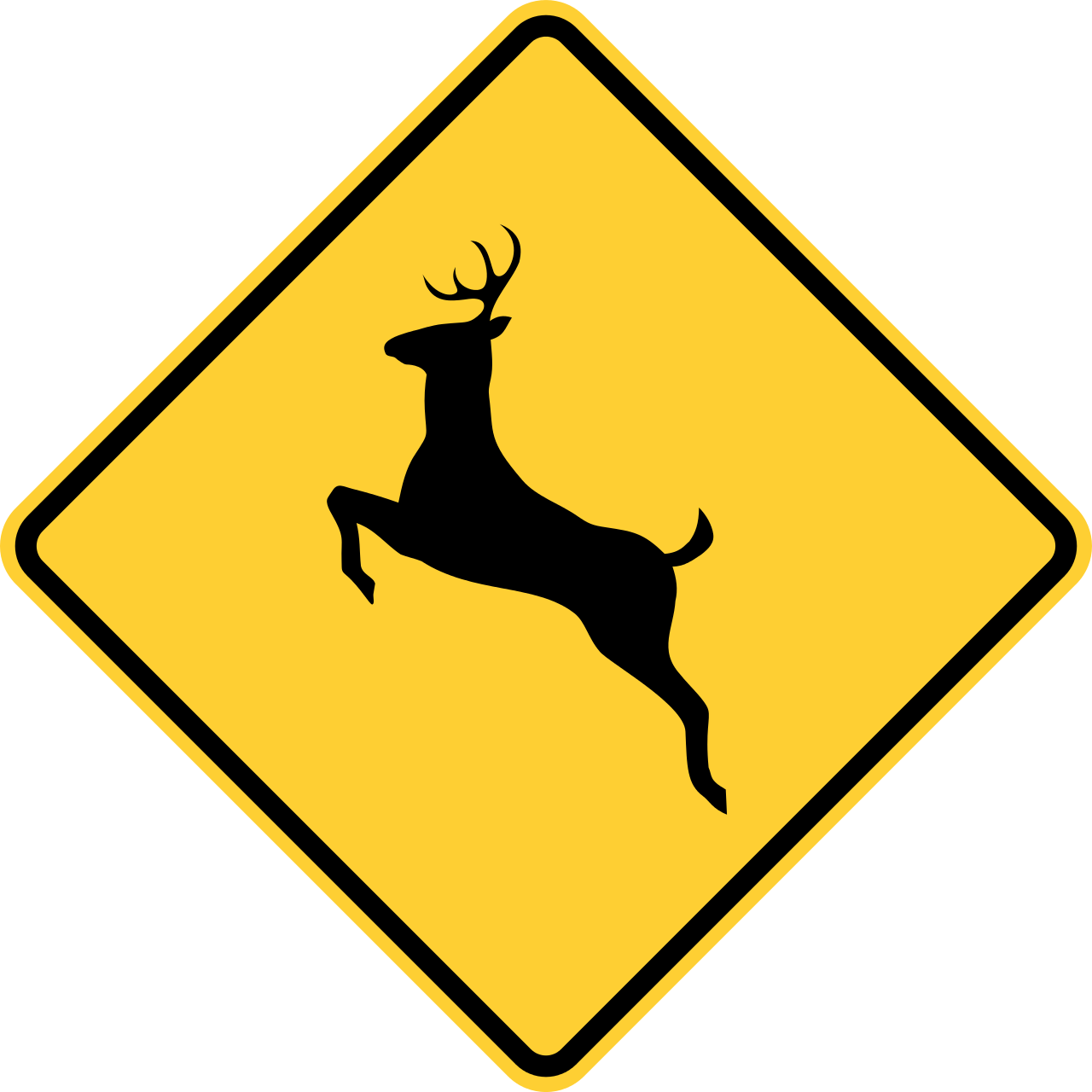 When they see this road sign, drivers should:
A
drive carefully because the animal pictured on the sign is extremely rare in the area.
B
watch for this species crossing the road.
C
park in the zoo area.
No explanation available.
Question 13
When the driver behind you wants to pass, you should:
A
change lanes.
B
speed up.
C
use your brake lights.
D
slow down to allow room for the other driver to complete the pass safely.
No explanation available.
Question 14
If you get 12 points within 3 years:
A
an updated driver's handbook is sent, and you must study it within 2 weeks of receipt.
B
you may lose your license.
C
a warning letter is sent.
D
None of the above.
No explanation available.
Question 15
If your gas pedal is stuck, you should:
A
hook your shoe under the pedal and see if you can free it. If not, shift into neutral and use the brake to slow your vehicle and get off the road.
B
ease your foot off the gas pedal and brake gently.
C
turn off the ignition if your vehicle has power steering.
No explanation available.
Question 16
When you prepare to make a left turn from a one-way road into a two-way road, you must:
A
enter the two-way road to the left of its center line.
B
approach the turn in the right lane or from the right side of a single lane.
C
approach the turn in the left lane or from the left side of a single lane.
No explanation available.
Question 17
Drivers should allow a larger space cushion when stopping:
A
at a stop sign.
B
on an up-hill.
C
at an intersection.
D
at a yield sign.
No explanation available.
Question 18
When driving on a wet road:
A
as you drive faster, your tires may lose traction.
B
you must be aware that the pavement gets even more slippery when it's been raining for long periods of time.
C
you should follow the vehicle ahead of you more closely.
D
as you decrease your speed, the road becomes more slippery.
No explanation available.
Question 19
Roads are most slippery:
A
just before it rains.
B
when it stops raining.
C
when it first starts to rain.
No explanation available.
Question 20
What is the purpose of minimum speed limits?
A
To keep a smooth traffic flow.
B
To halt the traffic flow.
C
To allow emergency vehicles with red flashing lights to safely pass other vehicles.
No explanation available.
Question 21
Before crossing any railroad tracks, you must:
A
look and listen for trains.
B
make sure there is room for your vehicle on the other side.
C
All of the above.
No explanation available.
Question 22
Which of the following must you obey over the others?
A
A flashing red light.
B
A stop sign.
C
A steady red light.
D
A police officer.
No explanation available.
Question 23
Does a vehicle prepared to enter a traffic circle or rotary have right-of-way over vehicles in the circle?
A
Yes, but only if they are entering the rotary from the right lane.
B
No. Vehicles already in the circle have the right-of-way.
C
Only if the light is green.
D
Yes.
No explanation available.
Question 24
To avoid becoming an aggressive driver, you should:
A
Adjust your schedule to drive during times with the most highway traffic.
B
Allow enough travel time to reach your destination on schedule.
C
Listen to heavy metal music.
No explanation available.
Question 25
From top to bottom, traffic lights are:
A
green, red and yellow.
B
green, yellow and red.
C
red, yellow and green.
No explanation available.
Question 26
If the entrance lane is too short to allow acceleration to highway speed, you should:
A
go to the next entrance ramp.
B
stop and wait for a large gap in traffic, then enter the highway and accelerate quickly.
C
merge into highway traffic as soon as possible.
No explanation available.
Question 27
What do flashing red lights on a school bus indicate?
A
The bus is stopped to load or discharge passengers.
B
Traffic that approaches from either direction may proceed.
C
The bus is about to stop.
No explanation available.
Question 28
If your car goes into water, you should:
A
wait for water to rush in and let it out in small breaths through your nose.
B
call the fire department immediately.
C
remove yourself before it starts to sink.
No explanation available.
Question 29
Your BAC depends on:
A
how much alcohol you drink.
B
how much time passes between drinks.
C
All of the above.
No explanation available.
Question 30
Where there is no bicycle lane, where on the road must a bicyclist ride?
A
on the left shoulder of the road.
B
near the right curb or edge of the road.
C
near the left edge of the road.
No explanation available.
Question 31
After you stop for a school bus, you must:
A
turn off your engine.
B
pass the bus before the red lights stop flashing.
C
None of the above.
No explanation available.
Question 32
If another vehicle passes you on the left, you must:
A
increase your speed slightly and keep to the right.
B
decrease your speed, then pull over to the right and stop.
C
decrease your speed slightly and keep to the right.
No explanation available.
Question 33
What should you do as you prepare to turn right at an intersection?
A
Honk your horn.
B
Yield to bicyclists coming from the opposite direction.
C
Signal your turn, check for bicyclists, and do not turn directly in front of a bicyclist.
No explanation available.
Question 34
When driving in heavy rain, drivers should use:
A
parking lights.
B
low beam headlights.
C
high beam headlights.
No explanation available.
Question 35
To avoid being in a truck driver’s blind spot, you should:
A
never pass the truck and put your headlights on.
B
avoid driving on either side of the truck and don’t tailgate.
C
flash your lights.
D
sound your horn.
No explanation available.
Question 36
Traffic lights are normally ____________ from the top to bottom or left to right.
A
red, green and yellow
B
green, yellow and red
C
red, yellow and green
No explanation available.
Question 37
You should use turn signals to indicate your intention with sufficient time to allow other drivers to see the signal:
A
if it’s raining.
B
AFTER you move.
C
BEFORE you move.
No explanation available.