 drivequiz.com
 Question 1
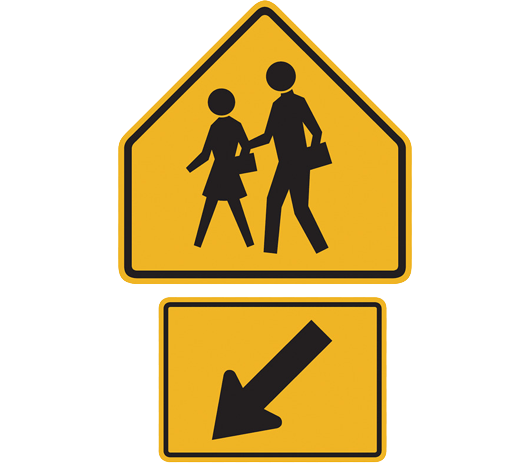 When you approach this sign, you must:
A
stop if necessary.
B
watch for workers crossing the road.
C
None of the above.
No explanation available.
Question 2
 What does a flashing red light mean?
A
NO TURN ON RED.
B
The same thing as a stop sign.
C
Drivers may move forward with caution.
No explanation available.
Question 3
 When you see this sign you should:
A
increase your speed and try to pass other vehicles.
B
slow your speed and be prepared to stop.
C
slow your speed and do not pass other vehicles.
No explanation available.
Question 4
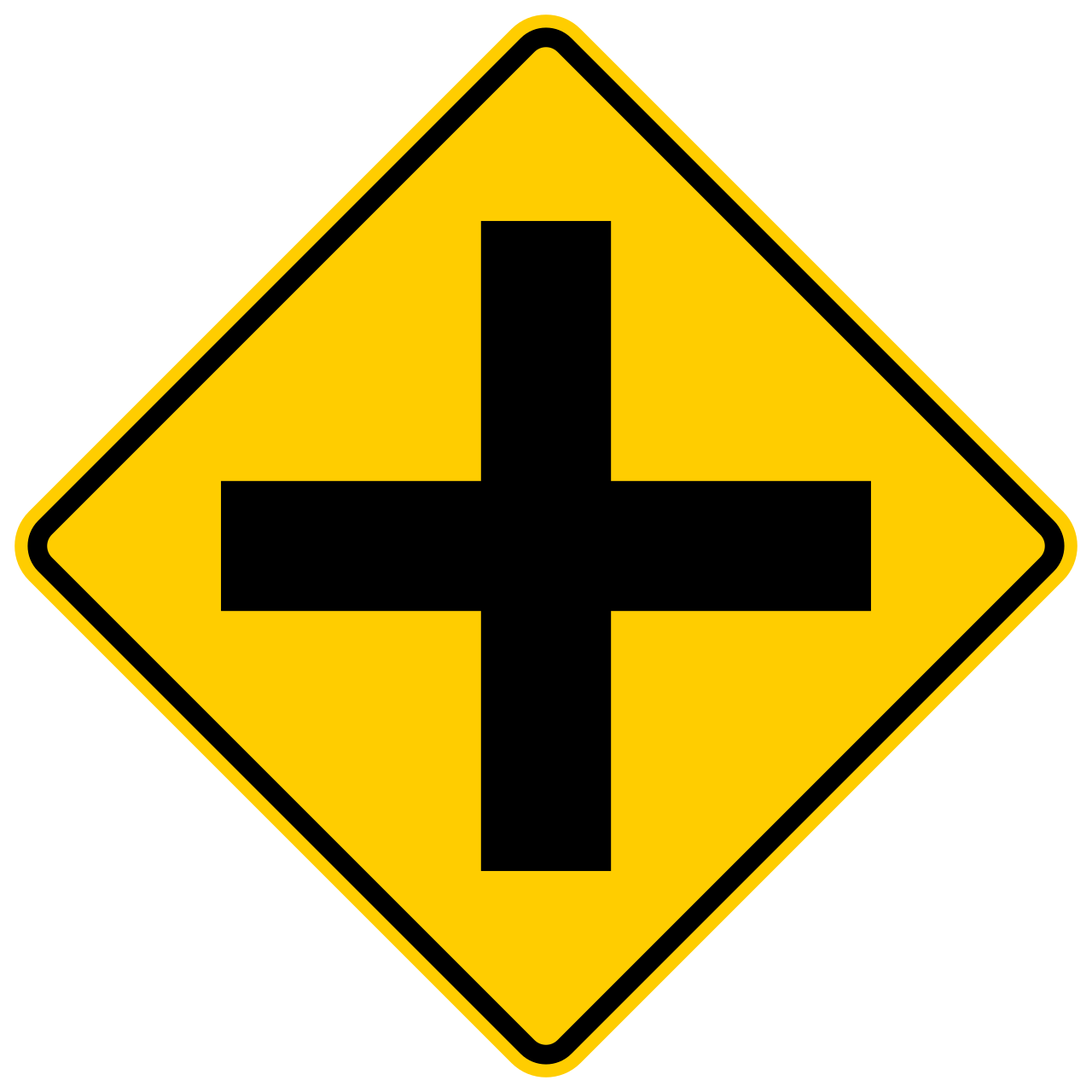 This road sign means:
A
Church ahead
B
Intersection ahead
C
Do not enter
D
Side road
No explanation available.
Question 5
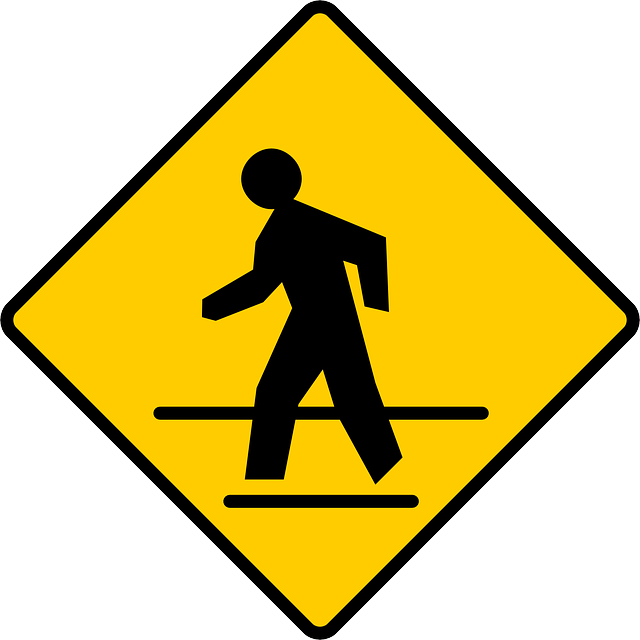 This road sign means:
A
School zone ahead
B
Pedestrians must not cross here
C
Pedestrian crossing ahead
No explanation available.
Question 6
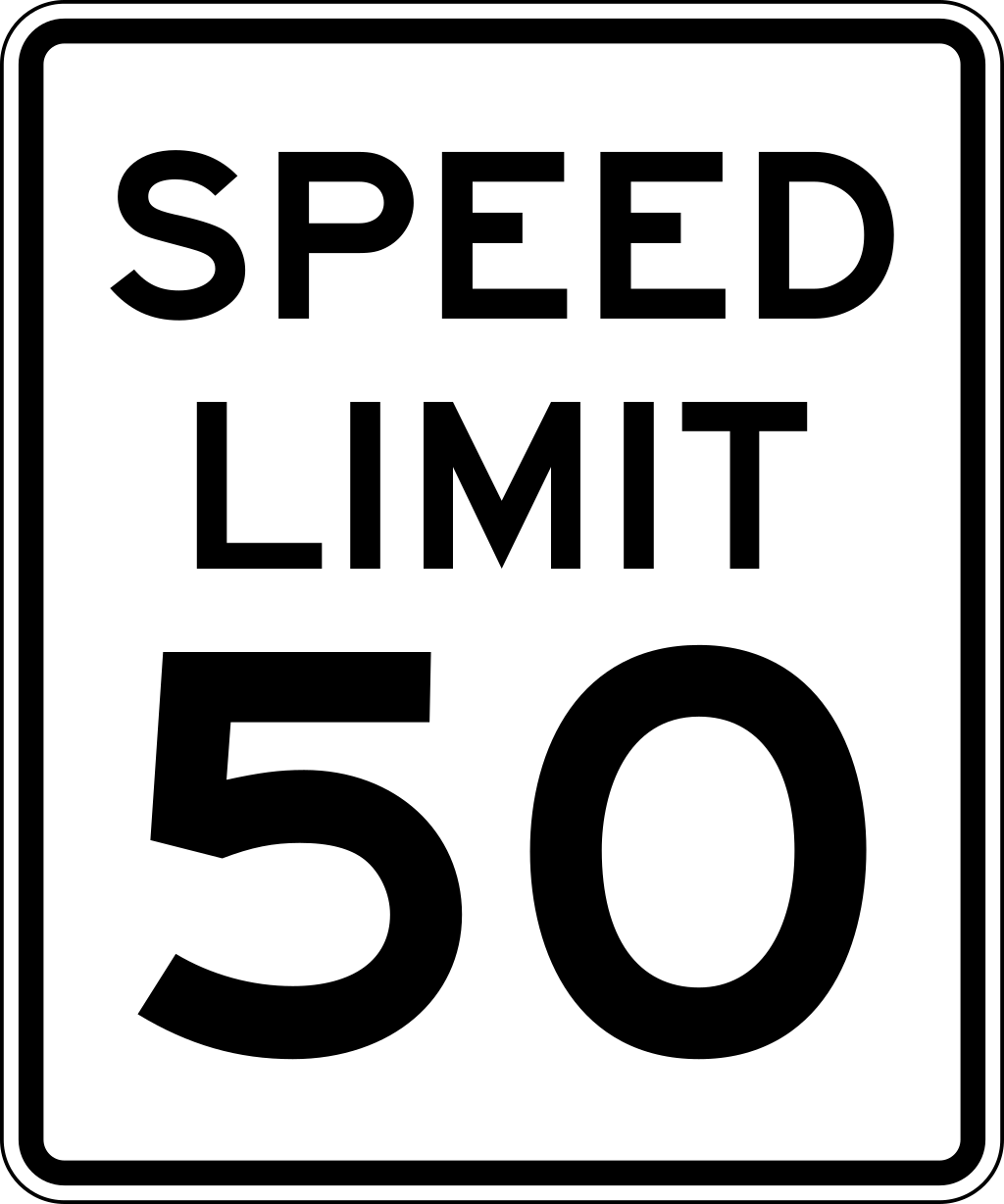 This sign indicates the _______________ vehicles can safely travel in this area.
A
suggested speed
B
maximum speed
C
minimum speed
No explanation available.
Question 7
 This sign warns drivers of:
A
low clearance.
B
a narrow bridge ahead.
C
a low place in the road.
No explanation available.
Question 8
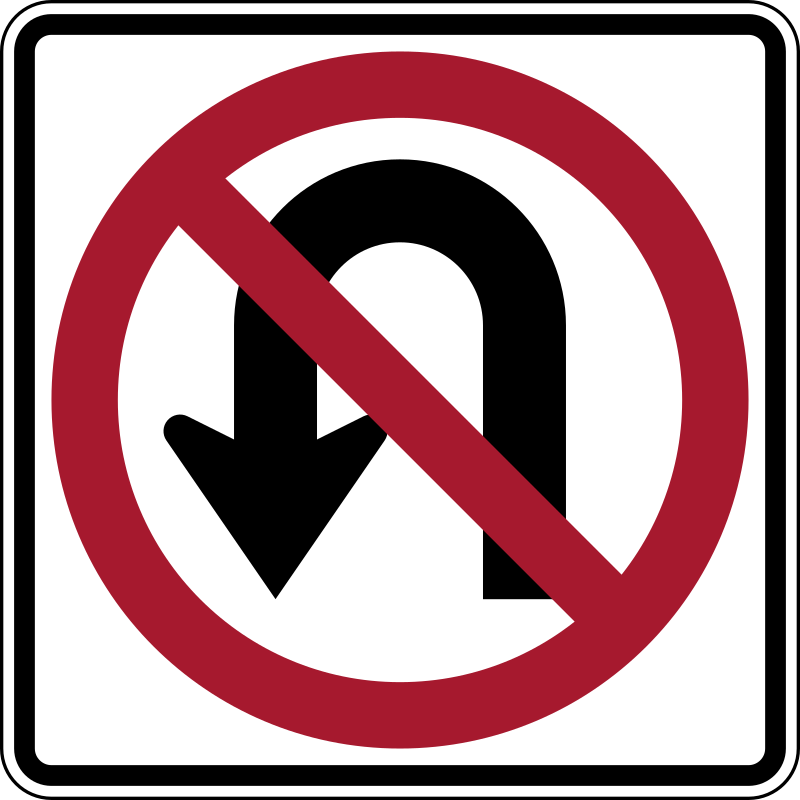 This road sign means:
A
No left turn
B
No U-turn
C
Detour ahead
No explanation available.
Question 9
 When they see a yellow X signal, drivers should:
A
come to a complete stop at the marked stop line.
B
turn off the ignition.
C
prepare to leave the lane safely.
No explanation available.
Question 10
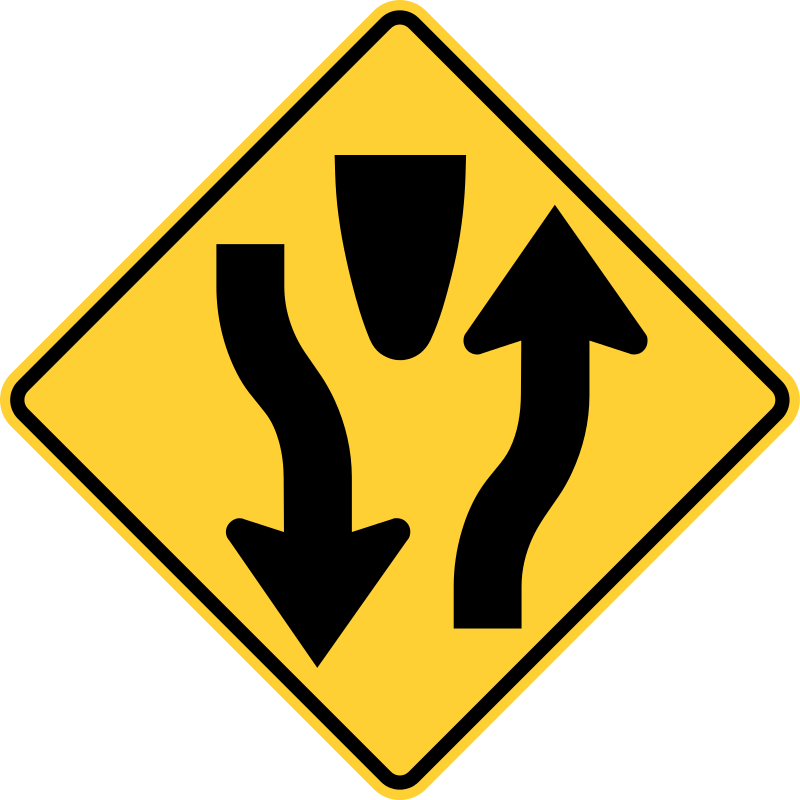 This sign means:
A
The highway ahead is divided into two one-way roadways.
B
Roundabout ahead. Slow down.
C
The divided highway on which drivers are traveling ends ahead.
No explanation available.
Question 11
 This sign means:
A
Reversible lane ahead.
B
The divided highway ends ahead.
C
Drivers are coming to a point where another traffic lane joins the one they are on.
No explanation available.
Question 12
 This road sign means:
A
School zone ahead
B
Keep right
C
Two-way Traffic
No explanation available.
Question 13
A driver who approaches an intersection:
A
must yield the right-of-way to traffic already in the intersection.
B
must drive straight through the intersection, even if another vehicle is already in the intersection.
C
has the right-of-way over traffic already in the intersection.
No explanation available.
Question 14
It is important for drivers to know that trucks:
A
are easier for the driver to operate.
B
require more space for turning movements.
C
take longer than cars to stop.
D
require less time to pass on an incline than cars.
No explanation available.
Question 15
Examples of proper glass maintenance include:
A
Replacing worn wiper blades.
B
Keeping your windows clean and clear.
C
All of the above.
No explanation available.
Question 16
When driving in travel lanes on the roadway:
A
you may make a U-turn if you get on the wrong entrance ramp of the freeway.
B
you may stop to let out passengers.
C
do not stop for any reason, keep moving until you can safely pull off the road.
D
you may make back up quickly if there are no vehicles behind.
No explanation available.
Question 17
When you make a left turn from a one-way road into a two-way road, you must:
A
enter the two-way road to the left of its center line.
B
make a U-turn into the two-way road.
C
enter the two-way road to the right of its center line.
No explanation available.
Question 18
To drive defensively, you must:
A
anticipate errors by other drivers.
B
assume that a driver who approaches a STOP sign on a side road is actually going to stop.
C
not check behind you through your mirrors.
No explanation available.
Question 19
To drive defensively, you must:
A
avoid scanning the road ahead.
B
keep one hand on the steering wheel.
C
keep your eyes moving.
No explanation available.
Question 20
What should you do when an aggressive driver confronts you?
A
Avoid eye contact with the aggressive driver.
B
Make eye contact.
C
Challenge the aggressive driver with increased speed.
No explanation available.
Question 21
Which of the following is a defensive driving skill/technique?
A
Maintain the correct speed.
B
Do not drive if you are very weary.
C
All of the above.
No explanation available.
Question 22
While inside the roundabout, you should:
A
remain in your lane until you are ready to exit.
B
change lanes before you check for vehicles behind you.
C
use your left turn signal if you are in position to exit now.
No explanation available.
Question 23
If the entrance lane is too short to allow acceleration to expressway speed, you should:
A
stop and wait for a large space in traffic.
B
enter the expressway and accelerate quickly.
C
reduce your speed to 15 MPH or less and blend with traffic.
No explanation available.
Question 24
What is the first thing you should do if your wheels move off the pavement?
A
Pull the steering wheel back.
B
Pull over to the right and sound your horn to warn the other drivers.
C
Ease your foot off the gas pedal and brake gently.
No explanation available.
Question 25
Alcohol:
A
makes drivers more prone to take chances.
B
increases reaction time.
C
All of the above.
No explanation available.
Question 26
After parking, are you allowed to open a door on the road side of your vehicle?
A
Yes, always.
B
Yes, but only if it does not interfere with bicyclists and other traffic.
C
No, never.
No explanation available.
Question 27
Parking is not allowed:
A
in an intersection, unless permitted by signs.
B
within 300 feet of a pedestrian safety area.
C
on public roads
No explanation available.
Question 28
You want to turn left at an intersection ahead. A car reaches the intersection from the opposite direction and moves straight ahead. You:
A
can turn left. You have the right of way.
B
must wait for the car to go through before you turn.
C
may not enter the intersection to prepare for your left turn if the light is green.
No explanation available.
Question 29
When an aggressive driver confronts you, you should:
A
Try to move away safely.
B
Remain calm and relaxed.
C
All of the above.
No explanation available.
Question 30
Parking is not allowed:
A
on the road side of a parked vehicle.
B
in a tunnel.
C
All of the above.
No explanation available.
Question 31
If you begin to feel drowsy while driving, you should:
A
open your window.
B
get some coffee.
C
get an energy drink.
D
stop driving.
No explanation available.
Question 32
If your driver license is suspended by the point system, it may be taken for ______ for the first suspension.
A
3 months
B
15 days
C
60 days
D
180 days
No explanation available.
Question 33
At a stop sign there is no stop line, you must stop:
A
before you enter the intersection.
B
before you enter the crosswalk.
C
after you enter the crosswalk.
No explanation available.
Question 34
A steady yellow light at an intersection means:
A
Proceed with caution through the intersection
B
Slow down and be prepared to stop
C
Immediately come to a complete stop
D
Yield to other vehicles
No explanation available.
Question 35
If you remain in the back blind spot of a large vehicle:
A
you increase the chance of a crash.
B
the large vehicle will take much longer to stop.
C
you can reduce fuel consumption.
No explanation available.
Question 36
A steady yellow light means that a ______ light will soon appear.
A
steady green
B
steady red
C
flashing yellow
D
flashing green
No explanation available.
Question 37
If a bus has signaled and is pulling back onto the roadway, you must:
A
yield.
B
honk to let them know you’re there.
C
move to the left lane.
D
speed up to pass.
No explanation available.