 drivequiz.com
 Question 1
For better visibility during rain, fog or snow, use:
A
high beam headlights.
B
emergency flashers.
C
low beam headlights.
D
daytime lights.
No explanation available.
Question 2
Drivers who drive while intoxicated or impaired by drugs and cause the death of a child less than 16 years of age in the vehicle may be charged with a class B felony, punishable by up to ________ in State prison.
A
50 years
B
10 years
C
2 years
D
25 years
No explanation available.
Question 3
What does it mean If an oncoming driver flashes headlights at you during a period of low visibility?
A
Your headlights are too bright. You should turn them off.
B
Your vehicle was difficult to see. You should turn on your headlights.
C
Your headlights are too bright. You should use parking lights instead.
No explanation available.
Question 4
As you drive on the expressway, make sure:
A
you cut off vehicles behind you when you change lanes.
B
to signal all lane changes.
C
your directional signal goes off before you change lanes.
No explanation available.
Question 5
If the entrance lane is too short to allow acceleration to expressway speed, you should:
A
stop and wait for a large space in traffic.
B
enter the expressway and accelerate quickly.
C
reduce your speed to 15 MPH or less and blend with traffic.
No explanation available.
Question 6
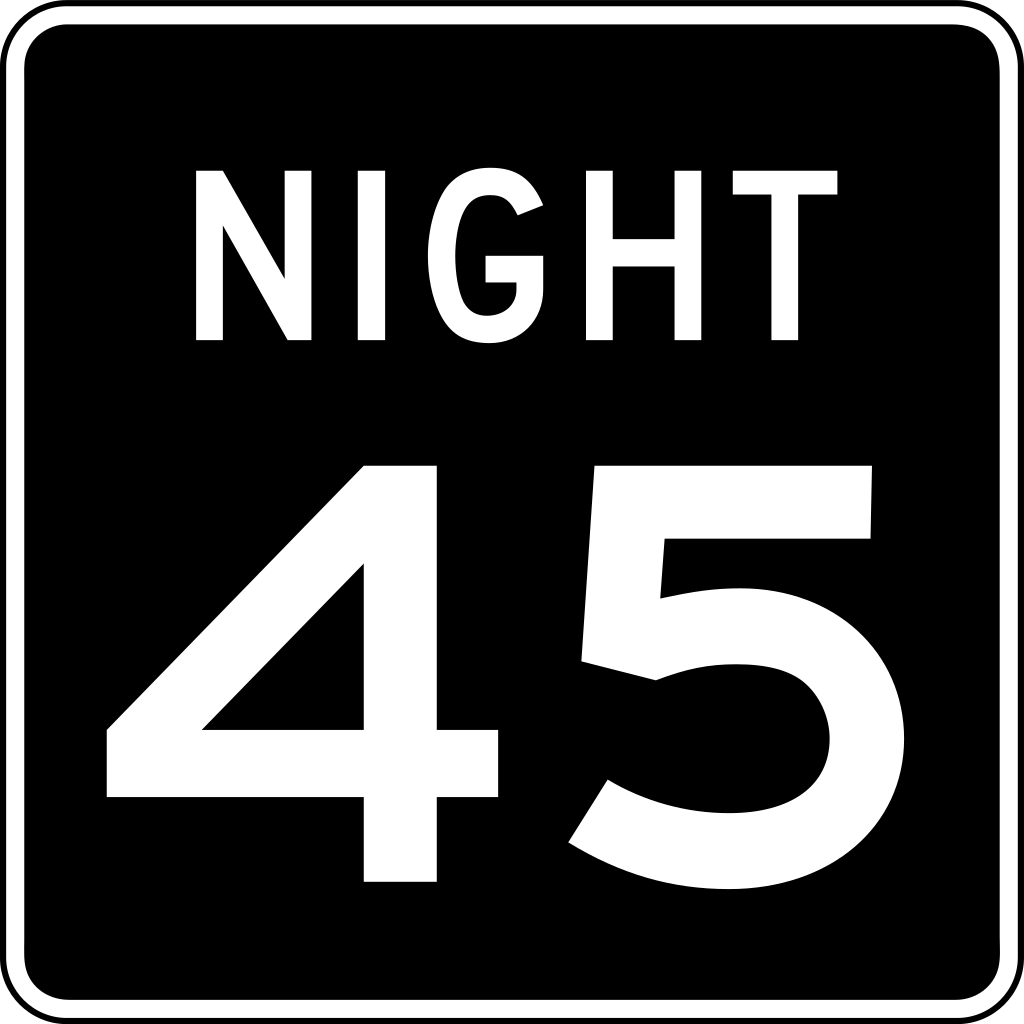 This sign means:
A
Take route 45 if you are driving at night.
B
The night-time speed limit is 45 MPH.
C
The minimum speed limit is 45 MPH.
No explanation available.
Question 7
The traffic light is green and you want to drive straight through an intersection. If a car is already in the intersection and is making a turn, you must:
A
enter the intersection and then stop.
B
drive through the intersection. You have the right-of-way.
C
let that car complete its turn before you enter the intersection.
No explanation available.
Question 8
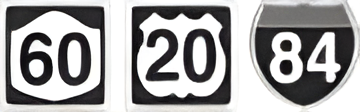 These are:
A
route signs.
B
miles-left signs.
C
speed limit signs.
No explanation available.
Question 9
In New York State, leaving the scene of an incident that involves a fatality or personal injury is:
A
a criminal violation.
B
permitted only if you were not directly involved in the crash.
C
a traffic violation.
D
permitted only if you did not cause the crash.
No explanation available.
Question 10
 What does this ‘DIP’ sign indicate?
A
Downgrade ahead. Drivers should go slowly.
B
Police DIPartment ahead.
C
There is a Drive-In Parking ahead.
D
There is a low place in the road.
No explanation available.
Question 11
When you perform rescue breathing, you should:
A
look for the victim's chest to rise.
B
give one breath every fifteen seconds.
C
never press the victim’s nostrils together.
D
not stop rescue-breathing, even if the victim can breath.
No explanation available.
Question 12
You are entering a roadway from a private road, and you need to turn left. You have to yield to:
A
vehicles from the right.
B
vehicles from the left.
C
vehicles from both directions.
No explanation available.
Question 13
If you get on a wrong expressway exit, you must:
A
get off at the next exit and look for signs that tell you how to return to the expressway.
B
use the the exit ramp to accelerate to expressway speed and blend with traffic.
C
drive in reverse to return to the expressway.
No explanation available.
Question 14
What should you do if your headlights suddenly go out?
A
Brake immediately and activate your emergency lights.
B
Use your emergency lights, parking lights or directional signals.
C
Ease your foot off the gas pedal and brake gently.
No explanation available.
Question 15
What is the average total stopping distance of a tractor+trailer with hot brakes?
A
193 feet
B
683 feet
C
243 feet
D
430 feet
No explanation available.
Question 16
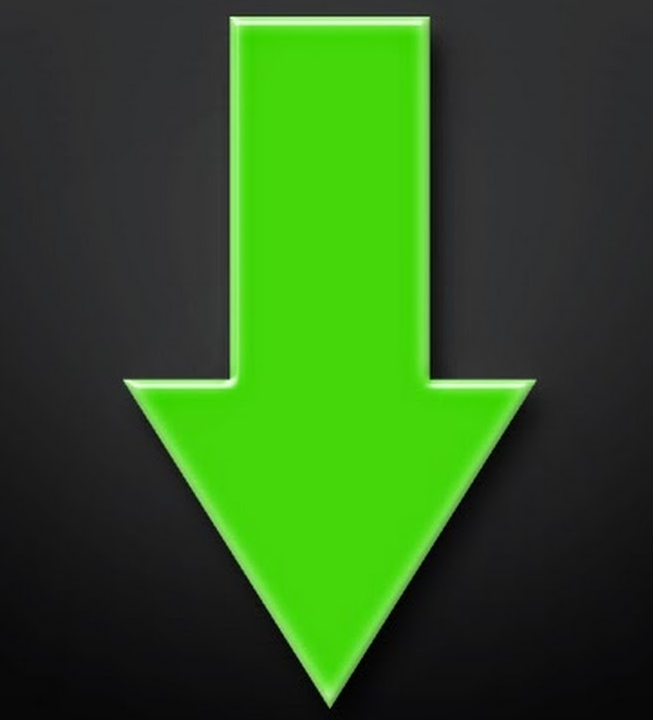 Vehicles may travel in lanes beneath the green arrow signal, but drivers must:
A
never change lane.
B
prepare to leave the lane safely.
C
also obey all other signs and signals.
D
turn left if they can.
No explanation available.
Question 17
When you make a left turn from a two-way road into a four-lane highway, you must:
A
enter the left lane, to the right of the center line.
B
enter the right lane, to the left of the center line.
C
go straight through the intersection, and then make the turn.
No explanation available.
Question 18
If you see a “lane closed ahead” sign you should:
A
make a U-turn. You are on the wrong side of the road.
B
merge into the correct lane when it is safe.
C
speed to the end of the closed lane and try to get into the other lane.
No explanation available.
Question 19
Arrows on the roadway:
A
show which lanes you must use.
B
indicate reserved lanes.
C
indicate HOV lanes.
No explanation available.
Question 20
If cars approaching from opposite directions reach an intersection at the same time:
A
a car that moves straight must yield to cars that turn left.
B
a car that turns left must yield to cars that move straight or turn right.
C
a car that turns right must yield to cars that move straight or turn left.
No explanation available.