 drivequiz.com
 Question 1
When the traffic light is green, but traffic is blocking the intersection, drivers should:
A
enter the intersection and wait for traffic to clear.
B
not enter the intersection until they can get completely across.
C
honk their horn to establish their right-of-way.
No explanation available.
Question 2
If your car becomes disabled on a highway, you should:
A
stop in the right lane.
B
park with all four wheels off the highway, if possible.
C
stop where you are.
No explanation available.
Question 3
What is the purpose of minimum speed limits?
A
To keep a smooth traffic flow.
B
To halt the traffic flow.
C
To allow emergency vehicles with red flashing lights to safely pass other vehicles.
No explanation available.
Question 4
Drivers should adjust their rearview and side mirrors:
A
whenever they need to use them.
B
before they get into the car.
C
before they start driving.
No explanation available.
Question 5
 This sign means:
A
Railroad crossing
B
No Passing Zone
C
The road ends ahead
No explanation available.
Question 6
What do warning signs mean?
A
Danger ahead.
B
Drivers are approaching a location where there is a special rule.
C
All of the above.
No explanation available.
Question 7
What should you do if your headlights suddenly go out?
A
Brake immediately and activate your emergency lights.
B
Use your emergency lights, parking lights or directional signals.
C
Ease your foot off the gas pedal and brake gently.
No explanation available.
Question 8
 The yield sign means:
A
Drive with caution in wet weather.
B
You must come to a complete stop.
C
Slow down and give vehicles crossing your path the right-of-way.
No explanation available.
Question 9
A red flashing signal means the same as a:
A
stop sign.
B
yield sign.
C
caution sign.
D
red light.
No explanation available.
Question 10
Drivers should always be looking:
A
at the left lane.
B
beside, ahead and to the rear of the vehicle.
C
directly in front of the car.
No explanation available.
Question 11
Select the most effective safety restraint(s) in a traffic crash.
A
Lap and shoulder belt only
B
Air bag only
C
Pumping brakes.
D
A combination of lap/shoulder belt and air bag.
No explanation available.
Question 12
Drivers can not pass a vehicle on the left if:
A
they approach the top of a hill on a two-way road and can not see over it.
B
they can not safely return to the right lane before they reach a solid yellow center line for the right lane.
C
All of the above.
No explanation available.
Question 13
To avoid the risk of being involved in an alcohol-related crash, you should:
A
decide before you start drinking that you are not going to drive.
B
say 'No, thanks' if someone offers you alcohol.
C
call a taxi if you've been drinking.
D
All of the above.
No explanation available.
Question 14
Drivers who eat and drink while driving:
A
have no driving errors.
B
may have trouble controlling their vehicles.
C
must yield the right-of-way.
D
tend to be more aggressive.
No explanation available.
Question 15
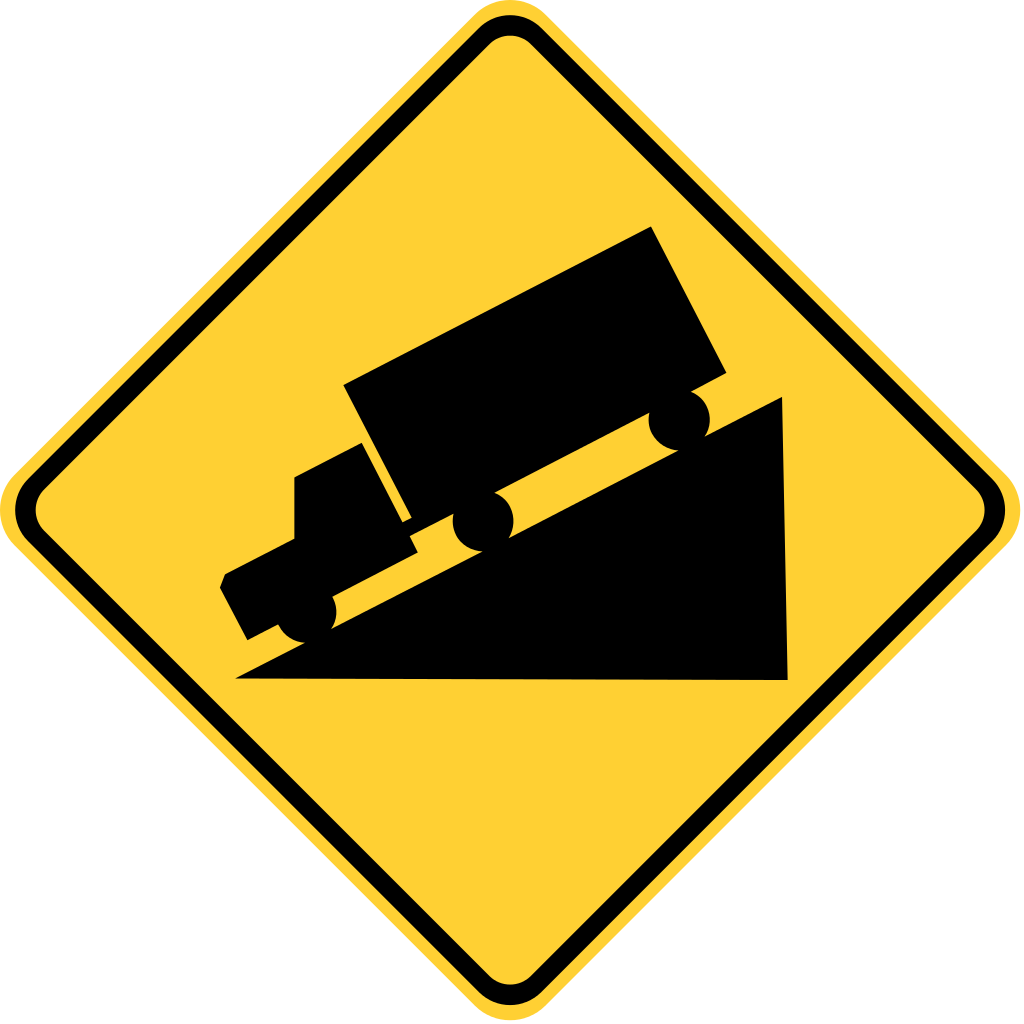 This road sign means:
A
Merging traffic
B
Steep grade ahead
C
Intersection ahead
No explanation available.
Question 16
Blind spots are:
A
Dangerous intersection where the maximum speed limit is 15 MPH or less.
B
At night, the darkest areas of a road, where emergency flashers should be used.
C
Areas to the side or rear of a vehicle that the driver cannot see with use of mirrors.
No explanation available.
Question 17
When a school bus is stopped with its red lights flashing:
A
drivers only need to stop if children are present.
B
drivers don't need to stop unless they are in a school zone.
C
drivers may not pass while the red lights are flashing.
D
you never need to stop.
No explanation available.
Question 18
 This yellow sign means:
A
Lane ends ahead
B
Undivided highway ahead
C
Merging traffic ahead
No explanation available.
Question 19
You are driving in the far right lane of a four lane freeway and notice broken white lines on the left side of your lane. You are driving:
A
on the entrance ramp.
B
in a special lane for slow moving vehicles.
C
in an exit lane.
No explanation available.
Question 20
Pedestrians at intersections have the right-of-way over vehicles.
A
true
B
false
No explanation available.
Question 21
You are stopped at a stop sign and you are going to go straight through the intersection. A car on the cross road has stopped at a stop sign on your right and is going to go straight. Who has the right-of-way?
A
Whoever enters the intersection first.
B
You.
C
The car on your right.
No explanation available.
Question 22
A solid yellow line next to a broken yellow line means that vehicles:
A
next to the solid line may pass.
B
in both directions may pass.
C
next to the broken line may pass.
No explanation available.
Question 23
What should you do when an aggressive driver confronts you?
A
Avoid eye contact with the aggressive driver.
B
Make eye contact.
C
Challenge the aggressive driver with increased speed.
No explanation available.
Question 24
It is unlawful to:
A
pass within 250 feet of any intersection.
B
exceed the posted speed limit when passing.
C
pass within 150 feet of any railroad crossing.
No explanation available.
Question 25
 A 4-way stop sign means:
A
The first vehicle to reach the intersection should move forward first.
B
Traffic from all four directions must stop.
C
There are four stop signs at the intersection.
D
All of the above.
No explanation available.