 drivequiz.com
 Question 1
Who has a greater risk of being involved in a traffic crash?
A
Drivers who are driving alone.
B
Young people.
C
All of the above.
No explanation available.
Question 2
In heavy rain, tires can begin to ride on the water that is on top of the road pavement. This is called:
A
rideplaning.
B
hydroplaning.
C
pavement-planing.
D
waterplaning.
No explanation available.
Question 3
On slippery roads, drivers should:
A
slow down.
B
increase their speed to avoid hydroplaning.
C
not drive faster than 25 MPH.
D
go faster.
No explanation available.
Question 4
What does a red arrow on a traffic light mean?
A
You may proceed slowly through the intersection.
B
You must stop and then proceed when the way is clear.
C
You may turn in the direction of the arrow.
D
You must stop. Do not go in the direction of the arrow until a green light or arrow light goes on.
No explanation available.
Question 5
You go with a group of friends to a social event, and you plan to have a few drinks. You should:
A
make alcohol the focus of the event.
B
avoid alternating between drinks with alcohol and drinks without any alcohol.
C
arrange to ride home with a friend who does not drink.
No explanation available.
Question 6
When following a motorcycle, drivers do not need to allow as much distance as when following a car.
A
True
B
False
No explanation available.
Question 7
If another vehicle passes you on the left, you must:
A
increase your speed slightly and keep to the right.
B
decrease your speed, then pull over to the right and stop.
C
decrease your speed slightly and keep to the right.
No explanation available.
Question 8
Drivers may pass another vehicle if the line dividing two lanes is a ________ line.
A
broken white
B
double solid yellow
C
solid yellow
D
solid white
No explanation available.
Question 9
Drivers under 21 years of age are considered to be driving under the influence if their blood alcohol concentration (BAC) is:
A
.10% or higher.
B
.05% or higher.
C
.08% or higher.
D
.02% or higher.
No explanation available.
Question 10
You can pass on the right:
A
when a vehicle ahead makes a right turn.
B
when a vehicle ahead makes a left turn.
C
when a vehicle that is approaching from the opposite direction is prepared to turn left.
No explanation available.
Question 11
A yellow arrow used to control turns from a specific traffic lane:
A
is never used as a traffic signal.
B
is warning the traffic a green arrow is about to be shown.
C
means the same as a circular yellow light for the lane of traffic indicated by the arrow.
D
means that you may go in the direction indicated by the arrow.
No explanation available.
Question 12
When you reach an intersection with a stop sign, you should:
A
follow the vehicle ahead of you.
B
stop, look right, then left, then right again.
C
stop, look left, then right, then left again.
D
check your rearview mirror, look left, then right, then proceed.
No explanation available.
Question 13
When driving through a construction zone, drivers should:
A
come to a complete stop and watch for a flagger.
B
proceed carefully.
C
decrease their following distance.
No explanation available.
Question 14
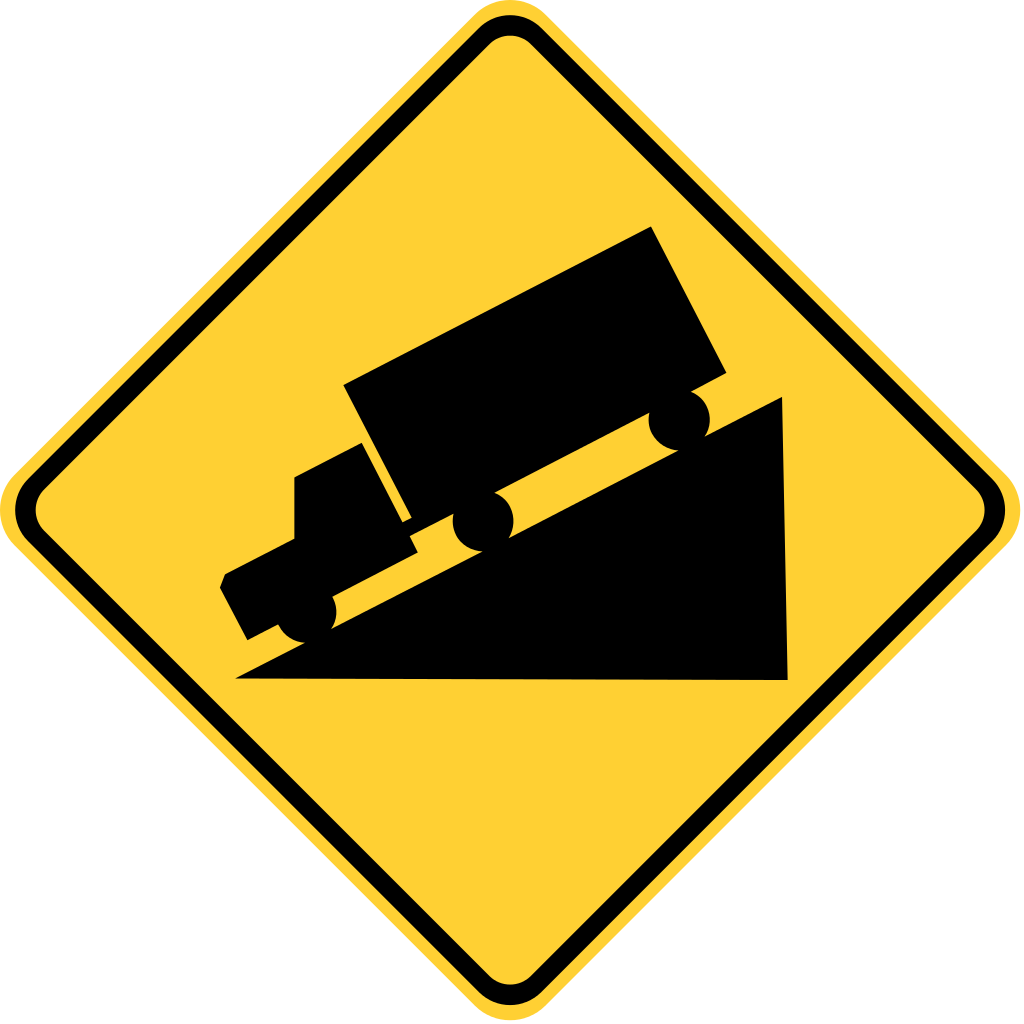 This road sign means:
A
Truck stop ahead
B
No trucks allowed
C
Hill or downgrade up ahead
No explanation available.
Question 15
To avoid glare from headlights of an approaching car:
A
stay focused on the center line on the road.
B
don't look directly into the oncoming headlights, look toward the right edge of your lane.
C
flash your high beams.
No explanation available.
Question 16
Driving under the influence of any medication which impairs your driving ability is permitted:
A
under no circumstances.
B
if it is prescribed by a physician.
C
if you dont feel drowsy.
No explanation available.
Question 17
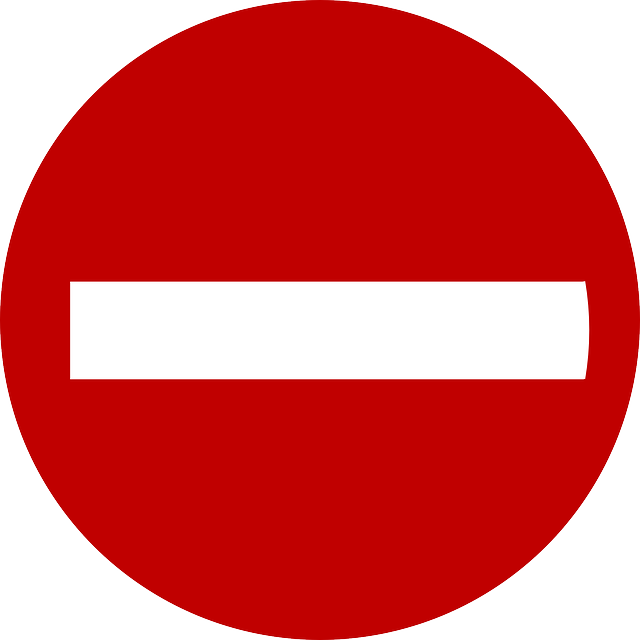 This road sign means:
A
No left turn
B
Lane ends
C
Do not enter
No explanation available.
Question 18
When driving in bad weather, drivers should:
A
decrease the following distance.
B
increase their speed to get to their destination more quickly.
C
increase the following distance.
D
None of the above.
No explanation available.
Question 19
When you need to enter a freeway exit ramp:
A
don't slow down on the freeway itself. Wait until you are in the deceleration lane.
B
pass slower vehicles on the right.
C
slow down before entering the exit ramp.
D
don't slow down on the freeway itself, and maintain your speed once in the exit ramp.
No explanation available.
Question 20
___________ are the most frequent fatality in work zone crashes.
A
Motorcyclists
B
Construction workers
C
Drivers and their passengers
D
Bicyclists
No explanation available.
Question 21
 This road sign means:
A
No Passing Zone
B
Railroad Warning
C
One-way street ahead
D
Two way left turn
No explanation available.
Question 22
Regulation signs normally are:
A
white triangles.
B
green rectangles.
C
white rectangles.
No explanation available.
Question 23
A vehicle that enters a road from a driveway:
A
has the right-of-way.
B
must yield to traffic approaching from the right, while it has the right-of-way over vehicles approaching from the left.
C
must stop and yield the right-of-way to traffic on the roadway and to pedestrians.
No explanation available.
Question 24
Drivers can not pass a vehicle on the left if:
A
they approach the top of a hill on a two-way road and can not see over it.
B
they can not safely return to the right lane before they reach a solid yellow center line for the right lane.
C
All of the above.
No explanation available.
Question 25
 This sign indicates:
A
Winding road
B
Merging traffic
C
Divided highway ends
No explanation available.