 drivequiz.com
 Question 1
What is the first thing you should do if your wheels move off the pavement?
A
Pull the steering wheel back.
B
Pull over to the right and sound your horn to warn the other drivers.
C
Ease your foot off the gas pedal and brake gently.
No explanation available.
Question 2
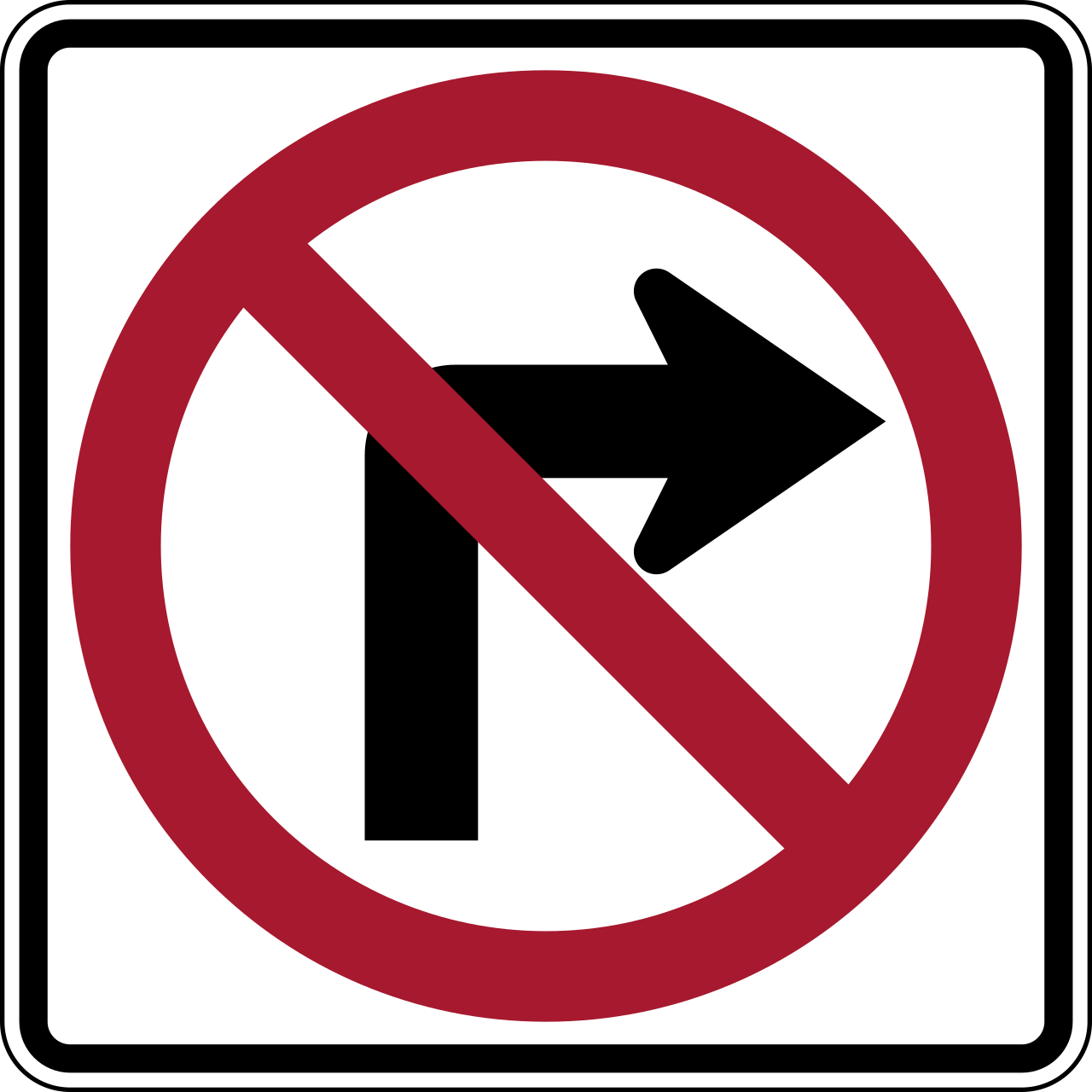 This road sign means:
A
No left turn
B
No right turn
C
No U-turns
No explanation available.
Question 3
Drowsy drivers:
A
are typically older drivers.
B
are at risk of being involved in a crash.
C
should drink coffee to stay awake.
D
can stay awake by opening a window.
No explanation available.
Question 4
Before crossing any railroad tracks, you must:
A
look and listen for trains.
B
make sure there is room for your vehicle on the other side.
C
All of the above.
No explanation available.
Question 5
 This road sign means:
A
No parking
B
Yield
C
No left turn
D
Divided highway
No explanation available.
Question 6
When a stop is required at an intersection with no stop line or crosswalk:
A
Drivers should stop only at a place where the driver can see at least 100 feet on either side.
B
Drivers are required to slow down to make sure crossing traffic is clear.
C
Drivers are not required to stop.
D
Drivers should stop at the point nearest the intersecting roadway where the driver has a view of approaching traffic on the intersecting roadway before actually entering the roadway.
No explanation available.
Question 7
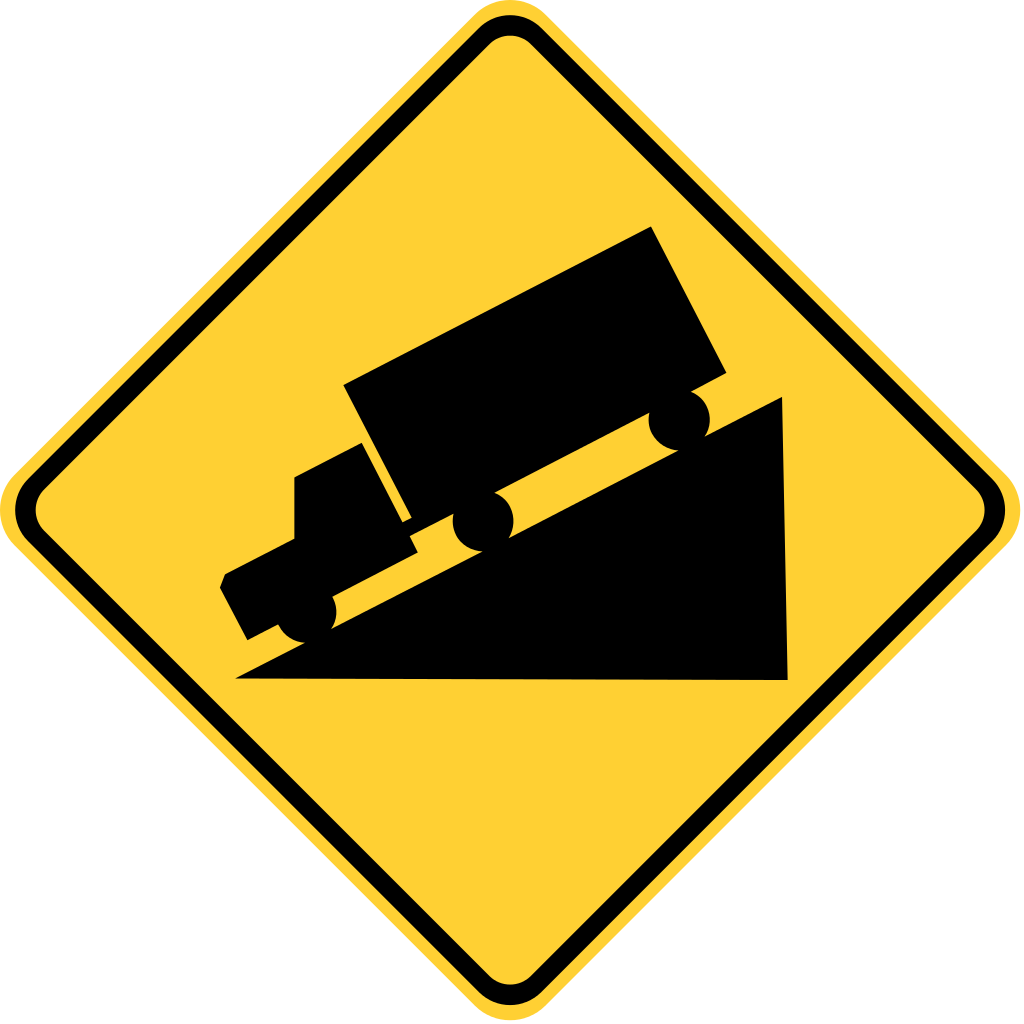 This road sign means:
A
Do not pass trucks
B
Truck must back up
C
Steep downgrade ahead
No explanation available.
Question 8
When driving in icy or snowy conditions, to avoid crashes drivers should:
A
get off the highway as quickly as possible.
B
reduce speed and increase following distance.
C
add extra weight to the vehicle to improve traction.
D
engage 4 wheel drive on the vehicle.
No explanation available.
Question 9
How can you prevent fatigue on a long trip?
A
Plan to drive long trips with a companion.
B
Get enough sleep.
C
All of the above.
No explanation available.
Question 10
A red traffic signal light means that you must:
A
when there is no stop line, stop before entering any crosswalk.
B
stop at the stop line.
C
where there is no stop line or crosswalk, stop before entering the intersection.
D
All of the above.
No explanation available.
Question 11
When driving on wet roads, you should remember:
A
driving on wet roads can cause hydroplaning.
B
you should give yourself additional time to stop.
C
to stay farther behind the vehicle ahead of you.
D
All of the above.
No explanation available.
Question 12
 This sign means:
A
The road will curve to the right.
B
Left turns are not allowed at the intersection.
C
Do not turn right.
No explanation available.
Question 13
What is the most important rule to remember in any emergency?
A
Do not panic.
B
Run away.
C
Call the police.
No explanation available.
Question 14
A large vehicle is backing up to unload goods. You should:
A
enter one of the blind spots and wait.
B
try to pass close behind.
C
be patient and wait until the large vehicle has completed its backup maneuver.
No explanation available.
Question 15
When driving through a curve, you should:
A
speed up as you enter, slow down as you exit.
B
stay near the right of your lane.
C
maintain constant speed.
D
slow as you enter, speed up as you exit.
No explanation available.
Question 16
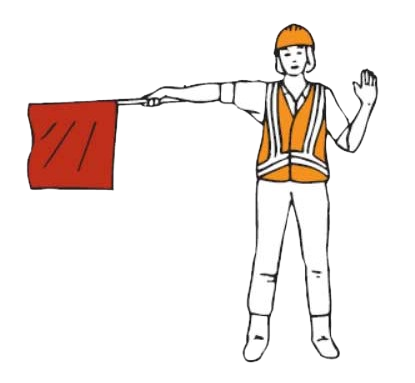 This signal means:
A
Stop
B
Move to the left
C
Slow down
D
Proceed
No explanation available.
Question 17
 The sign in the picture:
A
is a Construction and Maintenance Traffic Control sign.
B
is found at most intersections and indicates that drivers must yield to other vehicles.
C
is displayed on the rear of slow moving vehicles.
No explanation available.
Question 18
 This sign means:
A
divided highway ahead.
B
narrow bridge ahead.
C
road construction.
D
lane ends, merge left.
No explanation available.
Question 19
A yellow arrow means:
A
Do not go in the direction of the arrow.
B
If you intend to turn in the direction of the arrow, be prepared to stop.
C
The same as a steady yellow light.
No explanation available.
Question 20
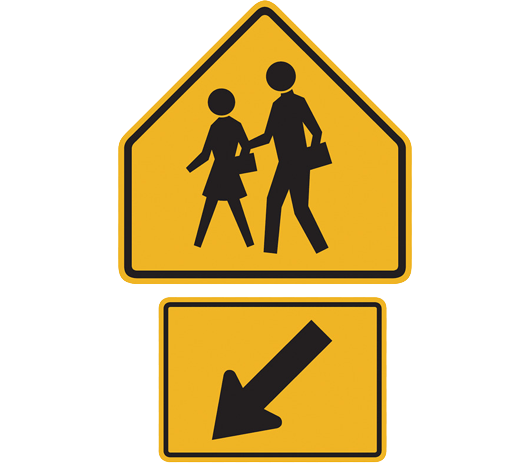 At a school crossing, drivers should:
A
always stop, whether there’s a stop sign or not.
B
always sound their horn and stay alert.
C
watch for children and be ready to stop.
No explanation available.
Question 21
Destination signs are ______ with ____ letters and symbols.
A
green; white
B
blue; white
C
white; black
No explanation available.
Question 22
To reduce their chances of colliding with an animal, drivers should:
A
scan the sides of the road to watch for the reflection of vehicle headlights in the eyes of animals.
B
look well down the road and far off to each side.
C
All of the above.
No explanation available.
Question 23
Drinking alcohol while taking drugs:
A
reduces the effects of the alcohol.
B
reduces the effects of the drug or medicine.
C
has no effect, they are different substances.
D
could multiply the effects of the alcohol.
No explanation available.
Question 24
When driving on slick roads, drivers should:
A
accelerate quickly.
B
take turns more slowly.
C
use alternate routes.
D
drive as they would on dry roads.
No explanation available.
Question 25
The minimum drinking age in this State is ____ years.
A
20
B
21
C
9
D
18
No explanation available.
Question 26
You can reduce the chance of a collision with a large vehicle if you:
A
delay near it.
B
cut abruptly in front of it.
C
pay close attention to the turn signals.
No explanation available.
Question 27
Your first response to reduced visibility should be:
A
to look for road edge markings to guide you.
B
to turn on your windshield wipers.
C
to reduce your speed.
D
to turn on your headlights.
No explanation available.
Question 28
From top to bottom, traffic lights are:
A
green, red and yellow.
B
green, yellow and red.
C
red, yellow and green.
No explanation available.
Question 29
 This road sign means:
A
All traffic must turn right
B
Two one-way roads merge ahead
C
A side road enters ahead
D
No right turn
No explanation available.
Question 30
Regulation signs normally are ____ rectangles with ____ letters or symbols.
A
yellow; black
B
white; black
C
green; white
No explanation available.
Question 31
When an approaching driver at night blinds you by failing to dim their high beams, you should look:
A
straight down the middle of the road.
B
towards the left side of the road.
C
None of the other answers is correct.
D
towards the right side of the road.
No explanation available.
Question 32
A vehicle that enters a road from a driveway:
A
has the right-of-way.
B
must yield to traffic approaching from the right, while it has the right-of-way over vehicles approaching from the left.
C
must stop and yield the right-of-way to traffic on the roadway and to pedestrians.
No explanation available.
Question 33
Drivers can proceed through an intersection with a stop sign, but no stop line or crosswalk:
A
after slowing down to at least 15 MPH before proceeding.
B
after coming to a complete stop, when it is safe to proceed.
C
after stopping at least 50 feet prior to the intersection.
D
after slowing down to ensure there is no cross-traffic.
No explanation available.
Question 34
The yield sign is ___ and white, with ___ letters.
A
yellow; black
B
red; red
C
red; white
No explanation available.
Question 35
On a road with two or more lanes in the same direction, you approach an emergency vehicle that is stopped with its warning lights on. You must:
A
slow down. If possible, change lanes.
B
pass the emergency vehicle as quickly as possible.
C
drive to the right side of the road and stop.
D
maintain your current speed and stay in your lane.
No explanation available.
Question 36
To avoid becoming an aggressive driver, you should:
A
Adjust your schedule to drive during times with the most highway traffic.
B
Allow enough travel time to reach your destination on schedule.
C
Listen to heavy metal music.
No explanation available.
Question 37
 A pedestrian in the crosswalk when the 'DON’T WALK' signal begins flashing must:
A
stop immediately.
B
go back and wait the “WALK” light
C
finish crossing the street.
No explanation available.
Question 38
When driving on a wet road:
A
as you drive faster, your tires may lose traction.
B
you must be aware that the pavement gets even more slippery when it's been raining for long periods of time.
C
you should follow the vehicle ahead of you more closely.
D
as you decrease your speed, the road becomes more slippery.
No explanation available.
Question 39
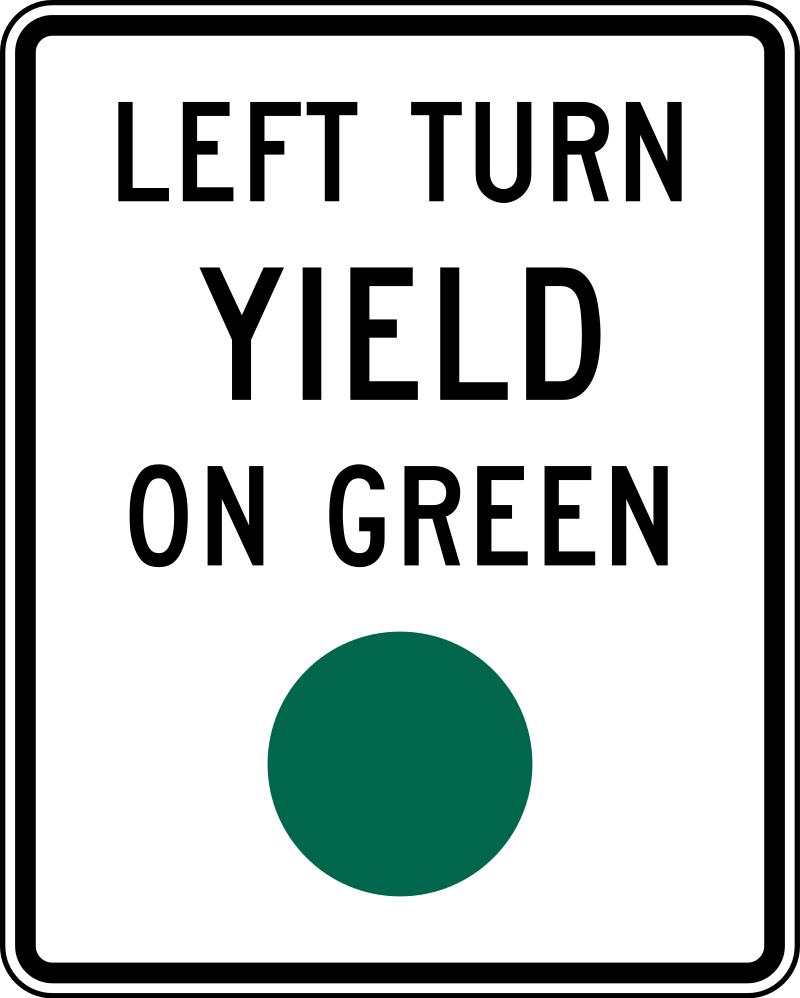 This white sign means you:
A
may turn left on a green light when it is safe to do so.
B
may turn left only on a green arrow.
C
must wait for the solid green light before you turn left.
No explanation available.
Question 40
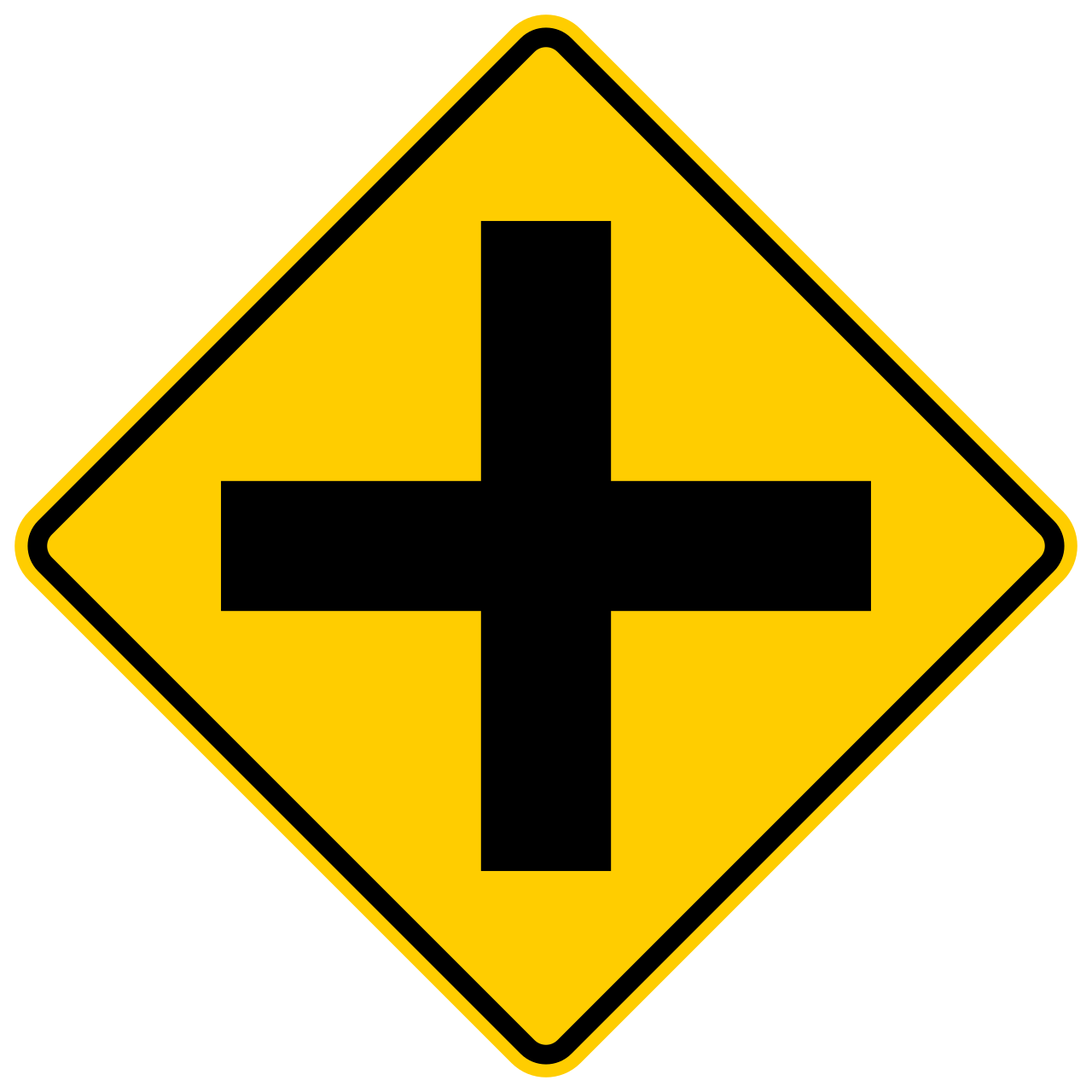 This road sign means:
A
Crossroad
B
Hospital parking ahead
C
Merge
No explanation available.