 drivequiz.com
 Question 1
When parking uphill on a road with a curb, turn the front wheels:
A
towards the curb.
B
parallel to the curb.
C
straight ahead.
D
away from the curb.
No explanation available.
Question 2
At night, it is hardest to see:
A
street lights.
B
pedestrians.
C
other motorists.
D
road signs.
No explanation available.
Question 3
Service signs are ____ with ____ letters and symbols.
A
blue; white
B
white; black
C
green; white
No explanation available.
Question 4
When other drivers around you are acting in anger, you should:
A
slow down or move over safely.
B
distance yourself from the situation.
C
avoid making eye contact.
D
All of the above.
No explanation available.
Question 5
When there is a _______ at an intersection, you should come to a complete stop, yield to cross traffic/pedestrians, and then proceed when clear.
A
a solid green light
B
a solid red light
C
a flashing red light
D
a flashing yellow light
No explanation available.
Question 6
Broken white lines can be crossed over:
A
when it is safe to change lanes.
B
only when passing another car.
C
at any time.
D
only in passing zones.
No explanation available.
Question 7
When changing lanes, you should not:
A
signal your intentions early.
B
check your side and rear view mirrors.
C
use the inside rearview mirror to check for blind spots
D
check to see if other drivers are moving into the same lane.
No explanation available.
Question 8
When the road is slippery, you should:
A
brake suddenly carefully.
B
pump your brakes.
C
press your brakes in slow, steady strokes.
No explanation available.
Question 9
When approaching someone using a white cane, you should proceed with caution because:
A
the pedestrian might be using a guide dog.
B
the pedestrian might be blind.
C
the pedestrian is deaf.
D
the pedestrian is blind.
No explanation available.
Question 10
__________ limit(s) your concentration, perception, judgment, and memory.
A
Even the smallest amount of alcohol
B
Only a blood alcohol level greater than .05
C
Alcohol does not
D
Only a blood alcohol level greater than the legal limit
No explanation available.
Question 11
If you begin to feel drowsy while driving, you should:
A
open your window.
B
get some coffee.
C
get an energy drink.
D
stop driving.
No explanation available.
Question 12
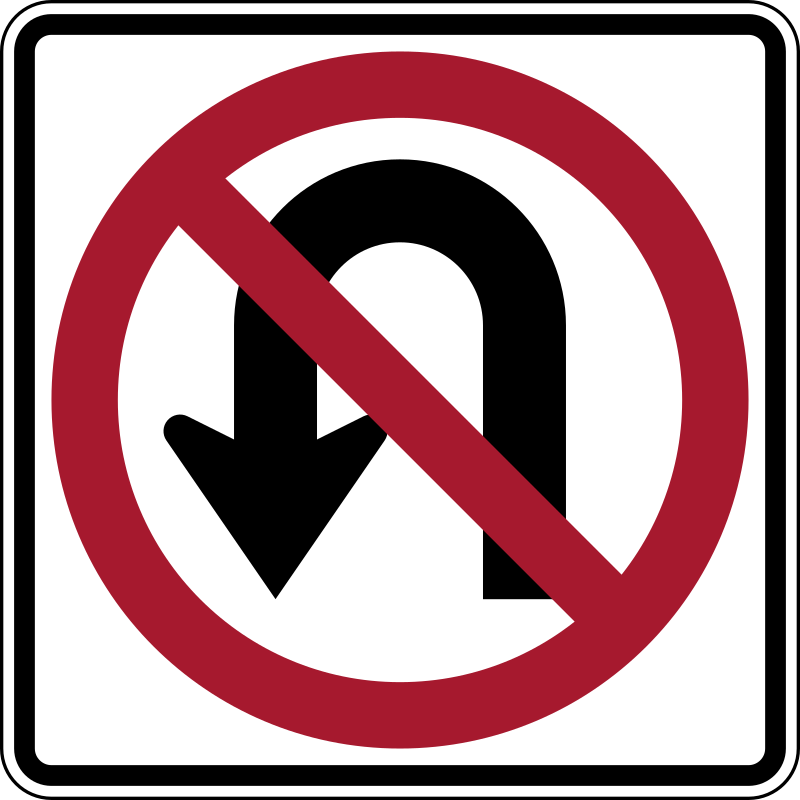 This road sign means:
A
No left turn
B
No U-turn
C
Detour ahead
No explanation available.
Question 13
If another vehicle is approaching you head-on in your lane, you should _______, sound your horn and brake.
A
steer right
B
None of the other answers is correct.
C
steer left
D
stay in the center of your lane
No explanation available.
Question 14
What should you do if your brakes fail?
A
Hook your shoe under the pedal and see if you can free it.
B
Turn on your cruise control.
C
Try pumping the brake pedal to increase pressure.
No explanation available.
Question 15
 This sign indicates that the road ahead:
A
turns sharply right, then left.
B
is a divided highway.
C
curves right, then left.
D
curves right.
No explanation available.
Question 16
The amount of space you need to cross traffic depends on the:
A
road and weather conditions and oncoming traffic.
B
number of cars behind you.
C
presence of a yield sign.
D
number of cars in front of you.
No explanation available.
Question 17
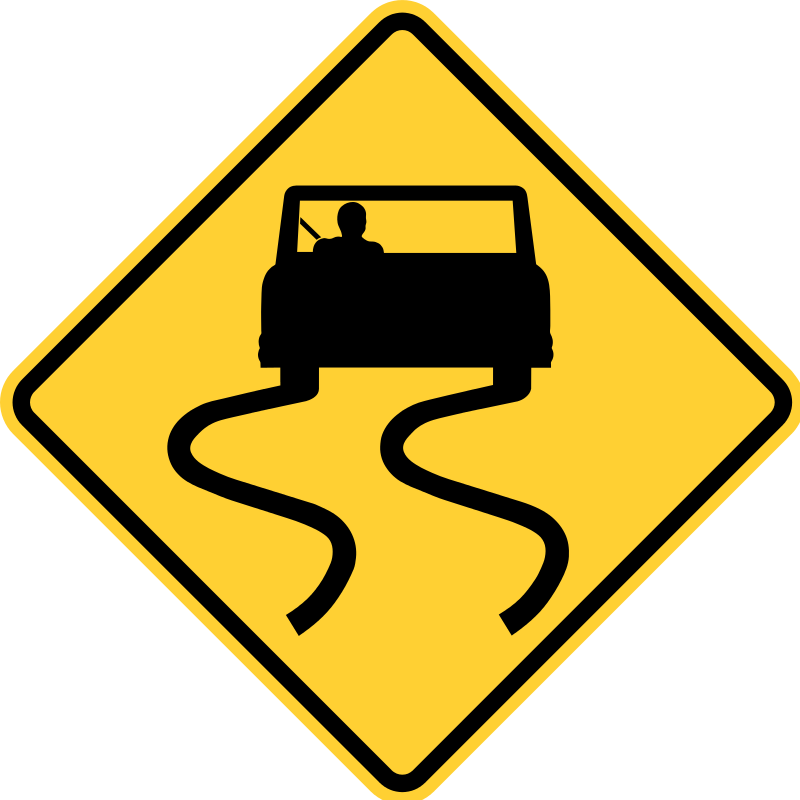 This road sign means:
A
Traffic increases ahead
B
Steep grade ahead
C
Winding road ahead
D
Slippery road ahead
No explanation available.
Question 18
 This road sign means:
A
Yield the right-of-way to oncoming vehicles
B
Stop if necessary
C
You must make a complete stop
D
Slow down or stop
No explanation available.
Question 19
 This sign warns that:
A
traffic must merge left.
B
the bridge ahead is wide enough for only one vehicle at a time.
C
traffic must merge right.
No explanation available.
Question 20
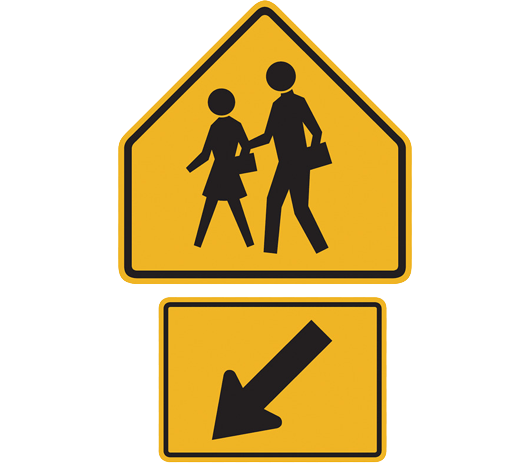 When you approach this sign, you must:
A
stop if necessary.
B
watch for workers crossing the road.
C
None of the above.
No explanation available.
Question 21
An orange-colored sign means:
A
Railroad crossing ahead
B
School zone ahead
C
Construction zone ahead
D
You must change lanes ahead
No explanation available.
Question 22
A green arrow used to control turns from a specific traffic lane:
A
means the same as a circular green light, but you must go only in the direction indicated by the arrow.
B
is used only on one-way streets.
C
provide directional and mileage information to specific destinations.
D
means that you may go only if the green arrow is accompanied by a green light.
No explanation available.
Question 23
The first sign drivers see when approaching a highway-rail intersection is usually:
A
a crossbuck sign.
B
an advance warning sign.
C
a speed limit sign.
No explanation available.
Question 24
A driver who approaches an intersection:
A
must yield the right-of-way to traffic already in the intersection.
B
must drive straight through the intersection, even if another vehicle is already in the intersection.
C
has the right-of-way over traffic already in the intersection.
No explanation available.
Question 25
A flashing red traffic light:
A
has the same meaning as a yield sign.
B
is used to indicate a pedestrian crossing.
C
has the same meaning as a stop sign.
D
indicates that you should drive with caution.
No explanation available.
Question 26
When you are in a line of traffic that is crossing a railroad track that has no signals or gates:
A
you may pass slower drivers crossing the track.
B
before you start to cross, you need to make sure there is space to get all the way across the tracks without stopping.
C
you have the right of way and do not need to check for trains.
D
All of the above.
No explanation available.
Question 27
A steady green light at intersections means:
A
You may drive through the intersection if the road is clear
B
You must increase your speed
C
You may not turn right
No explanation available.
Question 28
 This is the shape and color of a ________ sign.
A
yield
B
stop
C
do not enter
No explanation available.
Question 29
You may not park:
A
on a hill.
B
on a crosswalk or marked bicycle lane.
C
in a parking lot.
D
within 200 feet of an elementary school.
No explanation available.
Question 30
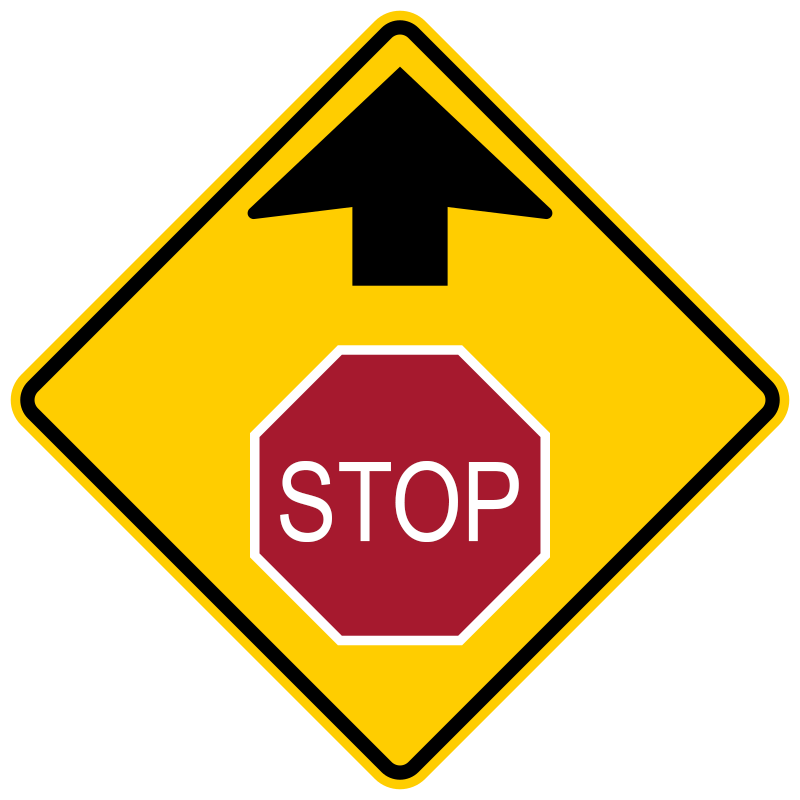 When drivers come to this sign, they must:
A
be ready to stop at the stop sign.
B
warn other drivers that a stop sign is ahead.
C
brake sharply and come to a complete stop.
No explanation available.
Question 31
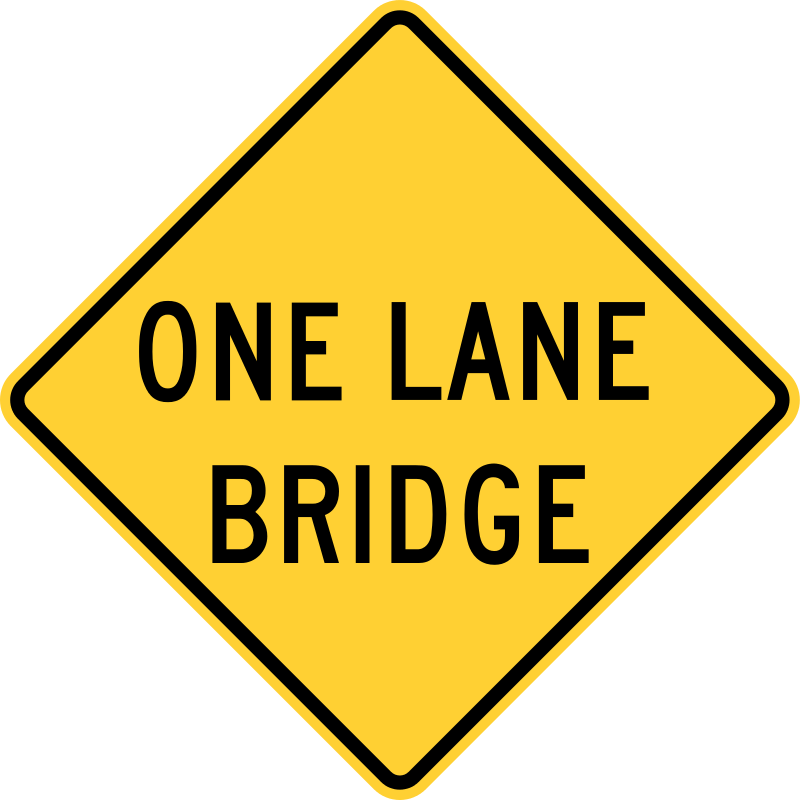 What should drivers do when they see this sign?
A
Make sure the bridge is clear of oncoming traffic before they cross.
B
Look to the left and right for other traffic.
C
Allow others to merge smoothly.
No explanation available.
Question 32
You should never depend on your mirrors when you prepare to change lanes. Why?
A
Mirrors leave “blind spots” behind both sides of vehicles.
B
Mirrors need to be adjusted.
C
Mirrors are useless.
No explanation available.
Question 33
 What does this road sign indicate?
A
Hospital service
B
Area reserved for people with disabilities
C
Interstate highway
No explanation available.
Question 34
Regulatory signs are:
A
Suggestions
B
Warnings
C
Law
No explanation available.
Question 35
On a green arrow, drivers must:
A
wait three seconds before proceeding.
B
yield to any vehicle, bicycle, or pedestrian in the intersection.
C
yield to pedestrians only in the intersection.
No explanation available.
Question 36
If you miss your exit from an interstate expressway, you should:
A
go to the next exit and come back to the exit you missed.
B
use the right turn signal, check your mirrors and move to the right.
C
pull over to the right and back up with caution until you reach the exit ramp.
D
make a quick U-turn from your lane of travel.
No explanation available.
Question 37
When approaching any intersection or driveway, drivers should:
A
look both ways and be ready to stop.
B
pass other vehicles and then stop.
C
drive at the fastest speed just before entering the intersection.
No explanation available.
Question 38
Which of the following is a common cause of a traffic collisions?
A
Following too closely.
B
Excessive speed for conditions.
C
Distracted driving.
D
All of the above.
No explanation available.
Question 39
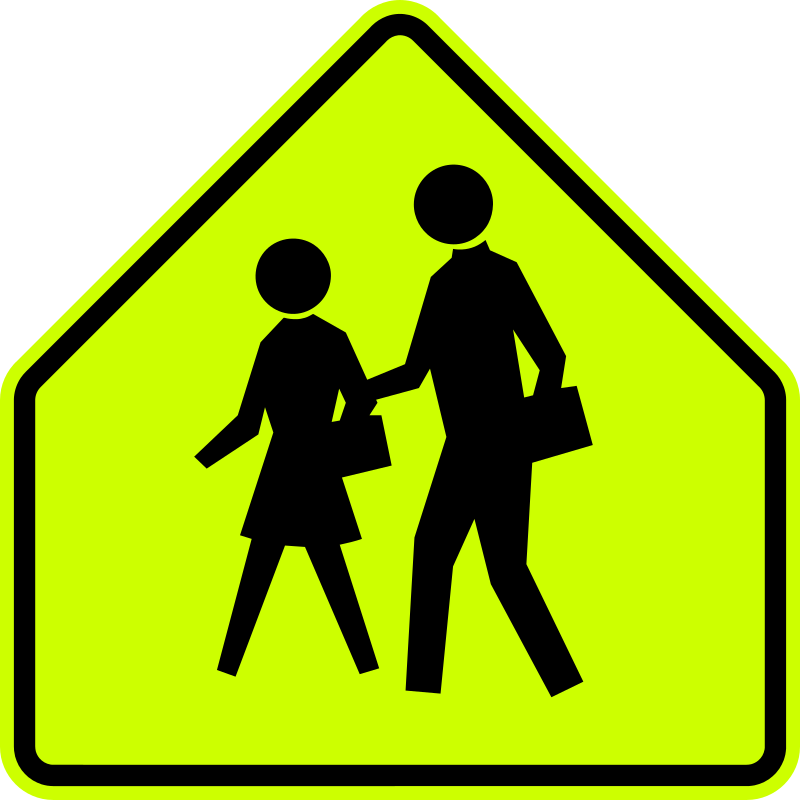 This warning sign means:
A
You are approaching a school
B
Watch out for children crossing the street
C
Slow down, drive with caution and watch for children
D
All of the above.
No explanation available.
Question 40
You are stopped at a stop sign and you are going to go straight through the intersection. A car on the cross road has stopped at a stop sign on your right and is going to go straight. Who has the right-of-way?
A
Whoever enters the intersection first.
B
You.
C
The car on your right.
No explanation available.