 drivequiz.com
 Question 1
Alcohol:
A
makes drivers more prone to take chances.
B
increases reaction time.
C
All of the above.
No explanation available.
Question 2
When parallel parking between two cars, you should first:
A
back slowly.
B
pull up even with the front car.
C
turn your wheels to the right.
D
turn your wheels to the left.
No explanation available.
Question 3
 This sign warns drivers of:
A
low clearance.
B
a narrow bridge ahead.
C
a low place in the road.
No explanation available.
Question 4
A driver should be extra alert for motorcyclists, bicycles and pedestrians. Why?
A
They obey specific traffic laws.
B
They always have the right-of-way.
C
They are hard to see in traffic.
D
They don’t have rearview mirrors.
No explanation available.
Question 5
 When you see this sign you should:
A
increase your speed and try to pass other vehicles.
B
slow your speed and be prepared to stop.
C
slow your speed and do not pass other vehicles.
No explanation available.
Question 6
If your front wheels start to skid, the first thing you should do is:
A
Take your foot off the gas pedal and shift to neutral.
B
Immediately turn in the direction you want to go.
C
Speed up, pump your brakes and steer in the direction the vehicle is trying to go.
No explanation available.
Question 7
Smoking while driving:
A
does not affect driving abilities.
B
is not distracting.
C
helps increase driver alertness.
D
is distracting.
No explanation available.
Question 8
 This road sign means:
A
Pavement ends
B
Winding road
C
Double curve ahead
No explanation available.
Question 9
Drivers may cross solid yellow lines:
A
at any time.
B
only to pass traffic moving in the same direction.
C
when making turns.
D
during daylight hours only.
No explanation available.
Question 10
When passing another vehicle:
A
pass the vehicle as safely and as quickly as possible.
B
honk your horn repeatedly to warn the other driver.
C
there is no need to signal.
D
you can exceed the posted speed limit.
No explanation available.
Question 11
 The picture shows:
A
a railroad advance warning sign.
B
a speeding fines doubled sign.
C
a reversible road sign.
No explanation available.
Question 12
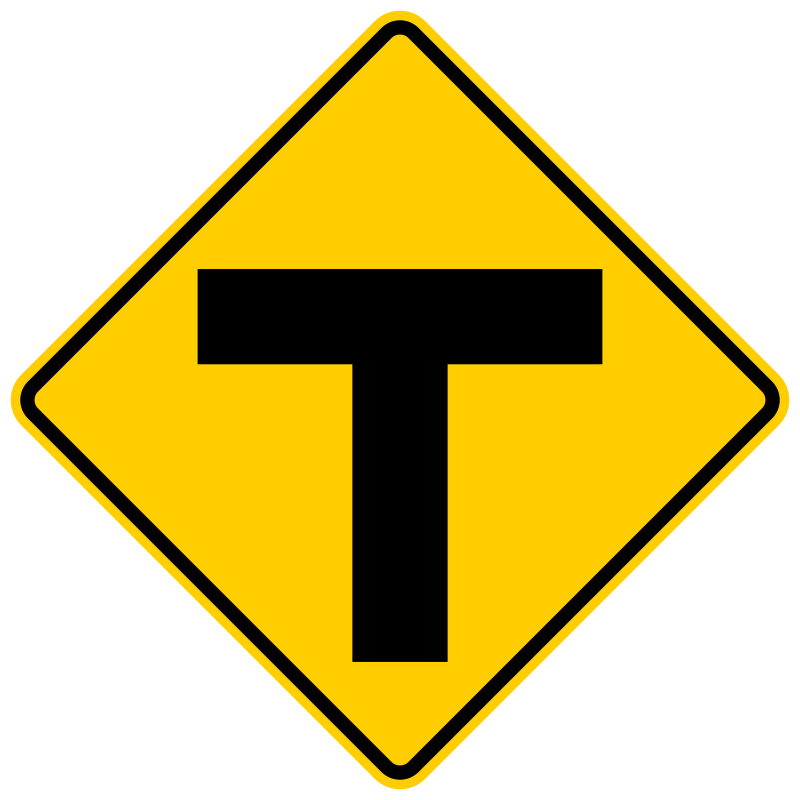 This road sign means:
A
Side road
B
T-intersection ahead
C
Keep right
D
Left lane must turn left
No explanation available.
Question 13
You may pass another vehicle:
A
when there is a solid yellow line on your side.
B
on a curve or a hill.
C
on the shoulder of the highway.
D
None of the above.
No explanation available.
Question 14
The best way to deal with tailgaters is to:
A
slow down to encourage the tailgater to pass.
B
pump your brakes to get them to back off.
C
ignore them completely.
D
speed up to increase the space between you and the tailgater.
No explanation available.
Question 15
The shape of a route sign tells you:
A
the type of route you are on.
B
the speed limit on that route.
C
that the route you are on might be dangerous.
No explanation available.
Question 16
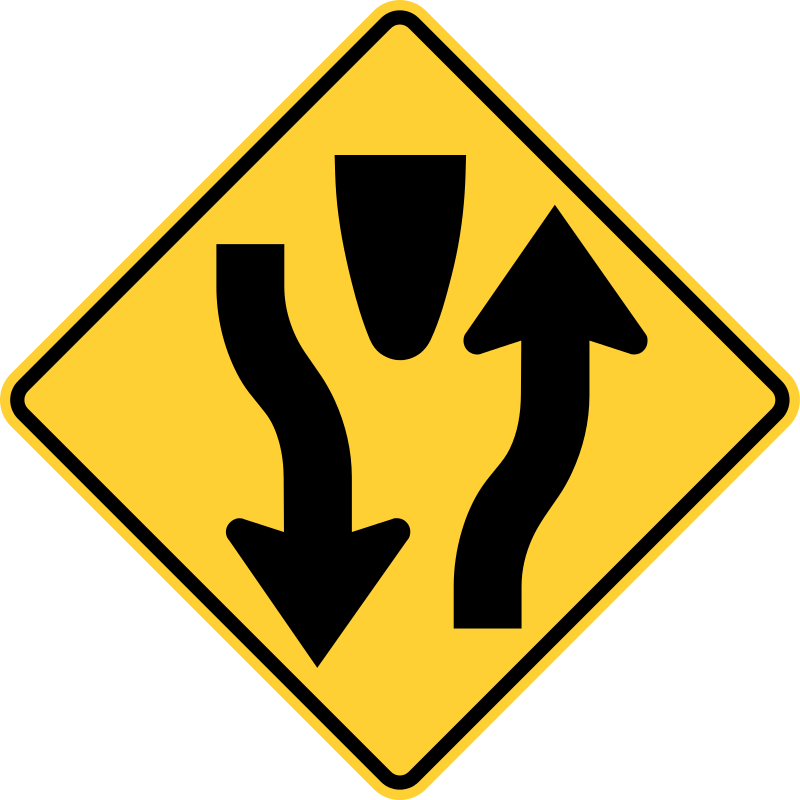 This road sign means:
A
Keep left
B
Divided highway begins
C
Lane ends
No explanation available.
Question 17
Which shape is a railroad advance warning sign?
A
Crossbuck
B
Round
C
Pentagon
No explanation available.
Question 18
When you prepare to make a left turn from a one-way road into a two-way road, you must:
A
enter the two-way road to the left of its center line.
B
approach the turn in the right lane or from the right side of a single lane.
C
approach the turn in the left lane or from the left side of a single lane.
No explanation available.
Question 19
If your car goes into water, you should:
A
wait for water to rush in and let it out in small breaths through your nose.
B
call the fire department immediately.
C
remove yourself before it starts to sink.
No explanation available.
Question 20
To avoid having to make an emergency stop while driving in traffic, drivers should:
A
drive in the right lane only.
B
look ahead and maintain a safe following distance.
C
sound their horn to warn other drivers.
D
drive slower than the flow of traffic.
No explanation available.
Question 21
A flashing red light means:
A
The same as a STOP sign.
B
The light will soon change to steady red.
C
Drive with caution.
No explanation available.
Question 22
Worn tires:
A
may cause you to hydroplane even with very little water on the road.
B
can increase your stopping distance.
C
can make turning more difficult.
D
All of the above.
No explanation available.
Question 23
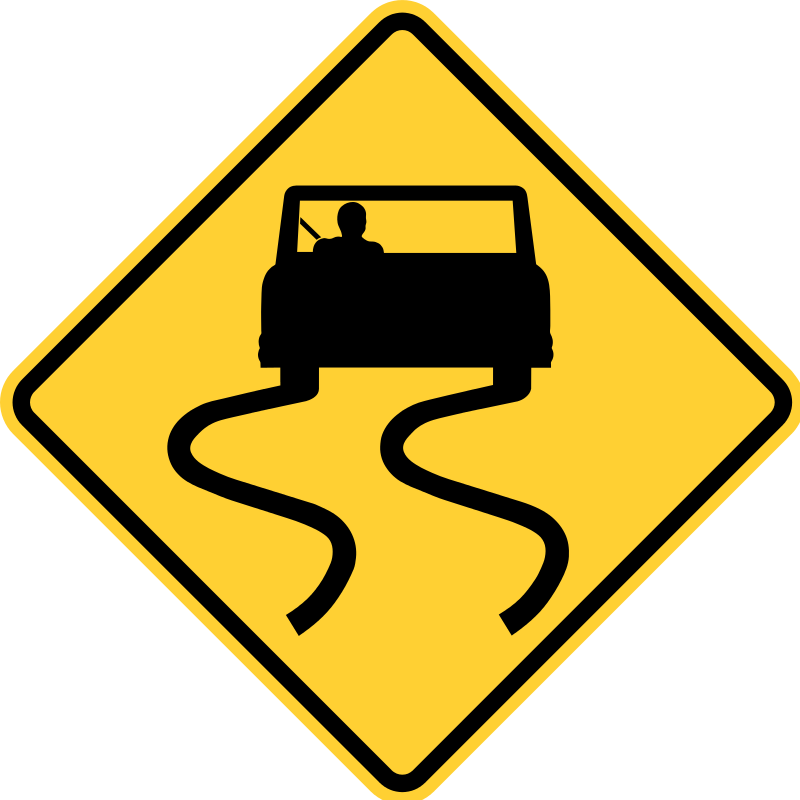 When they see this sign, drivers:
A
should be prepared to make sharp turns at a high speed.
B
need to be prepared to turn right and then left quickly.
C
should not speed up or brake quickly.
No explanation available.
Question 24
Traffic signs and pavement markings must be:
A
followed only when a police officer is present.
B
followed only when other vehicles are present.
C
used as a guide only.
D
always obeyed.
No explanation available.
Question 25
This road sign means:
A
Slow down, slippery when wet
B
Detour ahead
C
Road curves ahead
No explanation available.
Question 26
Tailgating:
A
cannot result in a traffic citation.
B
helps reduce traffic congestion.
C
is a defensive driving tecnique.
D
can frustrate other drivers and make them angry.
No explanation available.
Question 27
When you make a left turn from a one-way road into a one-way road, if the road you enter has two lanes, you:
A
must turn into its right lane.
B
can not turn left.
C
must turn into its left lane.
No explanation available.
Question 28
 What does this sign indicate?
A
The highway ahead is divided into two one-way roadways.
B
Winding road ahead. Drive with caution.
C
Drivers will soon be on a roadway with two-way traffic.
No explanation available.
Question 29
If you remain in the back blind spot of a large vehicle:
A
you increase the chance of a crash.
B
the large vehicle will take much longer to stop.
C
you can reduce fuel consumption.
No explanation available.
Question 30
A work zone:
A
is marked with black and white signs.
B
might involve vehicles and moving workers.
C
does not require that the driver slow down and pay extra attention.
D
All of the above.
No explanation available.
Question 31
When driving at night with no other vehicles ahead, a driver should use:
A
high beam lights.
B
low-beam lights.
C
parking lights.
No explanation available.
Question 32
When driving on major highways you should:
A
be ready to react to road hazards.
B
stay alert.
C
keep your eyes moving.
D
All of the above.
No explanation available.
Question 33
Which signs have black letters on a yellow or orange background?
A
Warning signs (diamond)
B
Regulatory signs (vertical rectangle)
C
Railroad advance warning signs (round)
No explanation available.
Question 34
When changing lanes, you should:
A
check your mirrors, signal and change lanes.
B
signal, change lanes and check your mirrors.
C
signal, check your mirrors and blind spot in the direction you plan to move, then change lanes.
D
signal and change lanes.
No explanation available.
Question 35
When are you allowed to drink alcoholic beverages in a vehicle on a public highway?
A
As long as you don’t drive.
B
Only if you ride in the back seat.
C
Only if you ride in the back of a pick-up truck.
D
Never.
No explanation available.
Question 36
If you see a “lane closed ahead” sign you should:
A
make a U-turn. You are on the wrong side of the road.
B
merge into the correct lane when it is safe.
C
speed to the end of the closed lane and try to get into the other lane.
No explanation available.
Question 37
When they see a crossbuck sign, drivers:
A
must slow down and wait for the red lights to flash.
B
must always come to a complete stop.
C
are legally required to yield the right of way to trains.
No explanation available.
Question 38
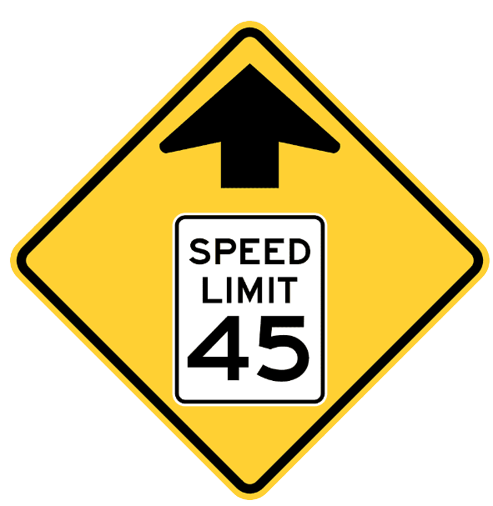 This warning sign:
A
provides advance notice to upcoming speed limit change.
B
shows the current speed limit that all vehicles traveling in the direction of the arrow must not exceed.
C
indicates the suggested highest safe speed.
No explanation available.
Question 39
indicates the suggested highest safe speed.
A
low beam headlights.
B
emergency flashers.
C
parking lights.
D
high beam headlights.
No explanation available.
Question 40
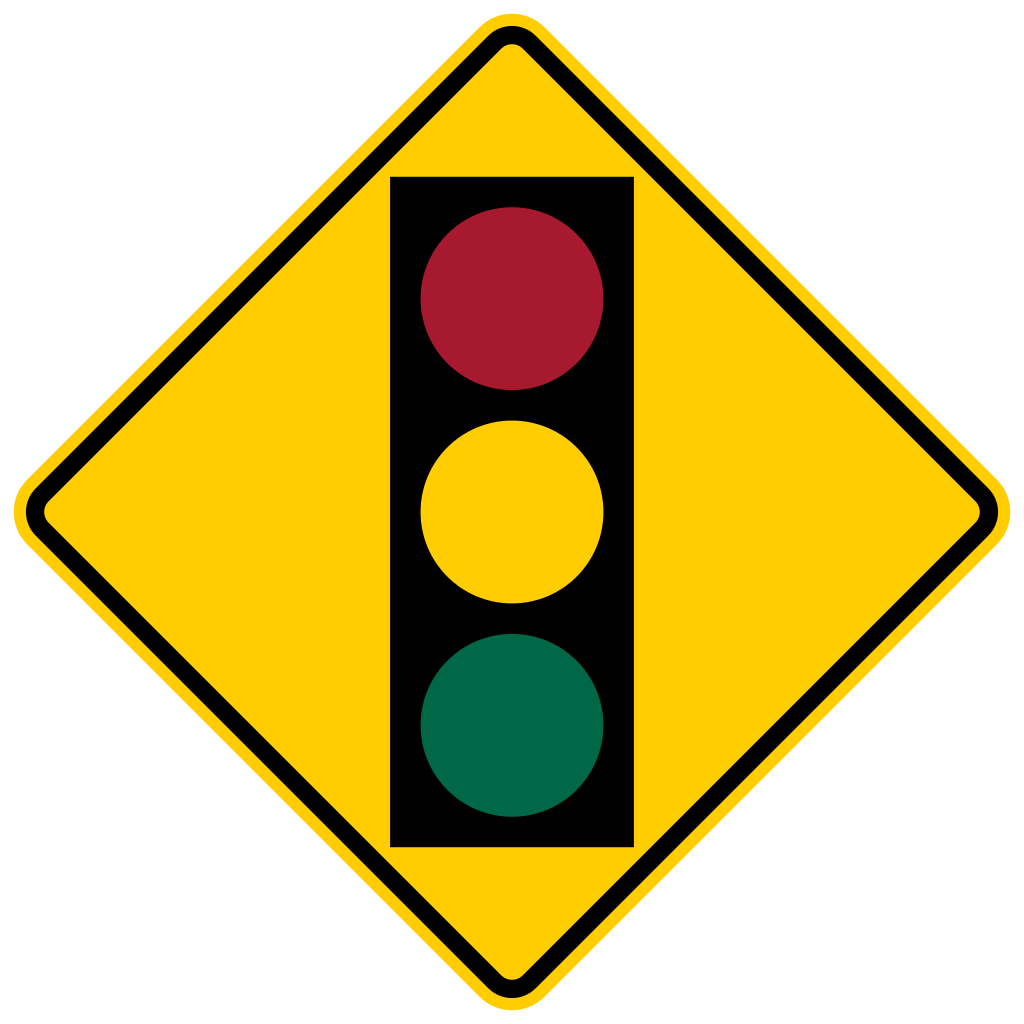 This sign means:
A
You must yield the right-of-way ahead
B
Traffic signals ahead
C
You must stop ahead
D
Speeding is not allowed
No explanation available.