 drivequiz.com
 Question 1
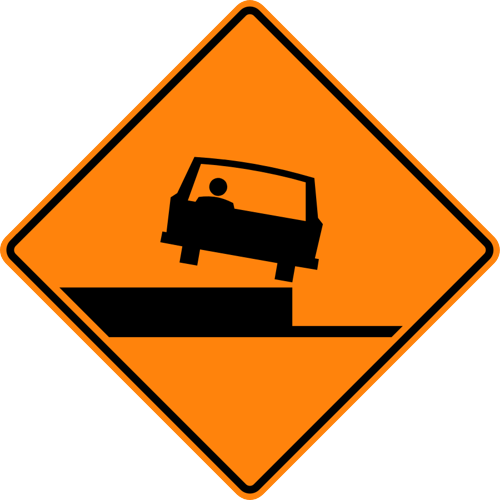 This road sign means:
A
Low shoulder
B
Stop ahead
C
Tow away zone
D
Buggy warning
No explanation available.
Question 2
What is the meaning of orange traffic signs?
A
Yield.
B
Warning of school, pedestrian, and bicycling activity.
C
Construction and maintenance warning.
No explanation available.
Question 3
Which of the following may result in an arrest for driving under the influence of intoxicants (DUII)?
A
A controlled substance, such as prescription medicines or illegal drugs.
B
An inhalant, such as glue or paint.
C
Alcohol
D
All of the above.
No explanation available.
Question 4
Braking distance is affected by:
A
the condition of your brakes and tires.
B
pavement conditions.
C
the speed your vehicle is traveling.
D
All of the above.
No explanation available.
Question 5
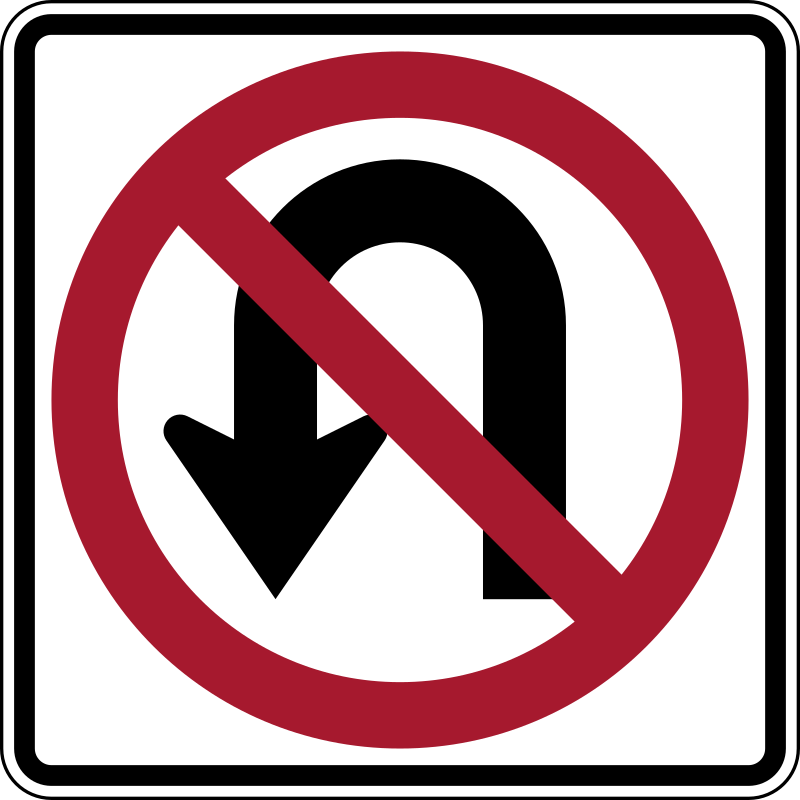 This road sign means:
A
No left turn
B
No U-turn
C
Detour ahead
No explanation available.
Question 6
Two solid yellow lines on the pavement mean:
A
passing is not allowed.
B
passing is allowed during daylight only.
C
passing is allowed for both drivers.
D
passing is allowed if you are at the top of a hill.
No explanation available.
Question 7
When you are driving, turning your head and looking before changing lanes is:
A
a good driving habit.
B
unnecessary, you should use your rearview mirror instead.
C
a bad driving habit.
D
prohibited.
No explanation available.
Question 8
 This sign warns drivers that:
A
they must turn either to the right or left.
B
there is a double curve ahead.
C
there is a winding road ahead.
No explanation available.
Question 9
 A 4-way stop sign means:
A
The first vehicle to reach the intersection should move forward first.
B
Traffic from all four directions must stop.
C
There are four stop signs at the intersection.
D
All of the above.
No explanation available.
Question 10
At intersections marked with stop lines, drivers must:
A
come to a complete stop.
B
slow down and enter the intersection.
C
signal other vehicles to stop.
No explanation available.
Question 11
A few drinks after work before driving home:
A
should be avoided because they impair your judgement.
B
should be avoided unless you really need them.
C
are acceptable as far as they are part of your daily routine.
D
have no effect on your driving ability.
No explanation available.
Question 12
Two motorcyclists are allowed to:
A
ride side-by-side in a single lane.
B
share the lane with another vehicle.
C
race on empty roads.
No explanation available.
Question 13
 This road sign means:
A
You must come to a complete stop
B
Do not enter
C
Slow down, stop if necessary and yield the right-of-way
D
Merging traffic
No explanation available.
Question 14
When passing other vehicles, drivers should:
A
make sure the passing lane is clear of traffic, and check behind and to the left to make sure another vehicle is not attempting to pass.
B
pass the vehicle as slowly as possible.
C
apply the brake and slow down.
D
All of the above.
No explanation available.
Question 15
When changing lanes on an interstate, drivers should:
A
use cruise control to increase traction whenever possible.
B
signal and check mirrors and blind spots.
C
change lanes often.
D
stop in the breakdown lane if they are tired.
No explanation available.
Question 16
Drivers must yield the right-of-way to pedestrians when:
A
pedestrians are crossing the road in marked crosswalks.
B
All of the above.
C
the driver is turning a corner and pedestrians are crossing with the light.
No explanation available.
Question 17
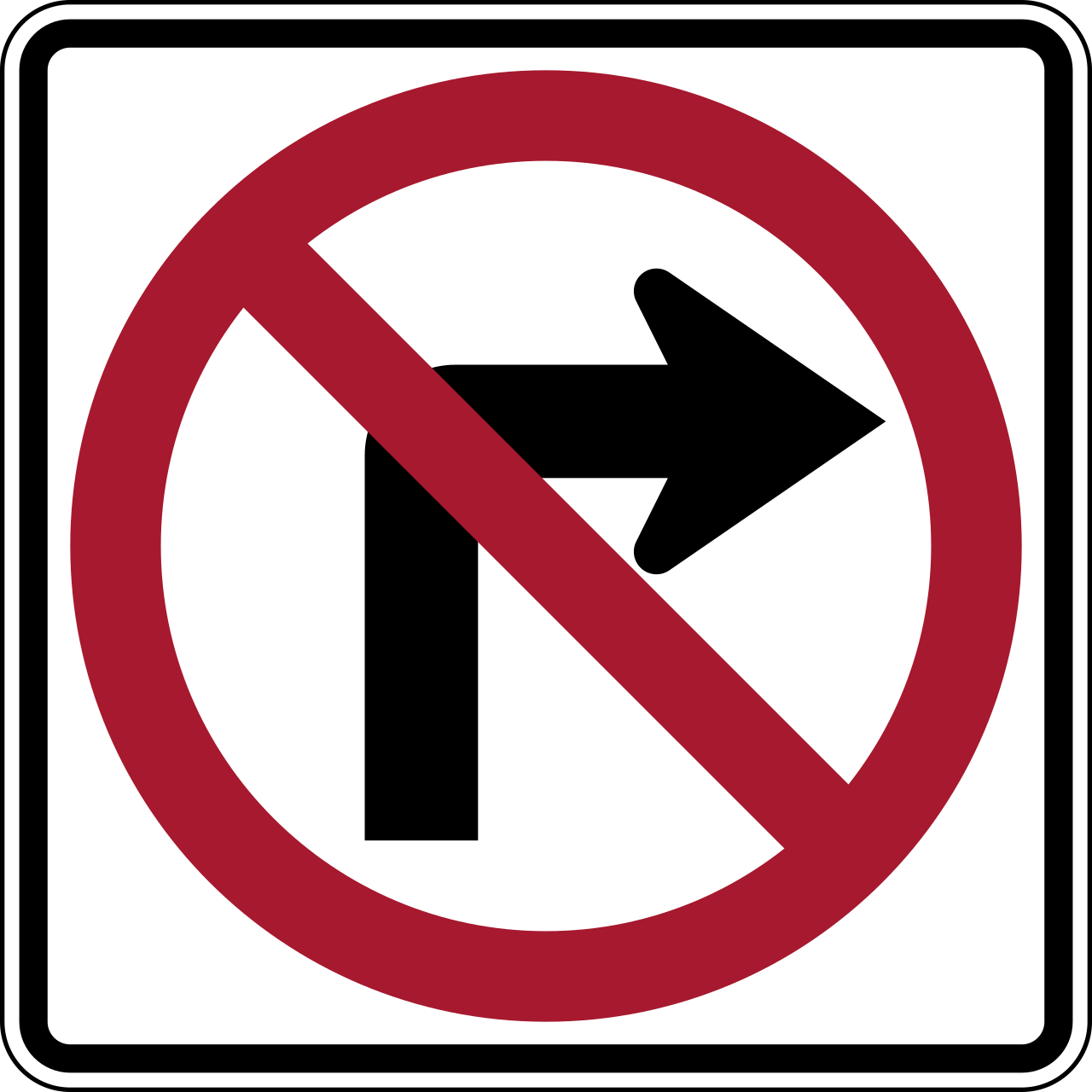 This road sign means:
A
No left turn
B
No right turn
C
No U-turns
No explanation available.
Question 18
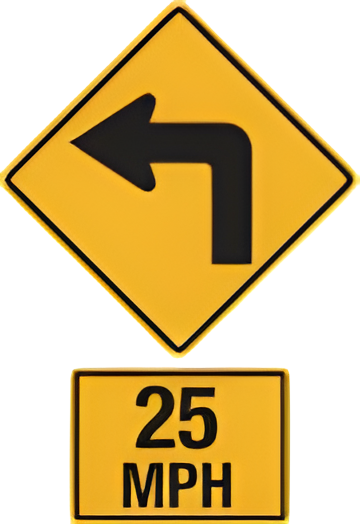 This road sign means:
A
Merge, then slow down to the safe speed indicated
B
The road ahead curves right; slow down to indicated speed
C
Winding road ahead; slow down to the indicated speed
D
Divided highway begins. Slow down to the safe speed indicated
No explanation available.
Question 19
__________________ give you right-of-way to make a left turn.
A
A green arrow pointing left
B
A flashing red light
C
A flashing yellow light
D
A solid green light
No explanation available.
Question 20
When you see an emergency vehicle with flashing lights, you must:
A
stop exactly where you are.
B
pull to the curb and stop.
C
speed up and take the nearest exit.
D
slow down and keep moving in your lane.
No explanation available.
Question 21
When you drive near parks and playgrounds, you should expect children:
A
not to cross unless they are with an adult.
B
to know when it is safe to cross.
C
to stop at the curb before crossing the street.
D
to suddenly run into the street.
No explanation available.
Question 22
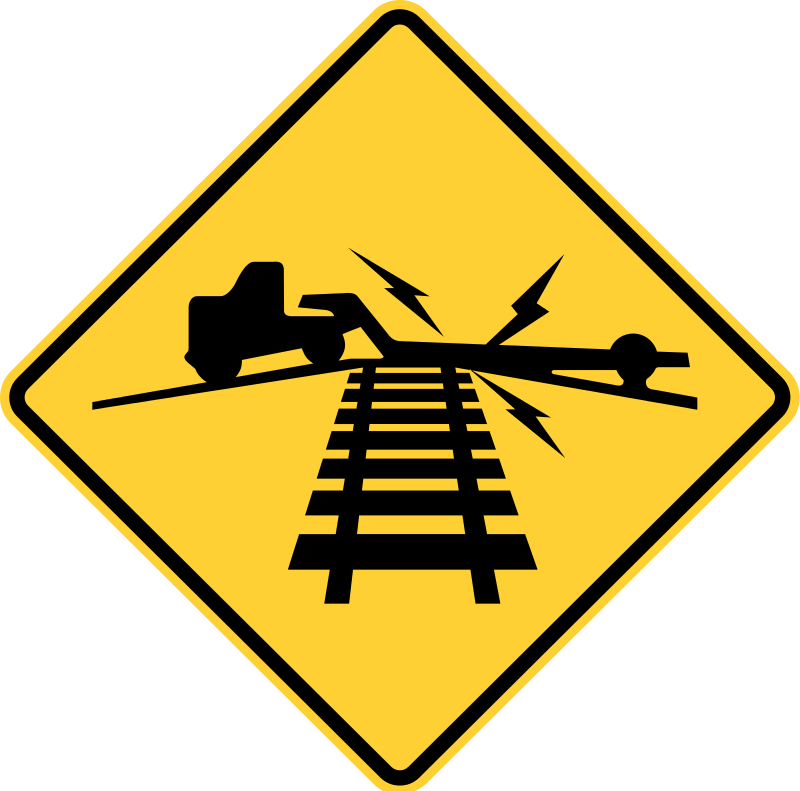 This road sign means:
A
Winding road ahead
B
Pedestrian crossing
C
Low ground railroad crossing
D
No-passing zone
No explanation available.
Question 23
Warning signs are normally:
A
blue.
B
yellow.
C
red.
D
green.
No explanation available.
Question 24
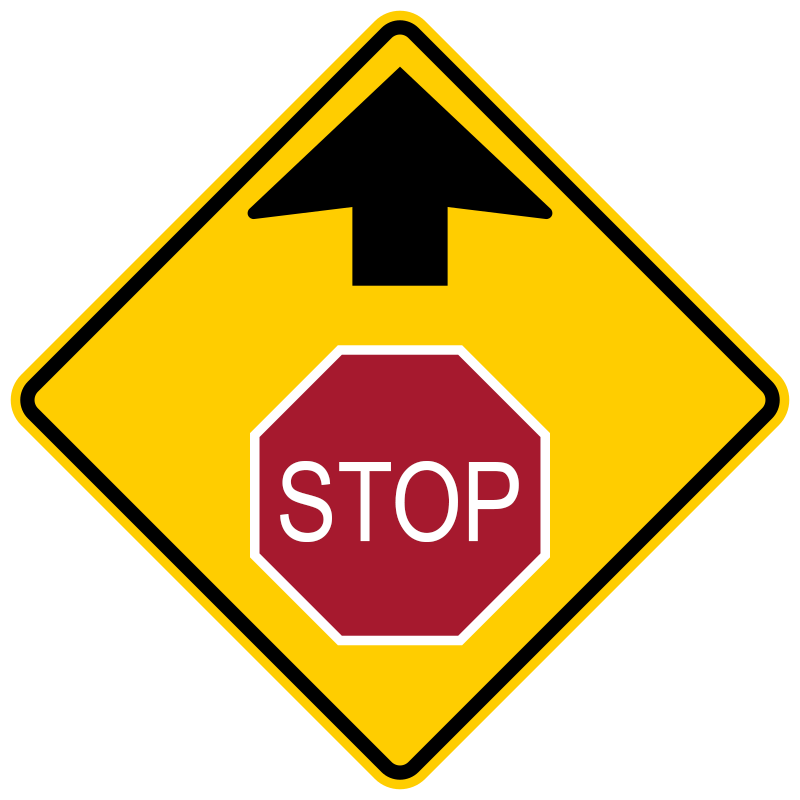 This road sign means:
A
Railroad Warning
B
Stop Sign Ahead
C
Lane ends
D
Stop if necessary
No explanation available.
Question 25
If your car breaks down on the highway, you should:
A
use your four-way flashers to warn other drivers.
B
sound your horn to warn passing vehicles.
C
flash your headlights at oncoming traffic.
D
stop in the right lane.
No explanation available.
Question 26
If you drive much slower than the posted speed limit you:
A
are a defensive driver.
B
might cause a crash.
C
always have the right of way.
D
are driving safely and can avoid tailgaters.
No explanation available.
Question 27
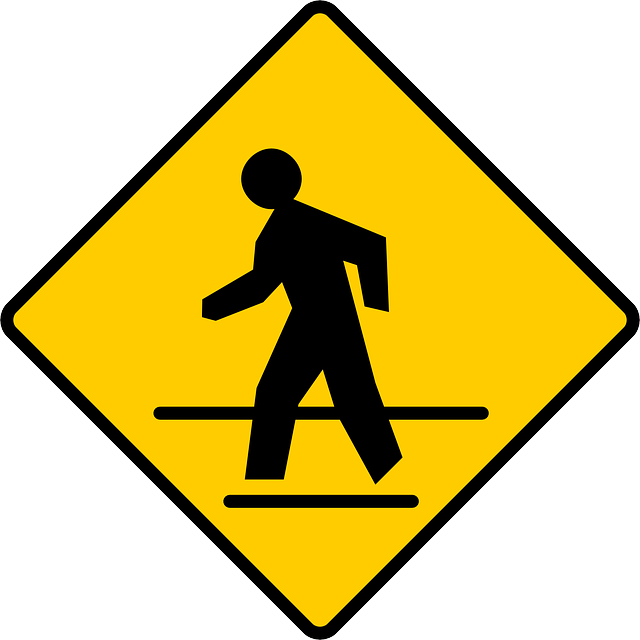 This road sign means:
A
Pedestrian crossing
B
School zone
C
School crossing
No explanation available.
Question 28
 The sign in the picture:
A
is a Construction and Maintenance Traffic Control sign.
B
is found at most intersections and indicates that drivers must yield to other vehicles.
C
is displayed on the rear of slow moving vehicles.
No explanation available.
Question 29
An aggressive driver:
A
competes with other traffic.
B
weaves in and out of traffic.
C
shows little or no respect for traffic laws.
D
All of the above.
No explanation available.
Question 30
What is the first thing to do when you make a three-point turn?
A
Signal with your left turn signal, then check carefully for traffic coming toward you.
B
Signal with your right turn signal, then pull over to the right and stop.
C
Turn left, go across the road so you come to a stop while you face the edge of the road.
No explanation available.
Question 31
This road sign means:
A
Slow down and be prepared to stop if necessary
B
You must come to a complete stop
C
You may proceed at regular speed through the intersection
D
Wrong Way
No explanation available.
Question 32
When are you allowed to drink alcoholic beverages in a vehicle on a public highway?
A
As long as you don’t drive.
B
Only if you ride in the back seat.
C
Only if you ride in the back of a pick-up truck.
D
Never.
No explanation available.
Question 33
To avoid crashes with vehicles in your blind spots, you should:
A
sound your horn right before turning or changing lanes.
B
adjust your rear-view mirrors every few minutes.
C
quickly turn your head to see if your blind spot is clear, before changing lanes.
D
None of the above.
No explanation available.