 drivequiz.com
 Question 1
The effects of alcohol on driving include:
A
None of the above.
B
Improved coordination
C
Better reflexes
D
Improved judgement
No explanation available.
Question 2
A work zone:
A
is marked with black and white signs.
B
might involve vehicles and moving workers.
C
does not require that the driver slow down and pay extra attention.
D
All of the above.
No explanation available.
Question 3
When you see an emergency vehicle with flashing lights behind you, you must:
A
slow down and keep moving.
B
drive to the right edge of the road and slow down.
C
pull over to the right and stop.
D
stop as quickly as you can.
No explanation available.
Question 4
What is the purpose of minimum speed limits?
A
To keep a smooth traffic flow.
B
To halt the traffic flow.
C
To allow emergency vehicles with red flashing lights to safely pass other vehicles.
No explanation available.
Question 5
You want to turn left at an intersection ahead. A car reaches the intersection from the opposite direction and moves straight ahead. You:
A
can turn left. You have the right of way.
B
must wait for the car to go through before you turn.
C
may not enter the intersection to prepare for your left turn if the light is green.
No explanation available.
Question 6
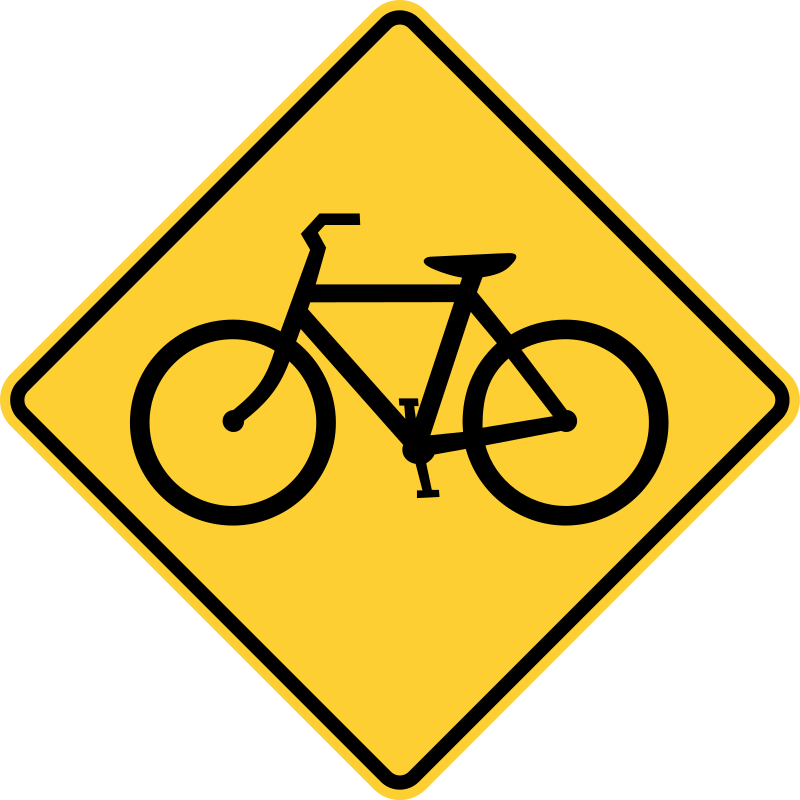 This sign means:
A
Bicycles should yield to vehicles ahead.
B
Warning: a bikeway crosses the roadway ahead.
C
The lane ahead is reserved for bicycles.
No explanation available.
Question 7
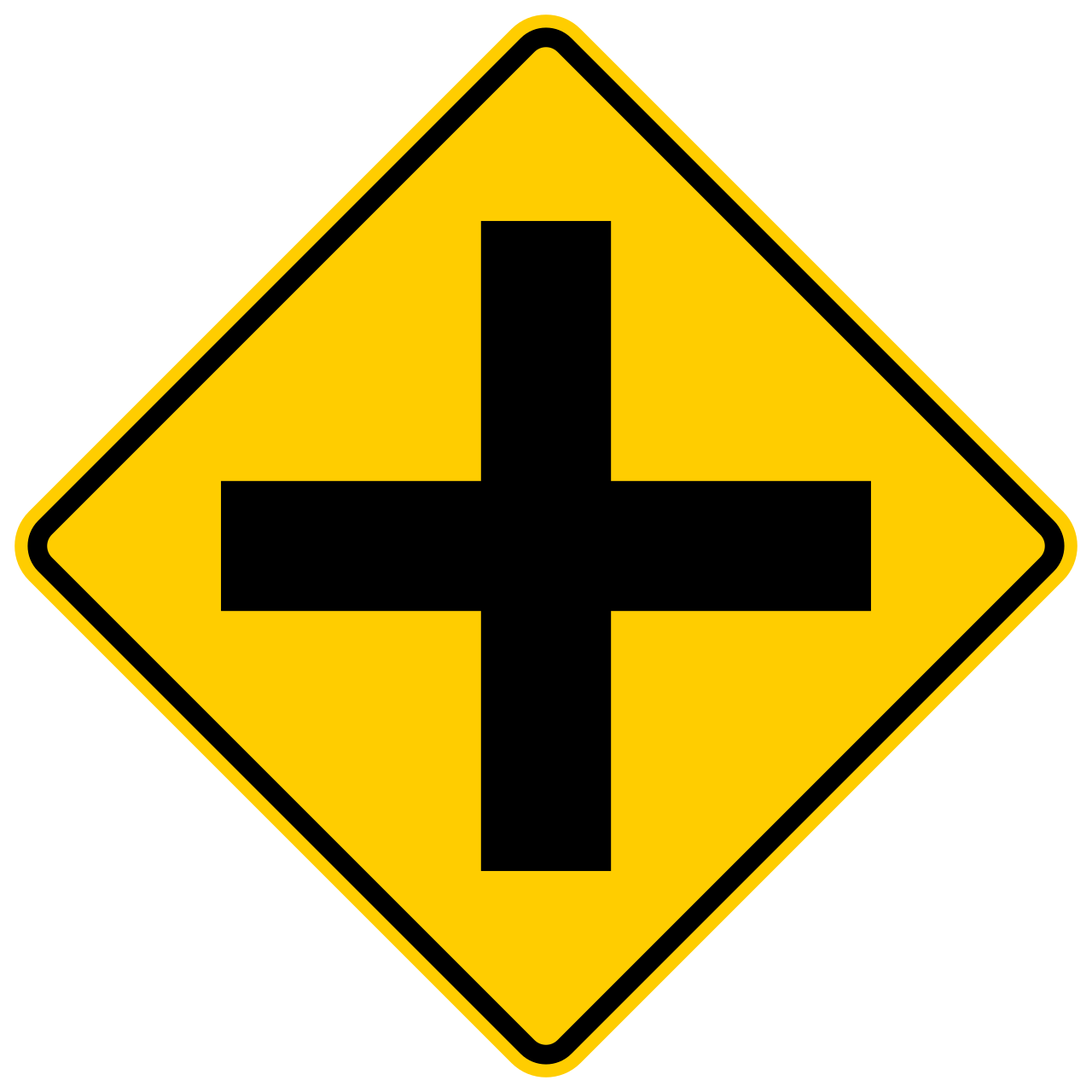 This road sign means:
A
Railroad Crossing
B
Side Road
C
Intersection
D
No Passing Zone
No explanation available.
Question 8
If a traffic officer signals you to drive through a red light:
A
you must do it.
B
you must wait for the red light to turn green.
C
you must not obey the officer. Signs and signals take precedence over directions given by traffic officers.
No explanation available.
Question 9
When driving on slick roads, drivers should:
A
accelerate quickly.
B
take turns more slowly.
C
use alternate routes.
D
drive as they would on dry roads.
No explanation available.
Question 10
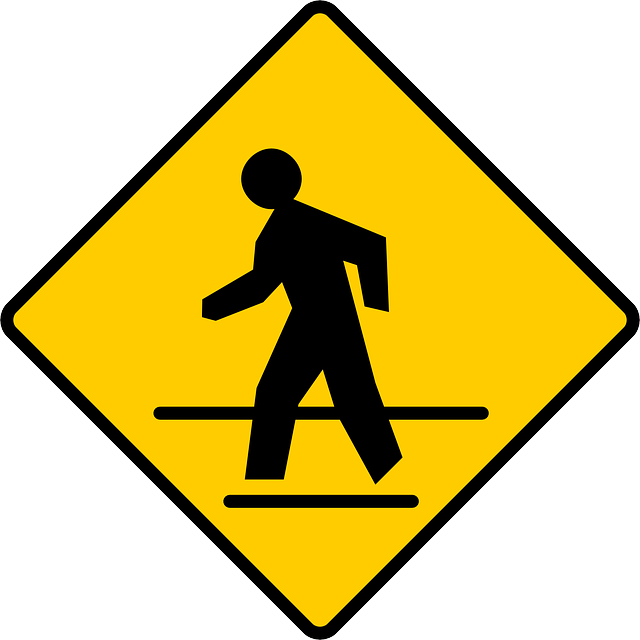 This road sign means:
A
Pedestrian crossing
B
School zone
C
School crossing
No explanation available.
Question 11
This road sign means:
A
Crossroad
B
Hospital parking ahead
C
Merge
No explanation available.
Question 12
When a traffic signal light turns green, you should:
A
back up slowly.
B
yield the right-of-way to pedestrians.
C
yield the right-of-way to larger vehicles.
D
wait 5 seconds before proceeding.
No explanation available.
Question 13
When driving behind a motorcycle, drivers must:
A
remembers that motorcyclists have the right to use a complete traffic lane.
B
pass the motorcycle in the same lane.
C
drive on the shoulder beside the motorcycle.
D
share the lane with the motorcycle.
No explanation available.
Question 14
 This sign warns drivers of:
A
a reduction of lanes.
B
a dip in the road. Drivers should be ready to stop if the dip is filled with water.
C
a bridge ahead, wide enough to accommodate two lanes of traffic, but with very little clearance.
No explanation available.
Question 15
 This road sign warns drivers that:
A
left turns are not allowed at the intersection.
B
the road will make a sharp turn to the right.
C
another road enters the highway from the direction shown.
No explanation available.
Question 16
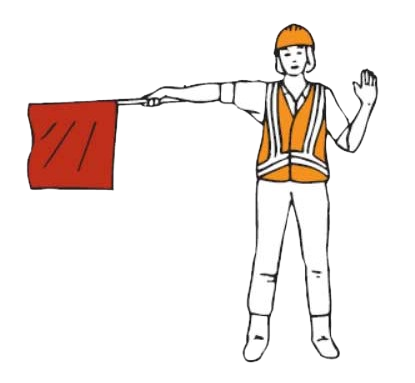 This signal means:
A
Stop
B
Move to the left
C
Slow down
D
Proceed
No explanation available.
Question 17
 This sign indicates:
A
Winding road
B
Merging traffic
C
Divided highway ends
No explanation available.
Question 18
 This road sign means:
A
No Passing Zone
B
Railroad Warning
C
One-way street ahead
D
Two way left turn
No explanation available.
Question 19
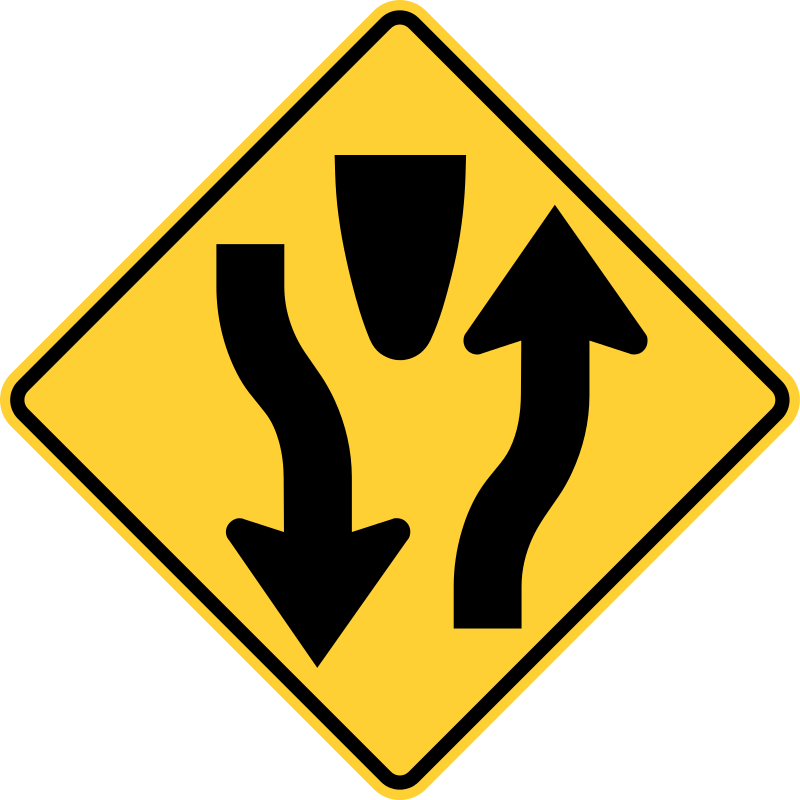 This sign means:
A
The highway ahead is divided into two one-way roadways.
B
Roundabout ahead. Slow down.
C
The divided highway on which drivers are traveling ends ahead.
No explanation available.
Question 20
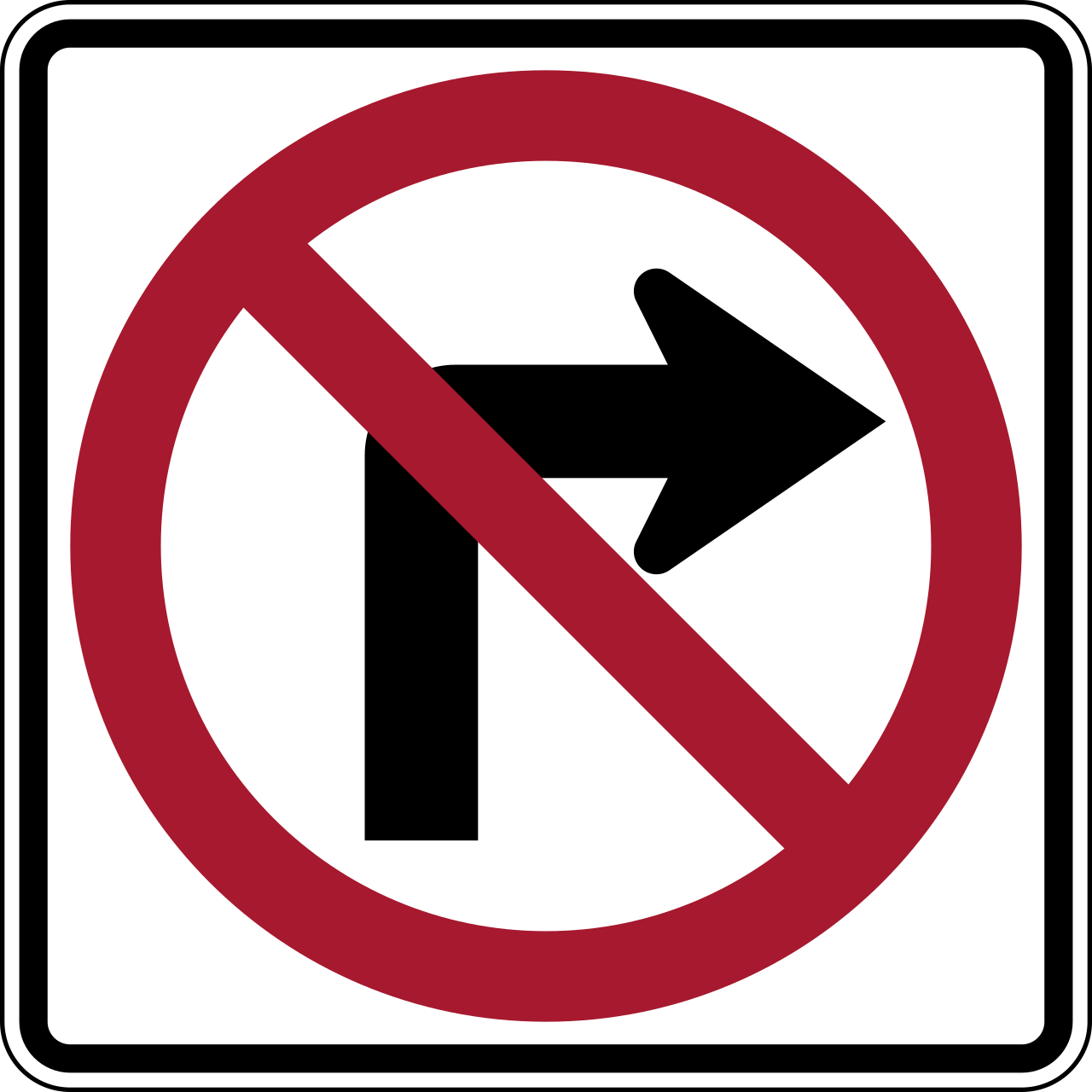 This road sign means:
A
No left turn
B
No right turn
C
No U-turns
No explanation available.
Question 21
Drivers can proceed through an intersection with a stop sign, but no stop line or crosswalk:
A
after slowing down to at least 15 MPH before proceeding.
B
after coming to a complete stop, when it is safe to proceed.
C
after stopping at least 50 feet prior to the intersection.
D
after slowing down to ensure there is no cross-traffic.
No explanation available.
Question 22
When parallel parking between two cars, you should first:
A
back slowly.
B
pull up even with the front car.
C
turn your wheels to the right.
D
turn your wheels to the left.
No explanation available.
Question 23
When passing you should NOT:
A
leave less than 4 feet of space between your vehicle and the vehicle you are passing.
B
signal left to let others know that you will be pulling out.
C
look in your rearview mirrors and glance over your shoulder before pulling out to pass.
D
go far enough past the vehicle you are passing so that you can see the vehicle in your inside rearview mirror.
No explanation available.
Question 24
Select the most effective safety restraint(s) in a traffic crash.
A
Lap and shoulder belt only
B
Air bag only
C
Pumping brakes.
D
A combination of lap/shoulder belt and air bag.
No explanation available.
Question 25
You may not park:
A
on a hill.
B
on a crosswalk or marked bicycle lane.
C
in a parking lot.
D
within 200 feet of an elementary school.
No explanation available.
Question 26
To enter a freeway:
A
signal, yield, and enter at the same speed that traffic is moving.
B
drive slowly so you can check traffic.
C
signal and enter the freeway. You have the right-of-way.
D
make a complete stop before entering the freeway.
No explanation available.
Question 27
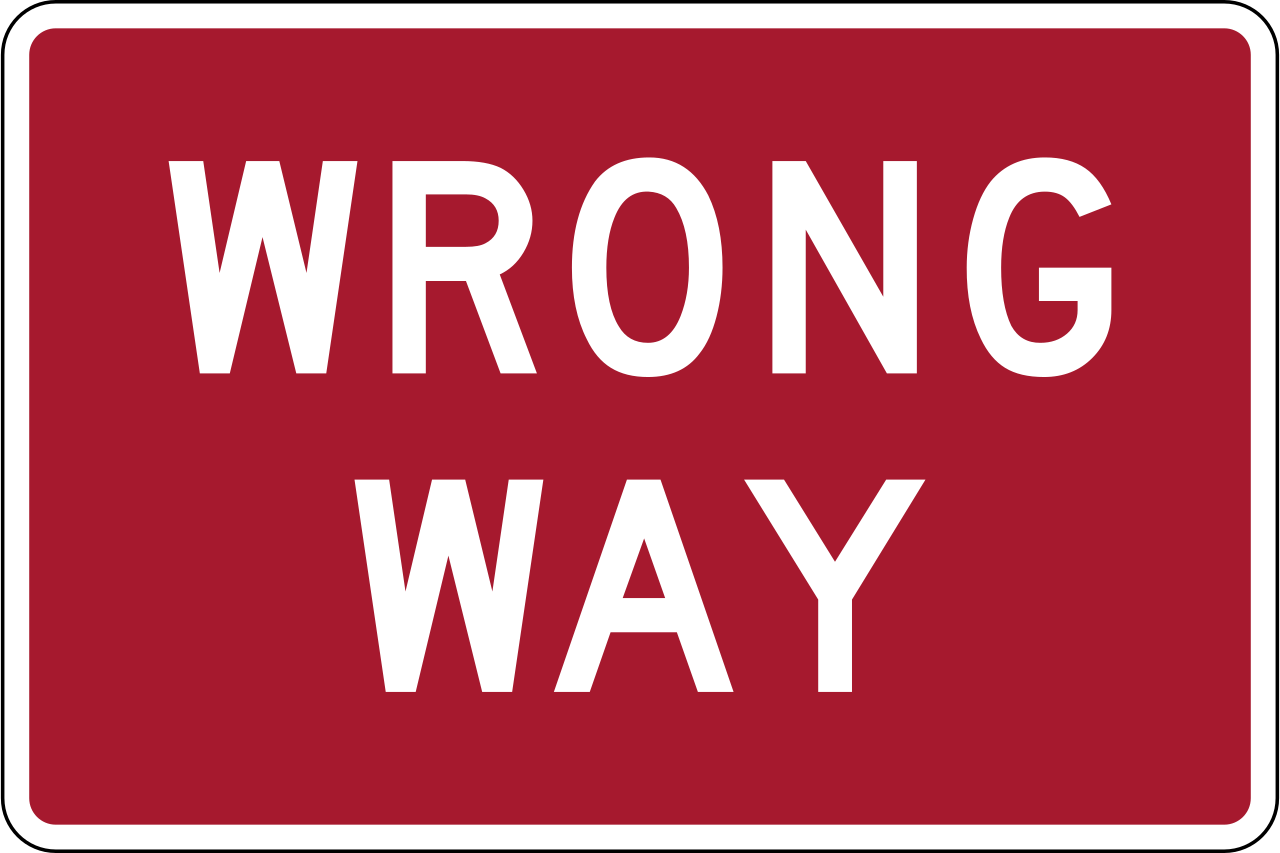 When drivers see this road sign:
A
they must come to a complete stop and call the police.
B
they must not drive past this sign.
C
they must turn around immediately.
No explanation available.
Question 28
Which of the following drugs could affect your ability to drive?
A
A cold remedy.
B
Marijuana.
C
All of the above.
No explanation available.
Question 29
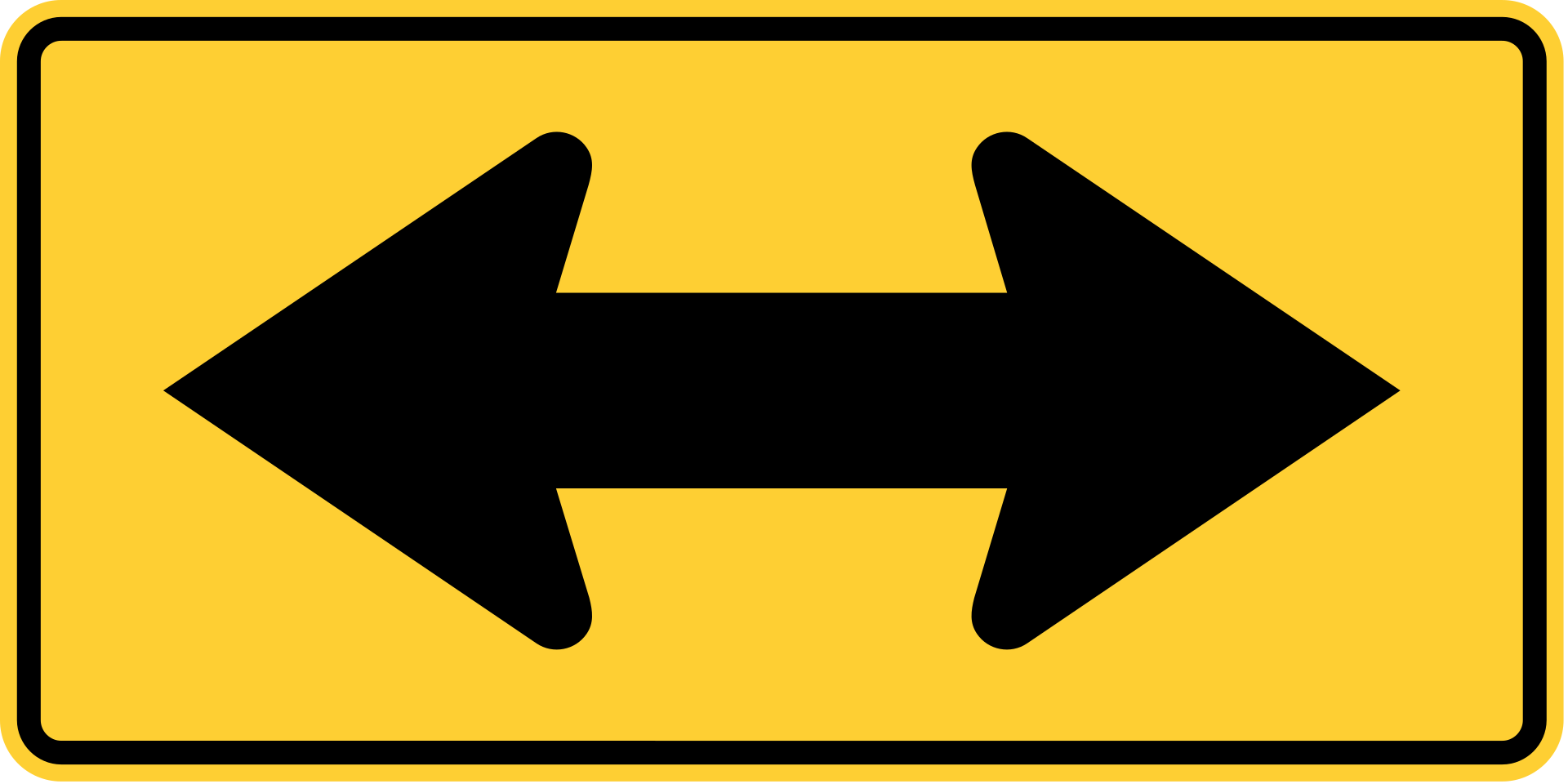 This road sign tells drivers that:
A
they must change lane immediately.
B
they must turn either to the right or left.
C
the one-way street or roadway ahead ends.
D
None of the above.
No explanation available.
Question 30
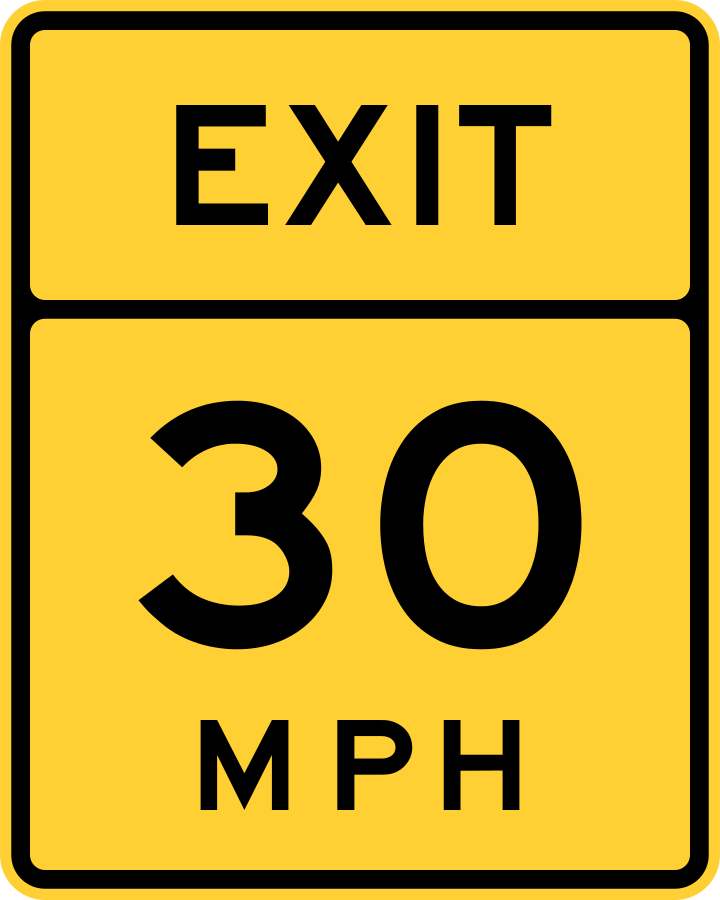 The sign in the picture:
A
shows the highest speed drivers can travel at the exit of the intersection.
B
is used to advise motorists of the appropriate ramp speed at the highway exit point.
C
indicates the minimum ramp speed at the highway exit point.
No explanation available.
Question 31
In the following situations, drivers should increase their following interval:
A
When following vehicles that are required to come to a stop at railroad crossings.
B
When it is hard to see ahead because of bad weather.
C
All of the above.
No explanation available.
Question 32
Drivers may continue carefully through a yellow light if:
A
there are no pedestrians crossing.
B
they are turning right.
C
they already are within the intersection.
D
an emergency vehicle is crossing your lane.
No explanation available.
Question 33
Bicyclists must:
A
ride in a bicycle lane, if available.
B
remain to the right when they prepare for a left turn.
C
remain near the left edge of the road.
No explanation available.