 drivequiz.com
 Question 1
 A flashing red light:
A
is used at dangerous intersections.
B
means the same thing as a stop sign.
C
All of the above.
No explanation available.
Question 2
When you prepare to make a left turn from a one-way road into a one-way road, you must:
A
move into the right lane, or to the left side of a single lane.
B
move into the right lane, or to the right side of a single lane.
C
move into the left lane, or to the left side of a single lane.
No explanation available.
Question 3
To pass a bicyclist traveling in the same direction on a two-lane road without bicycle lanes, you should:
A
continue driving straight, it is the bicyclist’s responsibility to get out of your way.
B
slow down and wait until there is no oncoming traffic, then pass the bicyclist leaving him or her sufficient space.
C
honk at the bicyclist to let him or her know you are about to pass.
D
not pass the bicyclist until you come to a traffic signal or stop sign.
No explanation available.
Question 4
When you need to enter a freeway exit ramp:
A
don't slow down on the freeway itself. Wait until you are in the deceleration lane.
B
pass slower vehicles on the right.
C
slow down before entering the exit ramp.
D
don't slow down on the freeway itself, and maintain your speed once in the exit ramp.
No explanation available.
Question 5
 This sign warns that:
A
traffic must merge left.
B
the bridge ahead is wide enough for only one vehicle at a time.
C
traffic must merge right.
No explanation available.
Question 6
When you make a left turn from a one-way road into a two-way road, you must:
A
enter the two-way road to the left of its center line.
B
make a U-turn into the two-way road.
C
enter the two-way road to the right of its center line.
No explanation available.
Question 7
 What should drivers do when they see this road sign?
A
come to a complete stop and wait for a train to cross.
B
slow down, look for a train, and be prepared to stop.
C
look for a human flagger.
No explanation available.
Question 8
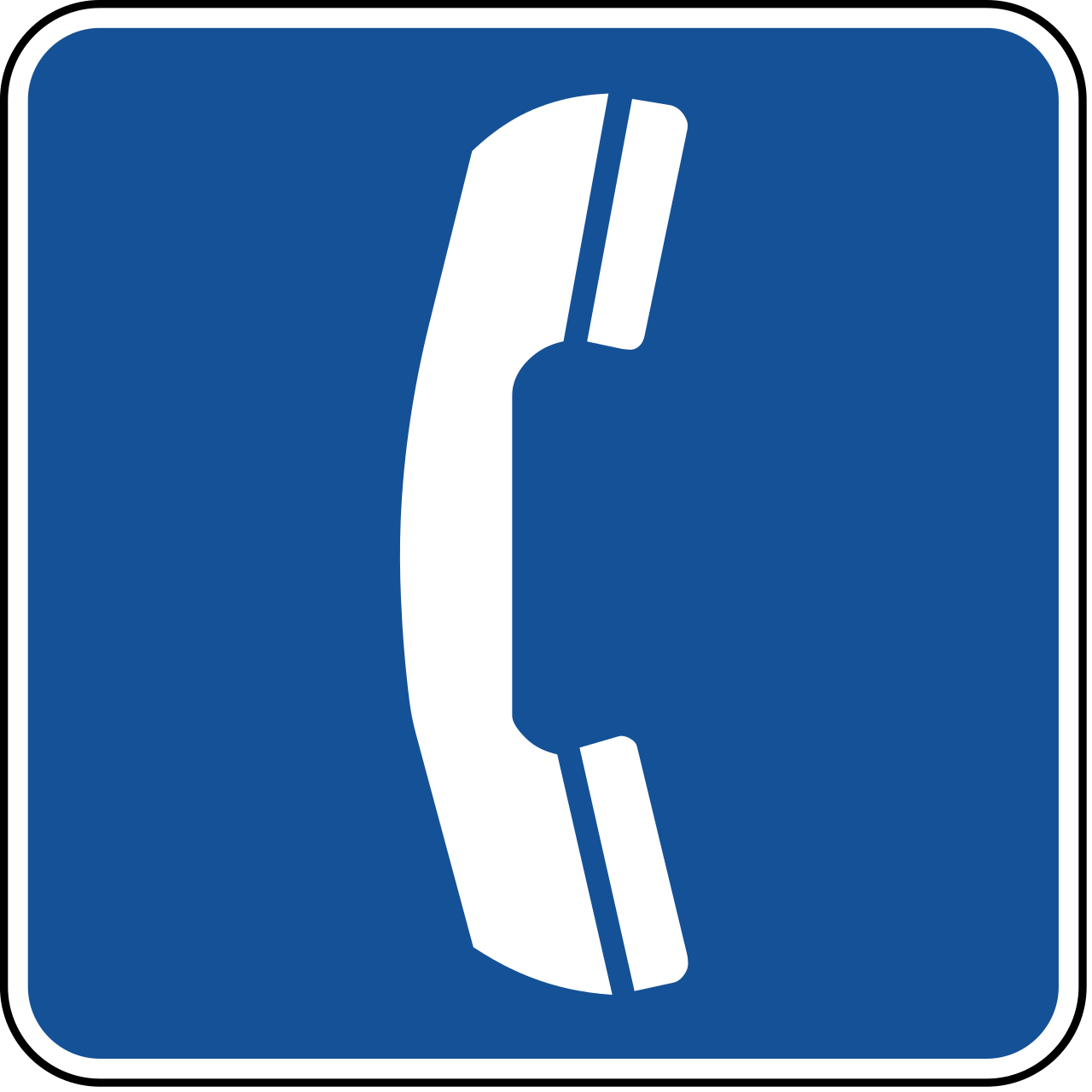 This sign indicates:
A
Phone service ahead
B
Emergency line available
C
Cell phone shop ahead
No explanation available.
Question 9
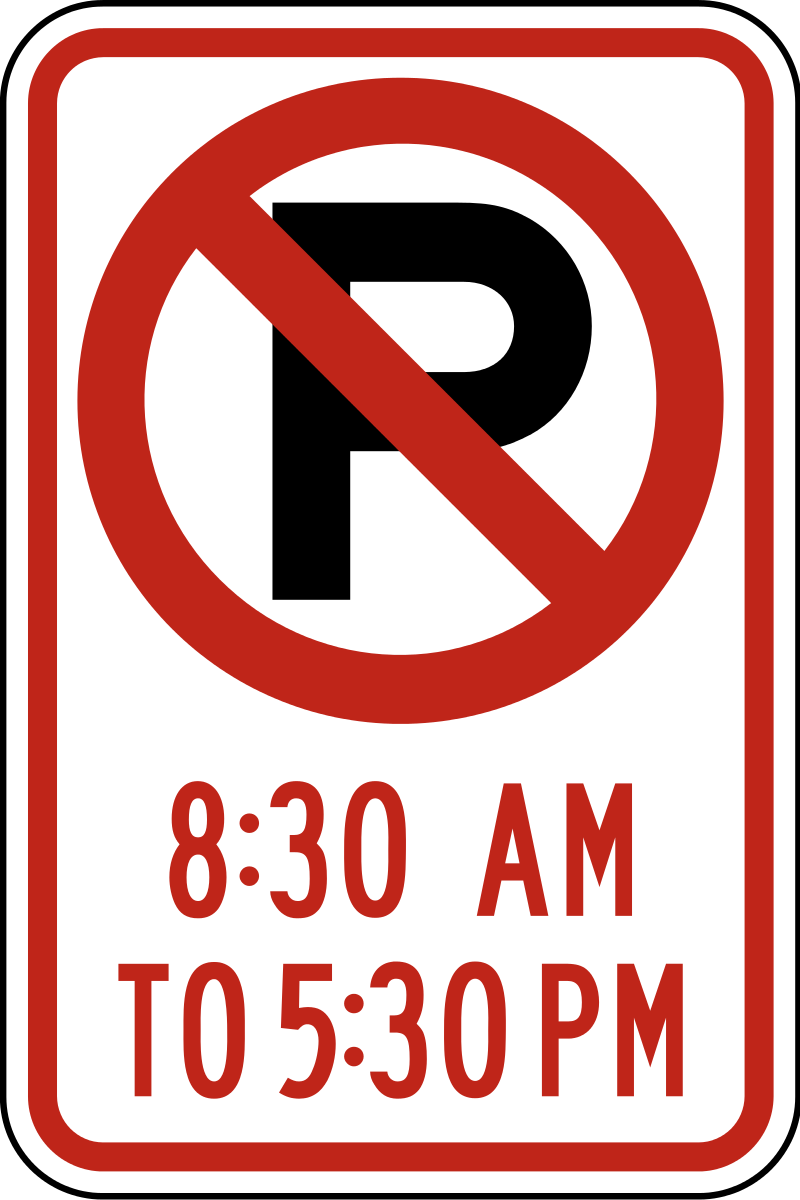 It's 10 AM. This sign tells you that:
A
you are allowed to park until 5:30 PM.
B
you must display a special permit in order to park here.
C
you are not allowed to park here.
No explanation available.
Question 10
If you miss your exit from an interstate expressway, you should:
A
go to the next exit and come back to the exit you missed.
B
use the right turn signal, check your mirrors and move to the right.
C
pull over to the right and back up with caution until you reach the exit ramp.
D
make a quick U-turn from your lane of travel.
No explanation available.
Question 11
When parking on a public road, drivers should:
A
move as far away from traffic as possible.
B
always park on the left side of the roadway.
C
All of the above.
No explanation available.
Question 12
What is the purpose of minimum speed limits?
A
To keep a smooth traffic flow.
B
To halt the traffic flow.
C
To allow emergency vehicles with red flashing lights to safely pass other vehicles.
No explanation available.
Question 13
Which of the following drugs could affect your ability to drive?
A
A cold remedy.
B
Marijuana.
C
All of the above.
No explanation available.
Question 14
If you are blinded by headlights on an approaching vehicle, you should:
A
avoid looking directly at the bright lights.
B
glance toward the side of the road, then look quickly ahead to determine the other vehicle’s position.
C
All of the above.
No explanation available.
Question 15
Green and white signs:
A
give information about directions and distances.
B
are mainly used at intersections and driveways.
C
warn drivers of unexpected road conditions.
No explanation available.
Question 16
If you are at fault in a traffic crash and do not pay for the damages:
A
you must obtain a crash prevention certificate from the DMV before you can drive again.
B
your driver license or plates or both will be suspended for one year.
C
you will be sentenced to 3 years in jail.
D
your car will be repossessed.
No explanation available.
Question 17
Blind spots around a large vehicle are _________________ than the blind spots around a car.
A
larger and deeper
B
less dangerous
C
narrower and shorter
No explanation available.
Question 18
You must come to a full stop at a yield sign:
A
Always.
B
Never.
C
If traffic conditions require it.
No explanation available.
Question 19
 This sign is a:
A
regulatory sign.
B
warning sign.
C
guide sign.
No explanation available.
Question 20
Highway hypnosis is a driving condition that can result from:
A
heavy traffic.
B
staring at the roadway for long periods of time.
C
travelling on HOV lanes.
D
frequent rest stops.
No explanation available.
Question 21
What should you do if your rear wheels start to skid?
A
Steer left if your rear wheels slide right.
B
If the vehicle has ABS, pump the pedal carefully.
C
Turn the steering wheel in the direction the vehicle is trying to go.
No explanation available.
Question 22
What should you do if your headlights suddenly go out?
A
Brake immediately and activate your emergency lights.
B
Use your emergency lights, parking lights or directional signals.
C
Ease your foot off the gas pedal and brake gently.
No explanation available.
Question 23
You can pass on the right:
A
when a vehicle ahead makes a right turn.
B
when a vehicle ahead makes a left turn.
C
when a vehicle that is approaching from the opposite direction is prepared to turn left.
No explanation available.
Question 24
For protection, motorcyclists are required to:
A
keep their headlights and taillights on at all times.
B
signal turns, lane changes and stops.
C
wear approved helmets.
No explanation available.
Question 25
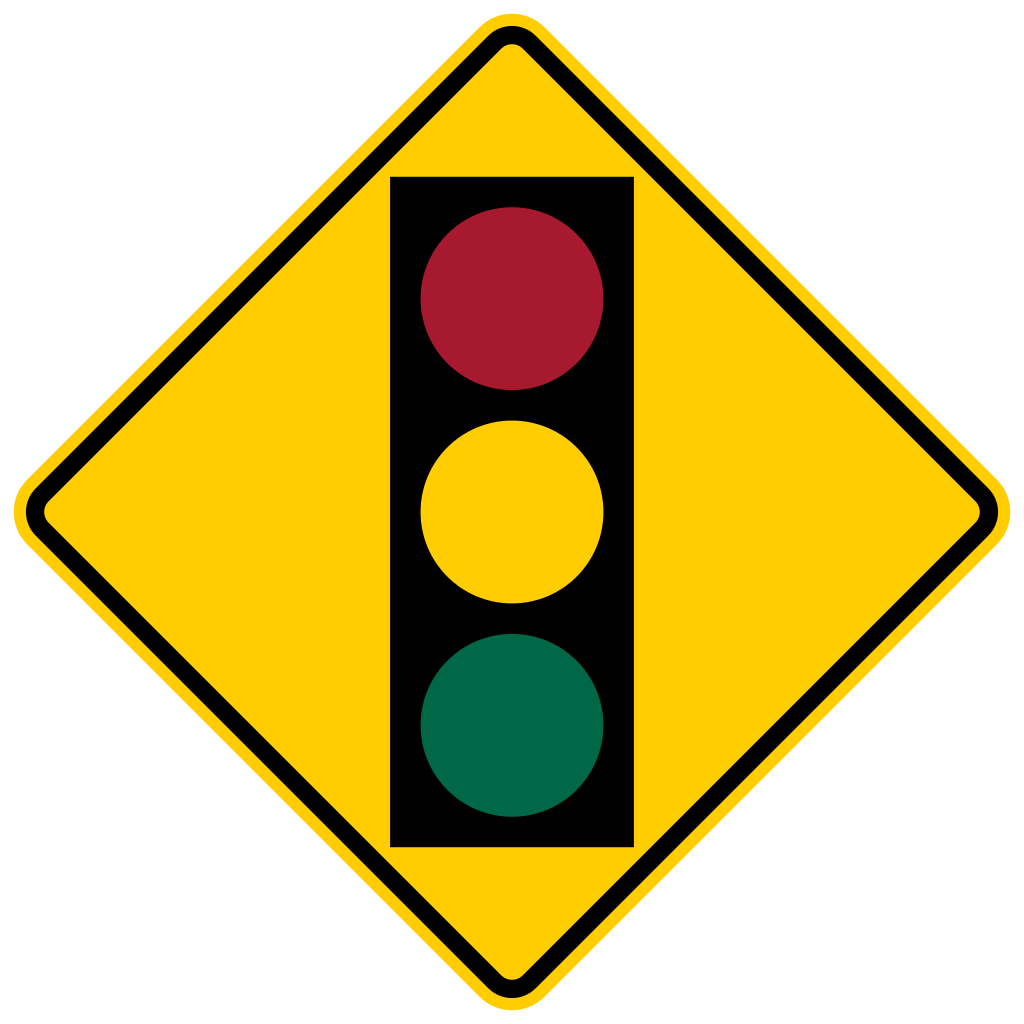 This sign means:
A
You must yield the right-of-way ahead
B
Traffic signals ahead
C
You must stop ahead
D
Speeding is not allowed
No explanation available.