 drivequiz.com
 Question 1
What is the meaning of blue traffic signs?
A
A blue background indicates a regulatory sign.
B
They give directional information.
C
Blue indicates road user services.
No explanation available.
Question 2
You can reduce the chance of a collision with a large vehicle if you:
A
delay near it.
B
cut abruptly in front of it.
C
pay close attention to the turn signals.
No explanation available.
Question 3
If a bus has signaled and is pulling back onto the roadway, you must:
A
yield.
B
honk to let them know you’re there.
C
move to the left lane.
D
speed up to pass.
No explanation available.
Question 4
You must come to a full stop at a yield sign:
A
Always.
B
Never.
C
If traffic conditions require it.
No explanation available.
Question 5
Which shape is a railroad advance warning sign?
A
Crossbuck
B
Round
C
Pentagon
No explanation available.
Question 6
Your car stalls on the tracks at a railroad crossing, and a collision with a train is imminent. After getting yourself and your passengers out of the car, you should:
A
run toward the train but stay off the tracks.
B
signal the train to stop.
C
cross the tracks.
No explanation available.
Question 7
Who is most at risk?
A
Drivers who have overslept.
B
Drivers who are driving long distances without rest breaks.
C
Experienced drivers.
No explanation available.
Question 8
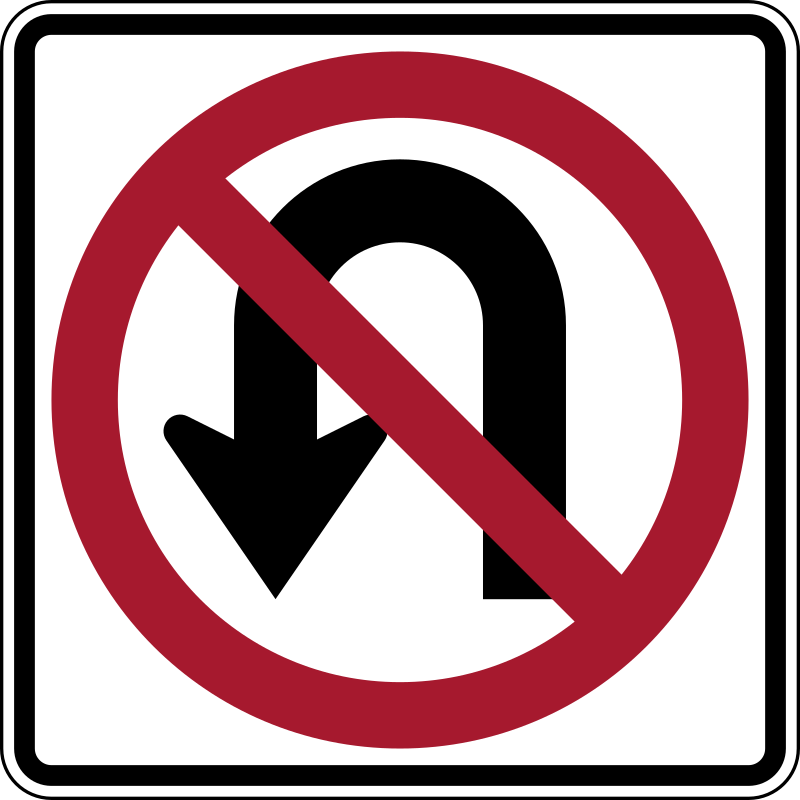 This road sign means:
A
No left turn
B
No U-turn
C
Detour ahead
No explanation available.
Question 9
You must pull over to the edge of the road and allow an emergency vehicle to pass:
A
only if the emergency vehicle is following you.
B
regardless of your direction.
C
only if the emergency vehicle is approaching.
D
None of the above.
No explanation available.
Question 10
Before entering a traffic circle, drivers must slow down and yield to ___________ in the traffic circle.
A
pedestrians
B
vehicles
C
bicyclists
D
All of the above.
No explanation available.
Question 11
 This regulatory road sign indicates that:
A
Vehicles must slow down and stay in the right lane.
B
The right hand lane is reserved for buses and car-pool vehicles.
C
Slower vehicles traveling on multiple lane highways must stay in the right hand lane.
No explanation available.
Question 12
Which shape is a yield sign?
A
Vertical rectangle
B
Upside-down triangle
C
Diamond
No explanation available.
Question 13
Doing all you can to prevent crashes is called:
A
Anti-Collision Driving
B
Crash-Prevention Driving
C
Defensive Driving
D
ABS Driving
No explanation available.
Question 14
Yellow traffic signs:
A
guide drivers.
B
when combined with an octagonal shape, tell drivers they must come to a complete stop at the marked stop line.
C
warn drivers.
No explanation available.
Question 15
 This sign tells drivers:
A
they must wait for the traffic signal to turn green before turning right or left.
B
they may not turn right or left during the red light.
C
All of the above.
No explanation available.
Question 16
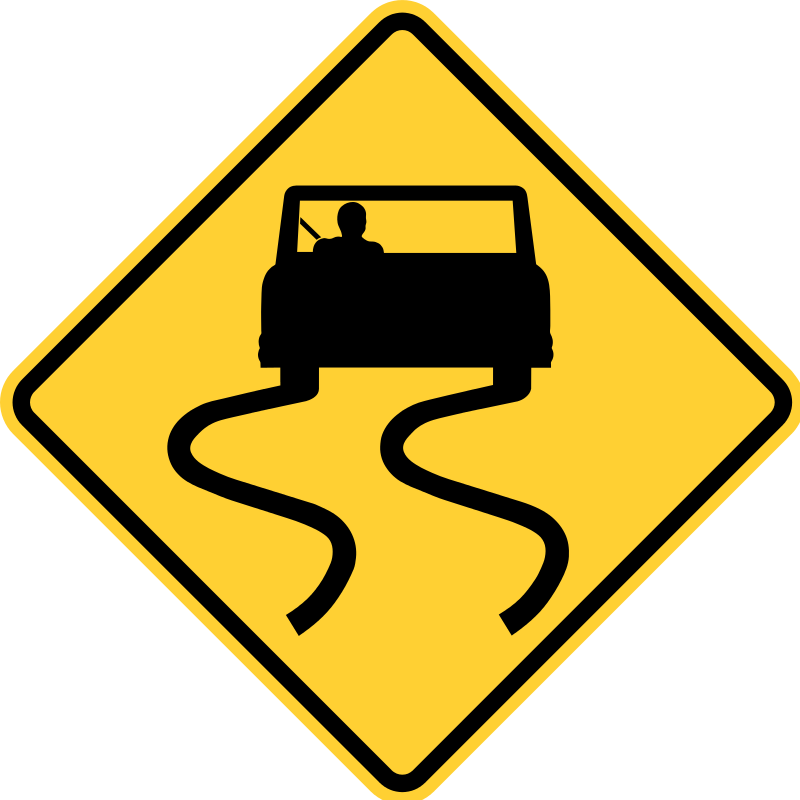 This road sign means:
A
Slow down, slippery when wet
B
Detour ahead
C
Road curves ahead
No explanation available.
Question 17
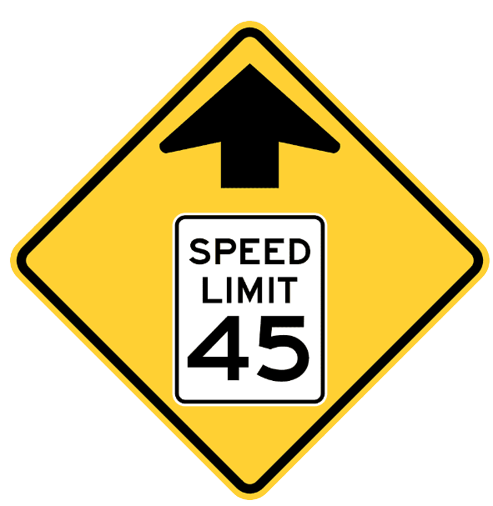 This warning sign:
A
provides advance notice to upcoming speed limit change.
B
shows the current speed limit that all vehicles traveling in the direction of the arrow must not exceed.
C
indicates the suggested highest safe speed.
No explanation available.
Question 18
What should you do in case of a brake failure?
A
Pull off the road into an open space, if available.
B
Apply the parking brake slowly.
C
All of the above.
No explanation available.
Question 19
If an aggressive driver is behind you:
A
sound your horn and move to the left lane.
B
slow down and confront the aggressive driver.
C
try to get out of the aggressive driver’s way.
D
increase you speed and flash your brake lights.
No explanation available.
Question 20
 This sign means:
A
You may make a U-turn.
B
Hairpin corner ahead.
C
You must make a U-turn.
No explanation available.
Question 21
What is the first thing to do when you make a three-point turn?
A
Signal with your left turn signal, then check carefully for traffic coming toward you.
B
Signal with your right turn signal, then pull over to the right and stop.
C
Turn left, go across the road so you come to a stop while you face the edge of the road.
No explanation available.
Question 22
When driving in bad weather, drivers should:
A
decrease the following distance.
B
increase their speed to get to their destination more quickly.
C
increase the following distance.
D
None of the above.
No explanation available.
Question 23
Which of the following does NOT affect the distance that it takes to stop your vehicle?
A
Perception time.
B
Braking distance.
C
Reaction distance.
D
Steering ability.
No explanation available.
Question 24
What is a likely effect when you take another drug while you drink alcohol?
A
The effects of the alcohol and the drug are enhanced.
B
There are no effects, unless the drug is prescription only.
C
If the drug is over-the-counter, there are no effects.
No explanation available.
Question 25
Highway hypnosis is a driving condition that can result from:
A
heavy traffic.
B
staring at the roadway for long periods of time.
C
travelling on HOV lanes.
D
frequent rest stops.
No explanation available.
Question 26
 A flashing yellow light:
A
warns drivers to proceed with caution.
B
is used at dangerous intersections.
C
All of the above.
No explanation available.
Question 27
Tailgating:
A
cannot result in a traffic citation.
B
helps reduce traffic congestion.
C
is a defensive driving tecnique.
D
can frustrate other drivers and make them angry.
No explanation available.
Question 28
Two solid yellow lines on the pavement mean:
A
passing is not allowed.
B
passing is allowed during daylight only.
C
passing is allowed for both drivers.
D
passing is allowed if you are at the top of a hill.
No explanation available.
Question 29
When following a motorcycle, drivers must remember that motorcycles can ____________ than other vehicles.
A
accelerate much faster
B
stop much more quickly
C
stop much more slowly
No explanation available.
Question 30
What is the slow moving vehicle symbol?
A
A reflective yellow diamond
B
A reflective white triangle
C
A reflective orange triangle
No explanation available.
Question 31
If you are pulled over by law enforcement, you should:
A
stay in the driver’s seat with both hands clearly in sight on the steering wheel.
B
unbuckle your seat belt and lower your window.
C
get out of your vehicle and walk toward the patrol car.
D
turn off on your interior light if stopped at night.
No explanation available.
Question 32
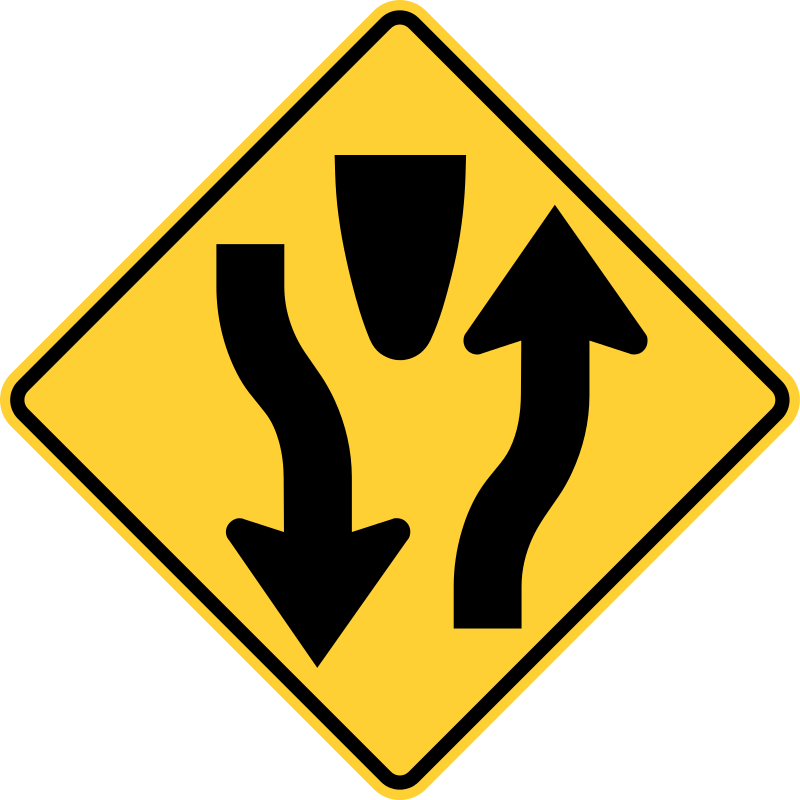 This road sign means:
A
Divided highway ahead
B
Merging traffic
C
Flagger ahead
No explanation available.
Question 33
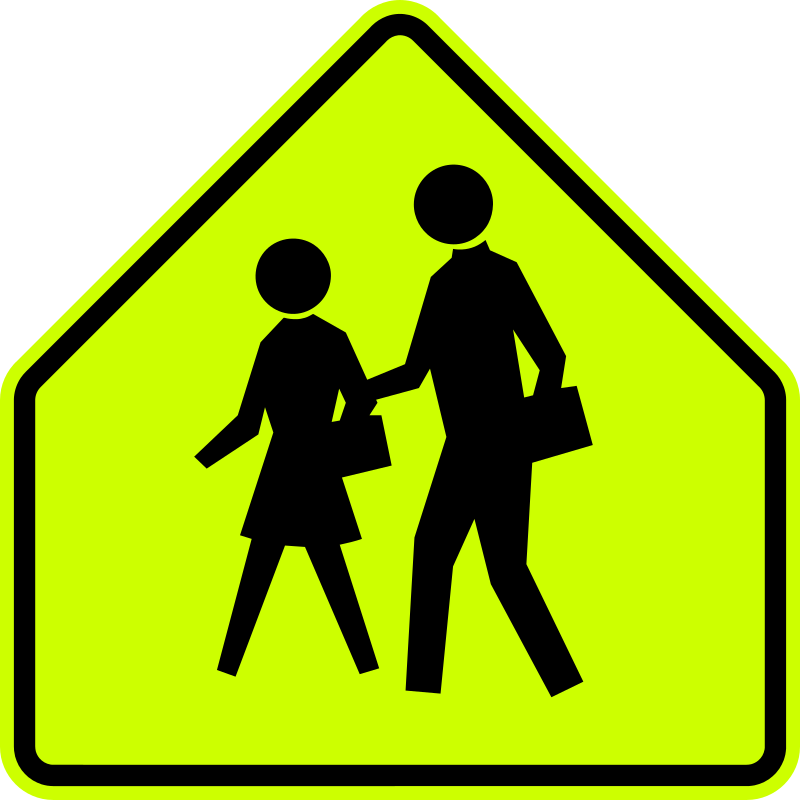 This sign means:
A
Business area nearby. Watch for business people.
B
There is a work zone ahead. Watch for workers.
C
The driver is near a school and should watch for children.
No explanation available.
Question 34
You ________ traffic headed toward you when you turn left.
A
must not yield to
B
must interrupt
C
must yield to
No explanation available.
Question 35
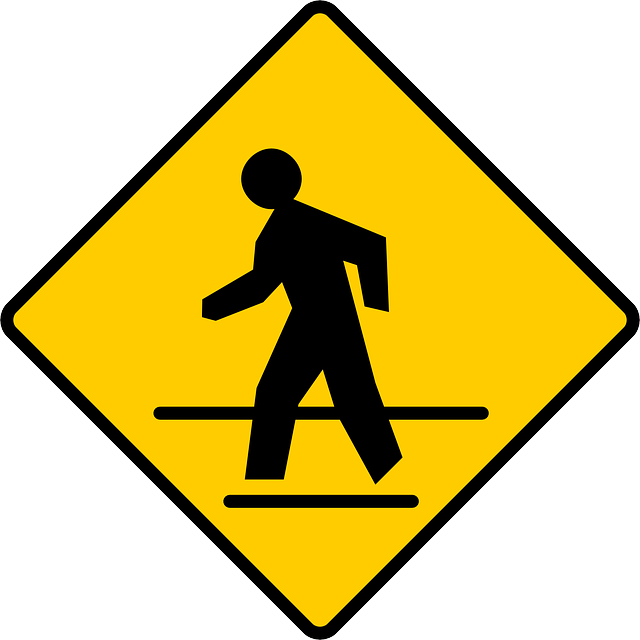 This road sign means:
A
School zone ahead
B
Pedestrians must not cross here
C
Pedestrian crossing ahead
No explanation available.
Question 36
Drivers may need more space in front of their vehicle:
A
when following motorcycles.
B
when carrying a heavy load or pulling a trailer.
C
All of the above.
No explanation available.
Question 37
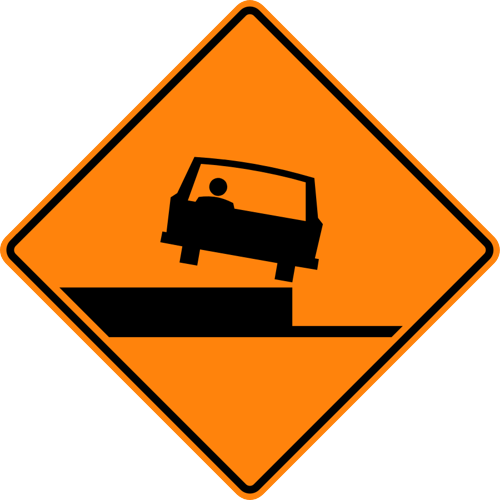 This road sign means:
A
Low shoulder
B
Stop ahead
C
Tow away zone
D
Buggy warning
No explanation available.
Question 38
What is the purpose of minimum speed limits?
A
To keep a smooth traffic flow.
B
To halt the traffic flow.
C
To allow emergency vehicles with red flashing lights to safely pass other vehicles.
No explanation available.
Question 39
Regulation signs normally are ____ rectangles with ____ letters or symbols.
A
yellow; black
B
white; black
C
green; white
No explanation available.
Question 40
What should you do if you see smoke come from under the hood?
A
Call the fire department and then pull off the road and park your vehicle.
B
Pull off the road and park your vehicle. Turn off the ignition, get away from the car and call the fire department.
C
Try to fight the fire yourself.
No explanation available.