 drivequiz.com
 Question 1
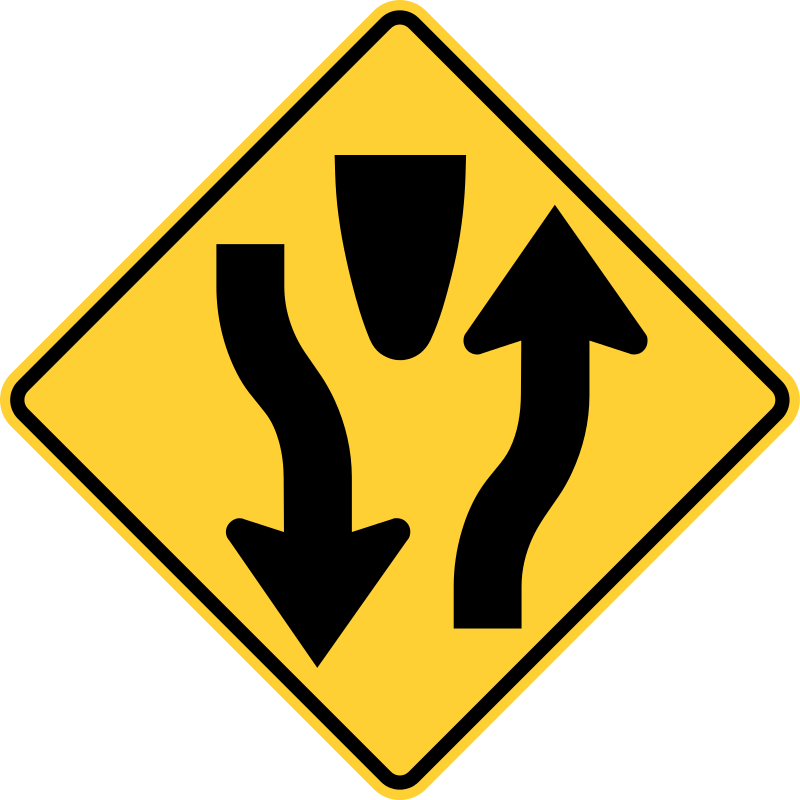 This road sign means:
A
Divided highway ahead - stay to the right
B
Do not enter
C
Do not pass
No explanation available.
Question 2
If you encounter an aggressive driver you should:
A
show them how to drive defensively.
B
speed up.
C
get out of their way.
No explanation available.
Question 3
If there is no crosswalk and you see a pedestrian crossing your lane, you should:
A
stop and let the pedestrian finish crossing.
B
make sure the pedestrian can see you before proceeding.
C
honk your horn and proceed with caution.
No explanation available.
Question 4
When changing lanes, drivers should identify a ____ second gap in traffic.
A
2 to 3
B
3 to 4
C
4 to 5
No explanation available.
Question 5
The only effective way to reduce your blood alcohol content (BAC) is:
A
drinking coffee.
B
fresh air.
C
not to drink over a period of time.
No explanation available.
Question 6
The amount of alcohol in the blood is measured by:
A
blood alcohol concentration (BAC).
B
Number of Drinks (NOC).
C
Amount of Alcohol Drunk (AAD).
No explanation available.
Question 7
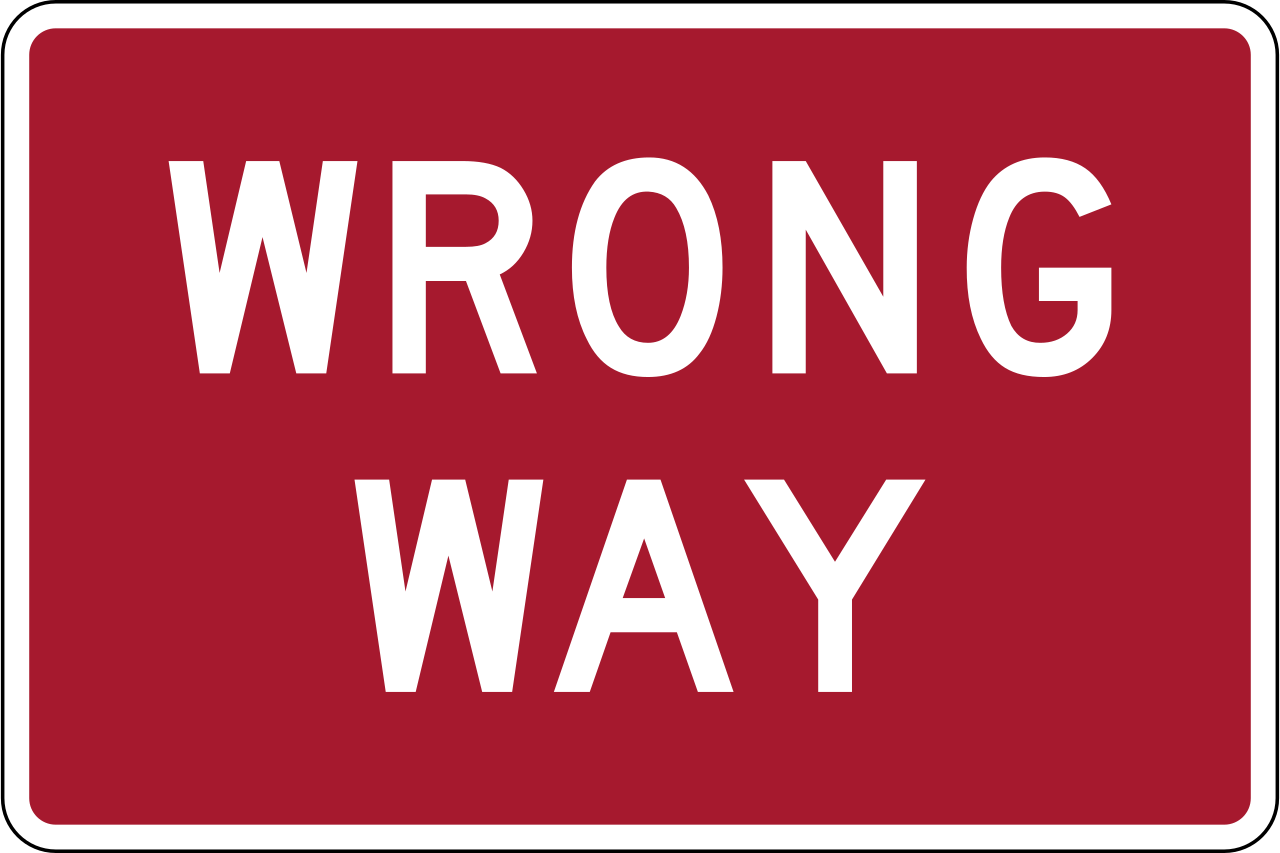 When drivers see this road sign:
A
they must come to a complete stop and call the police.
B
they must not drive past this sign.
C
they must turn around immediately.
No explanation available.
Question 8
You can reduce the chance of a collision with a large vehicle if you:
A
delay near it.
B
cut abruptly in front of it.
C
pay close attention to the turn signals.
No explanation available.
Question 9
 What does a flashing red light mean?
A
NO TURN ON RED.
B
The same thing as a stop sign.
C
Drivers may move forward with caution.
No explanation available.
Question 10
A broken yellow line on your side of the roadway only means:
A
Passing is permitted on both sides.
B
Passing is permitted on your side of the roadway.
C
Passing is not permitted on either side.
No explanation available.
Question 11
When being passed by another vehicle, drivers should:
A
slow down.
B
slightly increase their speed.
C
maintain a constant speed.
No explanation available.
Question 12
When driving in fog, you should never use your high beams because:
A
the light will reflect back into your eyes.
B
vehicles behind you may follow too closely.
C
oncoming vehicles might not see you.
No explanation available.
Question 13
___________ are green with white letters and symbols.
A
Warning signs
B
Destination signs (guide signs)
C
Regulation signs (regulatory signs)
No explanation available.
Question 14
When children are close, what should you do before you back out of a driveway?
A
Rely on your mirrors.
B
Get out of the car and check behind the car.
C
Look through your back window for children.
No explanation available.
Question 15
You face a green light, but traffic on the other side of the intersection does not allow you to travel all the way through the intersection. What must you do?
A
Enter the intersection and wait until traffic ahead clears.
B
Wait for the next green light.
C
Wait until traffic ahead clears, so you do not block the intersection.
No explanation available.
Question 16
Give the right-of-way to any pedestrian:
A
on the opposite side of the street.
B
if you have the green light.
C
in a marked crosswalk.
No explanation available.
Question 17
Which shape is a stop sign?
A
Diamond
B
Octagon
C
Upside-down triangle
No explanation available.
Question 18
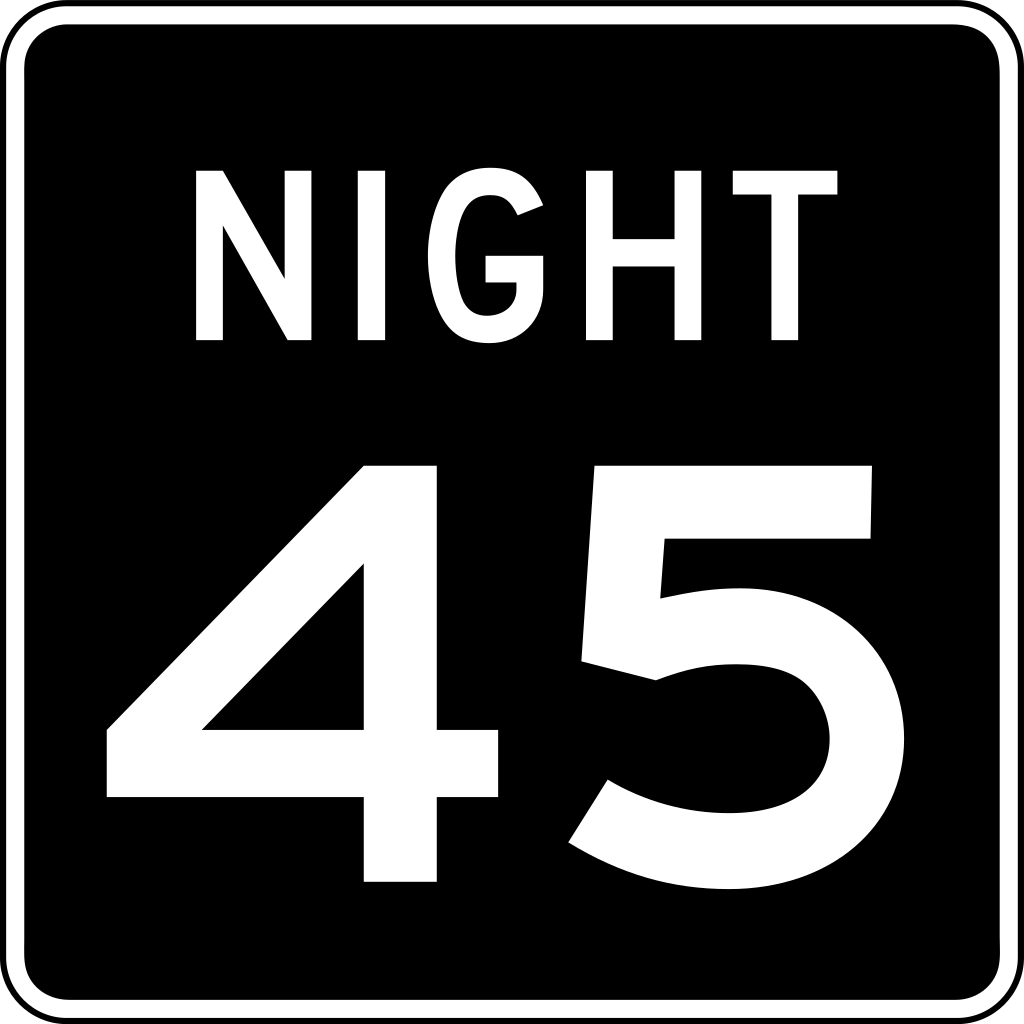 This sign means:
A
Take route 45 if you are driving at night.
B
The night-time speed limit is 45 MPH.
C
The minimum speed limit is 45 MPH.
No explanation available.
Question 19
 A 4-way stop sign means:
A
The first vehicle to reach the intersection should move forward first.
B
Traffic from all four directions must stop.
C
There are four stop signs at the intersection.
D
All of the above.
No explanation available.
Question 20
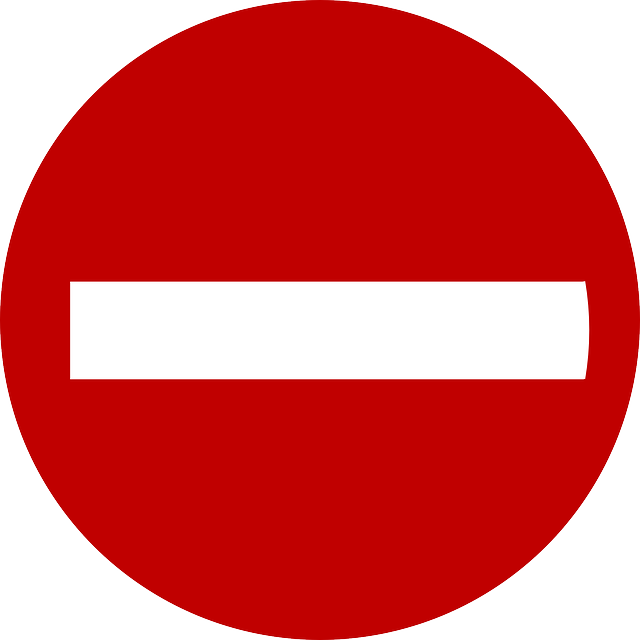 This road sign means:
A
No left turn
B
Lane ends
C
Do not enter
No explanation available.
Question 21
Parking is not allowed:
A
in an intersection, unless permitted by signs.
B
within 300 feet of a pedestrian safety area.
C
on public roads
No explanation available.
Question 22
When passing another vehicle, you should:
A
assume the other vehicle will maintain a constant speed.
B
check your mirrors and blind spots.
C
drive at the same speed as the vehicle you are passing.
No explanation available.
Question 23
Large trucks:
A
have high-tech air brakes which allow them to stop quickly.
B
take longer to stop than passenger vehicles.
C
are more maneuverable than passenger vehicles.
No explanation available.
Question 24
When passing another car, you have enough room to return to the driving lane when:
A
you cannot see the vehicle directly to your right.
B
you are at least 50 feet in front of the vehicle.
C
you can see both headlights of the car you passed in your rearview mirror.
No explanation available.
Question 25
What should drivers do when the red lights begin to flash?
A
Stop.
B
Yield.
C
Slow down.
No explanation available.
Question 26
When you are angry or upset you should:
A
listen to loud music while driving.
B
take a few minutes to cool off before you drive.
C
drive fast to let off steam.
No explanation available.
Question 27
BAC is:
A
the acronym for Beer ACcumulation.
B
the number of ounces of alcohol in your blood.
C
the percentage of alcohol in your blood.
No explanation available.
Question 28
Always driving slower than other traffic:
A
is a good defensive driving technique.
B
is always safer than driving faster than other traffic.
C
can block traffic.
No explanation available.
Question 29
If a tire suddenly blows out while you are driving, you should:
A
apply the brakes firmly.
B
slow down gradually and brake lightly.
C
pump the brakes rapidly.
No explanation available.
Question 30
Which signs have black letters on a white background?
A
Warning signs (diamond)
B
Regulatory signs (vertical rectangle)
C
Guide signs (horizontal rectangle)
No explanation available.
Question 31
To make a proper right turn:
A
swing to the left before turning right.
B
slow down and get into the lane nearest the centerline.
C
give the proper signal and get into the lane nearest the right curb.
No explanation available.
Question 32
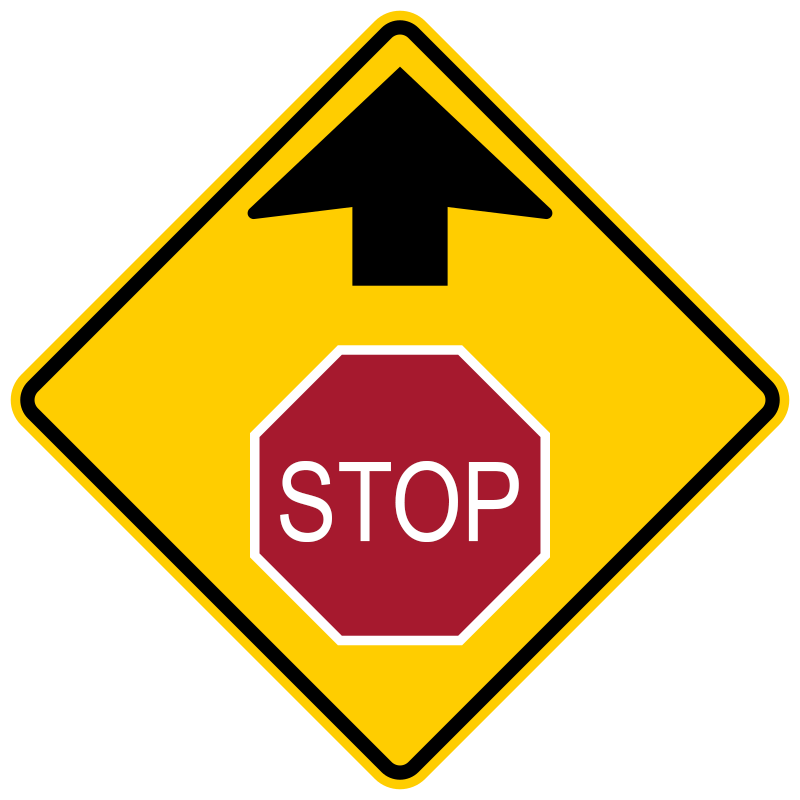 When drivers come to this sign, they must:
A
be ready to stop at the stop sign.
B
warn other drivers that a stop sign is ahead.
C
brake sharply and come to a complete stop.
No explanation available.
Question 33
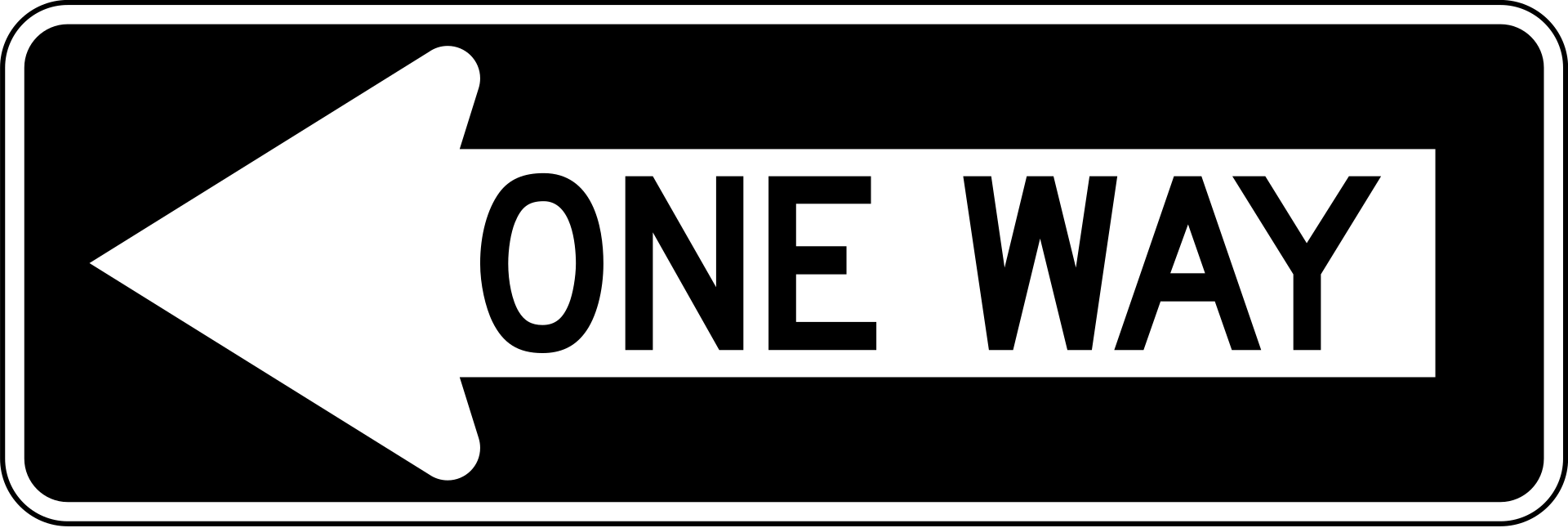 This road sign means:
A
Two way Traffic
B
Traffic must move only in the direction of the arrow
C
Minimum Speed
No explanation available.
Question 34
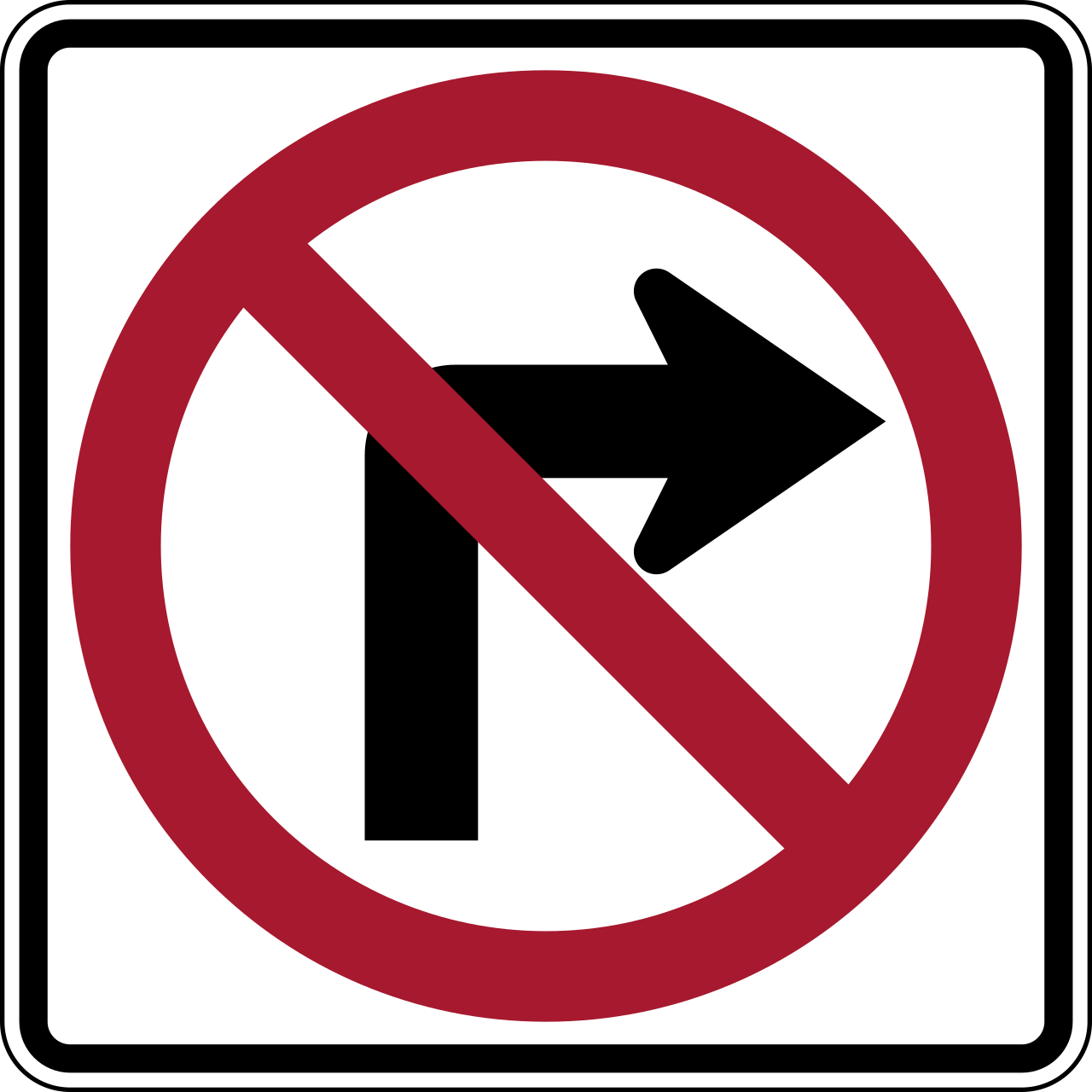 This sign tells drivers that:
A
they must make a left turn at the intersection.
B
U-turns are not allowed.
C
they must not make a right turn.
D
None of the above.
No explanation available.
Question 35
What should you do if your headlights suddenly go out?
A
Brake immediately and activate your emergency lights.
B
Use your emergency lights, parking lights or directional signals.
C
Ease your foot off the gas pedal and brake gently.
No explanation available.
Question 36
To reduce road rage, you should:
A
always signal your intention when changing lanes.
B
use your horn frequently to warn other drivers.
C
talk on your cell phone while driving.
No explanation available.
Question 37
The traffic light is green and you want to drive straight through an intersection. If a car is already in the intersection and is making a turn, you must:
A
enter the intersection and then stop.
B
drive through the intersection. You have the right-of-way.
C
let that car complete its turn before you enter the intersection.
No explanation available.
Question 38
Your Driver’s License will:
A
expire on your birthday.
B
expire after five years of issuance.
C
never expire.
No explanation available.
Question 39
 This sign means:
A
Hairpin corner ahead.
B
Warning: U-turn ahead.
C
Sharp right turn ahead.
No explanation available.
Question 40
It is unlawful to:
A
pass within 250 feet of any intersection.
B
exceed the posted speed limit when passing.
C
pass within 150 feet of any railroad crossing.
No explanation available.