 drivequiz.com
 Question 1
Drivers often fail to see a motorcycle headed toward them. Why?
A
It is difficult to judge a motorcycle's speed.
B
Motorcycles are hard to see.
C
All of the above.
No explanation available.
Question 2
If traffic on the other side of an intersection is backed up and you cannot get completely through, you must:
A
enter the intersection and try to avoid blocking it.
B
enter the intersection and proceed with caution.
C
wait until traffic ahead is clear.
No explanation available.
Question 3
When driving at night, drivers should:
A
always use their high beams.
B
increase their following distance.
C
look directly into the oncoming headlights of approaching vehicles.
No explanation available.
Question 4
When preparing to drive, you should:
A
adjust your seat and mirrors.
B
shift the transmission to neutral.
C
pump the brakes.
No explanation available.
Question 5
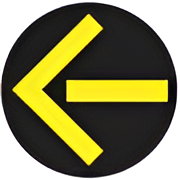 What does a yellow arrow signal mean?
A
The same as the yellow light, but applies only to movement in the direction of the arrow.
B
The same as a green light.
C
Vehicles moving in all directions must stop if they can. The light will soon be red.
No explanation available.
Question 6
To avoid glare from headlights of an approaching car:
A
stay focused on the center line on the road.
B
don't look directly into the oncoming headlights, look toward the right edge of your lane.
C
flash your high beams.
No explanation available.
Question 7
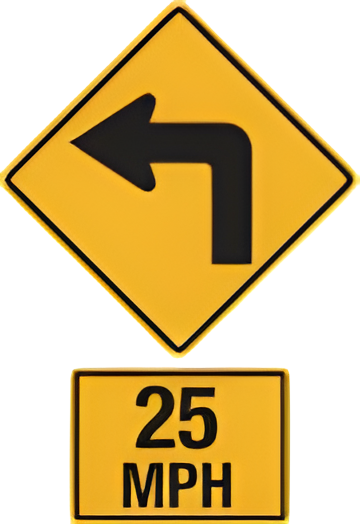 This sign indicates that:
A
the highest safe speed drivers should travel around the curve ahead is 25 MPH.
B
the safe speed around the curve ahead is at least 25 MPH.
C
drivers may not turn right if traveling at 25 MPH or less.
No explanation available.
Question 8
Which of the following is a common cause of traffic collisions?
A
Scanning the road ahead and staying focused on the driving task.
B
Driving too fast for conditions.
C
Pedestrians being key participants in the transportation system.
No explanation available.
Question 9
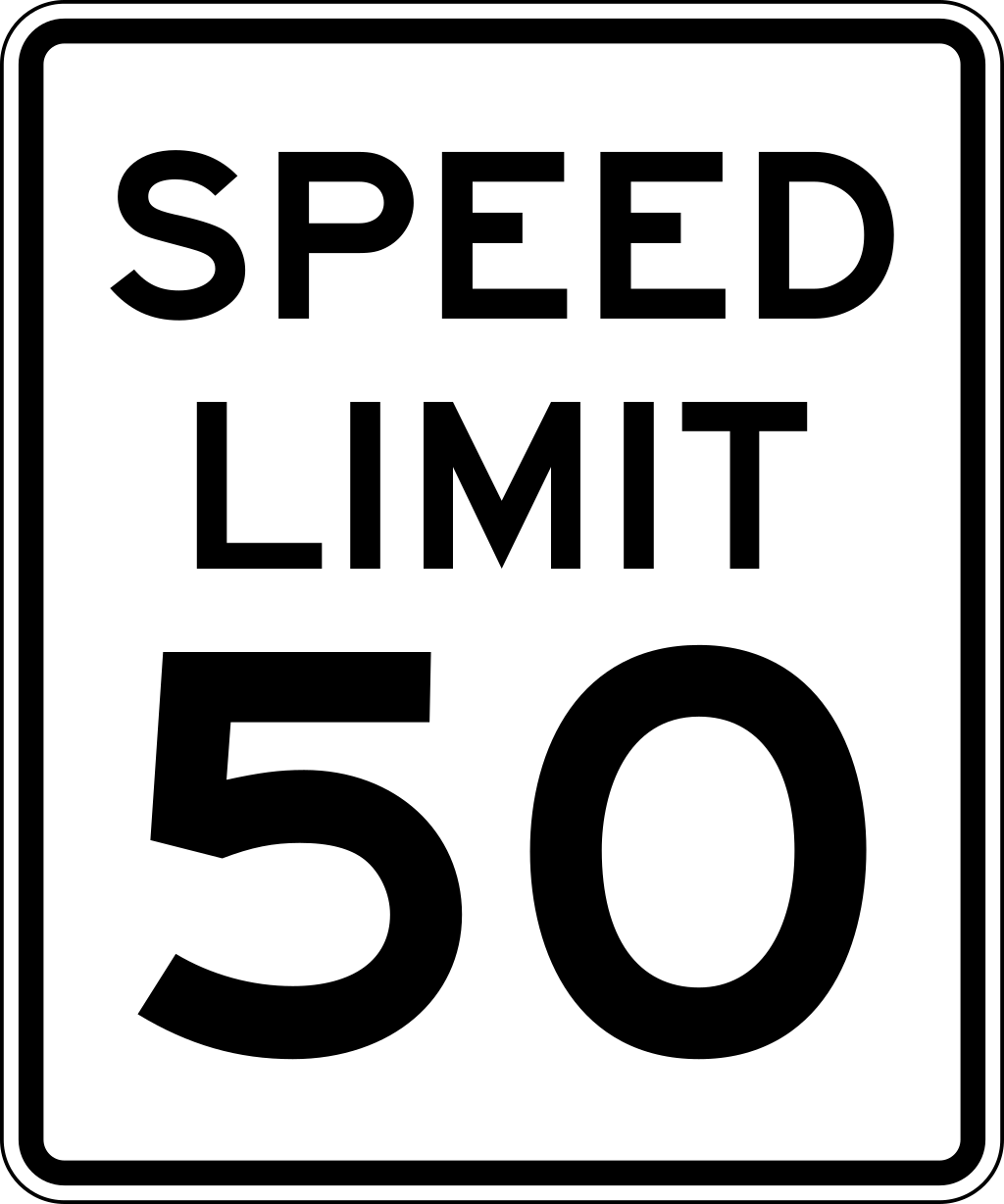 This road sign means:
A
You must travel at the speed indicated
B
The maximum speed limit under ideal conditions
C
None of the above
No explanation available.
Question 10
When is the pavement most slippery?
A
If it's been raining several hours.
B
When it has just begun to rain.
C
When it's been raining from at least one hour.
No explanation available.
Question 11
What should you do when an aggressive driver confronts you?
A
Avoid eye contact with the aggressive driver.
B
Make eye contact.
C
Challenge the aggressive driver with increased speed.
No explanation available.
Question 12
For protection, motorcyclists are required to:
A
keep their headlights and taillights on at all times.
B
signal turns, lane changes and stops.
C
wear approved helmets.
No explanation available.
Question 13
As your speed increases it is most important to:
A
drive with both hands on steering wheel.
B
maintain a constant speed.
C
look farther ahead.
No explanation available.
Question 14
 This road sign warns drivers that:
A
left turns are not allowed at the intersection.
B
the road will make a sharp turn to the right.
C
another road enters the highway from the direction shown.
No explanation available.
Question 15
Directions given by traffic officers ___________ signs, signals or pavement markings.
A
take precedence over
B
are less important than
C
must obey
No explanation available.
Question 16
On what three conditions does your blood alcohol content (BAC) depend?
A
Your weight. How much alcohol you drink. How much time passes between drinks.
B
Your weight. The type of beverage you drink. How fit you are.
C
Your height. How much alcohol you drink. The type of beverage you drink.
No explanation available.
Question 17
 This regulatory road sign indicates that:
A
Vehicles must slow down and stay in the right lane.
B
The right hand lane is reserved for buses and car-pool vehicles.
C
Slower vehicles traveling on multiple lane highways must stay in the right hand lane.
No explanation available.
Question 18
Your red traffic signal changes to green while a pedestrian is crossing in your traffic lane. The right of way should be given:
A
by the pedestrian, but only when vehicles are turning left.
B
by the pedestrian.
C
to the pedestrian.
No explanation available.
Question 19
Where there is no bicycle lane, where on the road must a bicyclist ride?
A
on the left shoulder of the road.
B
near the right curb or edge of the road.
C
near the left edge of the road.
No explanation available.
Question 20
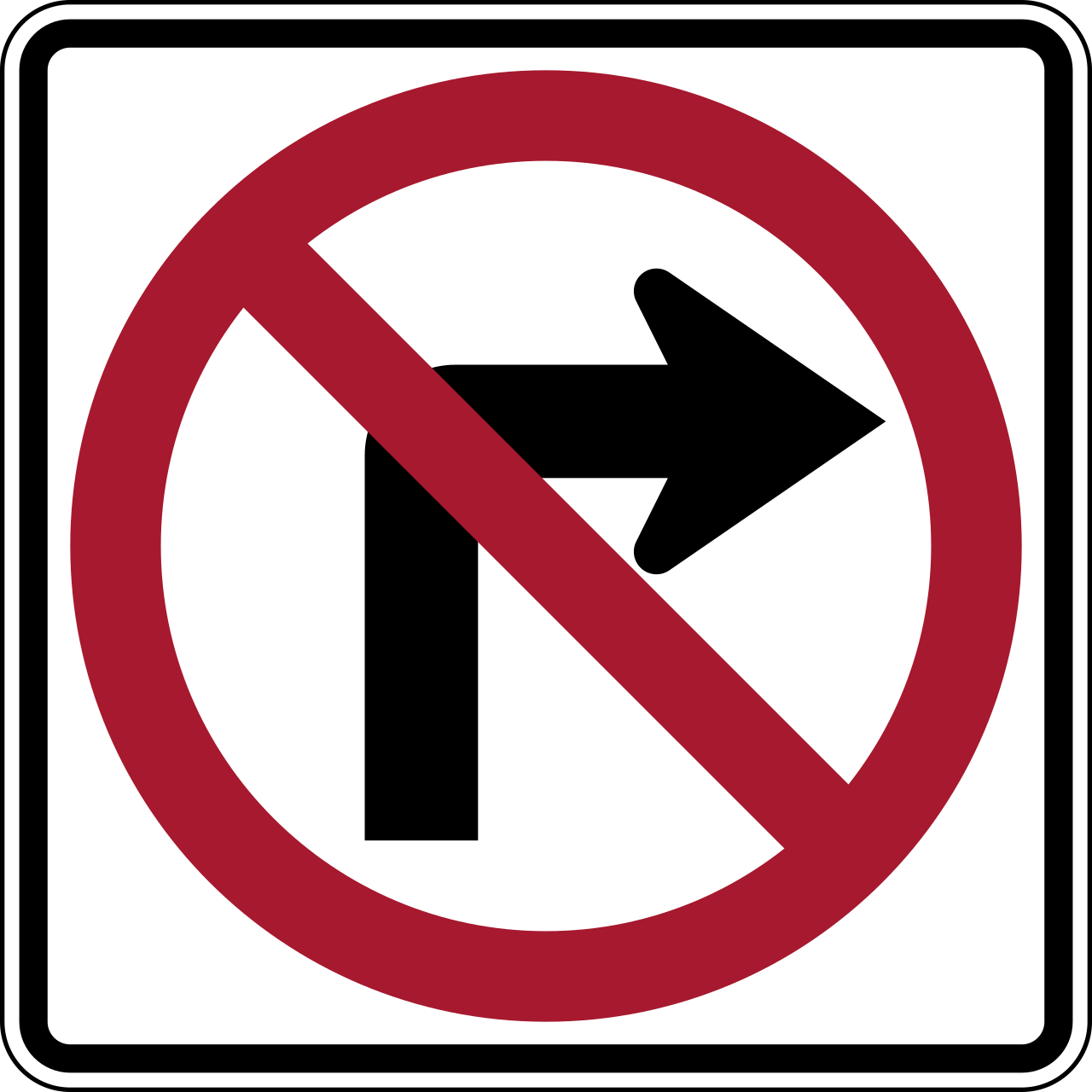 This road sign means:
A
Right turn is not permitted
B
Left turns are permitted
C
You may turn right after yielding the right-of-way to oncoming traffic
No explanation available.
Question 21
A solid yellow line next to a broken yellow line means that vehicles:
A
next to the solid line may pass.
B
in both directions may pass.
C
next to the broken line may pass.
No explanation available.
Question 22
BAC is expressed in:
A
percentage of alcohol to blood.
B
percentage of blood to alcohol.
C
ounces of alcohol in your blood.
No explanation available.
Question 23
There are two traffic lanes in your direction. You are driving in the left lane and many vehicles are passing you on the right, and the driver behind you wishes to drive faster. You should:
A
stay in your lane and maintain your current speed.
B
drive onto the left shoulder to let the other driver pass.
C
move over into the right lane when safe to do so.
No explanation available.
Question 24
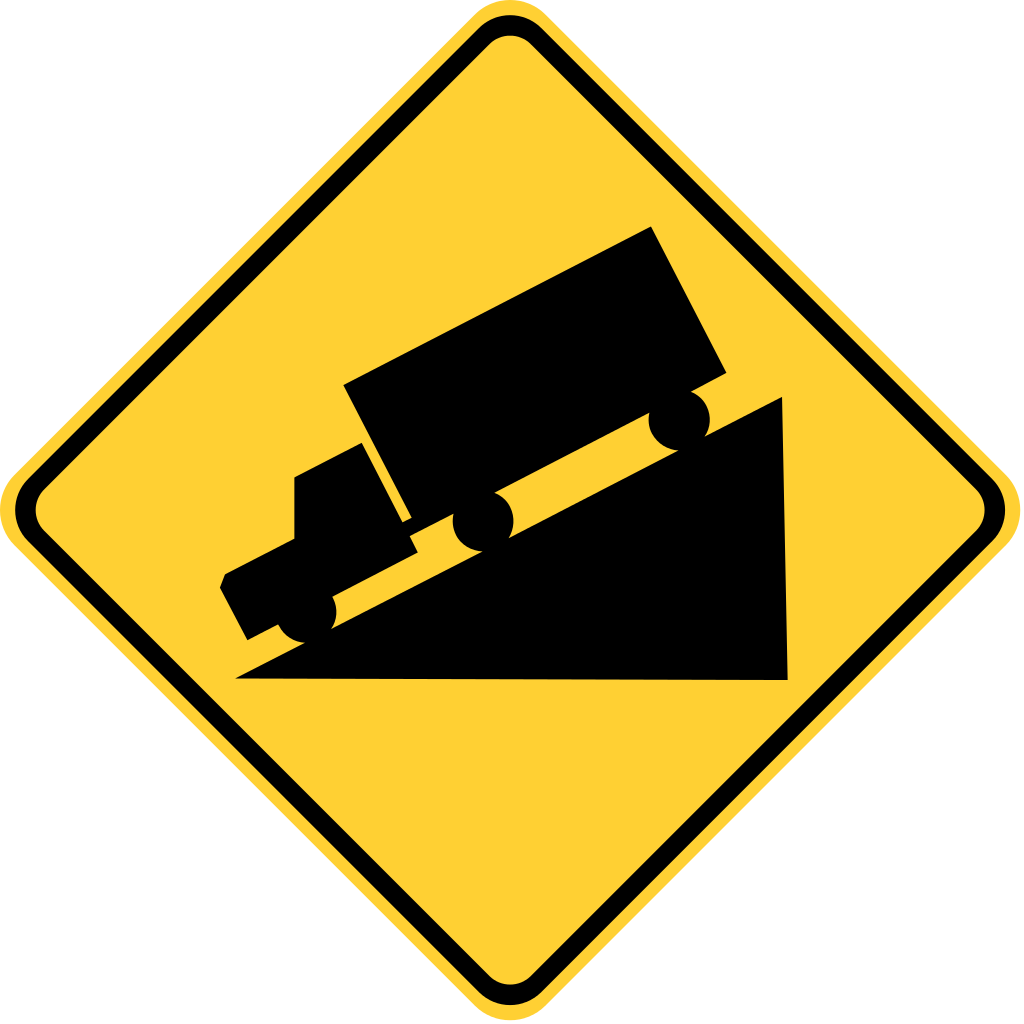 This sign warns of a ________ ahead.
A
hill
B
no passing zone
C
soft shoulder
No explanation available.
Question 25
If one of your tires blows out while driving, you should:
A
apply the brakes firmly and steer toward the right edge of the road.
B
pump the brakes.
C
hold the steering wheel firmly, slow down, and steer smoothly.
No explanation available.
Question 26
Most signs used in street work areas are:
A
round.
B
diamond shaped.
C
rectangle shaped.
No explanation available.
Question 27
Who is most at risk?
A
Drivers who are fatigued.
B
Drivers who are driving on long, boring roads.
C
All of the above.
No explanation available.
Question 28
A broken white line:
A
means passing or crossing is prohibited in that lane.
B
separates two lanes traveling in the same direction.
C
marks the right edge of the roadway.
No explanation available.
Question 29
Just like alcohol and other drugs, drowsiness can:
A
help you to be a better driver.
B
make you feel better.
C
impair your judgment.
No explanation available.
Question 30
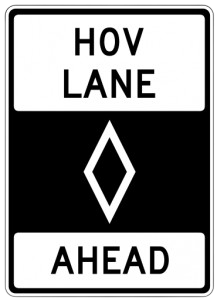 This road sign indicates that:
A
a lane is reserved for certain purposes or certain vehicles.
B
buses and car pools may not travel in the restricted lane.
C
vehicles cannot go straight ahead. Cars must turn either to the right or left.
No explanation available.
Question 31
This road sign means:
A
Merge
B
Side Road
C
Merging Traffic
D
All traffic must go straight ahead
No explanation available.
Question 32
What is the only effective method to reduce your BAC?
A
Eating before or while you drink.
B
Not drinking over a period of time.
C
Drinking coffee.
No explanation available.
Question 33
This road sign means:
A
No left turn
B
No right turn
C
No U-turns
No explanation available.
Question 34
 This road sign means:
A
Lane shifting
B
Merging traffic
C
Do not block intersection
No explanation available.
Question 35
Regulatory signs are:
A
white.
B
yellow.
C
green.
No explanation available.
Question 36
If you hear a thumping sound while driving, you should:
A
hook your shoe under the gas pedal and see if you can free it.
B
get off the road and check your tires.
C
try your emergency lights.
No explanation available.
Question 37
Drivers may need more space in front of their vehicle:
A
when following motorcycles.
B
when carrying a heavy load or pulling a trailer.
C
All of the above.
No explanation available.
Question 38
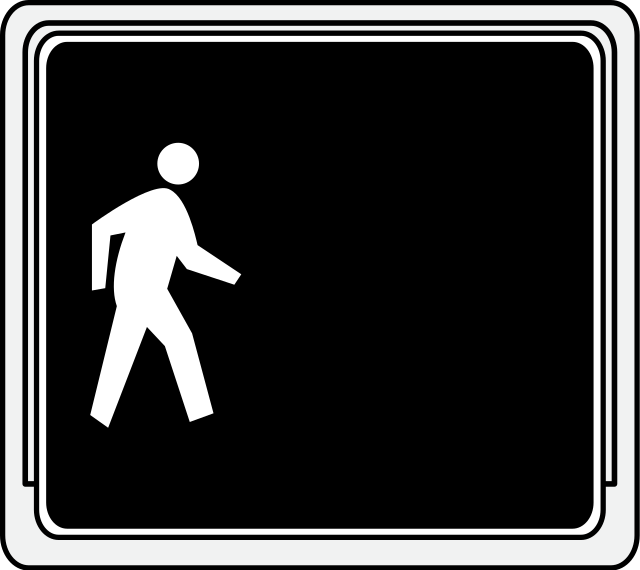 What does the pictured signal indicate?
A
A pedestrian may begin crossing the street.
B
Pedestrians may turn right.
C
A pedestrian may not not begin crossing the street.
No explanation available.
Question 39
Who is most at risk?
A
Drivers who have overslept.
B
Drivers who are driving long distances without rest breaks.
C
Experienced drivers.
No explanation available.
Question 40
Night driving can be more difficult because:
A
vehicle speed and distance are harder to judge.
B
there are more cars on the roads at night.
C
the speed limit is increased at night.
No explanation available.