 drivequiz.com
 Question 1
Motorcyclists have the right to:
A
use a complete traffic lane.
B
share a traffic lane with a vehicle.
C
use the shoulder of a roadway.
No explanation available.
Question 2
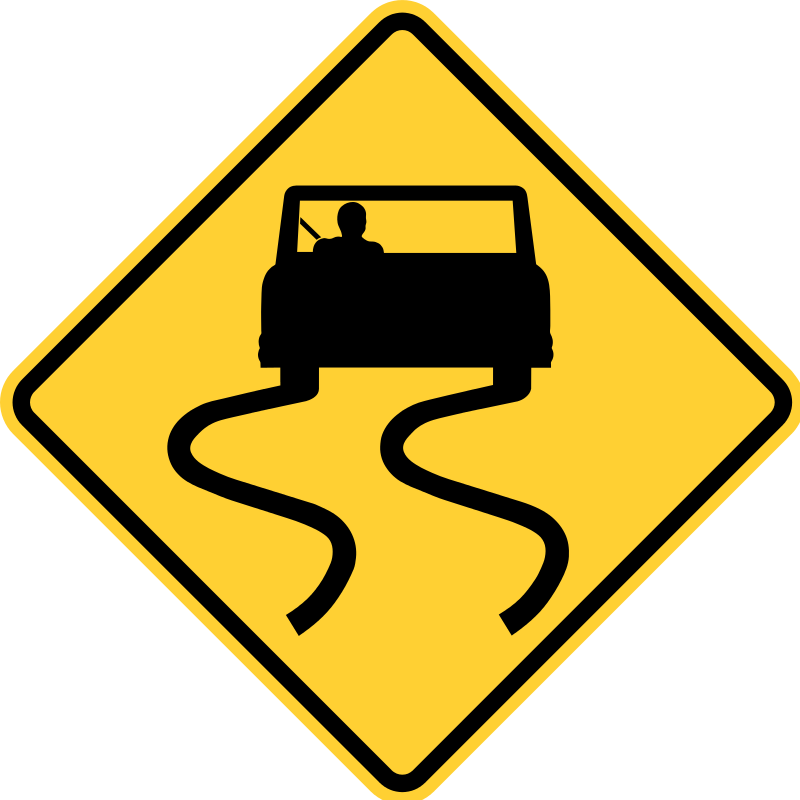 When they see this sign, drivers:
A
should be prepared to make sharp turns at a high speed.
B
need to be prepared to turn right and then left quickly.
C
should not speed up or brake quickly.
No explanation available.
Question 3
Drivers should change lanes:
A
often.
B
as quickly as possible.
C
gradually and carefully.
No explanation available.
Question 4
If you hear a thumping sound while driving, you should:
A
hook your shoe under the gas pedal and see if you can free it.
B
get off the road and check your tires.
C
try your emergency lights.
No explanation available.
Question 5
 This road sign means:
A
Yield sign ahead
B
Side road entering from the left
C
Side road
No explanation available.
Question 6
If you see a 'lane closed ahead' sign you should:
A
make a U-turn. You are on the wrong side of the road.
B
merge into the correct lane when it is safe.
C
speed to the end of the closed lane and try to get into the other lane.
D
None of the above.
No explanation available.
Question 7
When approaching a construction site, drivers should:
A
accelerate to get out of the way quickly.
B
slow down and adjust their driving manner.
C
honk their horn to alert construction workers of their presence.
No explanation available.
Question 8
It is unlawful to:
A
pass within 250 feet of any intersection.
B
exceed the posted speed limit when passing.
C
pass within 150 feet of any railroad crossing.
No explanation available.
Question 9
What type of pavement marking shows you which lane you must use for a turn?
A
Edge line
B
Diamond
C
Crosswalk Lines
D
Arrows
No explanation available.
Question 10
 This road sign means:
A
Merge right
B
Stop sign ahead
C
Reduction in lanes
No explanation available.
Question 11
What do pennant-shaped signs indicate?
A
A school crossing
B
Yield
C
A No Passing Zone
No explanation available.
Question 12
 When you see this sign you should:
A
increase your speed and try to pass other vehicles.
B
slow your speed and be prepared to stop.
C
slow your speed and do not pass other vehicles.
No explanation available.
Question 13
Two motorcyclists are allowed to:
A
ride side-by-side in a single lane.
B
share the lane with another vehicle.
C
race on empty roads.
No explanation available.
Question 14
You hear a siren close by but can not see where the emergency vehicle is. What do you do?
A
Keep driving until you are sure the emergency vehicle is headed toward you.
B
Stop immediately and activate your emergency flashers.
C
Pull over to the right side of the road and stop until you are sure the emergency vehicle is not headed toward you.
No explanation available.
Question 15
Left turns on a red light are allowed:
A
from a one-way street into a one-way street.
B
Never.
C
at intersections, after stopping, if the way is clear.
No explanation available.
Question 16
This sign means:
A
The road will curve to the right, then to the left.
B
Road slippery when wet. Drive slowly.
C
Winding road ahead. Drive with caution.
No explanation available.
Question 17
When driving in fog, drivers should use:
A
low beam headlights.
B
parking lights.
C
high beam headlights.
No explanation available.
Question 18
 This road sign means:
A
Slow down or stop
B
Stop
C
Road narrows ahead
No explanation available.
Question 19
Which statement about drinking alcohol and driving is true?
A
Alcohol affects judgement and coordination, which are needed to drive safely.
B
After drinking, a cold shower will sober you up.
C
If you are under the legal BAC limit, your driving is not affected.
No explanation available.
Question 20
At a stop sign there is no stop line or crosswalk. You must stop:
A
before you enter the intersection.
B
at the next crosswalk.
C
after you enter the intersection, if you have a clear view of traffic on the intersecting roadway.
No explanation available.
Question 21
Blind spots are:
A
Dangerous intersection where the maximum speed limit is 15 MPH or less.
B
At night, the darkest areas of a road, where emergency flashers should be used.
C
Areas to the side or rear of a vehicle that the driver cannot see with use of mirrors.
No explanation available.
Question 22
Never make a U-turn from:
A
the lane you’re in.
B
the right lane.
C
the left part of the lane nearest to the centerline of the roadway.
No explanation available.
Question 23
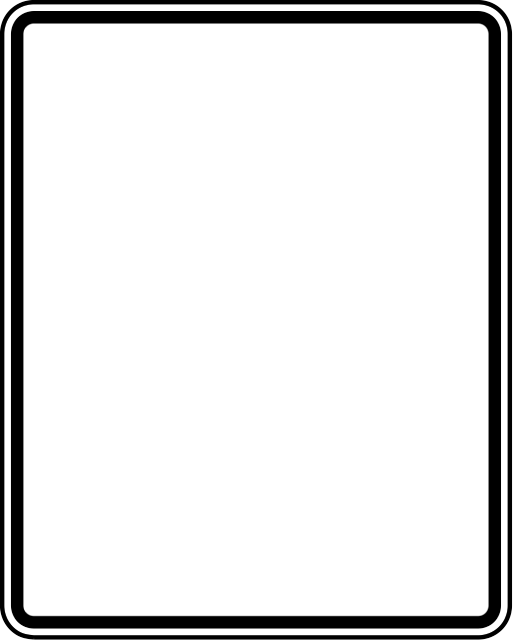 Vertical rectangles tell drivers:
A
the law.
B
what is not allowed.
C
the direction they should travel.
No explanation available.
Question 24
Who is most at risk?
A
Drivers who have overslept.
B
Drivers who are driving long distances without rest breaks.
C
Experienced drivers.
No explanation available.
Question 25
 This road sign is:
A
a speed reduction sign.
B
a warning sign.
C
a regulatory sign.
No explanation available.