 drivequiz.com
 Question 1
Drinking alcohol affects:
A
Your coordination.
B
Your vision.
C
All of the above.
No explanation available.
Question 2
If the entrance lane is too short to allow acceleration to expressway speed, you should:
A
stop and wait for a large space in traffic.
B
enter the expressway and accelerate quickly.
C
reduce your speed to 15 MPH or less and blend with traffic.
No explanation available.
Question 3
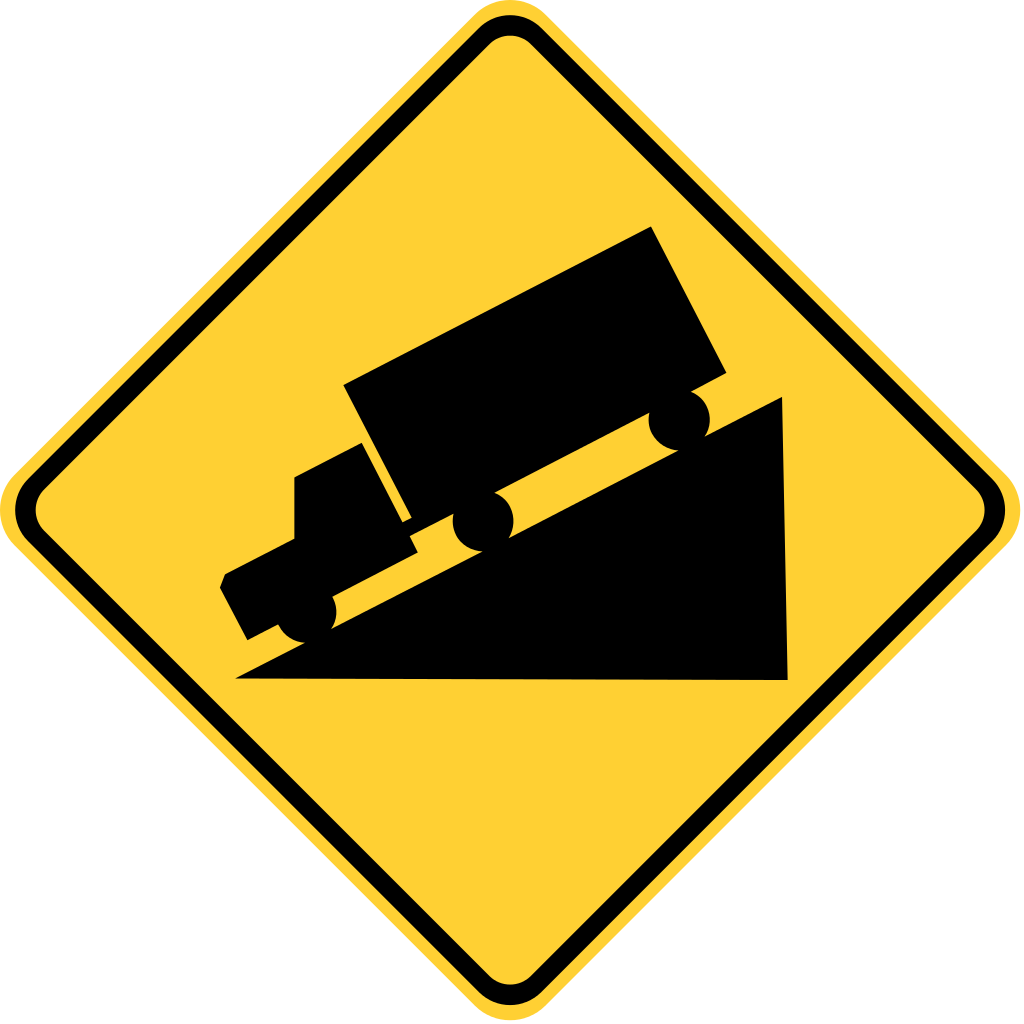 This road sign means:
A
Hill ahead
B
Trucks merging from the right
C
Side road ahead
D
Keep left
No explanation available.
Question 4
Road signs that point out scenic areas and parks are:
A
brown and white.
B
black and orange.
C
green and white.
No explanation available.
Question 5
Defensive driving is the operation of a motor vehicle in a manner that is likely to endanger persons or property.
A
True
B
False
No explanation available.
Question 6
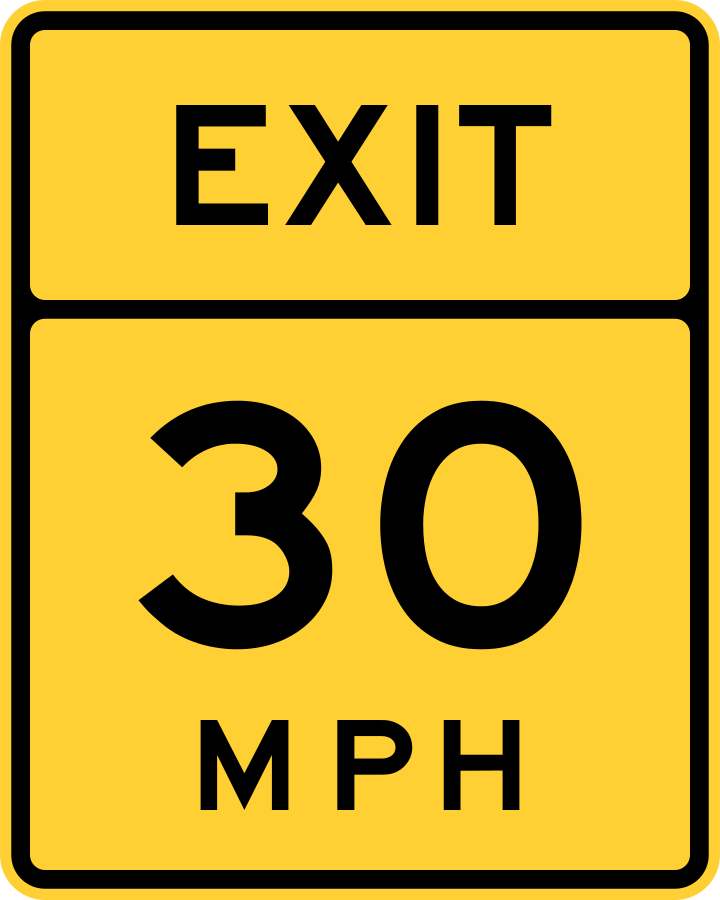 The sign in the picture:
A
shows the highest speed drivers can travel at the exit of the intersection.
B
is used to advise motorists of the appropriate ramp speed at the highway exit point.
C
indicates the minimum ramp speed at the highway exit point.
No explanation available.
Question 7
Drivers in a funeral procession should:
A
have their headlights and hazard lights turned on.
B
yield the right of way to all vehicles in the procession.
C
pass other vehicles in the procession.
No explanation available.
Question 8
Passing on a two-lane, two-way road is not allowed:
A
within 500 feet of an intersection or railroad crossing.
B
in an area marked by a broken yellow line on your side of the center of the road.
C
when a vehicle has stopped at an intersection to allow a pedestrian to cross.
No explanation available.
Question 9
Unless otherwise posted, the speed limit on interstates and tollways is:
A
55 MPH.
B
70 MPH.
C
45 MPH.
No explanation available.
Question 10
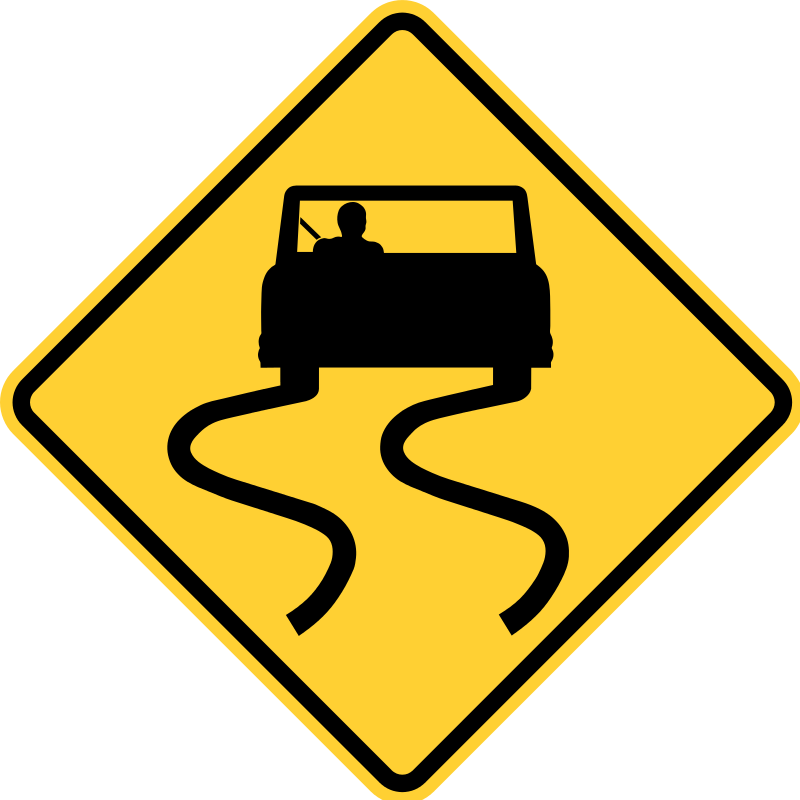 This road sign means:
A
Winding road
B
Side road ahead
C
Slippery when wet
No explanation available.
Question 11
It is against the law to flash your turn signals as a “do pass” signal to other drivers.
A
True
B
False
No explanation available.
Question 12
The potential consequences of driving under the influence of alcohol or other drugs include:
A
a mandatory fine.
B
imprisonment.
C
All of the above.
No explanation available.
Question 13
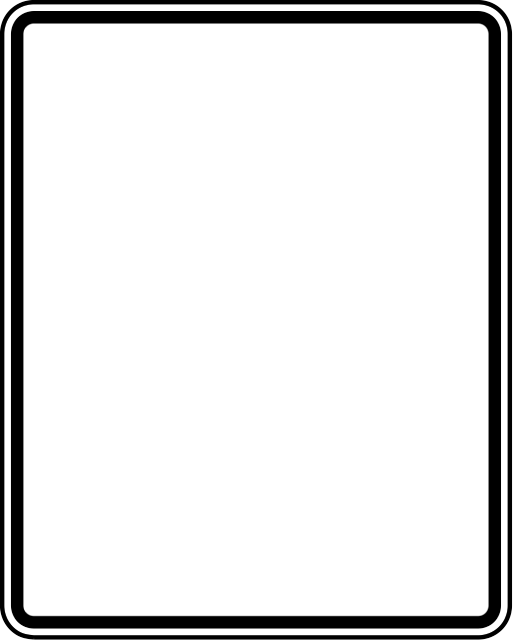 Vertical rectangles tell drivers:
A
the law.
B
what is not allowed.
C
the direction they should travel.
No explanation available.
Question 14
What should you do in case of a brake failure?
A
Pull off the road into an open space, if available.
B
Apply the parking brake slowly.
C
All of the above.
No explanation available.
Question 15
 This sign, displayed on the rear of a vehicle, indicates that:
A
the vehicle is traveling 25 MPH or less.
B
the vehicle makes sudden stops.
C
the vehicle is being drawn by an animal.
No explanation available.
Question 16
Orange signs alert drivers to possible dangers ahead due to construction and maintenance projects.
A
True
B
False
No explanation available.
Question 17
The yield sign is ___ and white, with ___ letters.
A
yellow; black
B
red; red
C
red; white
No explanation available.
Question 18
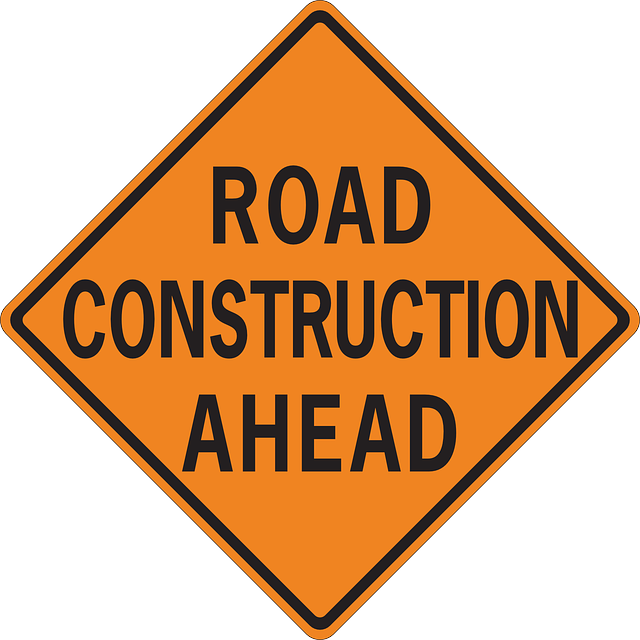 This road sign means:
A
No passing zone.
B
Drivers should drive with caution.
C
Sharp right turn ahead.
No explanation available.
Question 19
You are driving and you are feeling drowsy. You should:
A
avoid drinking coffee.
B
turn on the radio to keep you awake.
C
find a safe place to stop for a break.
No explanation available.
Question 20
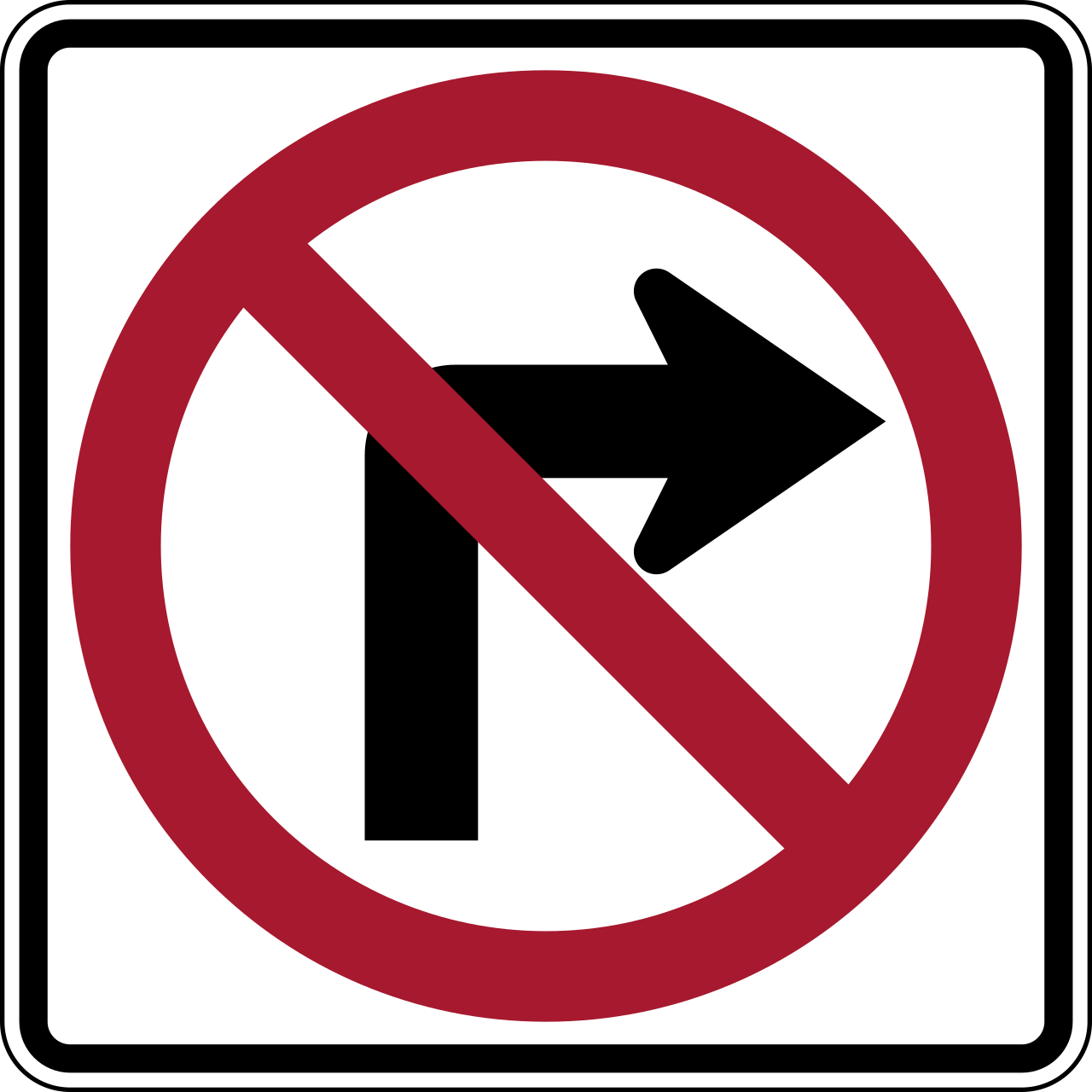 This road sign means:
A
Right turn permitted on red light
B
Drivers must turn right
C
No U-turns
D
No right turn permitted
No explanation available.
Question 21
Signs that alert you to pedestrian crossings and school zones are:
A
yellow.
B
orange.
C
yellow-green.
No explanation available.
Question 22
 This road sign means:
A
Slow down and yield to traffic on main road when merging
B
Always come to a complete stop
C
Lane reduction ahead
D
You must come to a complete stop and yield right-of-way
No explanation available.
Question 23
What should you do if a vehicle is approaching head-on in your lane?
A
Pull over to the left and use your emergency lights to stop the other driver.
B
Decrease speed, pull over to the right and sound your horn to warn the other driver.
C
Turn off the ignition if your vehicle has power steering.
No explanation available.
Question 24
Who is most at risk?
A
Drivers who are fatigued.
B
Drivers who are driving on long, boring roads.
C
All of the above.
No explanation available.
Question 25
If you are under age 21 and convicted of DUI, you face the revocation of your driving privileges for a minimum of ______________ for a first conviction.
A
two years
B
18 months
C
one year
No explanation available.
Question 26
Loads extending 4 feet or more to the rear of a vehicle must be marked with a red flag during the day.
A
True
B
False
No explanation available.
Question 27
Alcohol:
A
makes you less aware of what is happening to your driving abilities.
B
makes it easier to make correct decisions.
C
improves your reaction time.
No explanation available.
Question 28
If a vehicle starts to hydroplane, the driver should quickly apply the brakes.
A
False
B
True
No explanation available.
Question 29
An orange sign means drivers should be alert, adjust their speed and be prepared to stop if necessary.
A
True
B
False
No explanation available.
Question 30
Unless authorized to do so, drivers may not break into the line of a funeral procession.
A
True
B
False
No explanation available.
Question 31
An emergency vehicle that uses lights and a siren can be unpredictable. Why?
A
The driver can legally pass red lights.
B
Emergency vehicles must go faster than the posted speed limit when it is safe to do so.
C
Emergency vehicle drivers are not required to be careful.
No explanation available.
Question 32
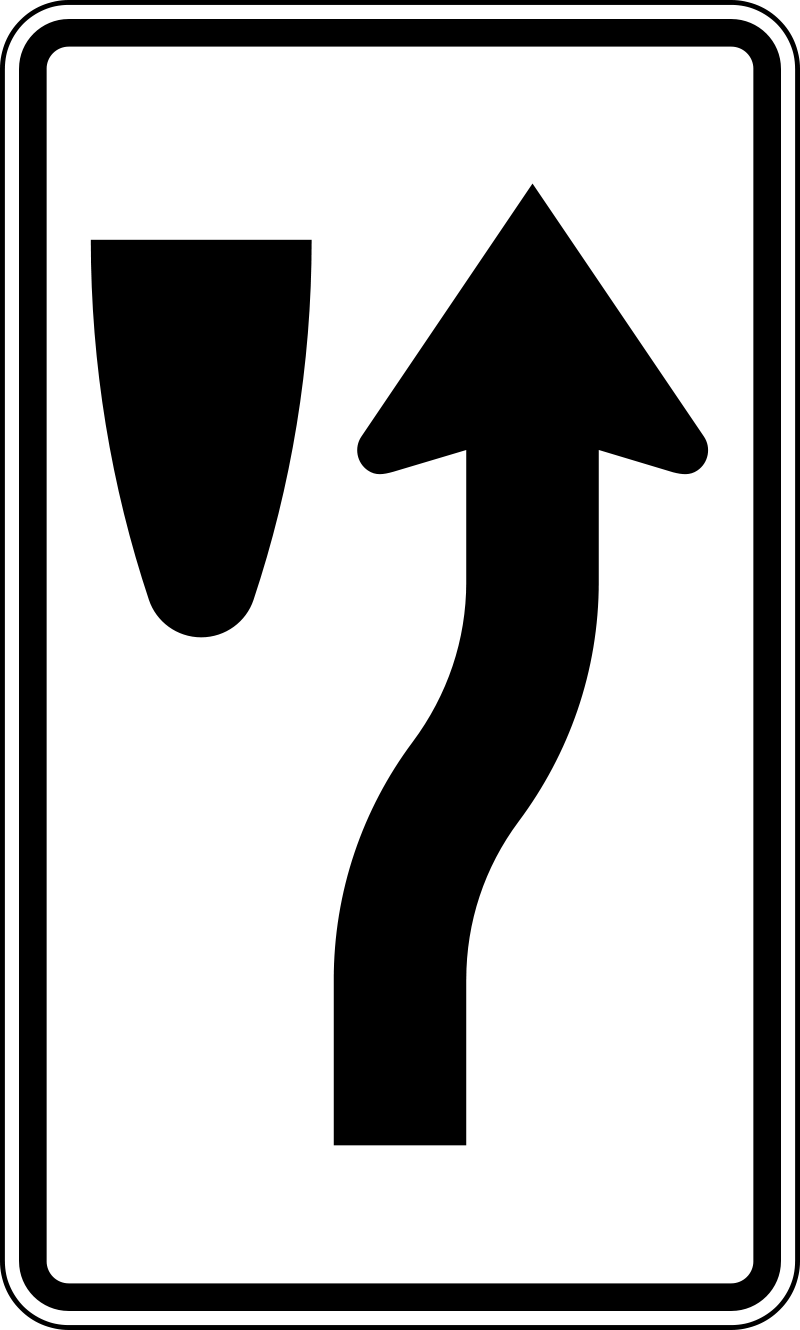 This sign tells drivers that:
A
there is a right turn ahead.
B
they must stay on the right side of the divider
C
a divided highway ends ahead.
No explanation available.
Question 33
You must yield the right-of-way to an approaching vehicle when you are:
A
Turning left.
B
Already in an intersection.
C
Already in a traffic circle.
No explanation available.
Question 34
Passing on a two-lane, two-way road is not allowed:
A
on a hill where it is not possible to see oncoming vehicles.
B
if there is a solid yellow line on your side of the center of the road.
C
All of the above.
No explanation available.
Question 35
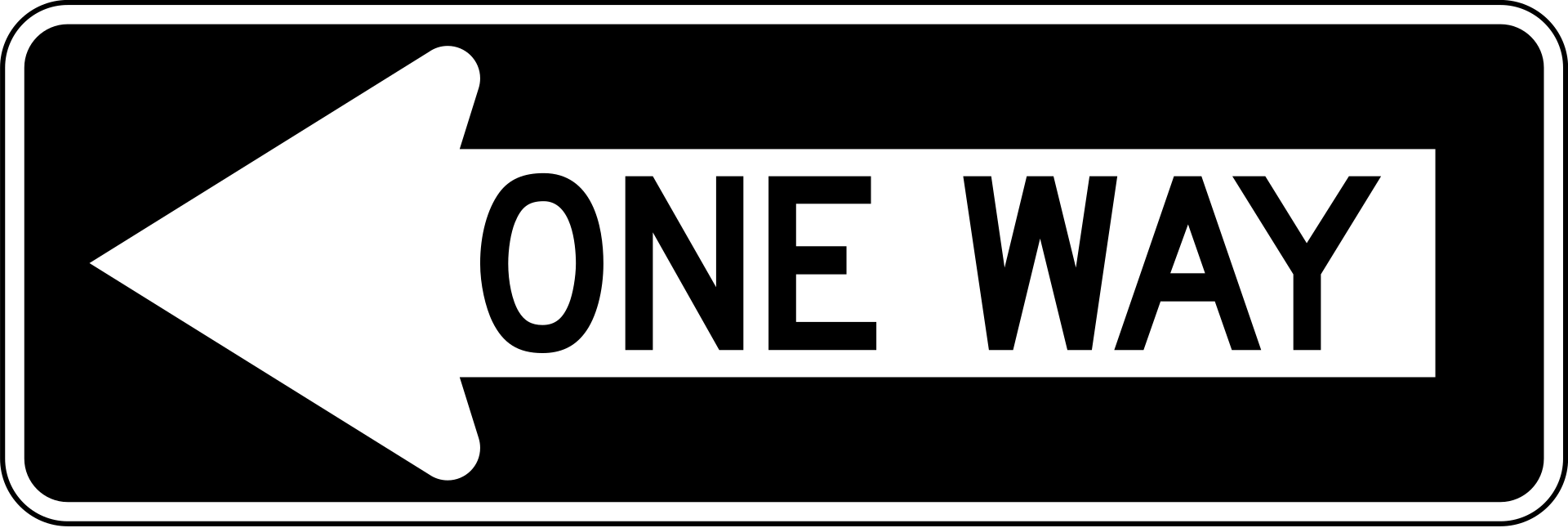 The ‘One Way’ sign means that:
A
only vehicles turning left may travel in the direction of the arrow.
B
there is only one road that turns left at the intersection.
C
drivers may travel only in the direction of the arrow.
No explanation available.