 drivequiz.com
 Question 1
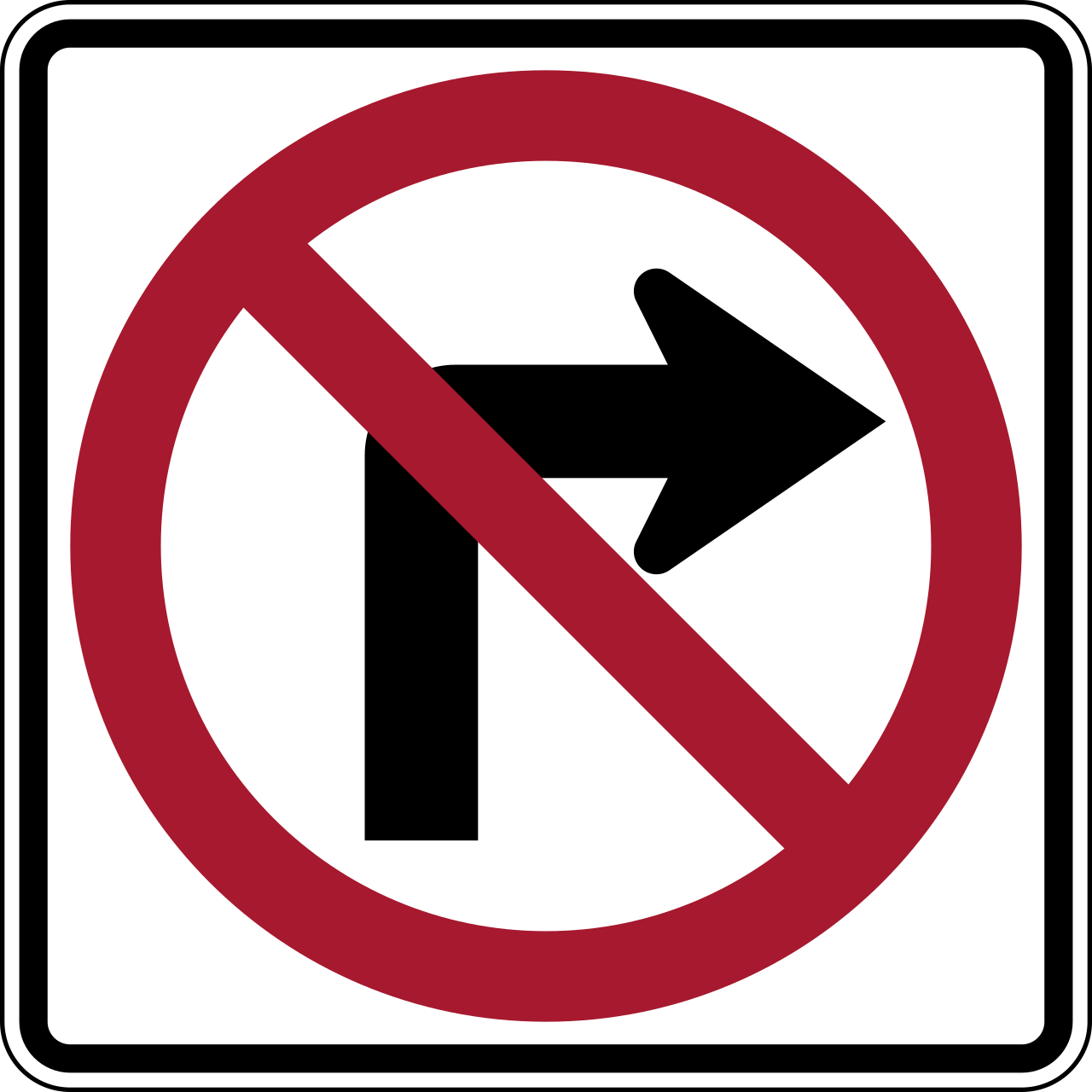 This sign tells drivers that:
A
they must make a left turn at the intersection.
B
U-turns are not allowed.
C
they must not make a right turn.
D
None of the above.
No explanation available.
Question 2
Road signs that point out scenic areas and parks are:
A
brown and white.
B
black and orange.
C
green and white.
No explanation available.
Question 3
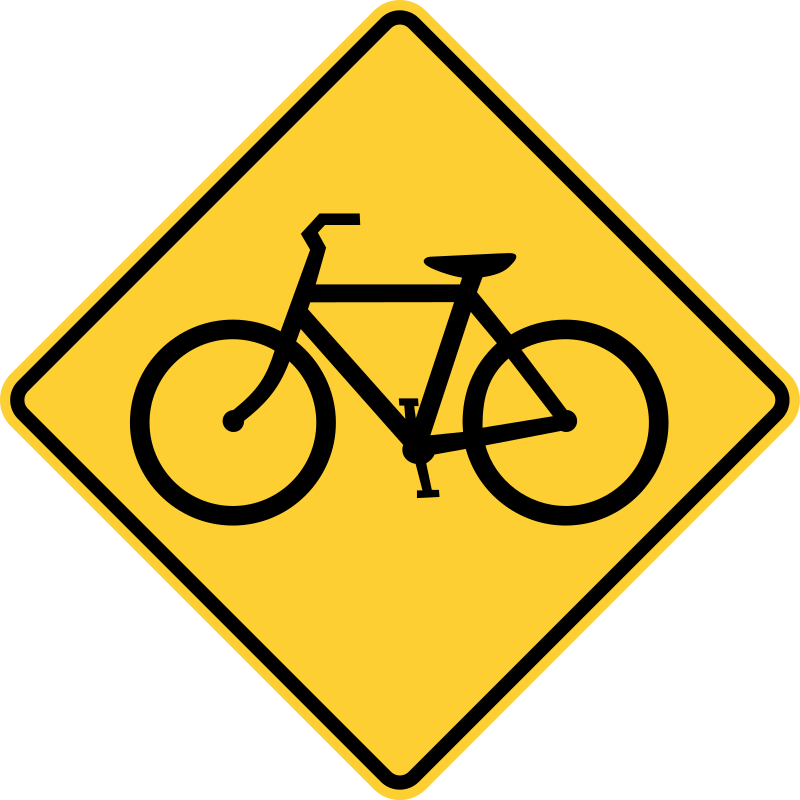 This sign means:
A
Bicycles should yield to vehicles ahead.
B
Warning: a bikeway crosses the roadway ahead.
C
The lane ahead is reserved for bicycles.
No explanation available.
Question 4
 When you see this sign you should:
A
increase your speed and try to pass other vehicles.
B
slow your speed and be prepared to stop.
C
slow your speed and do not pass other vehicles.
No explanation available.
Question 5
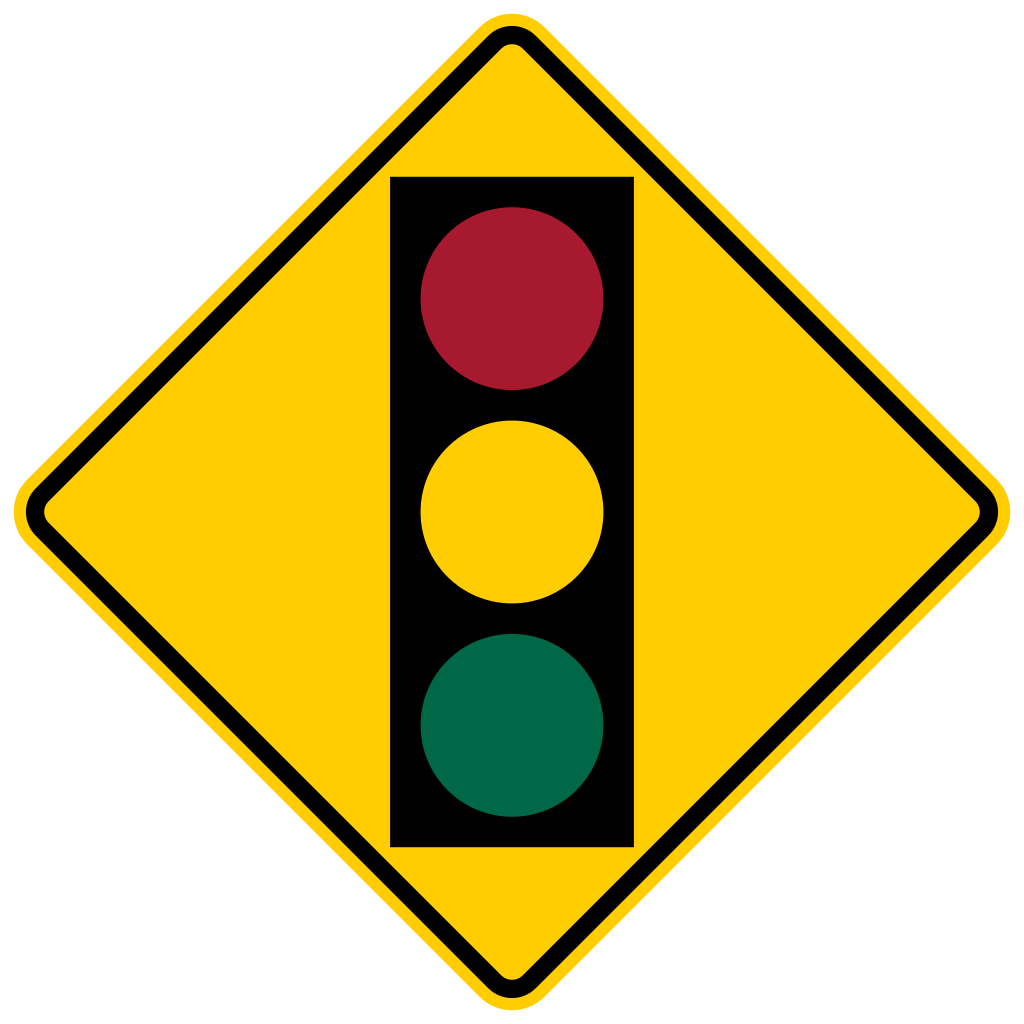 This road sign means:
A
Traffic signal ahead
B
Stop
C
Yield the right-of-way
No explanation available.
Question 6
Warning signs normally are:
A
rectangles.
B
triangles.
C
diamond-shaped.
No explanation available.
Question 7
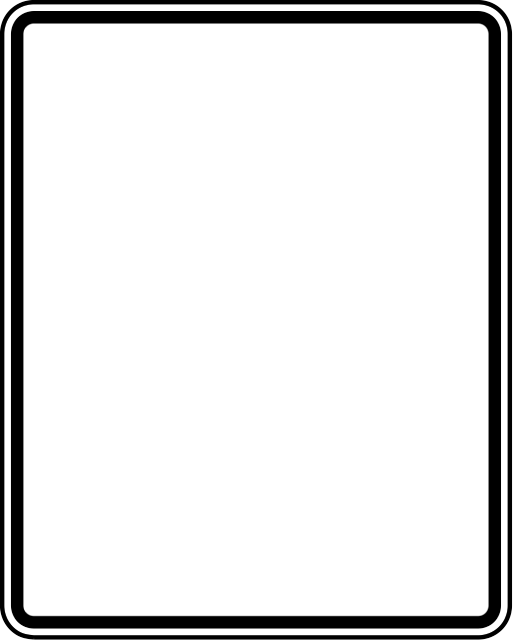 Vertical rectangles tell drivers:
A
the law.
B
what is not allowed.
C
the direction they should travel.
No explanation available.
Question 8
Where are yield signs usually placed?
A
At intersections, if there is no marked stop line.
B
Where auxiliary roads lead into major roads.
C
Where major roads lead into auxiliary roads.
No explanation available.
Question 9
 This sign warns ____________ ahead.
A
of two-way traffic
B
of a reduction of lanes
C
that a divided highway ends
No explanation available.
Question 10
Which shape is a speed limit sign?
A
Round
B
Pentagon
C
Vertical rectangle
No explanation available.
Question 11
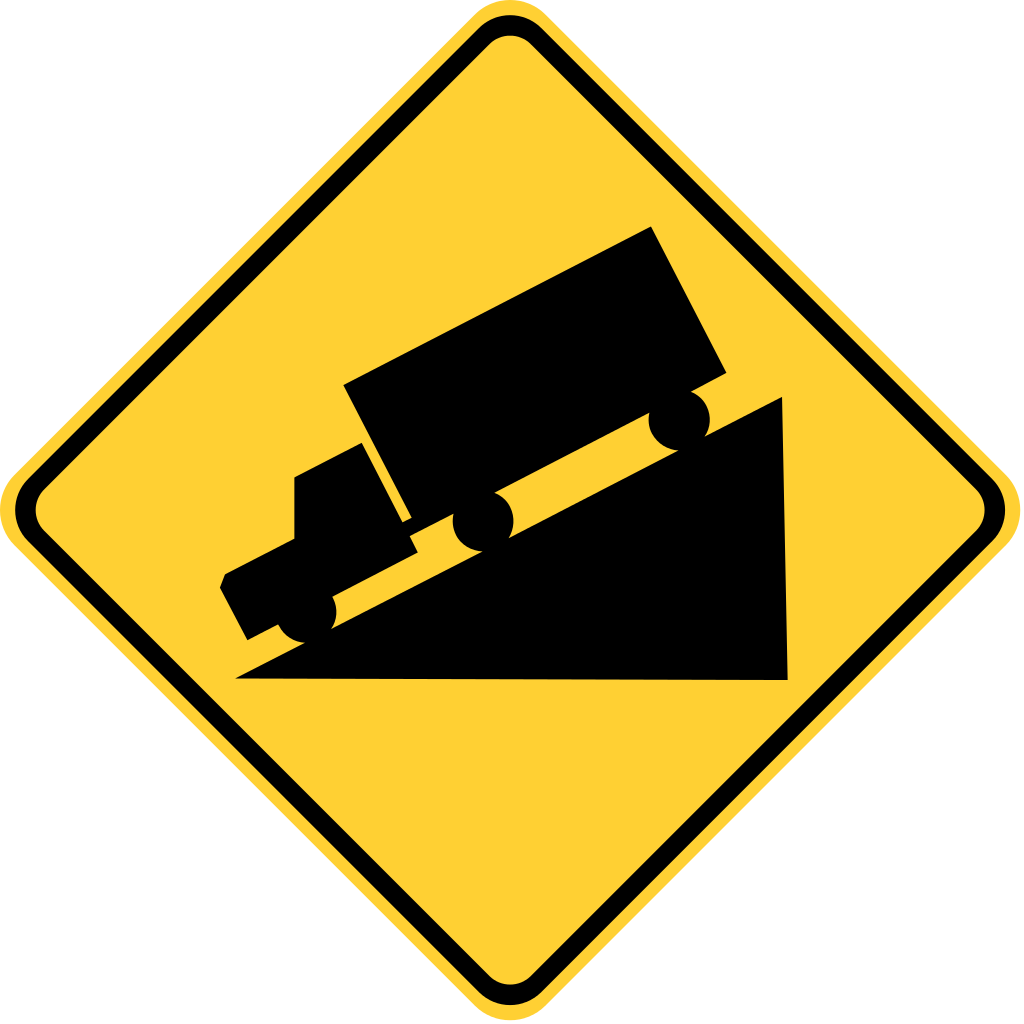 This road sign means:
A
Watch for trucks entering from the side
B
Merging traffic
C
Steep hill
No explanation available.
Question 12
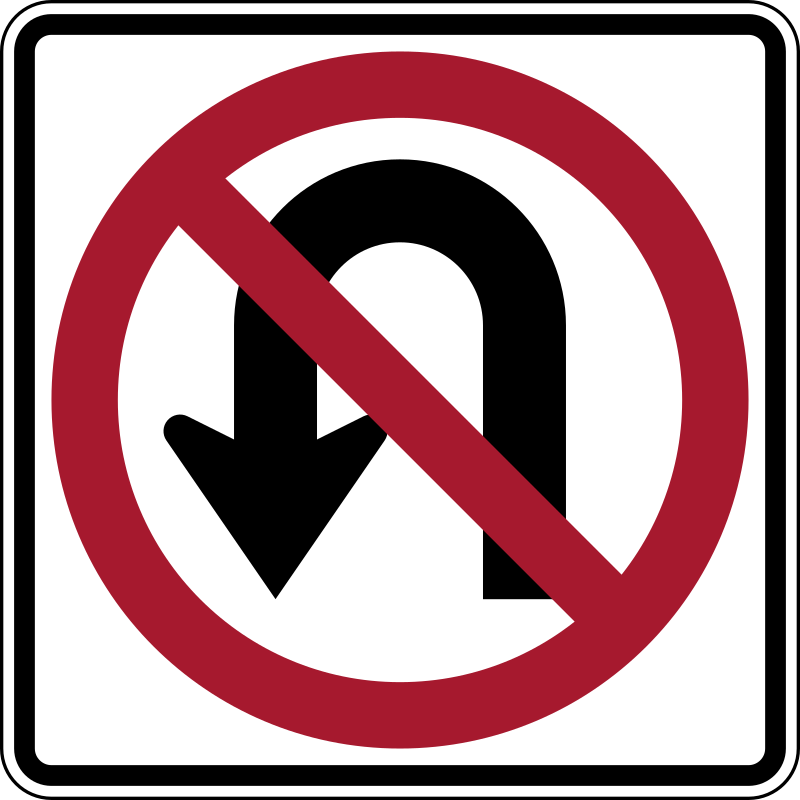 The picture shows a _________ sign.
A
no U-turn
B
no left turn
C
sharp turn
No explanation available.
Question 13
This road sign means:
A
No left turn
B
No U-turn
C
Detour ahead
No explanation available.
Question 14
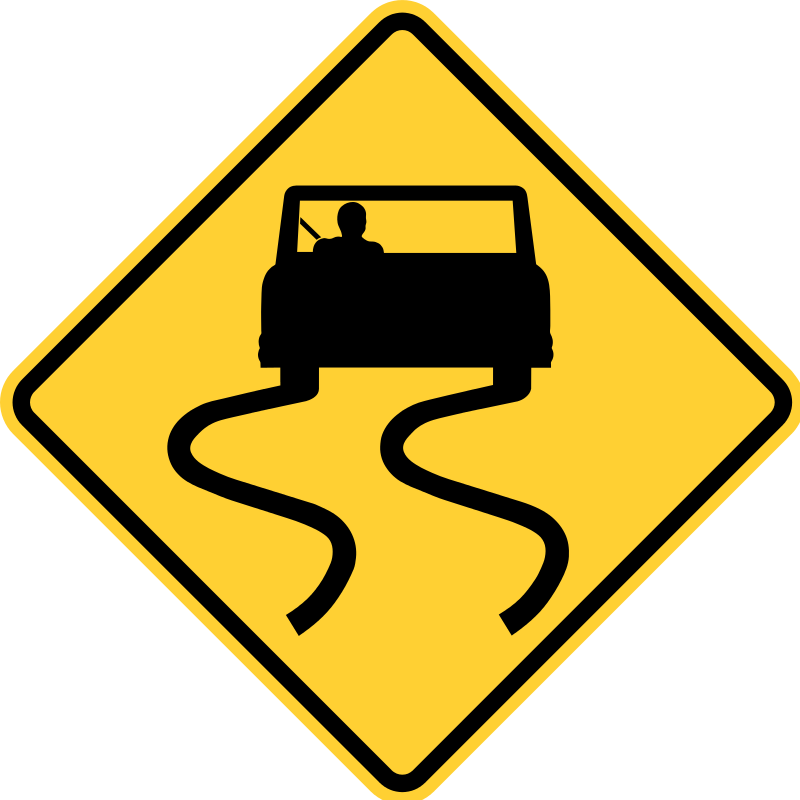 When they see this sign, drivers:
A
should be prepared to make sharp turns at a high speed.
B
need to be prepared to turn right and then left quickly.
C
should not speed up or brake quickly.
No explanation available.
Question 15
This road sign means:
A
Winding road
B
Side road ahead
C
Slippery when wet
No explanation available.
Question 16
This road sign means:
A
School zone ahead
B
Keep right
C
Two-way Traffic
No explanation available.
Question 17
 This sign means:
A
divided highway ahead.
B
narrow bridge ahead.
C
road construction.
D
lane ends, merge left.
No explanation available.
Question 18
 This road sign means:
A
Pavement ends
B
Winding road
C
Double curve ahead
No explanation available.
Question 19
A red traffic sign means?
A
Construction warning.
B
Railroad crossing.
C
Stop.
No explanation available.
Question 20
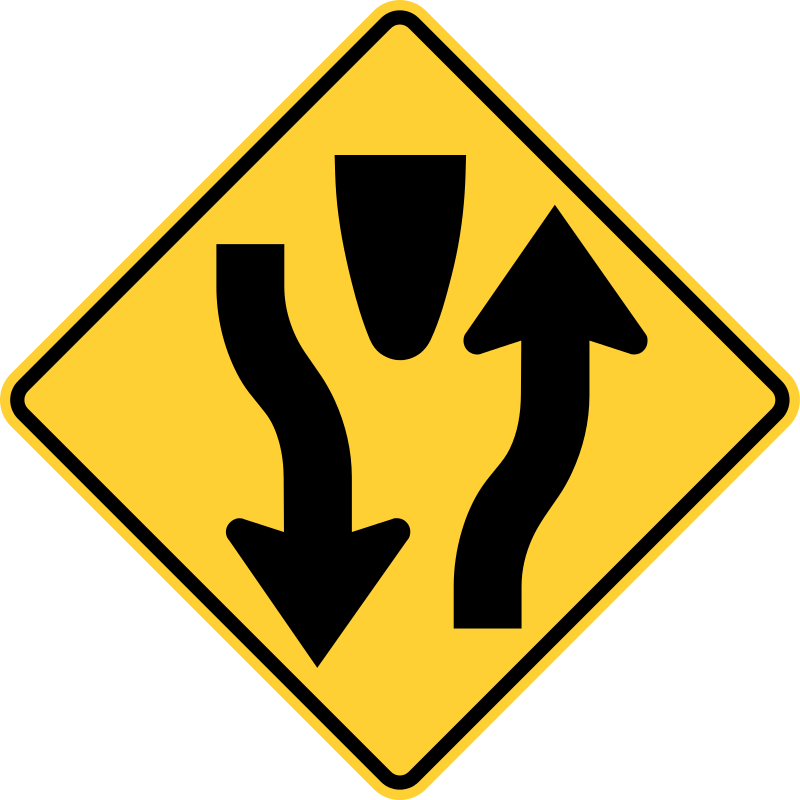 This road sign means:
A
Keep left
B
Divided highway begins
C
Lane ends
No explanation available.
Question 21
If you see a “lane closed ahead” sign you should:
A
make a U-turn. You are on the wrong side of the road.
B
merge into the correct lane when it is safe.
C
speed to the end of the closed lane and try to get into the other lane.
No explanation available.
Question 22
When following a motorcycle, drivers must remember that motorcycles can ____________ than other vehicles.
A
accelerate much faster
B
stop much more quickly
C
stop much more slowly
No explanation available.
Question 23
Alcohol:
A
makes drivers more prone to take chances.
B
increases reaction time.
C
All of the above.
No explanation available.
Question 24
To drive defensively, you must:
A
anticipate errors by other drivers.
B
assume that a driver who approaches a STOP sign on a side road is actually going to stop.
C
not check behind you through your mirrors.
No explanation available.
Question 25
When they see a crossbuck sign, drivers:
A
must slow down and wait for the red lights to flash.
B
must always come to a complete stop.
C
are legally required to yield the right of way to trains.
No explanation available.
Question 26
A driver who approaches an intersection:
A
must yield the right-of-way to traffic already in the intersection.
B
must drive straight through the intersection, even if another vehicle is already in the intersection.
C
has the right-of-way over traffic already in the intersection.
No explanation available.
Question 27
You may pass on the right of another vehicle:
A
when traveling on a multi-lane highway with two or more lanes of traffic in the same direction.
B
when the other vehicle is waiting to turn left, when a lane is provided to pass on the right.
C
All of the above.
No explanation available.
Question 28
What does it mean If an oncoming driver flashes headlights at you during a period of low visibility?
A
Your headlights are too bright. You should turn them off.
B
Your vehicle was difficult to see. You should turn on your headlights.
C
Your headlights are too bright. You should use parking lights instead.
No explanation available.
Question 29
If a vehicle suddenly cuts in front of you creating a hazard, which of these actions should you take first?
A
Sound your horn and step on the brake firmly.
B
Swerve into the lane next to you.
C
Take your foot off the gas pedal.
No explanation available.
Question 30
Drivers should be aware that a motorcyclist may:
A
decrease speed and rise off the seat when approaching a railroad crossing.
B
quickly change speed or lane position.
C
All of the above.
No explanation available.
Question 31
What should you do when an aggressive driver confronts you?
A
Avoid eye contact with the aggressive driver.
B
Make eye contact.
C
Challenge the aggressive driver with increased speed.
No explanation available.
Question 32
To reduce their chances of colliding with an animal, drivers should:
A
scan the sides of the road to watch for the reflection of vehicle headlights in the eyes of animals.
B
look well down the road and far off to each side.
C
All of the above.
No explanation available.
Question 33
At intersections, crosswalks, and railroad crossings, drivers should always:
A
look to the sides of their vehicle to see what is coming.
B
slowly pass vehicles the vehicles ahead.
C
stop, listen for oncoming traffic, and proceed with caution.
No explanation available.
Question 34
You are driving and you are feeling drowsy. You should:
A
avoid drinking coffee.
B
turn on the radio to keep you awake.
C
find a safe place to stop for a break.
No explanation available.
Question 35
When the traffic light is green, but traffic is blocking the intersection, drivers should:
A
enter the intersection and wait for traffic to clear.
B
not enter the intersection until they can get completely across.
C
honk their horn to establish their right-of-way.
No explanation available.
Question 36
When you prepare to make a left turn from a one-way road into a one-way road, you must:
A
move into the right lane, or to the left side of a single lane.
B
move into the right lane, or to the right side of a single lane.
C
move into the left lane, or to the left side of a single lane.
No explanation available.
Question 37
There is no crosswalk and a pedestrian is crossing your lane ahead. You should:
A
stop and let the pedestrian finish crossing the street.
B
slow down as you pass the pedestrian.
C
make eye contact and then pass the pedestrian.
No explanation available.
Question 38
To maintain an adequate 'space cushion' to the front, drivers need to:
A
keep a safe distance between their car and the vehicle in front.
B
The other answers are both correct.
C
control their speed to suit the road and traffic conditions.
No explanation available.
Question 39
Who has a greater risk of being involved in a traffic crash?
A
Drivers who are driving alone.
B
Young people.
C
All of the above.
No explanation available.
Question 40
Unlike passenger cars, trucks have blind spots:
A
on the right.
B
directly behind them.
C
on the front.
No explanation available.