 drivequiz.com
 Question 1
 This road sign means:
A
Lane reduction - the left lane ends soon
B
Highway entrance ramp ahead
C
Lane reduction - the right lane ends soon
No explanation available.
Question 2
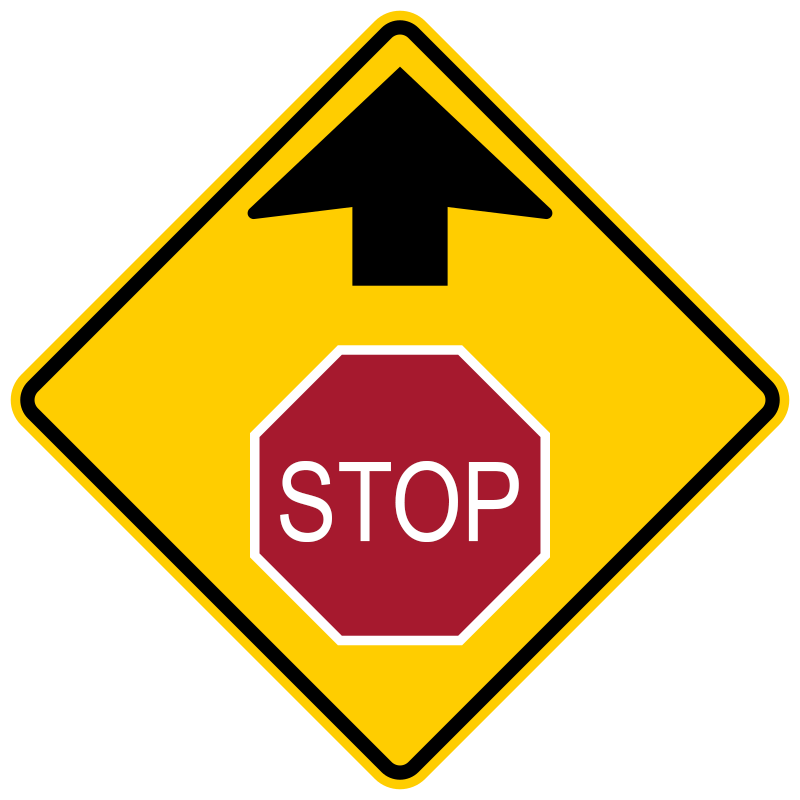 When drivers come to this sign, they must:
A
be ready to stop at the stop sign.
B
warn other drivers that a stop sign is ahead.
C
brake sharply and come to a complete stop.
No explanation available.
Question 3
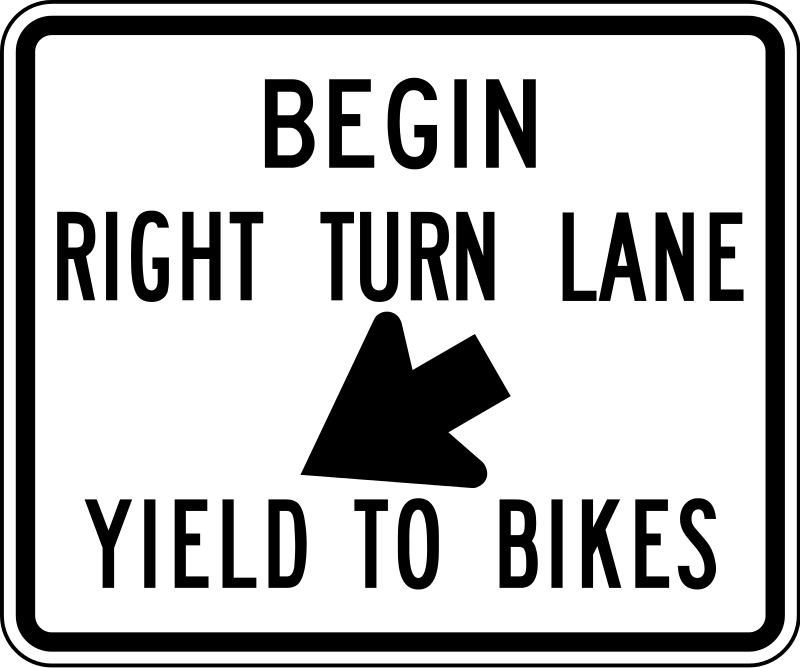 What does this road sign indicate?
A
Drivers have the right of way over bikes turning left.
B
Vehicles turning left must yield to bikes entering a right turn lane.
C
Motor vehicles entering an exclusive right-turn lane must weave across bicycle traffic in bicycle lanes.
No explanation available.
Question 4
 The sign in the picture:
A
is a Construction and Maintenance Traffic Control sign.
B
is found at most intersections and indicates that drivers must yield to other vehicles.
C
is displayed on the rear of slow moving vehicles.
No explanation available.
Question 5
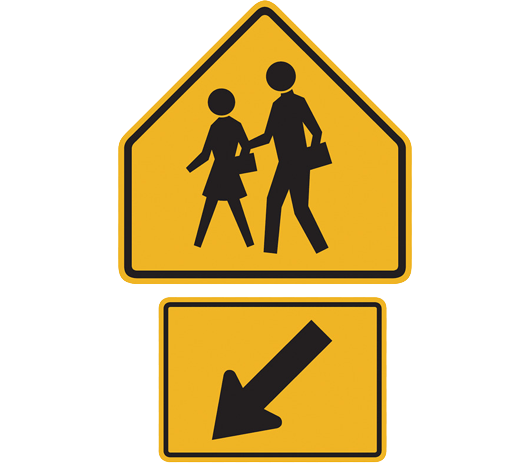 At a school crossing, drivers should:
A
always stop, whether there’s a stop sign or not.
B
always sound their horn and stay alert.
C
watch for children and be ready to stop.
No explanation available.
Question 6
 This sign is a:
A
regulatory sign.
B
warning sign.
C
guide sign.
No explanation available.
Question 7
 The yield sign means:
A
Go. The light will soon be red.
B
If the way is clear, you may move forward slowly without stopping.
C
Stop if you can.
No explanation available.
Question 8
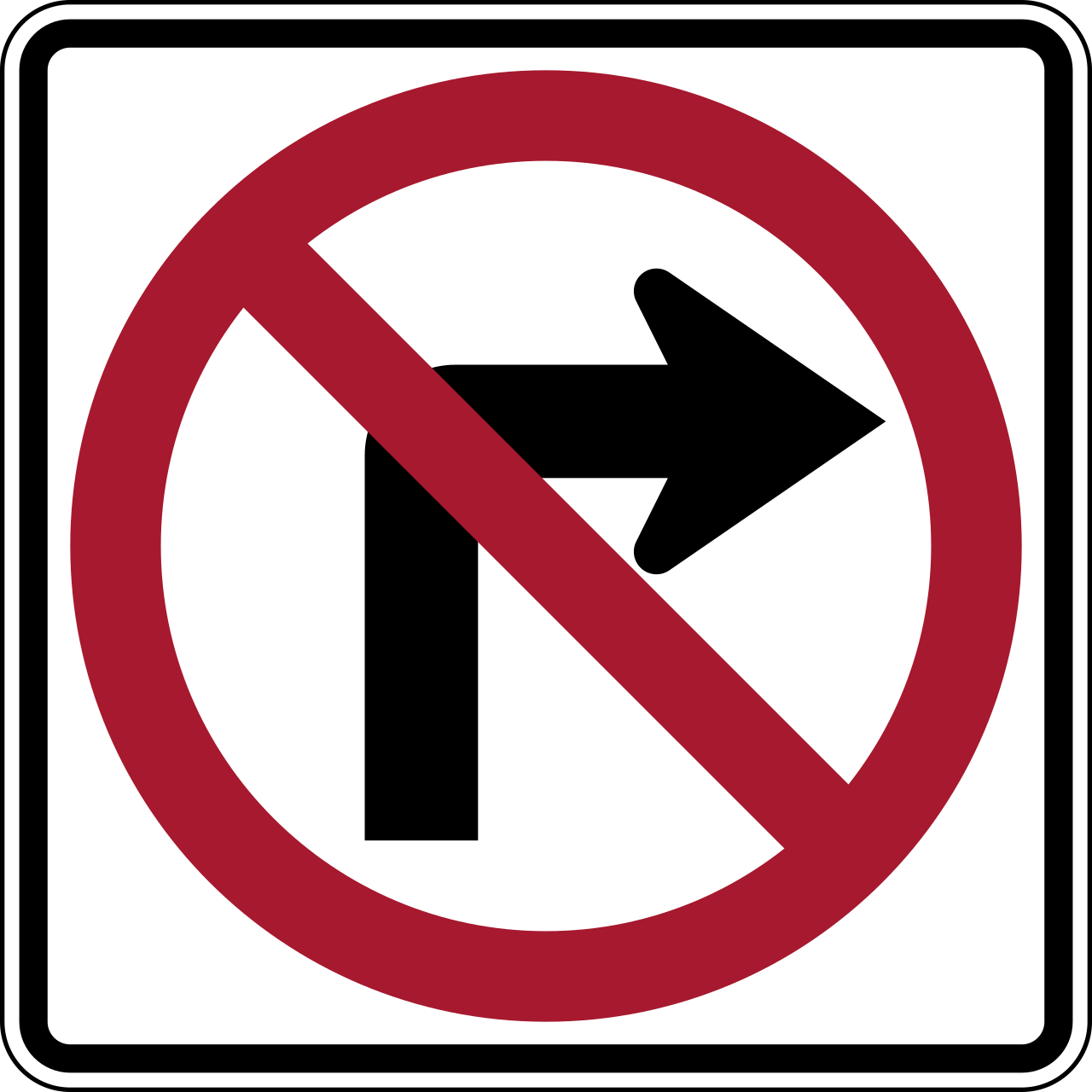 This road sign means:
A
No left turn
B
No right turn
C
No U-turns
No explanation available.
Question 9
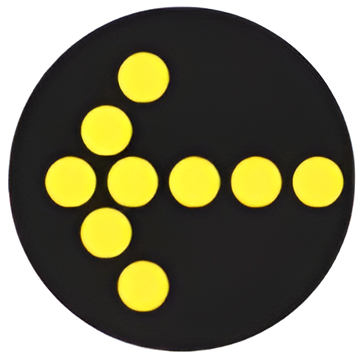 What does a flashing left yellow arrow mean?
A
Vehicles turning left must stop if they can. The light will soon be red.
B
Only right turns are allowed.
C
Left turns are allowed. Yield to oncoming traffic and pedestrians.
D
None of the above.
No explanation available.
Question 10
Which signs have black letters on a white background?
A
Warning signs (diamond)
B
Regulatory signs (vertical rectangle)
C
Guide signs (horizontal rectangle)
No explanation available.
Question 11
___________ normally are white rectangles with black letters or symbols.
A
Warning signs
B
Destination signs (guide signs)
C
Regulation signs (regulatory signs)
No explanation available.
Question 12
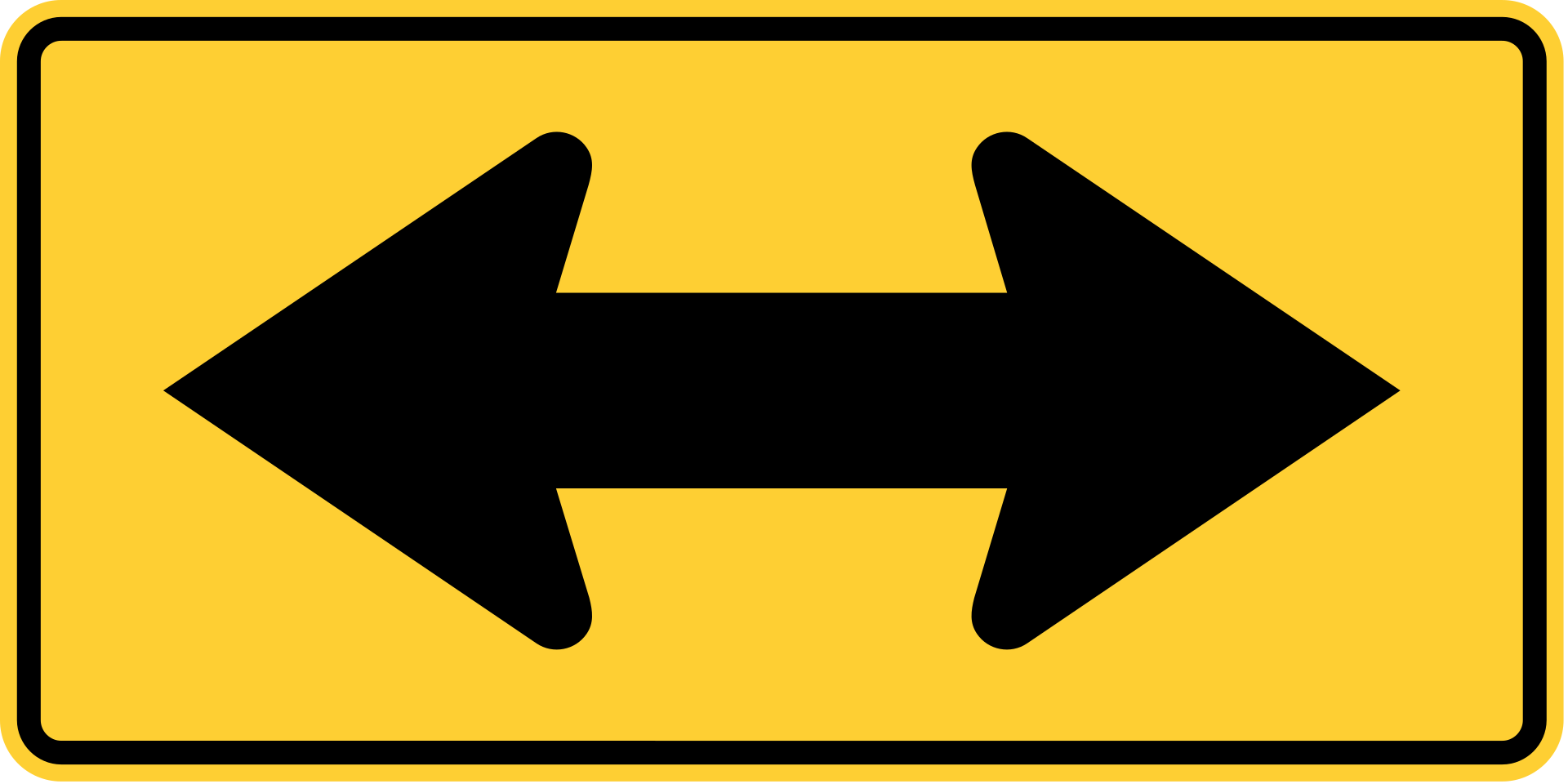 This sign tells drivers that:
A
left and right turns are not allowed.
B
a divided highway is ahead.
C
they cannot go straight ahead.
No explanation available.
Question 13
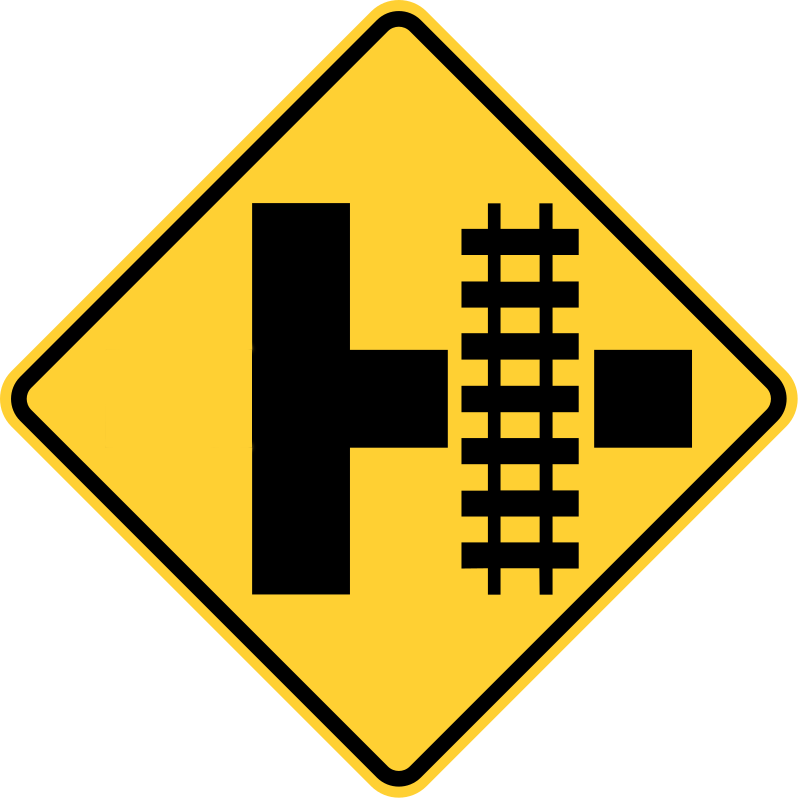 What does this sign indicate?
A
Parallel railroad crossing (side road)
B
Low ground clearance railroad crossing
C
Parallel railroad crossing (crossroad)
No explanation available.
Question 14
 This road sign warns drivers that:
A
the road surface ahead changes to a low-type surface or earth road.
B
vehicles must leave the pavement immediately.
C
the dirt on the side of the road is soft.
No explanation available.
Question 15
This road sign means:
A
Merge right
B
Stop sign ahead
C
Reduction in lanes
No explanation available.
Question 16
 This road sign warns drivers that:
A
left turns are not allowed at the intersection.
B
the road will make a sharp turn to the right.
C
another road enters the highway from the direction shown.
No explanation available.
Question 17
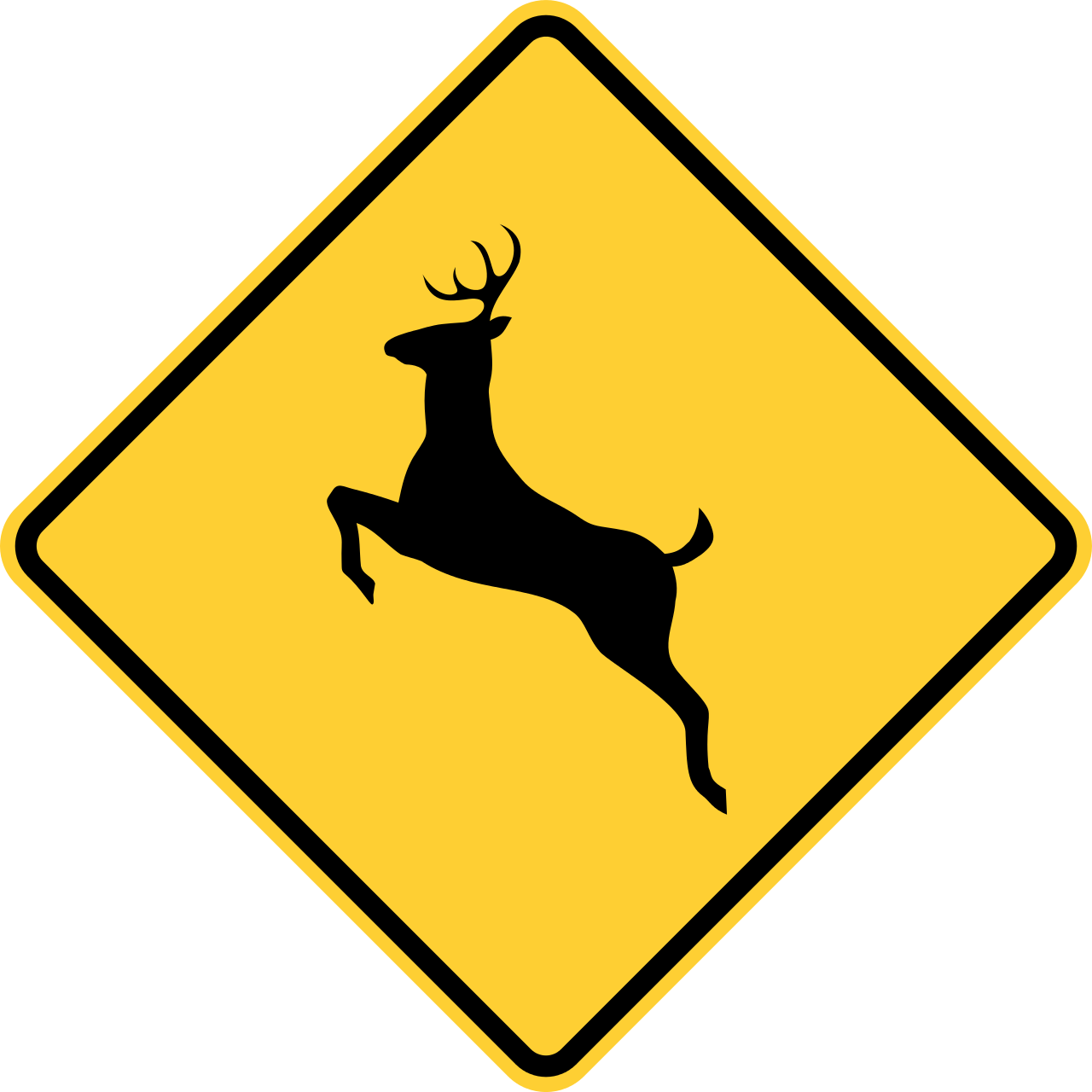 When they see this road sign, drivers should:
A
drive carefully because the animal pictured on the sign is extremely rare in the area.
B
watch for this species crossing the road.
C
park in the zoo area.
No explanation available.
Question 18
When they approach this sign, drivers must:
A
slow down and watch for children crossing the road.
B
obey signals from crossing guards.
C
stop if necessary.
D
All of the above.
No explanation available.
Question 19
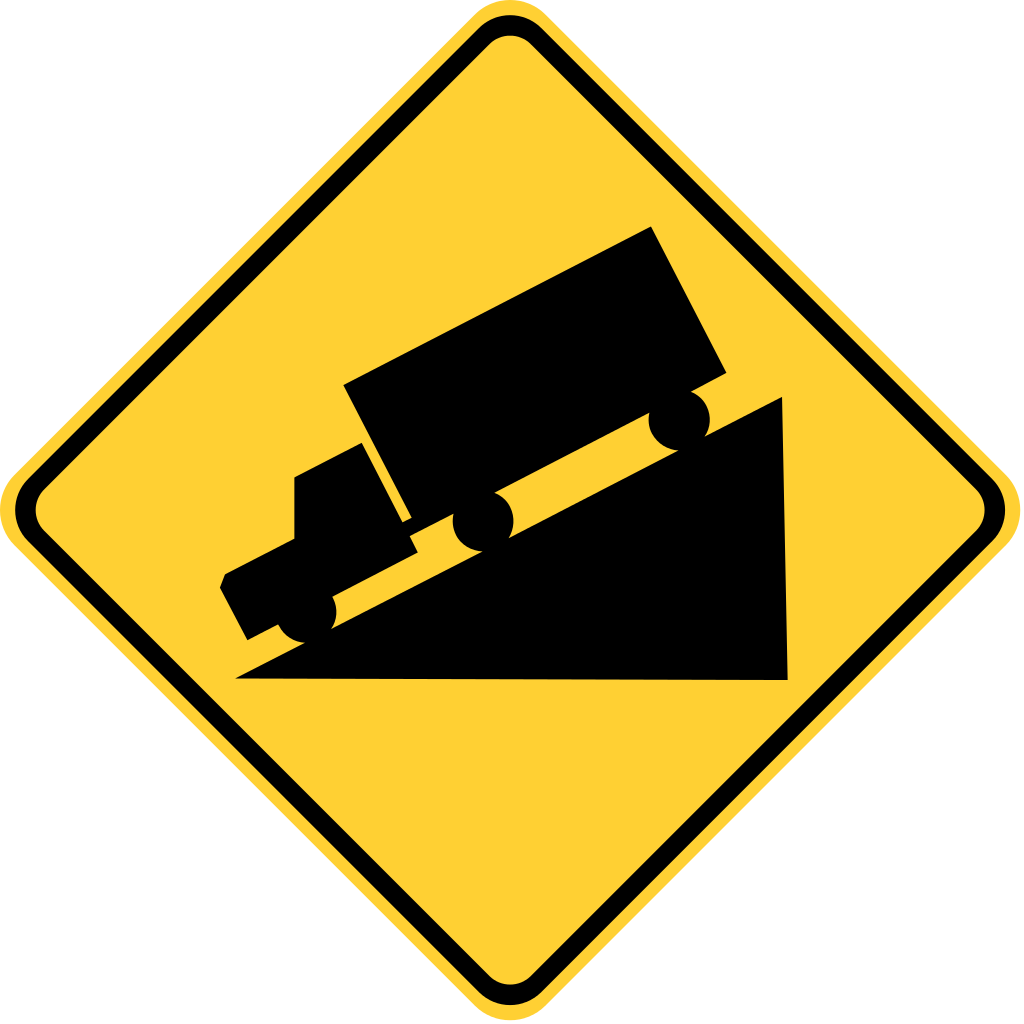 This sign warns of a ________ ahead.
A
hill
B
no passing zone
C
soft shoulder
No explanation available.
Question 20
What should you do if your headlights suddenly go out?
A
Brake immediately and activate your emergency lights.
B
Use your emergency lights, parking lights or directional signals.
C
Ease your foot off the gas pedal and brake gently.
No explanation available.
Question 21
Don't be afraid to sound a sharp blast on your horn when:
A
when a child is about to run into the street.
B
another vehicle is in danger of hitting you.
C
All of the above.
No explanation available.
Question 22
As you drive on the expressway, make sure:
A
you cut off vehicles behind you when you change lanes.
B
to signal all lane changes.
C
your directional signal goes off before you change lanes.
No explanation available.
Question 23
When changing lanes, you should remember that:
A
vehicles with two outside mirrors have no blind spots.
B
You only need to turn and look over your right shoulder for lane changes to the right or left.
C
you should look over your left shoulder for a left lane change and your right shoulder for a right lane change.
No explanation available.
Question 24
If it becomes necessary to stop on the expressway, you should:
A
get out of the car to warn others that you have stopped.
B
walk along the expressway in search of help.
C
raise the hood and activate your hazard lights to indicate difficulty.
No explanation available.
Question 25
BAC is expressed in:
A
percentage of alcohol to blood.
B
percentage of blood to alcohol.
C
ounces of alcohol in your blood.
No explanation available.
Question 26
One broken line indicates:
A
You can pass other vehicles and change lanes, if it is safe.
B
You can not pass other vehicles or go across the line.
C
You can change lanes, but only when traffic conditions or obstructions in the road make it necessary.
No explanation available.
Question 27
A solid yellow line next to a broken yellow line means that vehicles:
A
next to the solid line may pass.
B
in both directions may pass.
C
next to the broken line may pass.
No explanation available.
Question 28
Gauging the speed of a motorcycle may be difficult because:
A
motorcycles take up less of your field of vision.
B
motorcycles often slow down by downshifting.
C
many motorcyclists do not activate the brake light.
No explanation available.
Question 29
When approaching an intersection with a traffic control signal that is not working, drivers should:
A
stop as you would if there were stop signs in all directions, yield the right-of-way, then enter the intersection.
B
speed up and proceed through the intersection.
C
try not to stop if the intersection is clear.
No explanation available.
Question 30
Where there is no bicycle lane, where on the road must a bicyclist ride?
A
on the left shoulder of the road.
B
near the right curb or edge of the road.
C
near the left edge of the road.
No explanation available.
Question 31
When passing a motorcycle you must:
A
give the motorcyclist the right hand part of his traffic lane.
B
give the motorcyclist the entire traffic lane as if the motorcycle was a car.
C
sound your horn to alert the motorcyclist.
No explanation available.
Question 32
Arrows on the roadway:
A
show which lanes you must use.
B
indicate reserved lanes.
C
indicate HOV lanes.
No explanation available.
Question 33
Always driving slower than other traffic:
A
is a good defensive driving technique.
B
is always safer than driving faster than other traffic.
C
can block traffic.
No explanation available.
Question 34
You hear a siren close by but can not see where the emergency vehicle is. What do you do?
A
Keep driving until you are sure the emergency vehicle is headed toward you.
B
Stop immediately and activate your emergency flashers.
C
Pull over to the right side of the road and stop until you are sure the emergency vehicle is not headed toward you.
No explanation available.
Question 35
You ________ traffic headed toward you when you turn left.
A
must not yield to
B
must interrupt
C
must yield to
No explanation available.
Question 36
Parking is not allowed:
A
in an intersection, unless permitted by signs.
B
within 300 feet of a pedestrian safety area.
C
on public roads
No explanation available.
Question 37
Your license can be suspended if you are under 21 and drive with a BAC of:
A
0.15% or more.
B
any amount.
C
0.08% or more.
No explanation available.
Question 38
How can you prevent fatigue on a long trip?
A
Plan to drive long trips with a companion.
B
Get enough sleep.
C
All of the above.
No explanation available.
Question 39
Does a vehicle prepared to enter a traffic circle or rotary have right-of-way over vehicles in the circle?
A
Yes, but only if they are entering the rotary from the right lane.
B
No. Vehicles already in the circle have the right-of-way.
C
Only if the light is green.
D
Yes.
No explanation available.