 drivequiz.com
 Question 1
A __________ marks the right edge of the roadway.
A
solid yellow line
B
solid white line
C
broken white line
D
broken yellow line
No explanation available.
Question 2
Your license must be revoked if you:
A
are found guilty of 15 offenses for which you receive points within a 5-year period.
B
fail to carry insurance on your vehicle.
C
fail to stop for a school bus.
D
you refuse to take a DUI test.
No explanation available.
Question 3
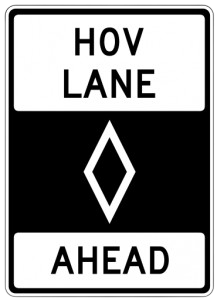 This road sign indicates that:
A
a lane is reserved for certain purposes or certain vehicles.
B
buses and car pools may not travel in the restricted lane.
C
vehicles cannot go straight ahead. Cars must turn either to the right or left.
No explanation available.
Question 4
You should use a three-point turn:
A
on a hill, if the road is clear.
B
on a curve, to turn your car around in a very small space.
C
when you miss an exit on a highway.
D
only if the road is too narrow for a U-turn and you can’t go around the block.
No explanation available.
Question 5
Which of the following must be avoided when passing another vehicle:
A
On a two-lane road, blinking your headlights to let the other driver know you are passing.
B
Returning to the right side of the road immediately after passing the other vehicle.
C
Giving your signal before you move into the left lane.
D
Checking blind spots to make sure that you have plenty of room to pass.
No explanation available.
Question 6
Passing a stopped school bus will result in __ points being added.
A
3
B
5
C
6
D
4
No explanation available.
Question 7
When following a motorcycle, drivers must remember that motorcycles can ____________ than other vehicles.
A
accelerate much faster
B
stop much more quickly
C
stop much more slowly
No explanation available.
Question 8
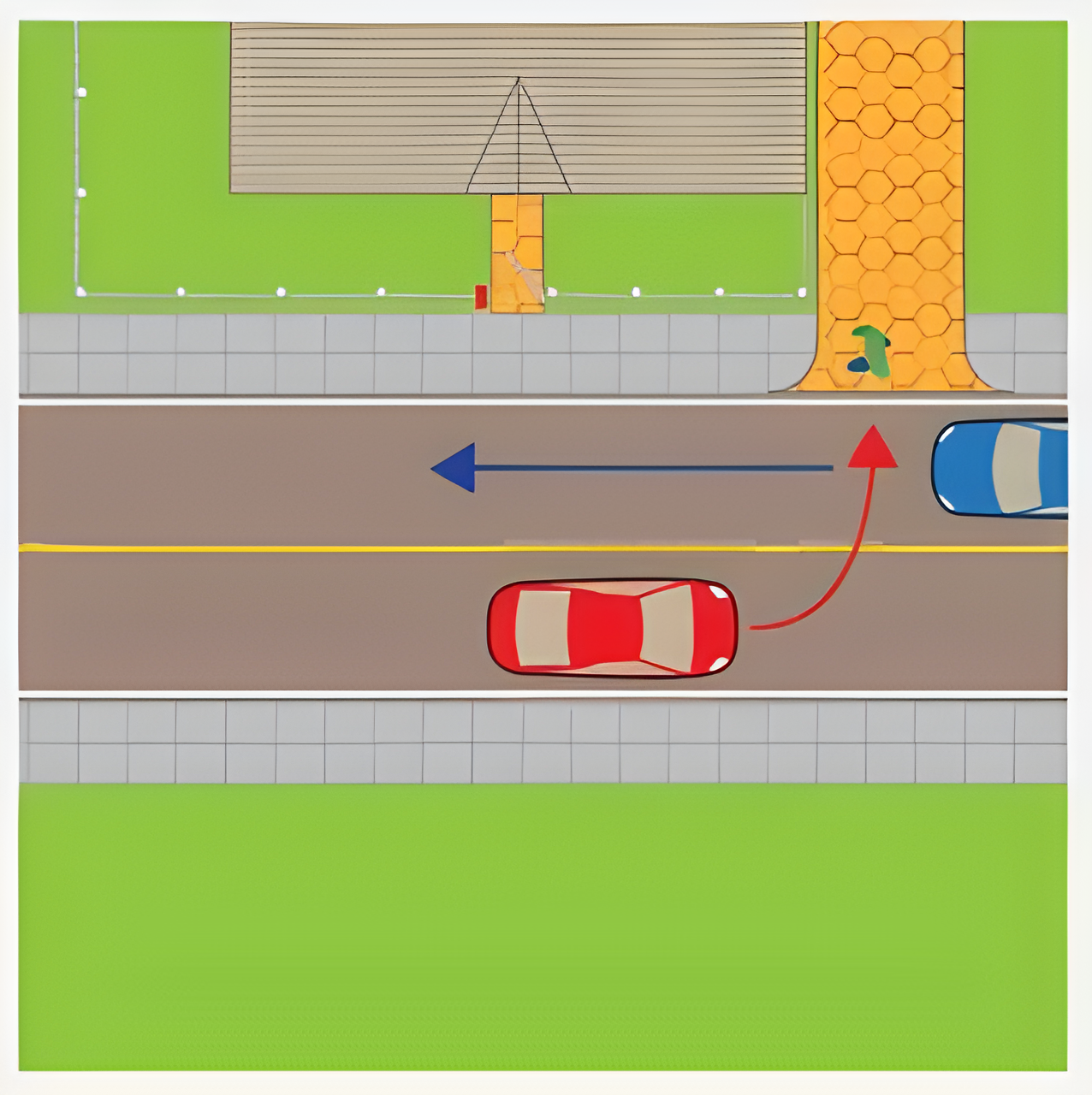 The red car turning left must:
A
yield to pedestrians and traffic before turning.
B
proceed with caution even if it has the right-of-way.
C
turn left before the oncoming car gets too close.
D
None of the above.
No explanation available.
Question 9
Doing all you can to prevent crashes is called:
A
Anti-Collision Driving
B
Crash-Prevention Driving
C
Defensive Driving
D
ABS Driving
No explanation available.
Question 10
A driver needing to turn a car around in a very small space should:
A
always use a three-point turn.
B
drive to the next roundabout.
C
use a three-point U-turn on a curve.
D
make a U-turn if possible.
No explanation available.
Question 11
Roads are most slippery:
A
just before it rains.
B
when it stops raining.
C
when it first starts to rain.
No explanation available.
Question 12
When you see a cyclist approaching at night, you should NOT:
A
use low beam headlights.
B
be careful.
C
use high beam headlights.
D
avoid honking your horn.
No explanation available.
Question 13
At intersections marked with stop lines, drivers must:
A
come to a complete stop.
B
slow down and enter the intersection.
C
signal other vehicles to stop.
No explanation available.
Question 14
A driver who approaches an intersection:
A
must yield the right-of-way to traffic already in the intersection.
B
must drive straight through the intersection, even if another vehicle is already in the intersection.
C
has the right-of-way over traffic already in the intersection.
No explanation available.
Question 15
Driving during restricted hours will result in __ points being added.
A
2
B
6
C
3
D
4
No explanation available.
Question 16
On a three-lane expressway, drivers should use the ____ lane for passing.
A
center
B
right or left
C
right
D
left
No explanation available.
Question 17
Racing on the highway:
A
is only allowed if you drive at least 5 MPH below the posted speed limit.
B
may result in license suspension.
C
is never allowed.
D
is allowed only if the highway is empty and you are completely sober.
No explanation available.
Question 18
Which shape is used to give advance warning of no passing zones?
A
Crossbuck
B
Pennant
C
Round
D
Horizontal Rectangle
No explanation available.
Question 19
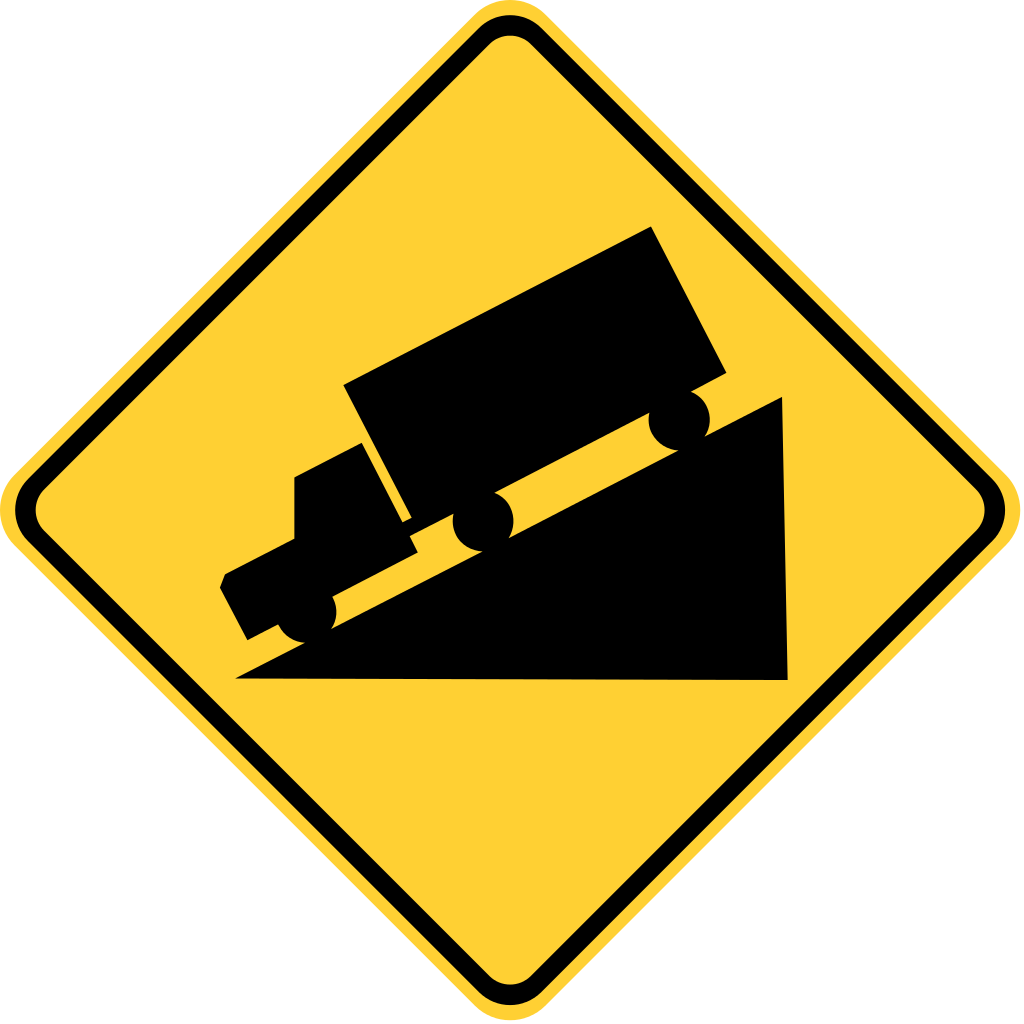 When they see this sign, drivers should:
A
be ready to brake sharply and stop.
B
be ready to shift to lower gear.
C
yield to trucks coming from the hill on the right.
No explanation available.
Question 20
When there is a green arrow pointing left, and the red light is illuminated at the same time, drivers:
A
must stop if they are in the green arrow lane.
B
should come to a complete stop if they can. The green light will soon be red.
C
have the right-of-way and can turn left from any lane.
D
must be in the proper lane to make a turn in the direction of the arrow, and must yield the right-of-way to vehicles and pedestrians.
No explanation available.
Question 21
 This sign warns ____________ ahead.
A
of two-way traffic
B
of a reduction of lanes
C
that a divided highway ends
No explanation available.
Question 22
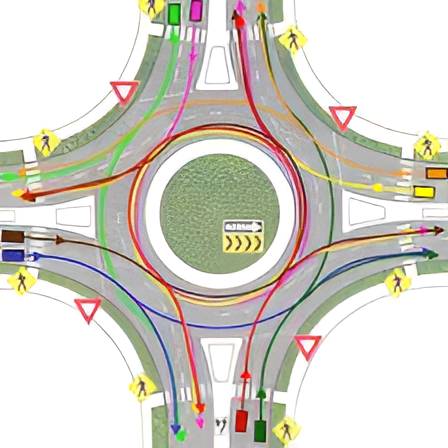 The picture shows:
A
an open intersection
B
a divided highway.
C
a crossing
D
a roundabout
No explanation available.
Question 23
When the posted speed limit is 70 MPH, the minimum speed limit is:
A
30 MPH.
B
There is no minimum speed limit, it is always safe to drive slowly.
C
50 MPH.
D
35 MPH.
No explanation available.
Question 24
Total stopping distance is:
A
the sum of reflex distance, preparation distance and braking distance.
B
perception distance minus reaction distance.
C
the total minimum distance a vehicle has traveled until the driver can bring it to a complete stop.
D
the sum of yielding distance and braking distance.
No explanation available.
Question 25
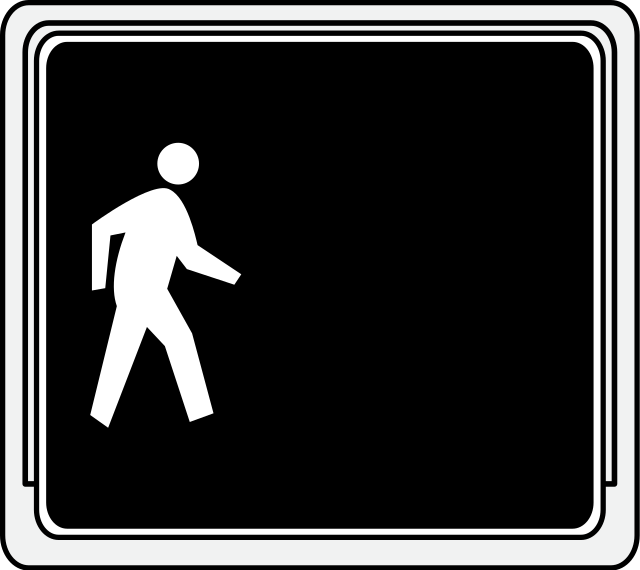 What does the pictured signal indicate?
A
A pedestrian may begin crossing the street.
B
Pedestrians may turn right.
C
A pedestrian may not not begin crossing the street.
No explanation available.
Question 26
Which of the following is NOT true? When entering an open intersection, drivers must yield the right-of-way if:
A
they enter or cross a state highway from a secondary road.
B
they are already in the intersection.
C
they enter a paved road from an unpaved road.
D
All of the above.
No explanation available.
Question 27
The Florida “standard” speed limit in business or residential areas is:
A
30 MPH.
B
55 MPH.
C
20 MPH.
D
15 MPH.
No explanation available.
Question 28
What do pennant-shaped signs indicate?
A
A school crossing
B
Yield
C
A No Passing Zone
No explanation available.
Question 29
The average perception time for an alert driver is:
A
0.25 to 0.5 seconds.
B
0.75 to 1 second.
C
3 to 4 seconds.
D
1 to 2 seconds.
No explanation available.
Question 30
Which way should you turn your wheels when parking facing uphill where there is a curb?
A
Turn wheels to right.
B
Any of the above.
C
Turn wheels to curb.
D
Turn wheels from curb.
No explanation available.
Question 31
When a person under the age of 18 is not restrained by a safety belt or a child restraint device, a seat belt violation will be charged to:
A
the driver.
B
the passenger under 18.
C
both.
D
There is no violation.
No explanation available.
Question 32
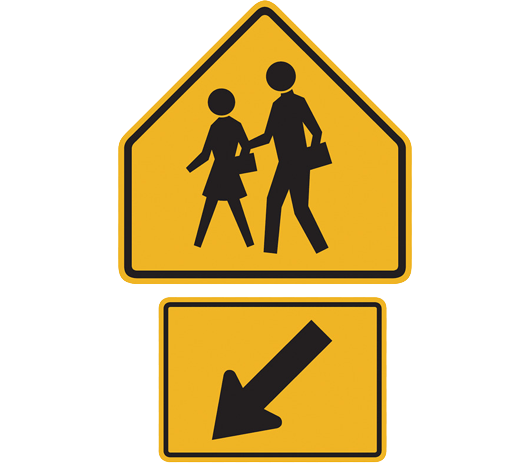 When you approach this sign, you must:
A
stop if necessary.
B
watch for workers crossing the road.
C
None of the above.
No explanation available.
Question 33
 This sign means:
A
U-turns are not allowed.
B
Parking is not allowed.
C
No parking on pavement.
No explanation available.
Question 34
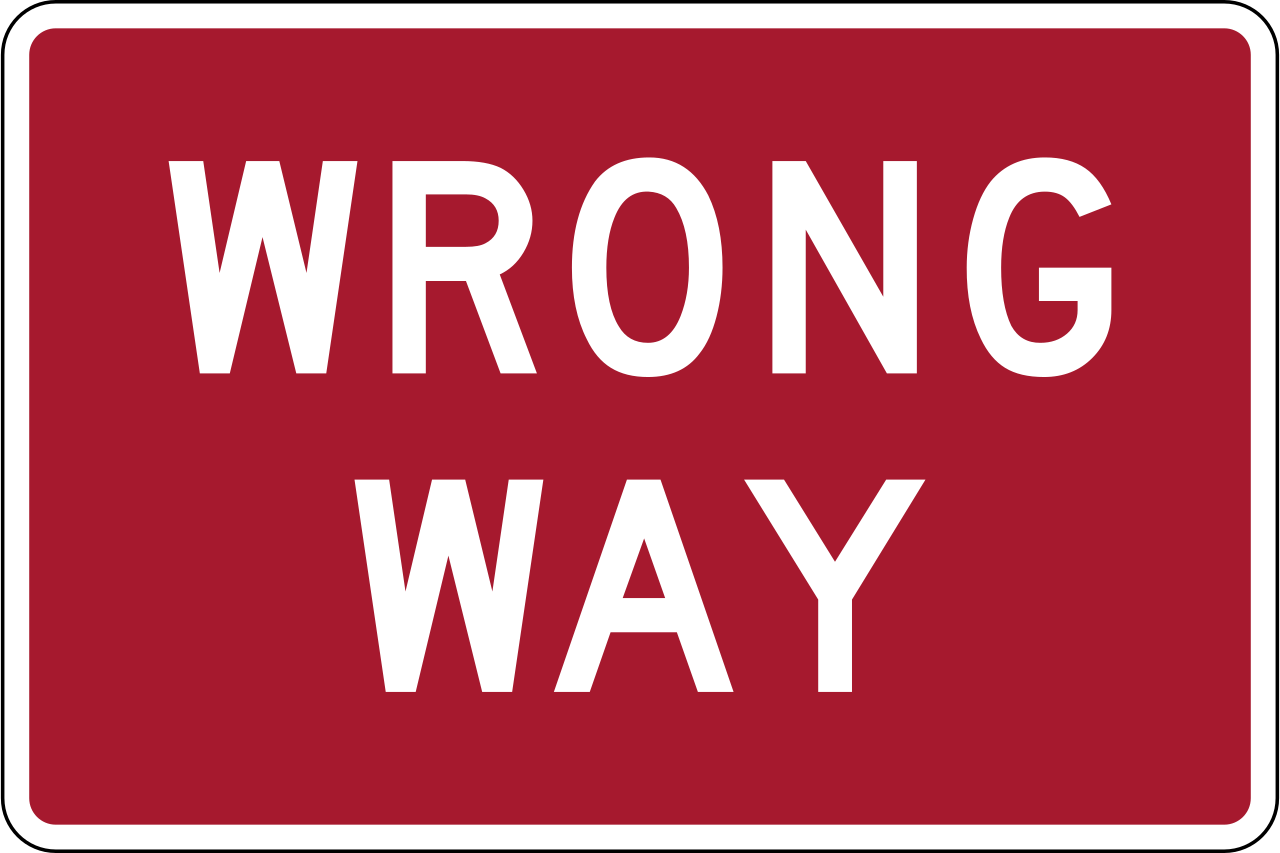 When drivers see this road sign:
A
they must come to a complete stop and call the police.
B
they must not drive past this sign.
C
they must turn around immediately.
No explanation available.
Question 35
Your license must be revoked if you are found guilty of ___ cases of reckless driving within one year.
A
2
B
6
C
5
D
3
No explanation available.
Question 36
The center lane of a three-lane or five-lane highway is used only:
A
when it is safe to pass and passing is allowed.
B
for turning left.
C
to park disabled vehicles.
D
for turning right.
No explanation available.
Question 37
Which shape is a railroad advance warning sign?
A
Crossbuck
B
Round
C
Pentagon
No explanation available.
Question 38
Which of the following is NOT a rule for safe driving:
A
Ask your doctor how your medications affect driving.
B
Do not drink alcohol between 9:00 a.m. and 2 p.m.
C
Always wear a safety belt.
D
Be rested.
No explanation available.
Question 39
Restricted lanes are usually reserved for:
A
special black vehicles.
B
car-pool vehicles or buses.
C
trains.
D
trucks during rush hour traffic.
No explanation available.
Question 40
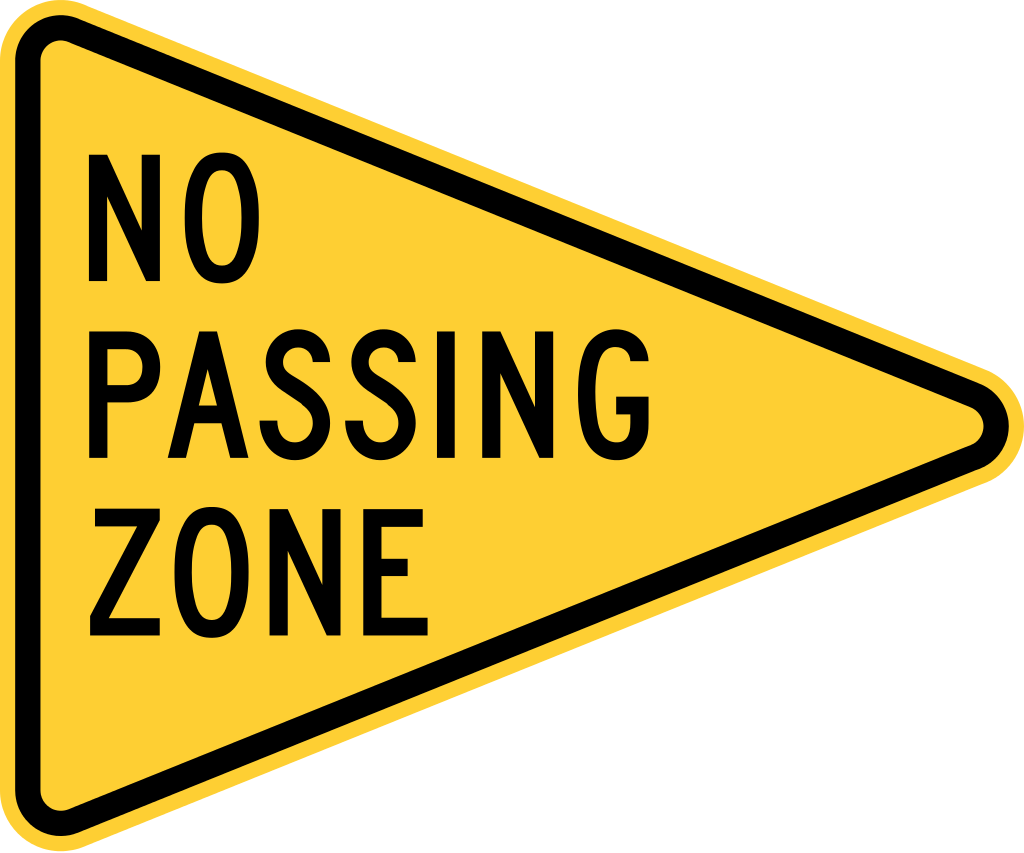 Where are pennant signs placed?
A
On the right side of the road, facing the driver.
B
On windy roads.
C
Where a highway is divided into two one-way roadways.
D
On the left side of the road, facing the driver.
No explanation available.
Question 41
The main purpose of right-of-way rules is to:
A
gradually remove traffic signals from the roads to improve the deficit.
B
avoid crashes in school zones by helping school buses.
C
make road rules difficult to understand.
D
help with smooth and safe traffic flow.
No explanation available.
Question 42
Expressways are NOT also known as:
A
fastways.
B
freeways.
C
reserved motorways.
D
interstate highways.
No explanation available.
Question 43
The Florida “standard” speed limit in school zones is:
A
20 MPH.
B
30 MPH.
C
25 MPH.
D
55 MPH
No explanation available.
Question 44
All cars must have two red taillights mounted on the rear, visible from how many feet away?
A
500
B
150
C
1000
D
50
No explanation available.
Question 45
A flashing red light at an intersection means:
A
Stop if you can.
B
Stop and yield to other traffic, then go.
C
The red light will soon be yellow.
D
You have the right-of-way: other traffic must yield to you.
No explanation available.
Question 46
Which of the following is NOT true? Your license must be revoked if:
A
you are found guilty of drug possession.
B
you are found guilty of not stopping to give help when the vehicle you are driving is involved in a crash causing death or personal injury.
C
you use tobacco and you are under the age of 14.
D
All of the above.
No explanation available.
Question 47
A texting while driving violation is punished as follows:
A
On first offense, two points are added to the primary offense if texting occurred in a school zone.
B
Texting while driving is not a violation.
C
License revocation.
D
No penalty on first offense; for subsequent offenses, two points are added to the primary offense if texting occurred in a school zone.
No explanation available.
Question 48
If a driver reaches an intersection where he/she wishes to make a right or left turn and is not in the proper lane, he/she should:
A
come to a complete stop and wait until the intersection is clear.
B
use the turn signal to indicate their intention to change lane.
C
drive to the next intersection, then make the turn from the proper lane.
D
make a U-turn and go back to the intersection.
No explanation available.
Question 49
If you are following a truck, you should:
A
position your car so the truck driver can see you in his side mirrors.
B
always dim your headlights at night.
C
stay out of its blind spot to the rear.
D
All of the above.
No explanation available.
Question 50
When driving at night, drivers should NOT:
A
use lane lines as visual guides and look quickly to check the other vehicle’s position every few seconds.
B
use headlights between the hours of sunset and sunrise.
C
use high-beam headlights within 500 feet of oncoming vehicles.
D
All of the above.
No explanation available.