 drivequiz.com
 Question 1
Road signs that point out scenic areas and parks are:
A
brown and white.
B
black and orange.
C
green and white.
No explanation available.
Question 2
Are bicyclists required to obey traffic laws and signs?
A
No, bicyclists are considered pedestrians when it comes to the rules of the road.
B
Yes.
C
Yes, but only if they are riding in a bicycle lane.
No explanation available.
Question 3
If a tire blows out, drivers should:
A
apply the brake firmly and hold it.
B
hold the steering wheel tightly and use the brakes lightly.
C
pull over quickly.
No explanation available.
Question 4
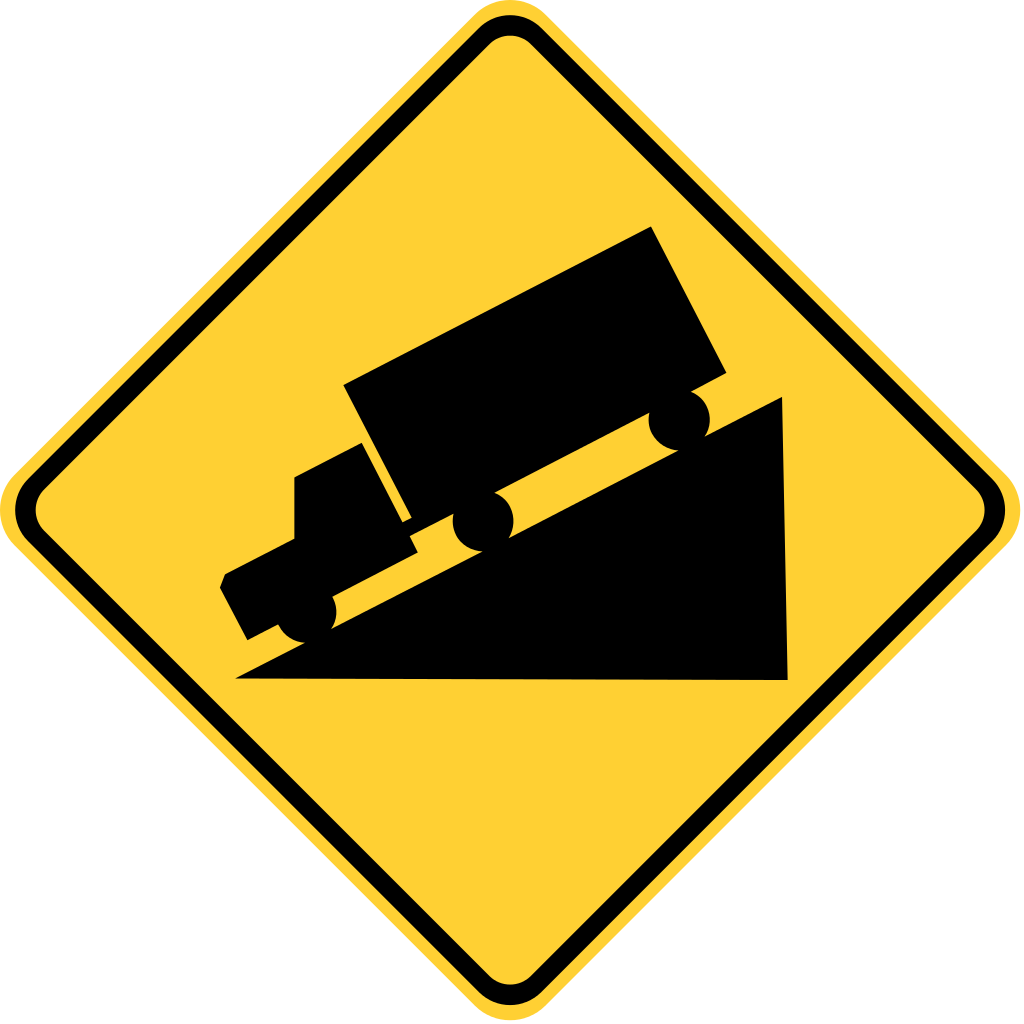 This road sign means:
A
Merging traffic
B
Steep grade ahead
C
Intersection ahead
No explanation available.
Question 5
When driving in work zones, drivers should:
A
closely follow the driver in front of them.
B
reduce their speed and be prepared to stop.
C
maintain their speed through the work zone.
No explanation available.
Question 6
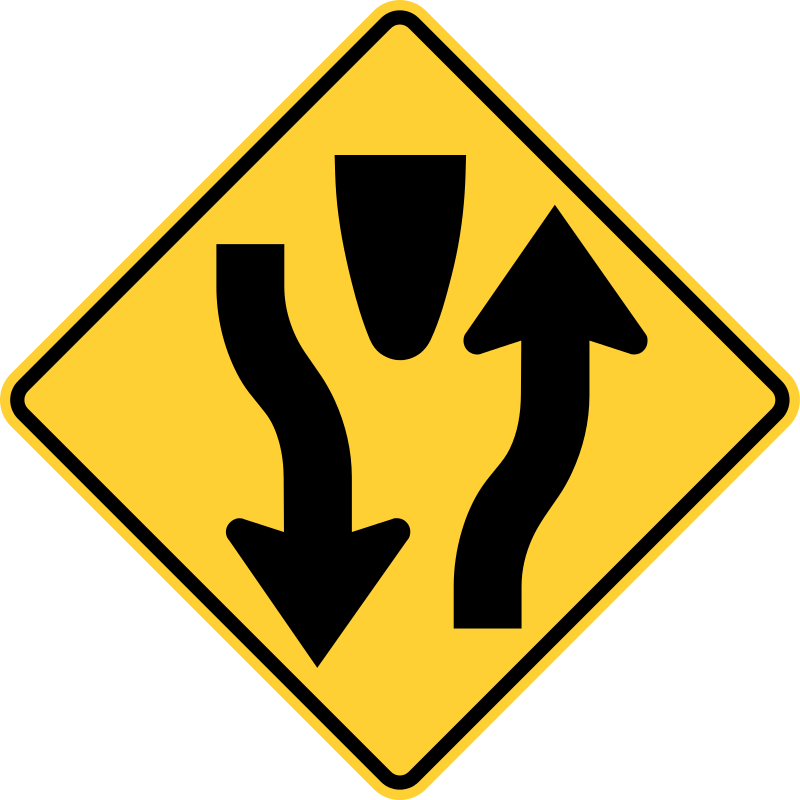 This sign means:
A
The highway ahead is divided into two one-way roadways.
B
Roundabout ahead. Slow down.
C
The divided highway on which drivers are traveling ends ahead.
No explanation available.
Question 7
 This sign warns drivers that:
A
there is a one lane bridge ahead.
B
the right lane ends.
C
the road ahead is narrow.
No explanation available.
Question 8
If an approaching driver does not dim the headlights, you should:
A
move your eyes to the left to help avoid the glare of approaching high beams.
B
move your eyes to the right and avoid looking directly at the bright lights.
C
flash your headlights to low beam for a second, then return to high beam.
No explanation available.
Question 9
 This road sign means:
A
Low clearance
B
Do not enter
C
A steep grade is ahead
No explanation available.
Question 10
A bad car suspension can cause:
A
pumping brakes.
B
vehicle control problems.
C
squealing brakes.
No explanation available.
Question 11
If your gas pedal is stuck, you should:
A
hook your shoe under the pedal and see if you can free it. If not, shift into neutral and use the brake to slow your vehicle and get off the road.
B
ease your foot off the gas pedal and brake gently.
C
turn off the ignition if your vehicle has power steering.
No explanation available.
Question 12
More than one vehicle is approaching a four-way stop sign. Who has the right of way?
A
The first driver to reach the intersection and stop.
B
The driver on the left.
C
The last driver to reach the intersection.
No explanation available.
Question 13
 This sign means:
A
You may make a U-turn.
B
Hairpin corner ahead.
C
You must make a U-turn.
No explanation available.
Question 14
When driving in rainy weather, you should:
A
steer and brake smoothly.
B
drive in low gear.
C
steer off the road.
No explanation available.
Question 15
 When you see this sign you should stop and:
A
check traffic in all direction before proceeding.
B
check for vehicles in the opposite direction, then proceed.
C
yield the right-of way to all vehicles coming from the left.
No explanation available.
Question 16
When driving in heavy rain, drivers should use:
A
parking lights.
B
low beam headlights.
C
high beam headlights.
No explanation available.
Question 17
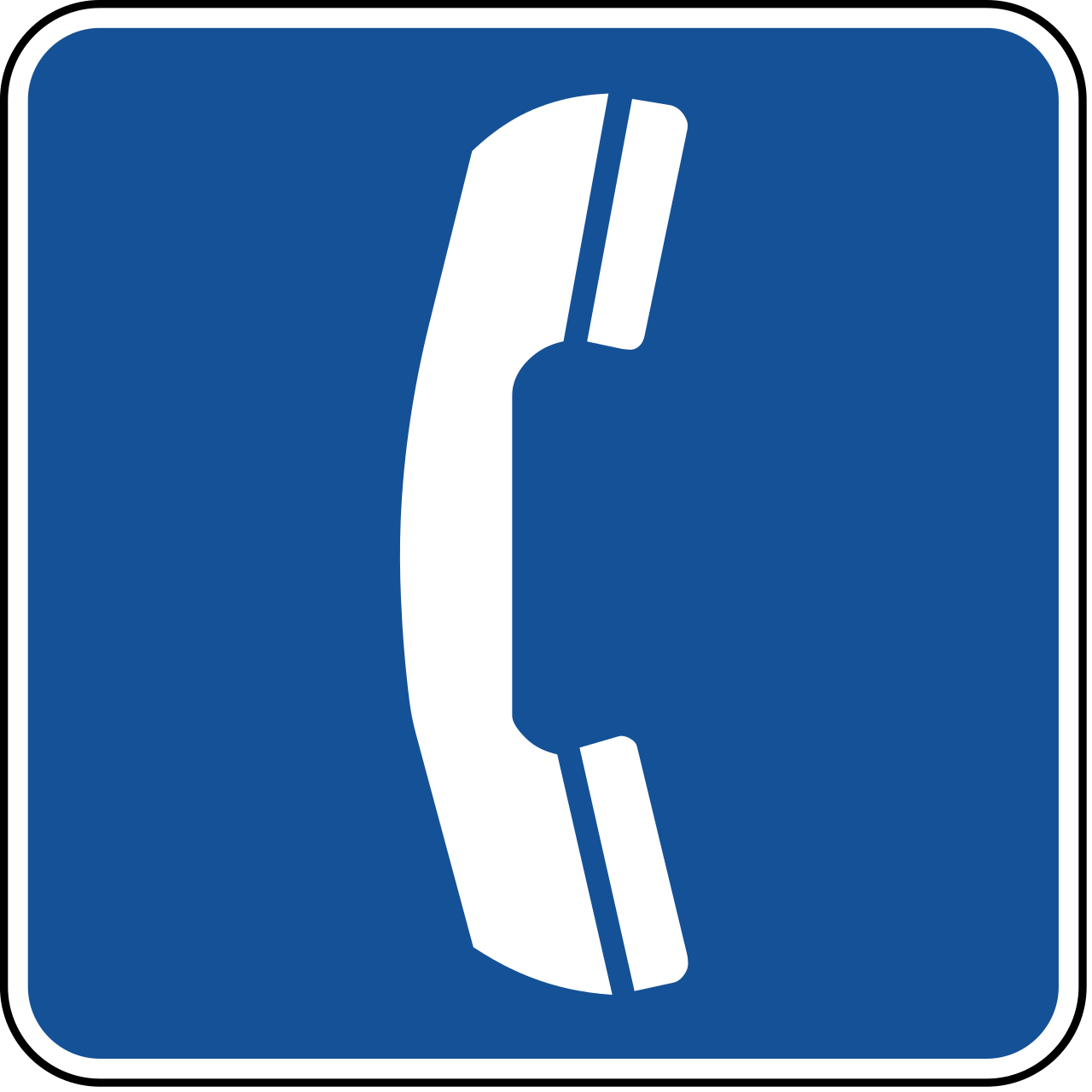 This sign indicates:
A
Phone service ahead
B
Emergency line available
C
Cell phone shop ahead
No explanation available.
Question 18
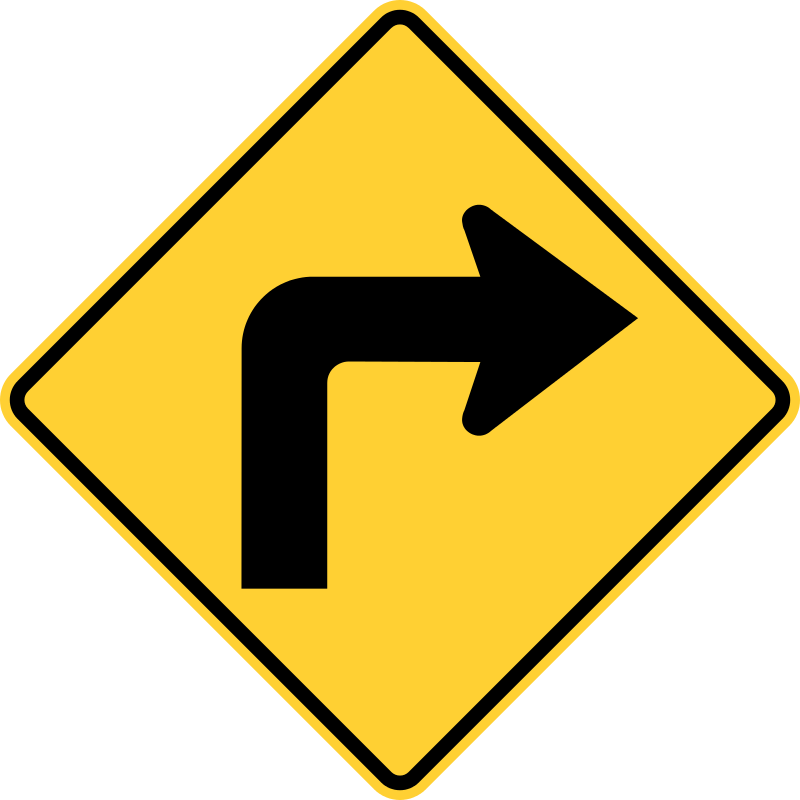 This sign warns drivers of:
A
a side road.
B
a sharp turn.
C
a cross road.
No explanation available.
Question 19
As you drive on the expressway, make sure:
A
you cut off vehicles behind you when you change lanes.
B
to signal all lane changes.
C
your directional signal goes off before you change lanes.
No explanation available.
Question 20
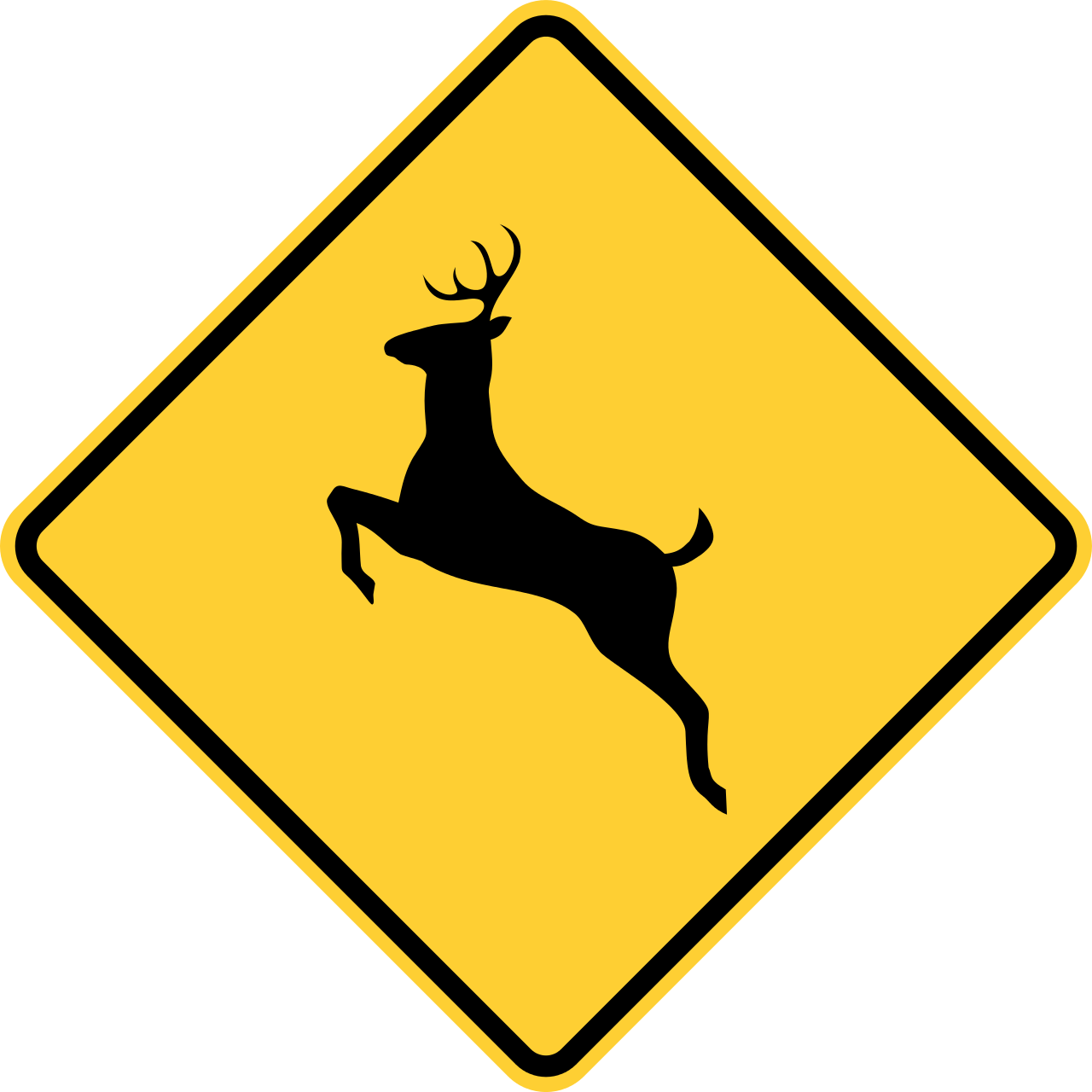 When they see this road sign, drivers should:
A
drive carefully because the animal pictured on the sign is extremely rare in the area.
B
watch for this species crossing the road.
C
park in the zoo area.
No explanation available.
Question 21
If you see orange construction signs and cones on a freeway, you must:
A
be prepared for workers and equipment ahead.
B
make a U-turn because the lane ends ahead.
C
maintain your current speed while changing lanes.
No explanation available.
Question 22
Speed limit signs are:
A
service signs
B
regulation signs (regulatory signs)
C
warning signs
No explanation available.
Question 23
An edge line that angles toward the center of the road indicates that:
A
the road is narrower ahead.
B
there’s a narrow bridge ahead.
C
you must turn right.
No explanation available.
Question 24
Drivers have to yield to pedestrians:
A
only when the pedestrian is in the crosswalk.
B
only if the pedestrians have a green light.
C
even if the pedestrian is not obeying traffic controls.
No explanation available.
Question 25
You are considered to be driving under the influence when your blood alcohol concentration (BAC) is ____ or more.
A
0.05%
B
0.08%
C
0.8%
No explanation available.
Question 26
Drivers may need more space in front of their vehicle:
A
when following motorcycles.
B
when carrying a heavy load or pulling a trailer.
C
All of the above.
No explanation available.
Question 27
When in a vehicle, wear a seat belt:
A
at all times.
B
on long trips.
C
on high-speed highways.
No explanation available.
Question 28
 A pedestrian in the crosswalk when the 'DON’T WALK' signal begins flashing must:
A
stop immediately.
B
go back and wait the “WALK” light
C
finish crossing the street.
No explanation available.
Question 29
Which signs have black letters on a white background?
A
Warning signs (diamond)
B
Regulatory signs (vertical rectangle)
C
Guide signs (horizontal rectangle)
No explanation available.
Question 30
When preparing to exit an expressway, drivers should start reducing their speed:
A
about halfway through the deceleration lane.
B
immediately upon entering the deceleration lane.
C
at least 100 feet before entering the deceleration lane.
No explanation available.
Question 31
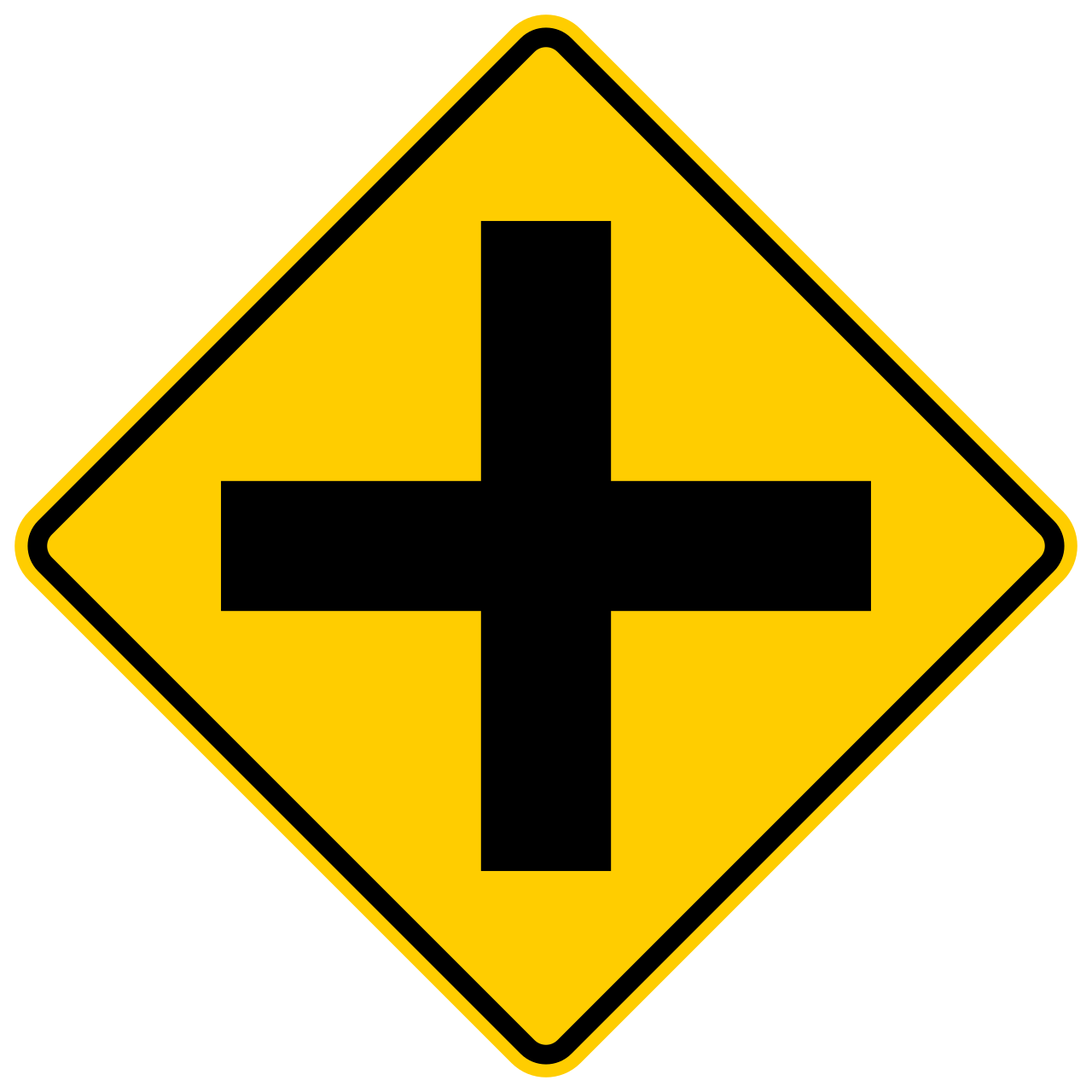 This road sign means:
A
Crossroad
B
Hospital parking ahead
C
Merge
No explanation available.
Question 32
Drivers under the age of 21 are subject to a specific restriction prohibiting them from driving:
A
before consuming alcohol.
B
with alcohol in their system.
C
before midnight.
No explanation available.
Question 33
While inside the roundabout, you should:
A
remain in your lane until you are ready to exit.
B
change lanes before you check for vehicles behind you.
C
use your left turn signal if you are in position to exit now.
No explanation available.
Question 34
To prevent a fatigue-related crash while driving:
A
find a safe parking area to take a 15 to 20 minute nap.
B
drive at night when there are not as many vehicles on the roadway.
C
continue driving so you will reach your destination sooner.
No explanation available.
Question 35
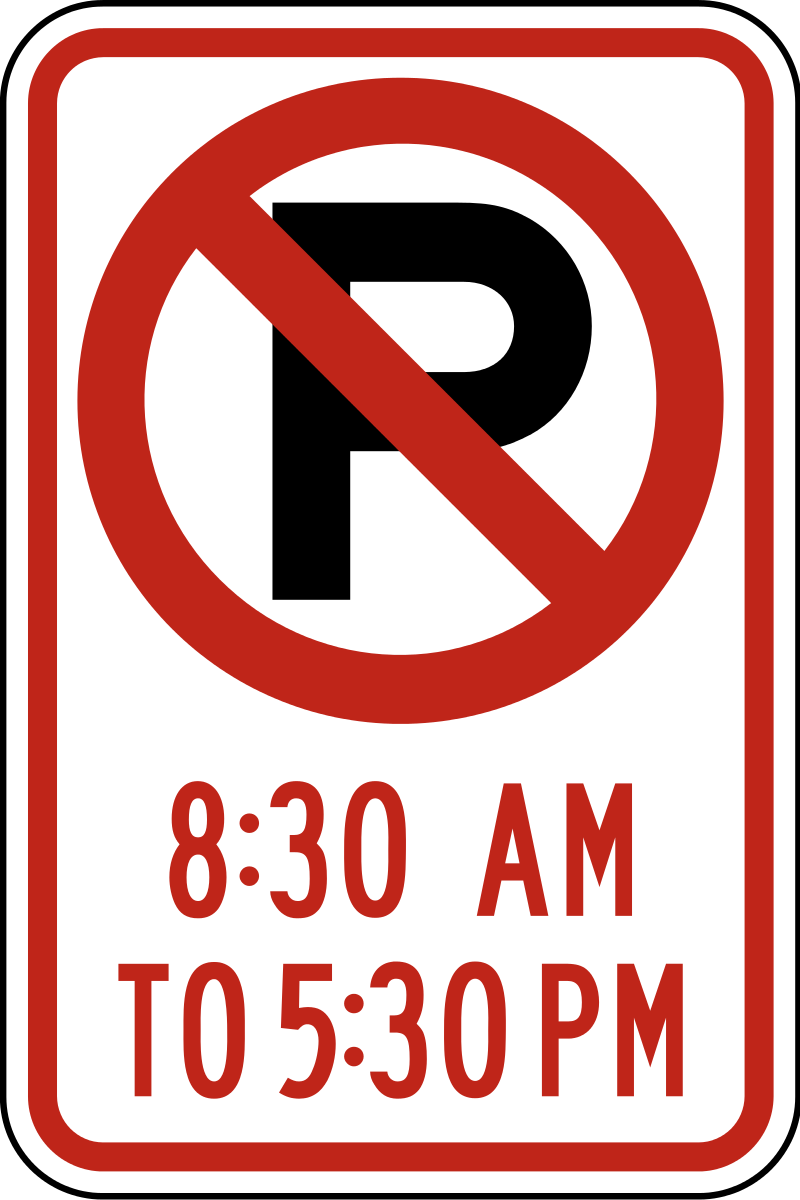 It's 10 AM. This sign tells you that:
A
you are allowed to park until 5:30 PM.
B
you must display a special permit in order to park here.
C
you are not allowed to park here.
No explanation available.
Question 36
A yellow arrow means:
A
Do not go in the direction of the arrow.
B
If you intend to turn in the direction of the arrow, be prepared to stop.
C
The same as a steady yellow light.
No explanation available.
Question 37
When driving through a construction zone, drivers should:
A
come to a complete stop and watch for a flagger.
B
proceed carefully.
C
decrease their following distance.
No explanation available.
Question 38
 The yield sign means:
A
Go. The light will soon be red.
B
If the way is clear, you may move forward slowly without stopping.
C
Stop if you can.
No explanation available.
Question 39
 This sign warns drivers of:
A
a reduction of lanes.
B
a dip in the road. Drivers should be ready to stop if the dip is filled with water.
C
a bridge ahead, wide enough to accommodate two lanes of traffic, but with very little clearance.
No explanation available.
Question 40
 This road sign means:
A
Divided highway ahead
B
Two-way traffic ahead
C
Four-lane traffic ahead
No explanation available.