 drivequiz.com
 Question 1
What should drivers do when the red lights begin to flash?
A
Stop.
B
Yield.
C
Slow down.
No explanation available.
Question 2
Driving under the influence of any medication which impairs your driving ability is permitted:
A
under no circumstances.
B
if it is prescribed by a physician.
C
if you dont feel drowsy.
No explanation available.
Question 3
If the driver of an oncoming vehicle fails to dim the lights, you should look:
A
toward the right side of the road.
B
toward the center of the roadway.
C
straight ahead.
No explanation available.
Question 4
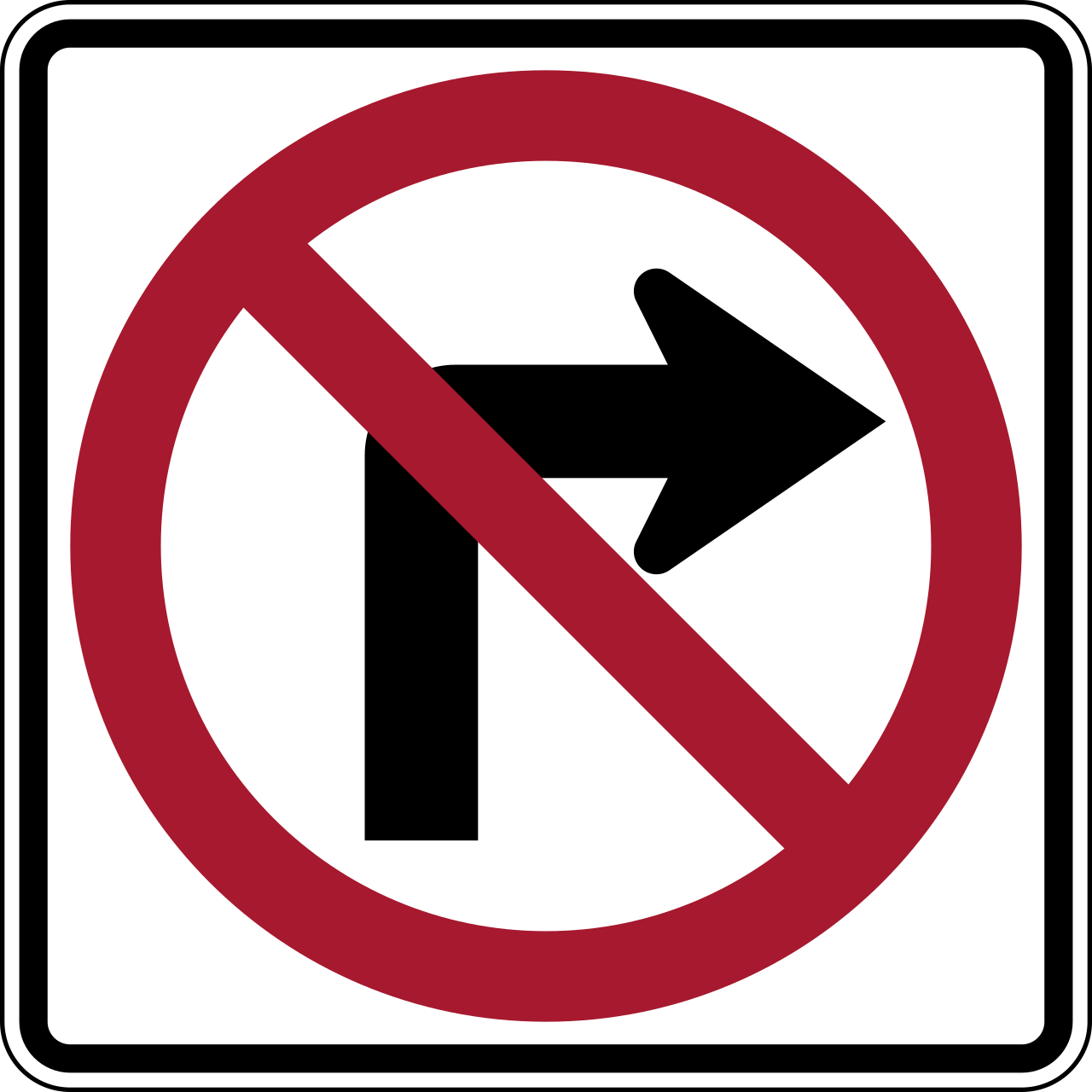 This road sign means:
A
No left turn
B
No right turn
C
No U-turns
No explanation available.
Question 5
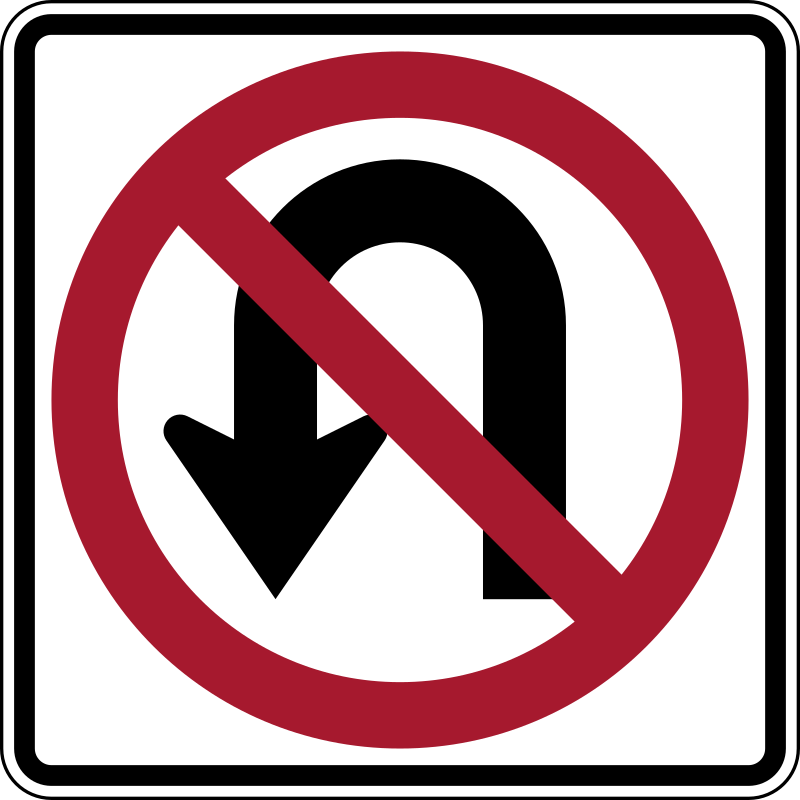 This road sign means:
A
Left turns are not allowed where this sign is displayed.
B
Drivers cannot make a complete turn to go in the opposite direction.
C
Vehicles turning left must make a U-turn.
No explanation available.
Question 6
 This sign means:
A
The road will curve to the right.
B
Left turns are not allowed at the intersection.
C
Do not turn right.
No explanation available.
Question 7
You can reduce the chance of a collision with a large vehicle if you:
A
delay near it.
B
cut abruptly in front of it.
C
pay close attention to the turn signals.
No explanation available.
Question 8
Which of the following factors affect the absorption of alcohol?
A
Your race.
B
Your weight.
C
Your height.
No explanation available.
Question 9
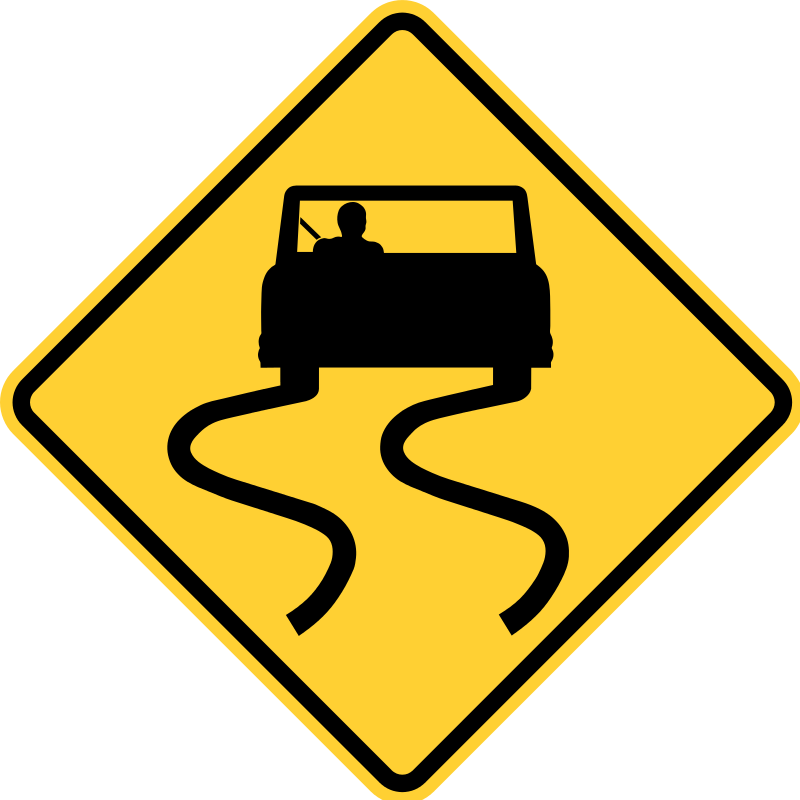 This sign means:
A
The road will curve to the right, then to the left.
B
Road slippery when wet. Drive slowly.
C
Winding road ahead. Drive with caution.
No explanation available.
Question 10
At intersections, crosswalks, and railroad crossings, drivers should always:
A
look to the sides of their vehicle to see what is coming.
B
slowly pass vehicles the vehicles ahead.
C
stop, listen for oncoming traffic, and proceed with caution.
No explanation available.
Question 11
 This sign means:
A
Narrow bridge ahead. Slow down and drive with caution.
B
Do not to enter if your vehicle is taller than the height listed on the sign.
C
No passing zone ahead.
No explanation available.
Question 12
What should you do if your headlights suddenly go out?
A
Brake immediately and activate your emergency lights.
B
Use your emergency lights, parking lights or directional signals.
C
Ease your foot off the gas pedal and brake gently.
No explanation available.
Question 13
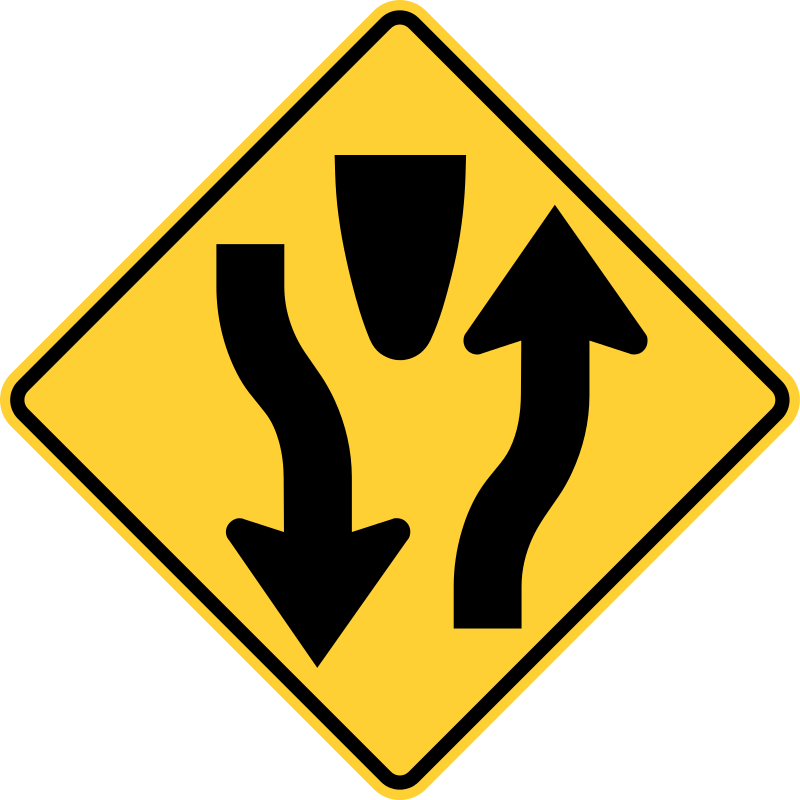 This sign means:
A
Divided highway ahead.
B
Divided highway ends.
C
Drivers will soon be on a roadway with two-way traffic.
No explanation available.
Question 14
When they see this sign, drivers should:
A
increase their speed and keep well to the right.
B
slow down and keep well to the right.
C
slow down and keep well to the left.
No explanation available.
Question 15
Which of the following substances can affect the ability to drive?
A
Tranquilizers and sedatives.
B
Cold tablets containing codeine or antihistamines.
C
All of the above.
No explanation available.
Question 16
What should you do if you see smoke come from under the hood?
A
Call the fire department and then pull off the road and park your vehicle.
B
Pull off the road and park your vehicle. Turn off the ignition, get away from the car and call the fire department.
C
Try to fight the fire yourself.
No explanation available.
Question 17
 This road sign warns drivers that:
A
the road surface ahead changes to a low-type surface or earth road.
B
vehicles must leave the pavement immediately.
C
the dirt on the side of the road is soft.
No explanation available.
Question 18
The first thing affected after drinking alcohol is:
A
balance.
B
judgment.
C
speech.
No explanation available.
Question 19
What should you do in case of a steering failure?
A
Pump your gas pedal a few times to increase the pressure.
B
Don't panic. Turn on your emergency lights to let other drivers know you are having car problems. Move toward the side of the road and bring the car to a gradual stop.
C
Leave the road immediately.
No explanation available.
Question 20
When driving in fog, drivers should use:
A
low beam headlights.
B
parking lights.
C
high beam headlights.
No explanation available.
Question 21
 What does this sign indicate?
A
The highway ahead is divided into two one-way roadways.
B
Winding road ahead. Drive with caution.
C
Drivers will soon be on a roadway with two-way traffic.
No explanation available.
Question 22
At intersections where two or more drivers stop at STOP signs at the same time and they are at right angles:
A
the driver on the left must yield to the driver on the right.
B
the driver who is late for work has the right-of-way.
C
the driver on the right must yield to the driver on the left.
No explanation available.
Question 23
As you enter a roundabout you should slow down and:
A
yield to pedestrians and bicyclist crossing before entering the roundabout.
B
yield to any vehicle coming from your left in the roundabout.
C
All of the above.
No explanation available.
Question 24
Blind spots are:
A
Areas to the side or rear of a vehicle that are easy to spot.
B
areas of the road that cannot be seen even when looking into mirrors.
C
traffic control devices.
No explanation available.
Question 25
Examples of proper glass maintenance include:
A
Replacing worn wiper blades.
B
Keeping your windows clean and clear.
C
All of the above.
No explanation available.
Question 26
The shape of a route sign tells you:
A
the type of route you are on.
B
the speed limit on that route.
C
that the route you are on might be dangerous.
No explanation available.
Question 27
What is a likely effect when you take another drug while you drink alcohol?
A
The effects of the alcohol and the drug are enhanced.
B
There are no effects, unless the drug is prescription only.
C
If the drug is over-the-counter, there are no effects.
No explanation available.
Question 28
When daylight begins to fade, you should use your:
A
low beam headlights.
B
emergency flashers.
C
parking lights.
No explanation available.
Question 29
Unlike passenger cars, trucks have blind spots:
A
on the right.
B
directly behind them.
C
on the front.
No explanation available.
Question 30
If you are continually being passed on the right, you should:
A
move into the right lane and allow other vehicles to pass you on the left.
B
move into the left lane and allow other vehicles to pass you on the right.
C
increase your speed immediately.
No explanation available.
Question 31
Double solid lines on the roadway mean:
A
you cannot pass.
B
you can not go across the lines except to turn left to enter or leave the highway.
C
All of the above.
No explanation available.
Question 32
If you hear a thumping sound while driving, you should:
A
hook your shoe under the gas pedal and see if you can free it.
B
get off the road and check your tires.
C
try your emergency lights.
No explanation available.
Question 33
What can you do to prevent skids on snow and ice?
A
Allow the wheels to keep turning.
B
Brake early and gently.
C
All of the above.
No explanation available.
Question 34
 This is:
A
a side road sign.
B
a merging traffic sign.
C
a right curve sign.
No explanation available.
Question 35
Which shape is a warning sign?
A
Diamond
B
Triangle
C
Pennant
No explanation available.
Question 36
If a driver follows you too closely, you should:
A
move to another lane if possible.
B
activate your stop lights.
C
brake suddenly.
No explanation available.
Question 37
A diamond-shaped sign is a:
A
school zone sign.
B
warning sign.
C
regulatory sign.
No explanation available.
Question 38
No Zones are areas around trucks where cars:
A
disappear into blind spots or are so close to the truck that the driver's ability to stop or maneuver safely is restricted.
B
can turn safely because several car lengths have been left between the truck and car.
C
can travel behind trucks at constant speed and have no risks of being involved in a collision.
No explanation available.
Question 39
When a ‘Road Closed’ sign is displayed, drivers must:
A
make a U-turn.
B
look for a detour or another route.
C
come to a complete stop and wait for the lights to turn green.
No explanation available.
Question 40
What do pennant-shaped signs indicate?
A
A school crossing
B
Yield
C
A No Passing Zone
No explanation available.