 drivequiz.com
 Question 1
A vehicle is stopped at a crosswalk to permit a pedestrian to cross the roadway. The driver of the vehicle approaching from the rear should:
A
sound the horn.
B
overtake and pass the stopped vehicle.
C
not overtake and pass the stopped vehicle.
No explanation available.
Question 2
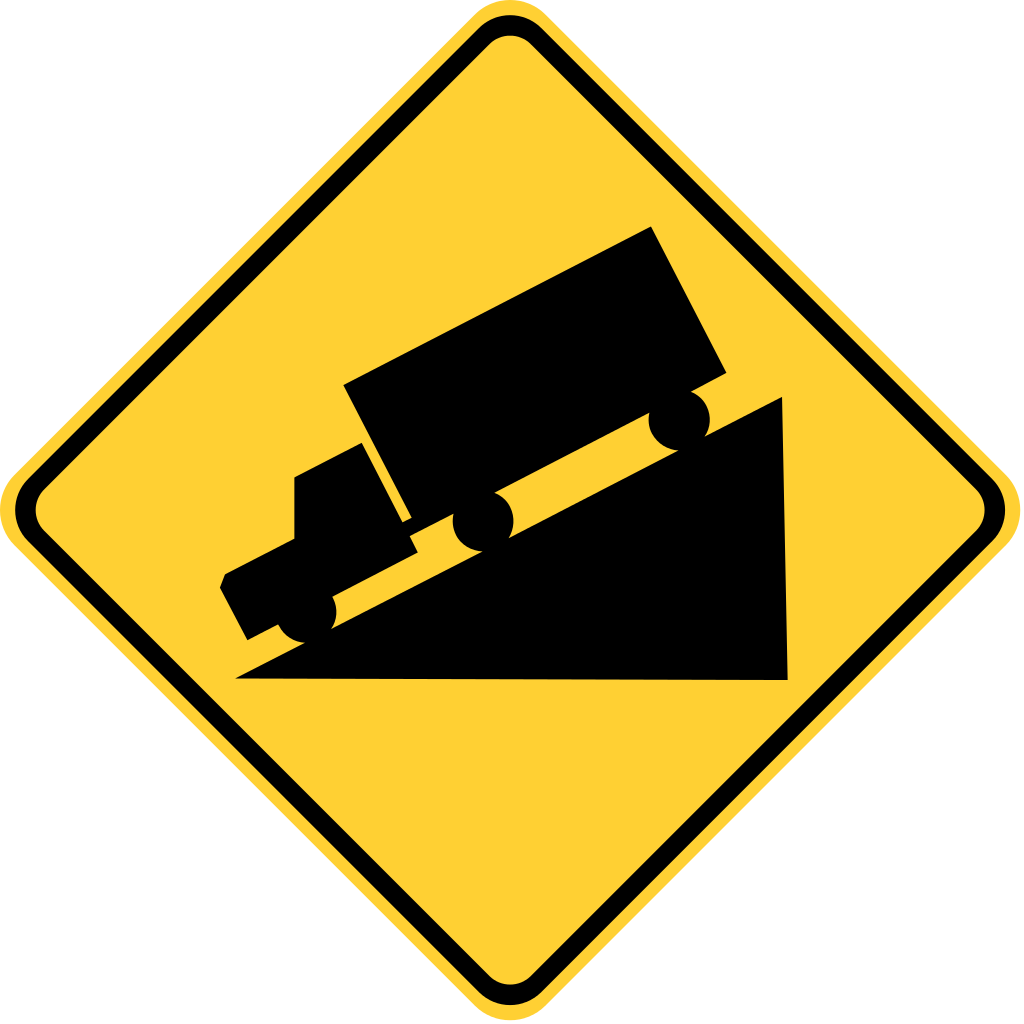 This road sign means:
A
Trucks ahead
B
Downgrade
C
Construction zone
No explanation available.
Question 3
Before making a left turn from a one-way street, you must:
A
be in the lane closest to the left curb.
B
be in the lane closest to the right curb.
C
be in the lane closest to the center of the street.
No explanation available.
Question 4
When the traffic light is green, but traffic is blocking the intersection, drivers should:
A
enter the intersection and wait for traffic to clear.
B
not enter the intersection until they can get completely across.
C
honk their horn to establish their right-of-way.
No explanation available.
Question 5
Only _____ can reduce the alcohol level in the blood.
A
drinking coffee
B
taking a cold shower
C
time
No explanation available.
Question 6
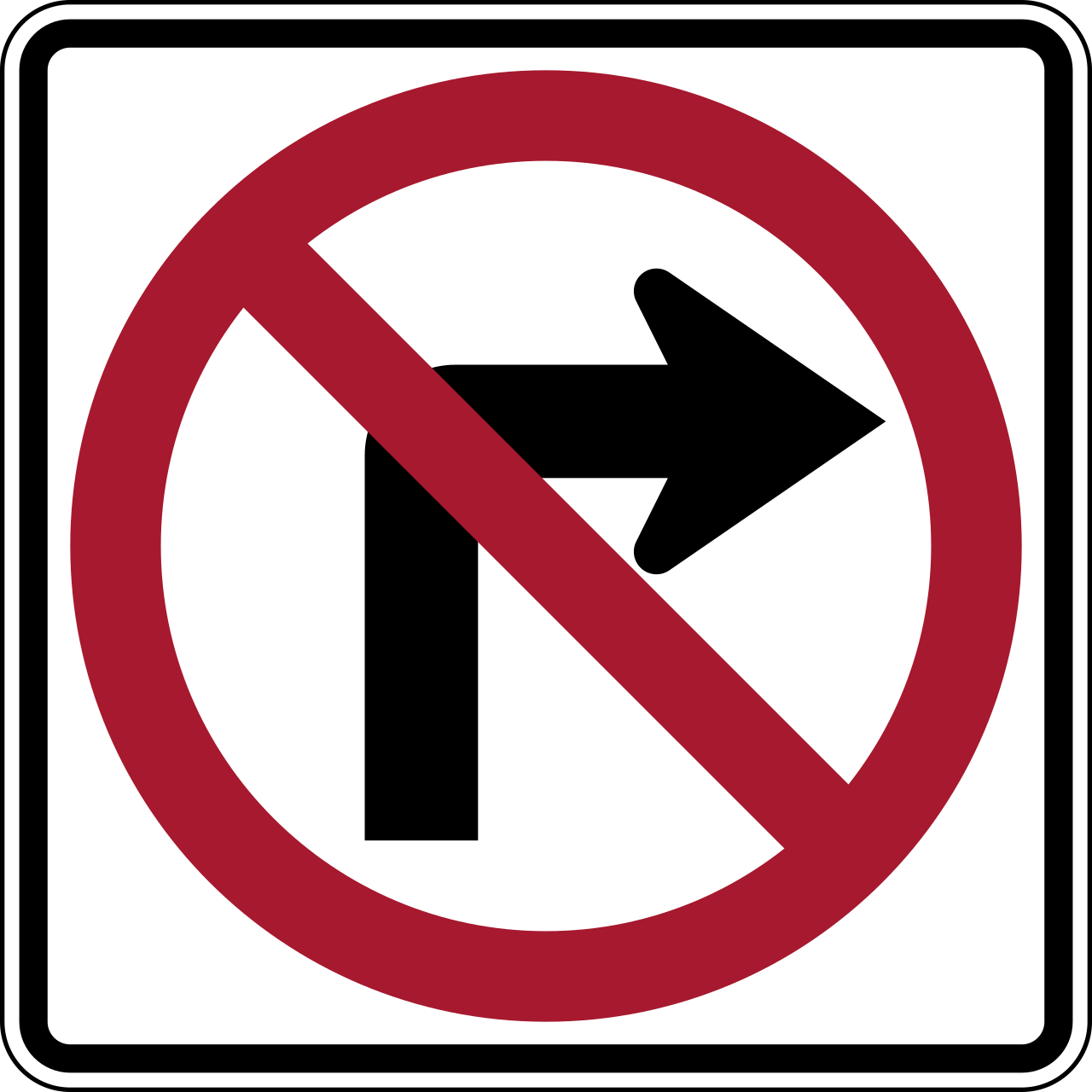 This road sign means:
A
No left turn
B
No right turn
C
No U-turns
No explanation available.
Question 7
To enter a gap in traffic while driving on a highway:
A
check behind, then watch the vehicle ahead.
B
speed up and let vehicles make way.
C
watch only the vehicles behind the gap.
No explanation available.
Question 8
Arrows on the roadway:
A
show which lanes you must use.
B
indicate reserved lanes.
C
indicate HOV lanes.
No explanation available.
Question 9
A traffic sign with a red circle around and a slash over a symbol means:
A
the maneuver shown by the symbol is not allowed.
B
Do not drive faster than the posted speed limit.
C
the maneuver shown on the sign should be executed with extreme caution.
No explanation available.
Question 10
To avoid glare from headlights of an approaching car:
A
stay focused on the center line on the road.
B
don't look directly into the oncoming headlights, look toward the right edge of your lane.
C
flash your high beams.
No explanation available.
Question 11
Which shape is a speed limit sign?
A
Round
B
Pentagon
C
Vertical rectangle
No explanation available.
Question 12
At an intersection without stop or yield signs, you should:
A
yield to the vehicle to your left.
B
wait until there are no vehicles at the intersection.
C
yield to the vehicle to your right.
No explanation available.
Question 13
When being passed by another vehicle, drivers should:
A
slow down.
B
slightly increase their speed.
C
maintain a constant speed.
No explanation available.
Question 14
You hear a siren close by but can not see where the emergency vehicle is. What do you do?
A
Keep driving until you are sure the emergency vehicle is headed toward you.
B
Stop immediately and activate your emergency flashers.
C
Pull over to the right side of the road and stop until you are sure the emergency vehicle is not headed toward you.
No explanation available.
Question 15
The driver of an emergency vehicle that uses lights and a siren can legally:
A
pass red lights.
B
exceed the speed limit
C
All of the above.
No explanation available.
Question 16
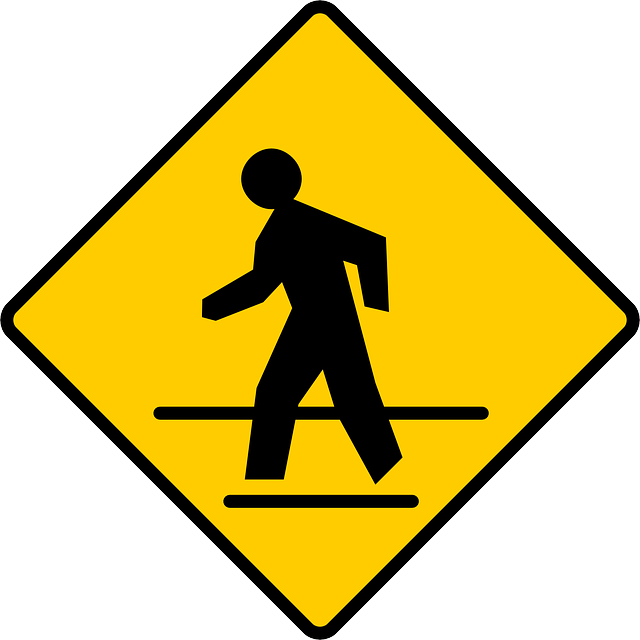 This road sign means:
A
Pedestrian crossing
B
School zone
C
School crossing
No explanation available.
Question 17
What should you do if one of your tires blows out?
A
Hold the steering wheel tight and brake immediately to avoid the risk of skidding.
B
Leave the road immediately.
C
Hold the steering wheel tight and slowly take your foot off the gas pedal.
No explanation available.
Question 18
Always driving slower than other traffic:
A
is a good defensive driving technique.
B
is always safer than driving faster than other traffic.
C
can block traffic.
No explanation available.
Question 19
What should you do if a vehicle is approaching head-on in your lane?
A
Pull over to the left and use your emergency lights to stop the other driver.
B
Decrease speed, pull over to the right and sound your horn to warn the other driver.
C
Turn off the ignition if your vehicle has power steering.
No explanation available.
Question 20
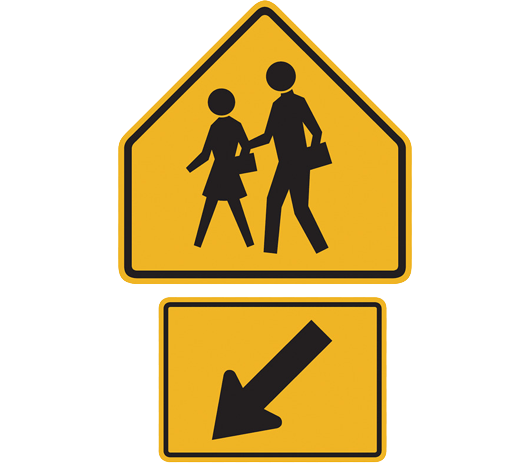 At a school crossing, drivers should:
A
always stop, whether there’s a stop sign or not.
B
always sound their horn and stay alert.
C
watch for children and be ready to stop.
No explanation available.
Question 21
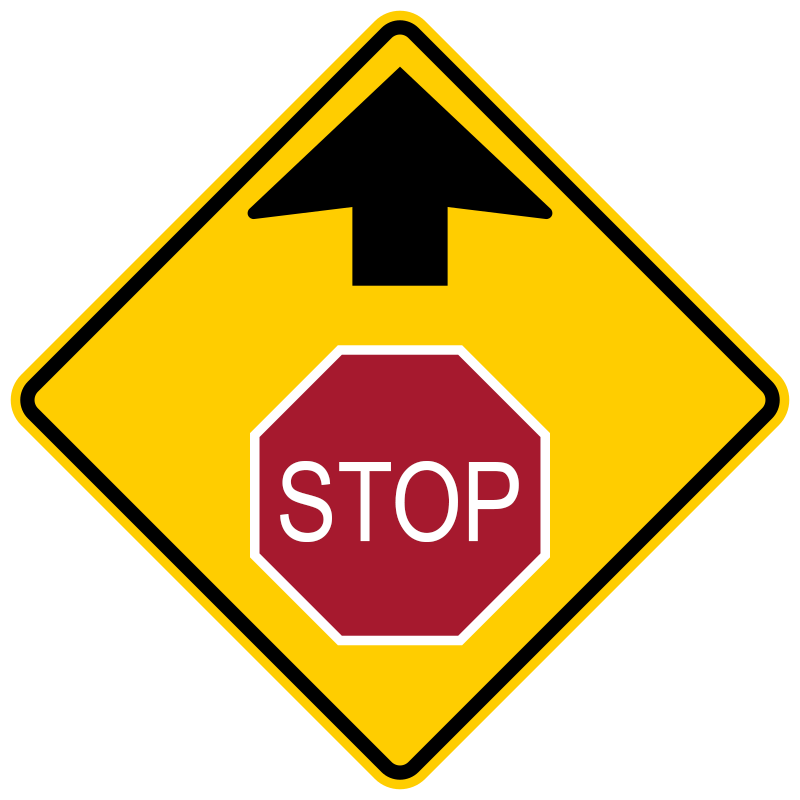 When drivers come to this sign, they must:
A
be ready to stop at the stop sign.
B
warn other drivers that a stop sign is ahead.
C
brake sharply and come to a complete stop.
No explanation available.
Question 22
In rainy weather, drivers should be most careful when turning or stopping:
A
when it's been raining all day.
B
after it has been raining for at least two hours.
C
during the first half hour of rain.
No explanation available.
Question 23
If a tire suddenly goes flat while you are driving, you should:
A
pump the brake pedal 5-7 times until the vehicle stops.
B
slow down gradually do not apply the brake.
C
apply the brake firmly and stop.
No explanation available.
Question 24
Which statement about drinking alcohol and driving is true?
A
Alcohol affects judgement and coordination, which are needed to drive safely.
B
After drinking, a cold shower will sober you up.
C
If you are under the legal BAC limit, your driving is not affected.
No explanation available.
Question 25
Driving at excessive speed:
A
improves your reaction time.
B
often leads to high-risk decision-making.
C
does not increase the chance of a crash.
No explanation available.
Question 26
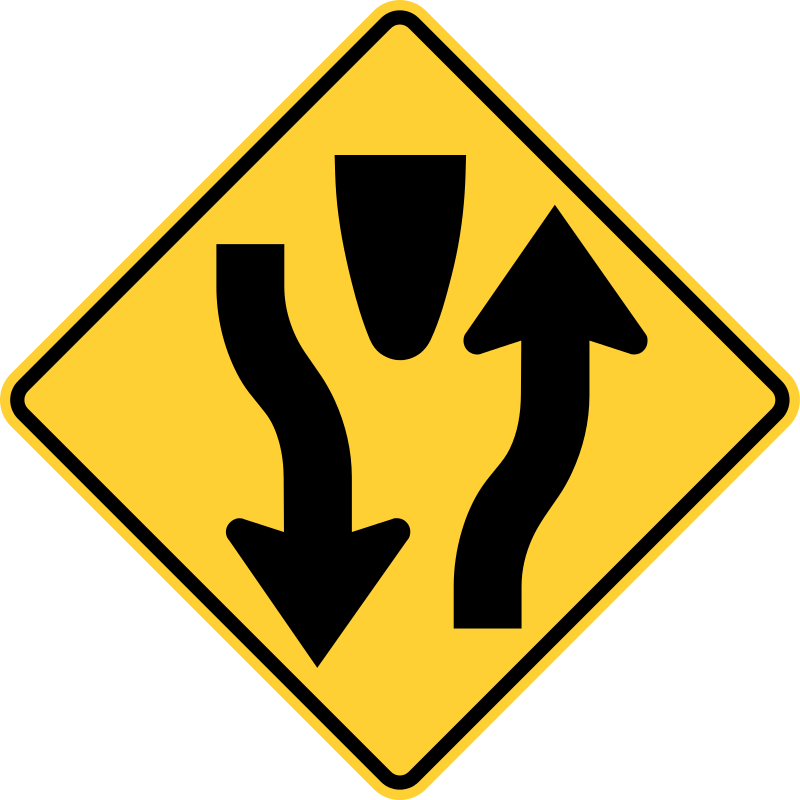 This road sign means:
A
Keep left
B
Divided highway begins
C
Lane ends
No explanation available.
Question 27
Parking is not allowed:
A
in an intersection, unless permitted by signs.
B
within 300 feet of a pedestrian safety area.
C
on public roads
No explanation available.
Question 28
When another vehicle is passing you:
A
stay in your lane and reduce speed.
B
stay in your lane and maintain speed unless there is an emergency.
C
pull your vehicle as far to the right as possible without leaving the pavement.
No explanation available.
Question 29
When passing another vehicle, you should return to your lane if:
A
you have passed the other vehicle’s front bumper.
B
you are at least 25 feet in front of the passed vehicle.
C
you can see both headlights in the rearview mirror.
No explanation available.
Question 30
Which of the following road surfaces freezes first when wet?
A
Bridges and overpasses.
B
Roundabouts.
C
Tunnels.
No explanation available.
Question 31
When parking downhill:
A
turn your wheels away from the side of the road.
B
turn your wheels towards the side of the road.
C
keep your wheels straight.
No explanation available.
Question 32
If the entrance lane is too short to allow acceleration to expressway speed, you should:
A
stop and wait for a large space in traffic.
B
enter the expressway and accelerate quickly.
C
reduce your speed to 15 MPH or less and blend with traffic.
No explanation available.
Question 33
Before entering a curve, you should:
A
pump your brakes several times.
B
activate your turn signal.
C
reduce your speed.
No explanation available.
Question 34
If you park facing uphill where there is NO curb, you should set the parking brake and:
A
turn the wheels toward the curb.
B
leave the wheels straight.
C
turn the wheels toward the edge of the road.
No explanation available.
Question 35
 This road sign means:
A
Yield sign ahead
B
Side road entering from the left
C
Side road
No explanation available.
Question 36
 This sign warns drivers that:
A
the highway ahead is divided into two one-way roadways. Drivers should keep to the right.
B
there is a winding road ahead.
C
there is a double curve ahead.
No explanation available.
Question 37
You must come to a full stop at a yield sign:
A
Always.
B
Never.
C
If traffic conditions require it.
No explanation available.
Question 38
Drivers should use high beam headlights when:
A
following another vehicle.
B
when they come within 50 feet of an oncoming vehicle.
C
there are no oncoming vehicles approaching.
No explanation available.
Question 39
 This road sign means:
A
Pavement ends
B
Winding road
C
Double curve ahead
No explanation available.
Question 40
If it safe to do so, you can pass a vehicle ahead when:
A
you are on a hill or curve.
B
there is a broken line on your side of the road.
C
there is a solid line on your side of the road.
No explanation available.