Question 1:
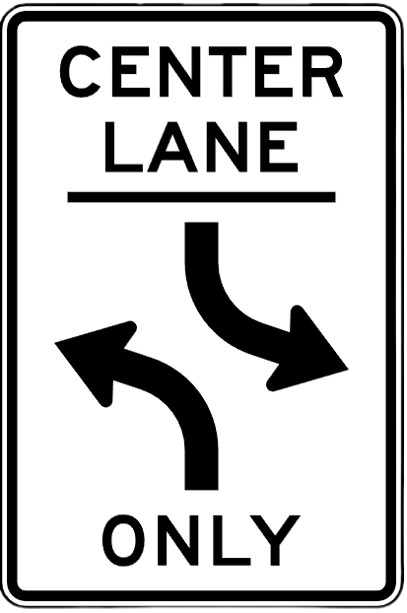 This sign means:
A
The center lane is shared for left turns.
B
Left turns in both directions of travel are not permitted.
C
Vehicles may only turn left.
This traffic sign indicates: The center lane is shared for left turns. Observing and obeying all roadway signs ensures safe traffic flow and legal driving.
Question 2:
A solid yellow line on your side of the center line means:
A
Stop
B
Pass with caution
C
Do not pass
The correct driving rule is: Do not pass. Following standard DMV road rules and practicing defensive driving ensures safety for all road users.
Question 3:
 The yield sign means:
A
Drive with caution in wet weather.
B
You must come to a complete stop.
C
Slow down and give vehicles crossing your path the right-of-way.
A triangular Yield sign requires drivers to slow down and give right-of-way to other traffic: slow down and give vehicles crossing your path the right-of-way. Proceed only when there is a safe opening.
Question 4:
Where must you position your vehicle when you prepare to make a left turn from a two-way roadway into a one-way roadway?
A
As far to the right as possible.
B
On the right curb.
C
As close as possible to the center line.
The correct driving rule is: As close as possible to the center line. Following standard DMV road rules and practicing defensive driving ensures safety for all road users.
Question 5:
 This road sign means:
A
Divided highway ahead
B
Two-way traffic ahead
C
Four-lane traffic ahead
This traffic sign indicates: Two-way traffic ahead. Observing and obeying all roadway signs ensures safe traffic flow and legal driving.
Question 6:
_________________ your mirrors when you prepare to change lanes.
A
Never depend on
B
Never use
C
Always rely on
The correct driving rule is: Never depend on. Following standard DMV road rules and practicing defensive driving ensures safety for all road users.
Question 7:
Are drivers allowed to exceed the speed limit to pass other vehicles?
A
Yes, but only by 10 MPH or less.
B
No.
C
Yes, but only if they drive with caution.
For safe speed and stopping control: No. Adjusting speed to match visibility and road traction prevents loss of steering grip.
Question 8:
Gauging the speed of a motorcycle may be difficult because:
A
motorcycles take up less of your field of vision.
B
motorcycles often slow down by downshifting.
C
many motorcyclists do not activate the brake light.
For safe speed and stopping control: motorcycles take up less of your field of vision. Adjusting speed to match visibility and road traction prevents loss of steering grip.
Question 9:
Having a drivers license is:
A
a requirement.
B
a privilege.
C
a constitutional right.
The correct driving rule is: a privilege. Following standard DMV road rules and practicing defensive driving ensures safety for all road users.
Question 10:
Before you change lanes, you should:
A
look for other traffic by turning your head and looking behind you for oncoming traffic.
B
check your left mirror.
C
keep other vehicles out of your blind spots.
The correct driving rule is: look for other traffic by turning your head and looking behind you for oncoming traffic. Following standard DMV road rules and practicing defensive driving ensures safety for all road users.
Question 11:
If you have to wait for a space to enter a freeway, you should:
A
slow down on the ramp and search ahead for a gap in traffic on the freeway.
B
stop at the end of the ramp to wait for a gap in traffic.
C
maintain speed and signal other drivers to make a gap.
Defensive driving guidelines state that: slow down on the ramp and search ahead for a gap in traffic on the freeway. Anticipating road hazards and communicating maneuvers keeps traffic predictable and safe.
Question 12:
 This road sign means:
A
Merge
B
Side Road
C
Merging Traffic
D
All traffic must go straight ahead
This traffic sign indicates: Side Road. Observing and obeying all roadway signs ensures safe traffic flow and legal driving.
Question 13:
What should you do if one of your tires blows out?
A
Hold the steering wheel tight and brake immediately to avoid the risk of skidding.
B
Leave the road immediately.
C
Hold the steering wheel tight and slowly take your foot off the gas pedal.
The correct driving rule is: Hold the steering wheel tight and slowly take your foot off the gas pedal. Following standard DMV road rules and practicing defensive driving ensures safety for all road users.
Question 14:
 This yellow sign means:
A
Lane ends ahead
B
Undivided highway ahead
C
Merging traffic ahead
This traffic sign indicates: Merging traffic ahead. Observing and obeying all roadway signs ensures safe traffic flow and legal driving.
Question 15:
Which shape is a warning sign?
A
Diamond
B
Triangle
C
Pennant
This traffic sign indicates: Diamond. Observing and obeying all roadway signs ensures safe traffic flow and legal driving.
Question 16:
Construction zone signs are generally:
A
rectangular with white red coloring.
B
triangular with black and yellow coloring.
C
diamond or rectangular with orange and black coloring.
The correct driving rule is: diamond or rectangular with orange and black coloring. Following standard DMV road rules and practicing defensive driving ensures safety for all road users.
Question 17:
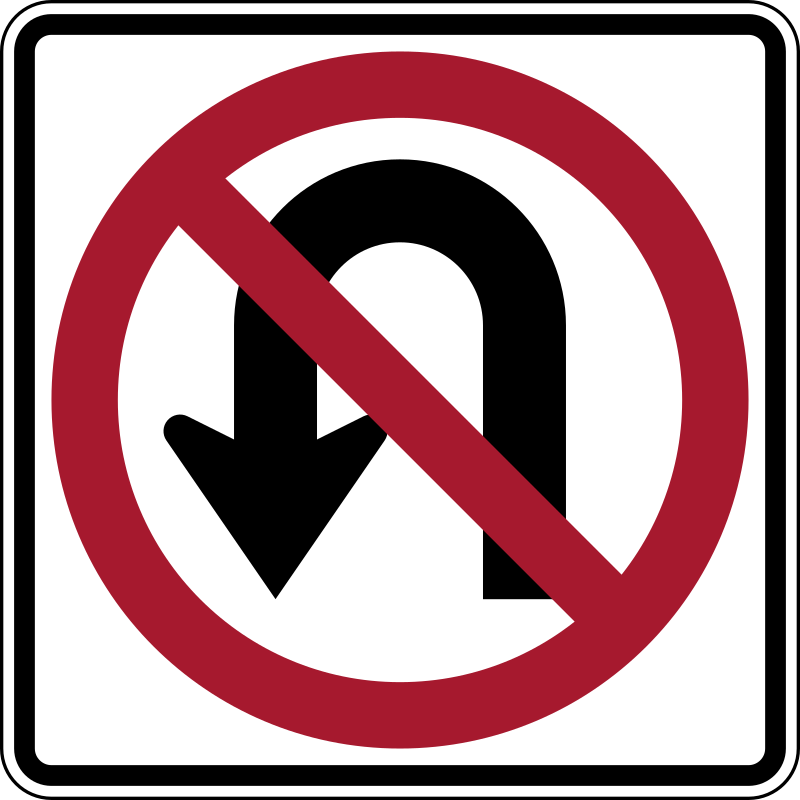 This road sign means:
A
No left turn
B
No U-turn
C
Detour ahead
This traffic sign indicates: No U-turn. Observing and obeying all roadway signs ensures safe traffic flow and legal driving.
Question 18:
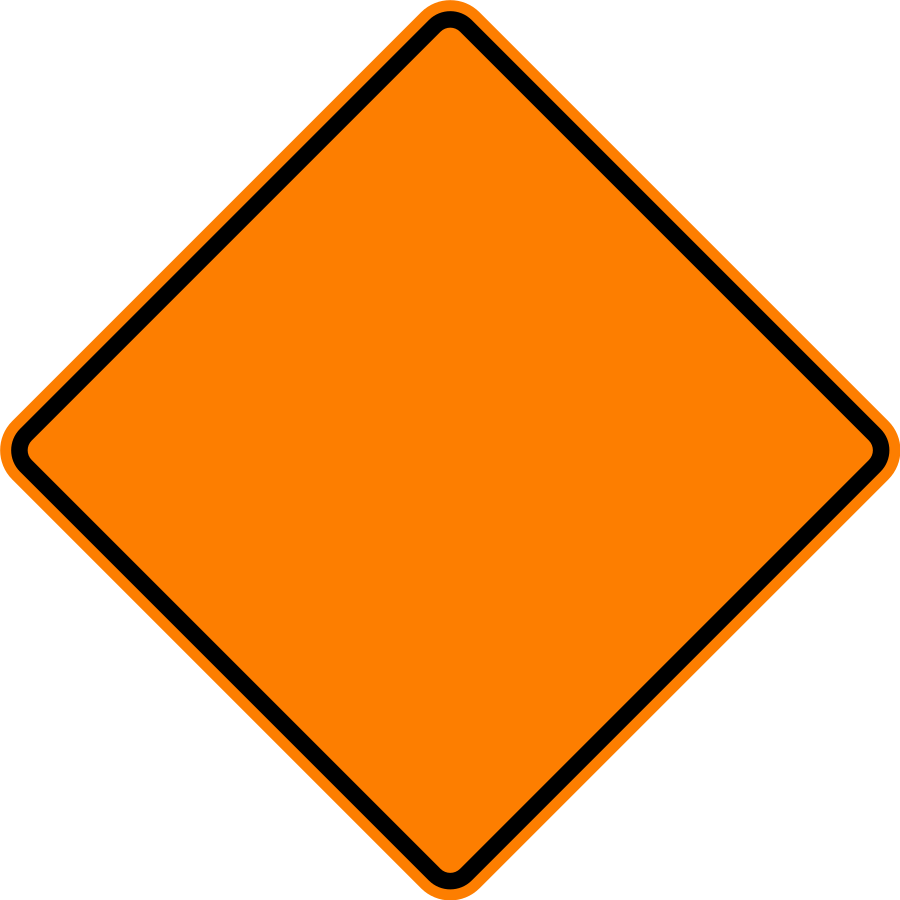 This road sign means:
A
Road construction ahead
B
Stop ahead
C
Do not enter
This traffic sign indicates: Road construction ahead. Observing and obeying all roadway signs ensures safe traffic flow and legal driving.
Question 19:
 The octagonal shape is used:
A
for stop signs and railroad advance warning signs.
B
exclusively for stop signs.
C
to warn drivers of existing or possible hazards on roadways.
An octagonal Stop sign requires a full and complete stop before the stop line or crosswalk: exclusively for stop signs. Proceed only after yielding to all cross traffic and pedestrians.
Question 20:
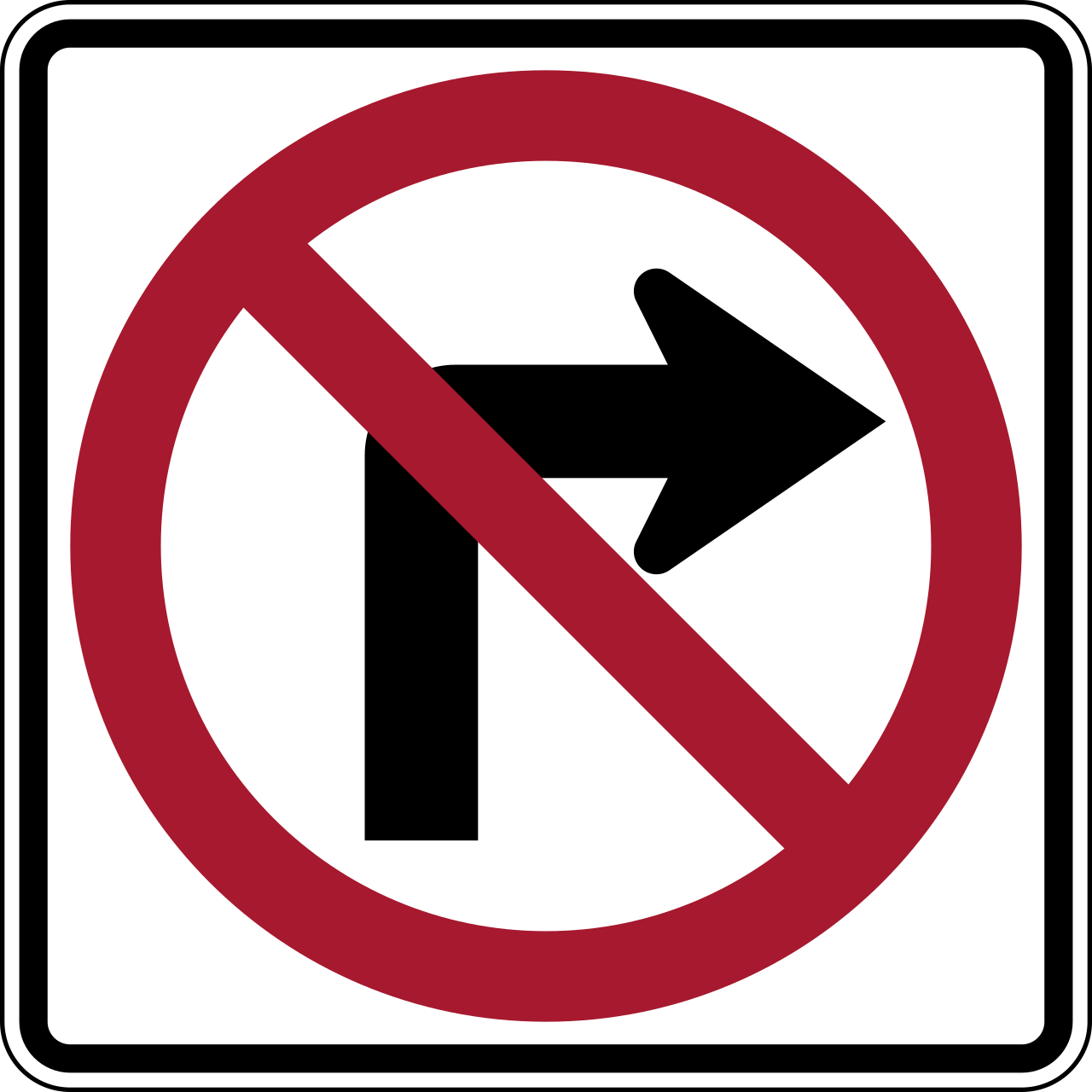 This road sign means:
A
No left turn
B
No right turn
C
No U-turns
This traffic sign indicates: No right turn. Observing and obeying all roadway signs ensures safe traffic flow and legal driving.
Question 21:
When you make a left turn from a one-way road into a two-way road, you must:
A
enter the two-way road to the left of its center line.
B
make a U-turn into the two-way road.
C
enter the two-way road to the right of its center line.
The correct driving rule is: enter the two-way road to the right of its center line. Following standard DMV road rules and practicing defensive driving ensures safety for all road users.
Question 22:
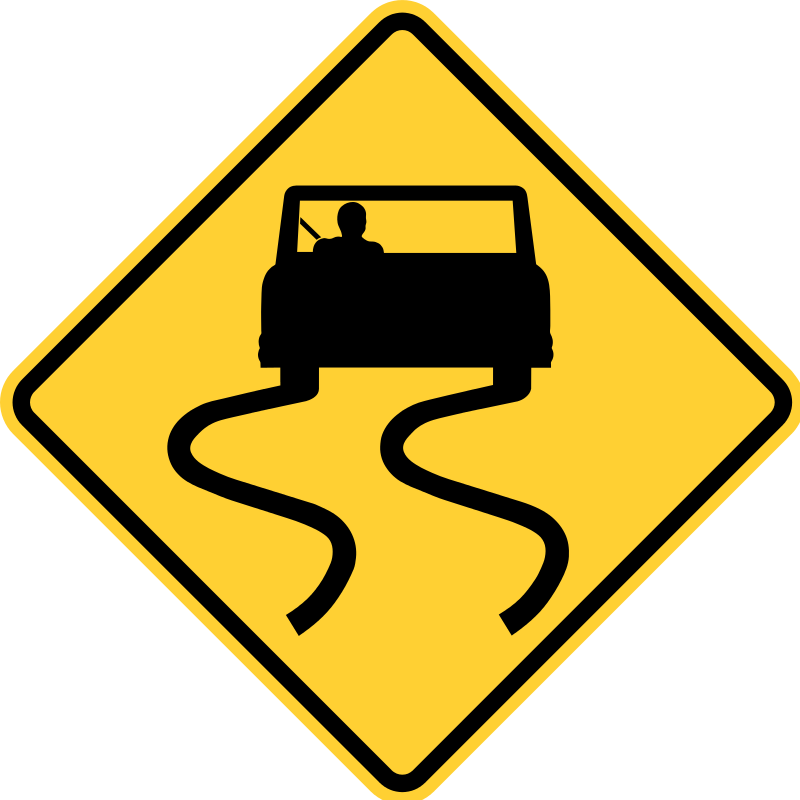 This road sign means:
A
Slow down, slippery when wet
B
Detour ahead
C
Road curves ahead
This traffic sign indicates: slow down, slippery when wet. Observing and obeying all roadway signs ensures safe traffic flow and legal driving.
Question 23:
 This sign means:
A
Narrow bridge ahead. Slow down and drive with caution.
B
Do not to enter if your vehicle is taller than the height listed on the sign.
C
No passing zone ahead.
This traffic sign indicates: Do not to enter if your vehicle is taller than the height listed on the sign. Observing and obeying all roadway signs ensures safe traffic flow and legal driving.
Question 24:
When you see a 'merging traffic' sign on the freeway, you should:
A
slow down to allow traffic to enter.
B
move to another lane to let traffic enter, if safe.
C
speed up to avoid congesting traffic.
Defensive driving guidelines state that: move to another lane to let traffic enter, if safe. Anticipating road hazards and communicating maneuvers keeps traffic predictable and safe.
Question 25:
If a bus needs to make a right turn and you are also turning right:
A
squeeze between the bus and the curb.
B
try to turn right before the bus does.
C
wait until the bus turns before turning right.
The correct driving rule is: wait until the bus turns before turning right. Following standard DMV road rules and practicing defensive driving ensures safety for all road users.