Question 1:
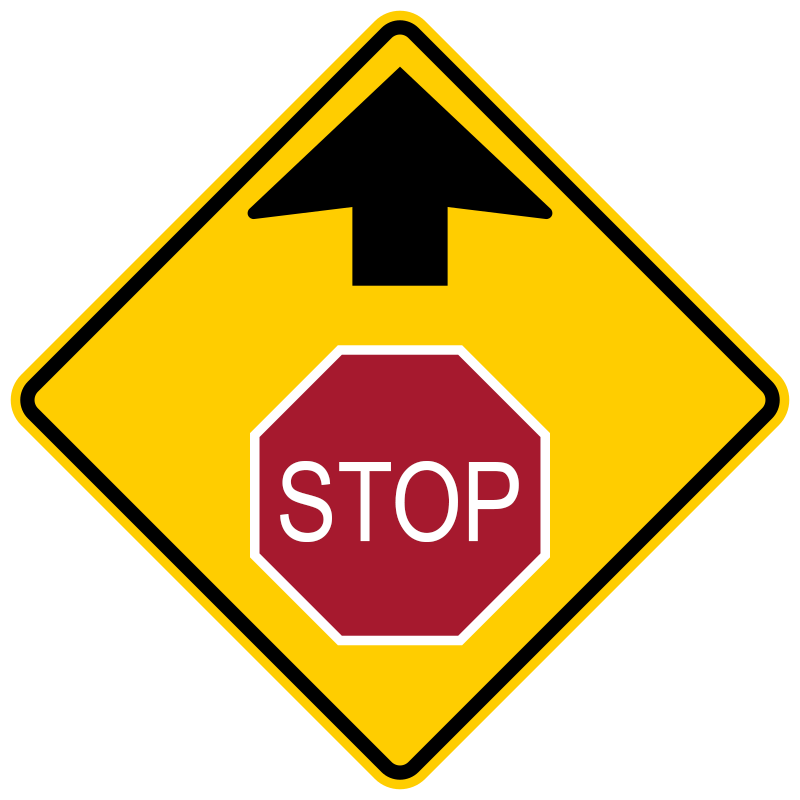 When drivers come to this sign, they must:
A
be ready to stop at the stop sign.
B
warn other drivers that a stop sign is ahead.
C
brake sharply and come to a complete stop.
This traffic sign indicates: be ready to stop at the stop sign. Observing and obeying all roadway signs ensures safe traffic flow and legal driving.
Question 2:
Drivers should always signal when:
A
pulling into traffic from a parking area or alley.
B
changing lanes.
C
pulling out of a parking space.
D
All of the above.
Defensive driving best practices include: pulling into traffic from a parking area or alley; changing lanes; pulling out of a parking space. Staying alert and maintaining spacing prevents unexpected hazards.
Question 3:
Your license will be suspended when you accumulate ______ under the point system law.
A
12 points
B
5 points
C
15 points
The correct driving rule is: 12 points. Following standard DMV road rules and practicing defensive driving ensures safety for all road users.
Question 4:
When it starts to snow while you are driving, you should:
A
increase your following distance
B
keep your windshield and mirrors clear.
C
All of the above.
Hazardous road and weather conditions require extra caution: increase your following distance; keep your windshield and mirrors clear. Reducing speed and expanding following distance preserves control.
Question 5:
 The sign in the picture:
A
is a Construction and Maintenance Traffic Control sign.
B
is found at most intersections and indicates that drivers must yield to other vehicles.
C
is displayed on the rear of slow moving vehicles.
The correct driving rule is: is displayed on the rear of slow moving vehicles. Following standard DMV road rules and practicing defensive driving ensures safety for all road users.
Question 6:
If two vehicles reach the intersection at the same time:
A
The vehicle on the left yields to the vehicle on the right.
B
The vehicle on the right yields to the vehicle on the left.
C
The first vehicle to reach the intersection has the right-of-way.
D
None of the vehicles have the right of way.
According to standard right-of-way regulations: The vehicle on the left yields to the vehicle on the right. Yielding appropriately prevents intersection collisions and maintains safe traffic flow.
Question 7:
When you see a flashing yellow light at an intersection you should:
A
Yield to all traffic before crossing the intersection.
B
Stop, then enter the intersection when it is safe to do so.
C
slow down and proceed carefully through the intersection.
According to standard right-of-way regulations: slow down and proceed carefully through the intersection. Yielding appropriately prevents intersection collisions and maintains safe traffic flow.
Question 8:
Roads are most slippery:
A
just before it rains.
B
when it stops raining.
C
when it first starts to rain.
For safe speed and stopping control: when it first starts to rain. Adjusting speed to match visibility and road traction prevents loss of steering grip.
Question 9:
 This road sign means:
A
Divided highway ahead
B
Two-way traffic ahead
C
Four-lane traffic ahead
This traffic sign indicates: Two-way traffic ahead. Observing and obeying all roadway signs ensures safe traffic flow and legal driving.
Question 10:
Are bicyclists required to obey traffic laws and signs?
A
No, bicyclists are considered pedestrians when it comes to the rules of the road.
B
Yes.
C
Yes, but only if they are riding in a bicycle lane.
The correct driving rule is: Yes. Following standard DMV road rules and practicing defensive driving ensures safety for all road users.
Question 11:
___________ normally are white rectangles with black letters or symbols.
A
Warning signs
B
Destination signs (guide signs)
C
Regulation signs (regulatory signs)
The correct driving rule is: Regulation signs (regulatory signs). Following standard DMV road rules and practicing defensive driving ensures safety for all road users.
Question 12:
Drivers are required to stop:
A
when a traffic officer orders them to stop.
B
where there is a red light.
C
at an intersection with a stop sign.
D
All of the above.
All of the listed points are essential driving requirements: when a traffic officer orders them to stop; where there is a red light; at an intersection with a stop sign. Practicing each ensures compliance with DMV safety laws.
Question 13:
The maximum unposted speed limit in an urban district or residential area is 30 MPH.
A
False
B
True
For safe speed and stopping control: True. Adjusting speed to match visibility and road traction prevents loss of steering grip.
Question 14:
Talking or texting on a cell phone while driving will not significantly increase your chances of being involved in a crash.
A
True
B
False
The correct driving rule is: False. Following standard DMV road rules and practicing defensive driving ensures safety for all road users.
Question 15:
When driving on a two-lane road, drivers must stop when approaching a stopped school bus unloading children.
A
False
B
True
When a school bus displays flashing red lights and extended stop sign: True. Traffic in both directions must come to a full stop on undivided roads until children are clear.
Question 16:
What is the meaning of blue traffic signs?
A
A blue background indicates a regulatory sign.
B
They give directional information.
C
Blue indicates road user services.
The correct driving rule is: Blue indicates road user services. Following standard DMV road rules and practicing defensive driving ensures safety for all road users.
Question 17:
 This sign indicates:
A
Winding road
B
Merging traffic
C
Divided highway ends
This traffic sign indicates: Merging traffic. Observing and obeying all roadway signs ensures safe traffic flow and legal driving.
Question 18:
You have stopped for a train at a railroad crossing. After the train passes, you must:
A
look to see if another train is coming, then cross the tracks if it is safe to do so.
B
watch for vehicles that must stop at railroad crossings (school buses, vehicles carrying hazardous materials, etc.).
C
All of the above.
All of the listed points are essential driving requirements: look to see if another train is coming, then cross the tracks if it is safe to do so; watch for vehicles that must stop at railroad crossings (school buses, vehicles carrying hazardous materials, etc.). Practicing each ensures compliance with DMV safety laws.
Question 19:
What should you do if your vision through the windshield becomes blocked?
A
Pull your vehicle off the road and park it.
B
Turn on your emergency lights.
C
Open the side window so you can see.
D
All of the above.
All of the listed points are essential driving requirements: Pull your vehicle off the road and park it; Turn on your emergency lights; Open the side window so you can see. Practicing each ensures compliance with DMV safety laws.
Question 20:
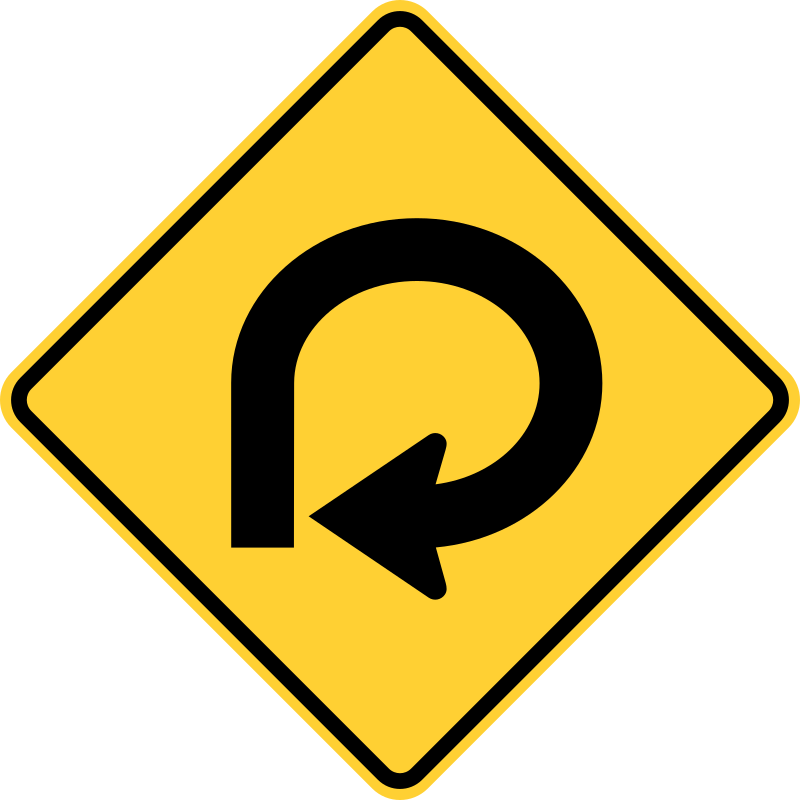 This sign means:
A
Roundabout ahead.
B
270 degree turn ahead.
C
Wrong way; Turn around immediately.
This traffic sign indicates: 270 degree turn ahead. Observing and obeying all roadway signs ensures safe traffic flow and legal driving.
Question 21:
Visibility distance is reduced by fog and heavy precipitation. When visibility is low, drivers should use:
A
High beam headlights.
B
Parking lights.
C
Low beam headlights.
Always use low-beam headlights in fog, heavy rain, or snow. High beams reflect off moisture droplets and bounce glare back into your eyes.
Question 22:
You are stopped at a stop sign and you are going to go straight through the intersection. A car on the cross road has stopped at a stop sign on your right and is going to go straight. Who has the right-of-way?
A
Whoever enters the intersection first.
B
You.
C
The car on your right.
According to standard right-of-way regulations: The car on your right. Yielding appropriately prevents intersection collisions and maintains safe traffic flow.
Question 23:
A person walking with a white cane or guide dog is likely to be:
A
a deaf person.
B
a traffic enforcement officer.
C
a blind person.
The correct driving rule is: a blind person. Following standard DMV road rules and practicing defensive driving ensures safety for all road users.
Question 24:
When you are planning to make a three point turn, and oncoming traffic is approaching, you should:
A
Flash your headlights and begin the maneuver.
B
start the turn, then stop and yield to oncoming vehicles when they are within 50 feet of your vehicle.
C
yield to oncoming traffic from both directions before turning.
The correct driving rule is: yield to oncoming traffic from both directions before turning. Following standard DMV road rules and practicing defensive driving ensures safety for all road users.
Question 25:
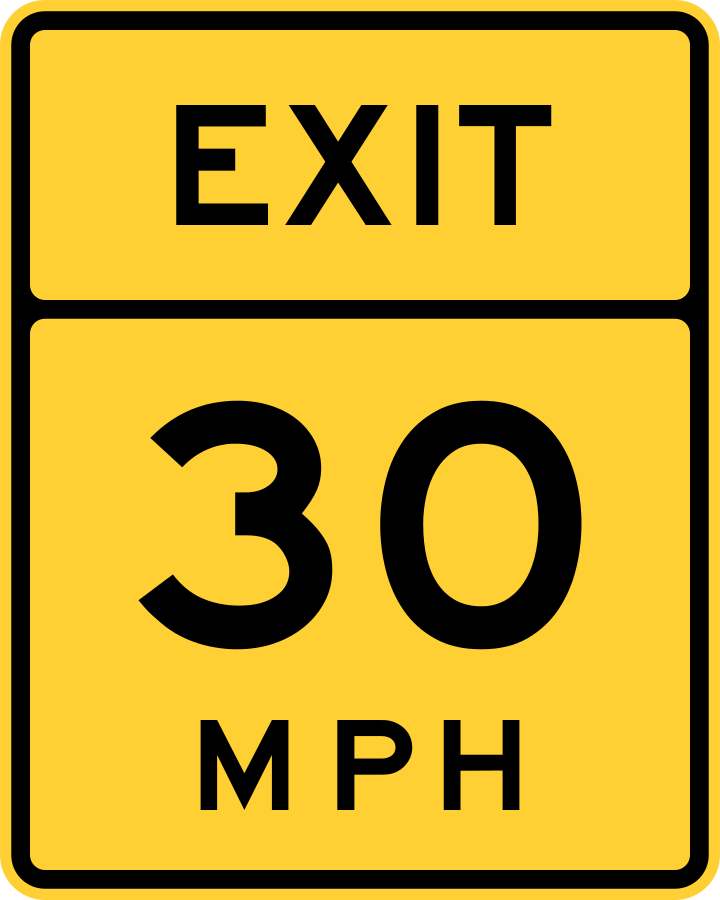 The sign in the picture:
A
shows the highest speed drivers can travel at the exit of the intersection.
B
is used to advise motorists of the appropriate ramp speed at the highway exit point.
C
indicates the minimum ramp speed at the highway exit point.
The correct driving rule is: is used to advise motorists of the appropriate ramp speed at the highway exit point. Following standard DMV road rules and practicing defensive driving ensures safety for all road users.
Question 26:
What is the first thing you should do if your wheels move off the pavement?
A
Pull the steering wheel back.
B
Pull over to the right and sound your horn to warn the other drivers.
C
Ease your foot off the gas pedal and brake gently.
The correct driving rule is: Ease your foot off the gas pedal and brake gently. Following standard DMV road rules and practicing defensive driving ensures safety for all road users.
Question 27:
You want to turn left at an intersection ahead. A car reaches the intersection from the opposite direction and moves straight ahead. You:
A
can turn left. You have the right of way.
B
must wait for the car to go through before you turn.
C
may not enter the intersection to prepare for your left turn if the light is green.
According to standard right-of-way regulations: must wait for the car to go through before you turn. Yielding appropriately prevents intersection collisions and maintains safe traffic flow.
Question 28:
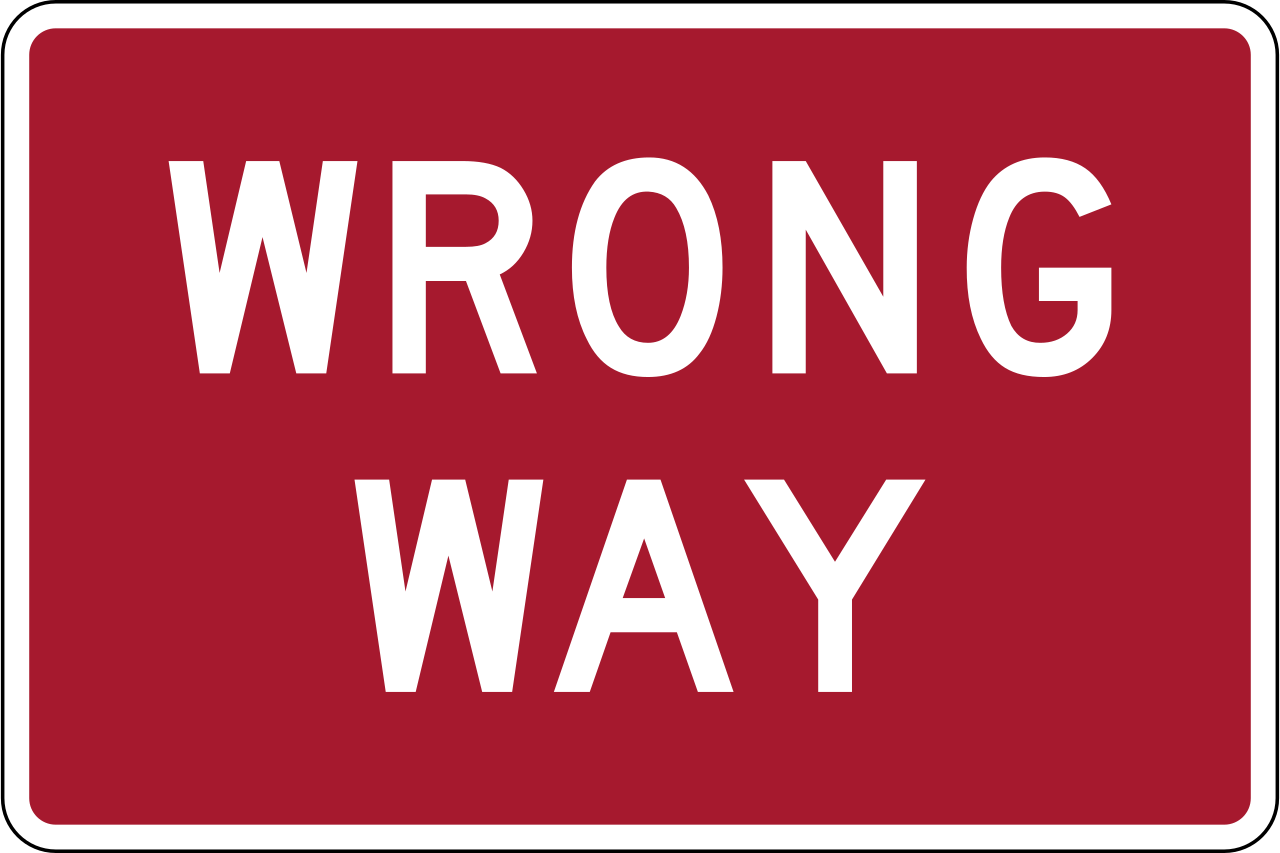 When drivers see this road sign:
A
they must come to a complete stop and call the police.
B
they must not drive past this sign.
C
they must turn around immediately.
This traffic sign indicates: they must turn around immediately. Observing and obeying all roadway signs ensures safe traffic flow and legal driving.
Question 29:
 What does a flashing red light mean?
A
NO TURN ON RED.
B
The same thing as a stop sign.
C
Drivers may move forward with caution.
When an emergency vehicle approaches with flashing lights or sirens, you must safely pull over to the right curb and stop completely until it passes.
Question 30:
Green and white signs:
A
give information about directions and distances.
B
are mainly used at intersections and driveways.
C
warn drivers of unexpected road conditions.
The correct driving rule is: give information about directions and distances. Following standard DMV road rules and practicing defensive driving ensures safety for all road users.