Question 1:
Air bags are meant to _________ seat belts.
A
work with
B
fix
C
replace
The correct driving rule is: work with. Following standard DMV road rules and practicing defensive driving ensures safety for all road users.
Question 2:
Any use of a cell phone while operating a motor vehicle is considered a distraction because:
A
it occupies the driver's mind, hands and eyes.
B
it draws the attention of other drivers.
C
it causes the driver to be concerned about the latest news.
The correct driving rule is: it occupies the driver's mind, hands and eyes. Following standard DMV road rules and practicing defensive driving ensures safety for all road users.
Question 3:
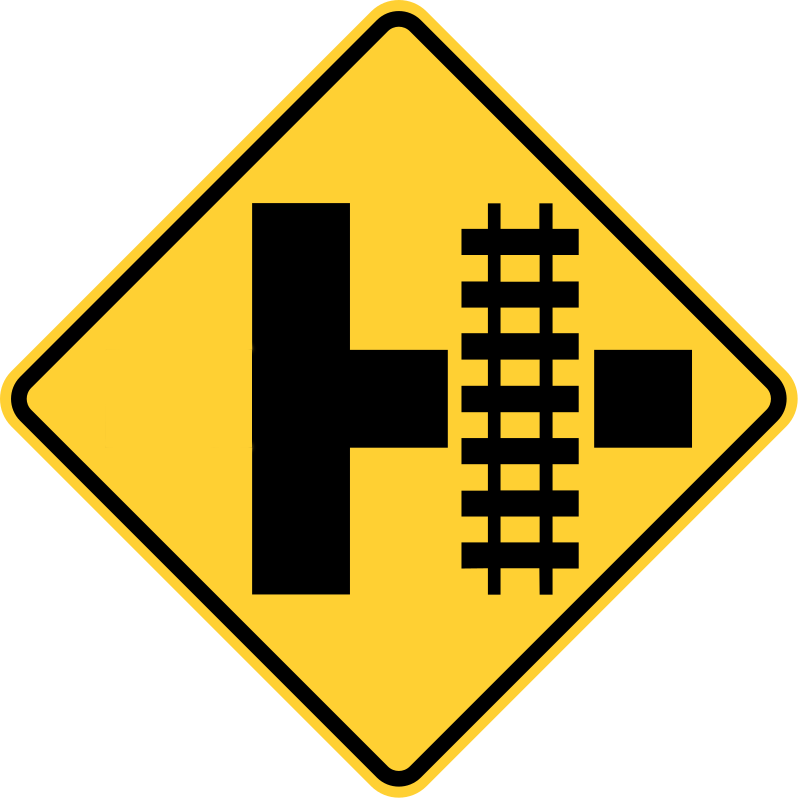 What does this sign indicate?
A
Parallel railroad crossing (side road)
B
Low ground clearance railroad crossing
C
Parallel railroad crossing (crossroad)
Circular signs with an 'X' and 'RR' designate a Railroad Advance Warning: Parallel railroad crossing (side road). Drivers must slow down, look both ways, listen for trains, and be prepared to stop.
Question 4:
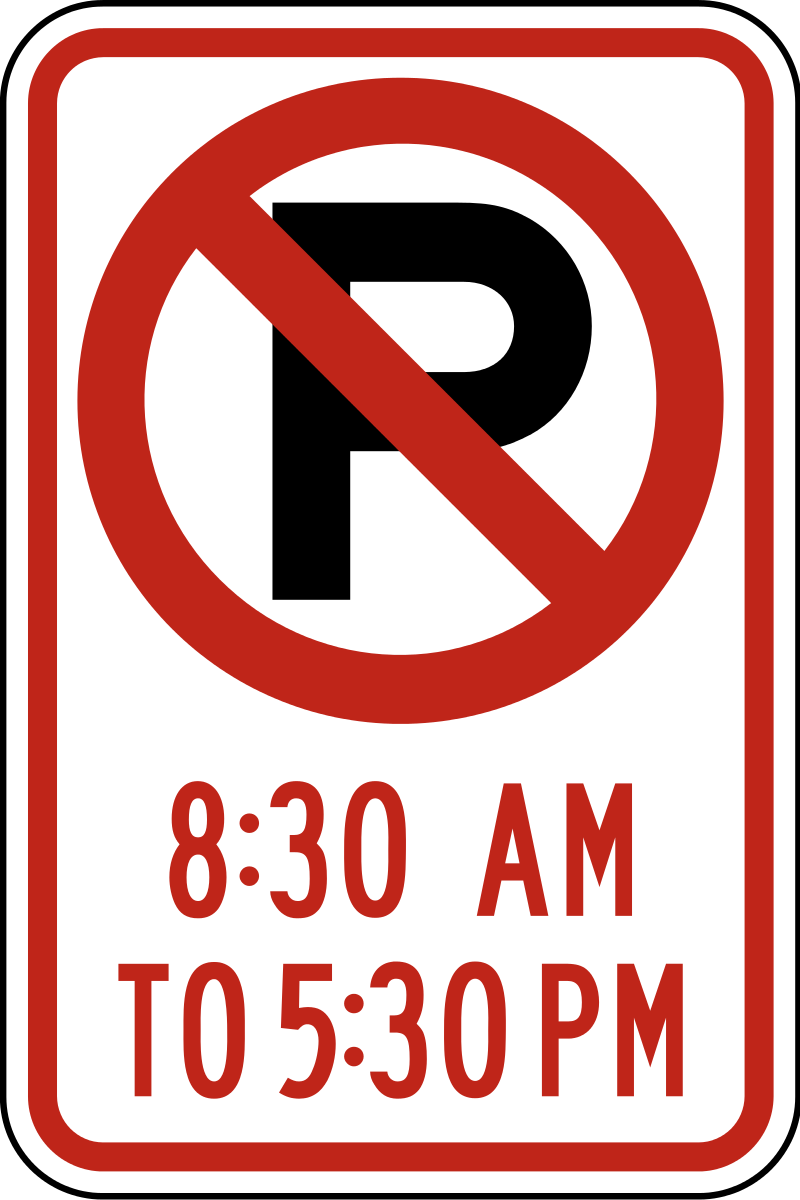 This sign means:
A
You can only park between 8:30 AM and 5:30 PM.
B
Parking is not allowed at 8:30 AM and at 5:30 PM
C
No parking between 8:30 AM and 5:30 PM.
This traffic sign indicates: No parking between 8:30 AM and 5:30 PM. Observing and obeying all roadway signs ensures safe traffic flow and legal driving.
Question 5:
More than one vehicle is approaching a four-way stop sign. Who has the right of way?
A
The first driver to reach the intersection and stop.
B
The driver on the left.
C
The last driver to reach the intersection.
At an uncontrolled intersection or 4-way stop where vehicles arrive at the same time: The first driver to reach the intersection and stop. The driver on the left must always yield to the driver on the right.
Question 6:
_________________ your mirrors when you prepare to change lanes.
A
Never depend on
B
Never use
C
Always rely on
The correct driving rule is: Never depend on. Following standard DMV road rules and practicing defensive driving ensures safety for all road users.
Question 7:
Which statement about yielding right-of-way is true?
A
Drivers turning right at intersections have the right-of-way over pedestrians crossing the intersection.
B
When turning left at an intersection, you may turn left before the oncoming traffic.
C
Although there are laws governing right of way, drivers should never “demand” their right-of-way.
According to standard right-of-way regulations: Although there are laws governing right of way, drivers should never “demand” their right-of-way. Yielding appropriately prevents intersection collisions and maintains safe traffic flow.
Question 8:
 This road sign is:
A
a speed reduction sign.
B
a warning sign.
C
a regulatory sign.
This traffic sign indicates: a regulatory sign. Observing and obeying all roadway signs ensures safe traffic flow and legal driving.
Question 9:
What should you do in case of a brake failure?
A
Pull off the road into an open space, if available.
B
Apply the parking brake slowly.
C
All of the above.
All of the listed points are essential driving requirements: Pull off the road into an open space, if available; Apply the parking brake slowly. Practicing each ensures compliance with DMV safety laws.
Question 10:
Hydroplaning is when:
A
your tires start to ride up on the water and lose all contact with the road.
B
splash and spray from large trucks reduces visibility.
C
heavy rain forces you to move to the right side of the road and stop.
The correct driving rule is: your tires start to ride up on the water and lose all contact with the road. Following standard DMV road rules and practicing defensive driving ensures safety for all road users.
Question 11:
When driving on a road with two or more lanes traveling in the same direction, you should:
A
drive in the left lane.
B
drive in the right lane.
C
drive in any lane.
The correct driving rule is: drive in the right lane. Following standard DMV road rules and practicing defensive driving ensures safety for all road users.
Question 12:
 What does a flashing yellow light mean?
A
The same thing as a stop sign.
B
Drivers may move forward with caution.
C
All of the above.
According to standard right-of-way regulations: drivers may move forward with caution. Yielding appropriately prevents intersection collisions and maintains safe traffic flow.
Question 13:
Which of these statements about steering is true?
A
Both hands should be placed on the outside of the steering wheel.
B
The steering wheel is always turned in the direction you want the vehicle to move, whether moving forward or in reverse.
C
All of the above.
All of the listed points are essential driving requirements: Both hands should be placed on the outside of the steering wheel; The steering wheel is always turned in the direction you want the vehicle to move, whether moving forward or in reverse. Practicing each ensures compliance with DMV safety laws.
Question 14:
Drivers operating a vehicle on South Carolina roadways have already agreed to submit a chemical test or tests when requested by a law enforcement officer.
A
True
B
False
The correct driving rule is: True. Following standard DMV road rules and practicing defensive driving ensures safety for all road users.
Question 15:
If you are involved in a traffic collision, you should:
A
report the accident within 24 hours.
B
move your vehicle from the roadway to the shoulder, aid the injured, protect the scene and notify the authorities.
C
report the accident to your insurance company immediately, then notify the authorities.
The correct driving rule is: move your vehicle from the roadway to the shoulder, aid the injured, protect the scene and notify the authorities. Following standard DMV road rules and practicing defensive driving ensures safety for all road users.
Question 16:
When a ‘Road Closed’ sign is displayed, drivers must:
A
make a U-turn.
B
look for a detour or another route.
C
come to a complete stop and wait for the lights to turn green.
The correct driving rule is: look for a detour or another route. Following standard DMV road rules and practicing defensive driving ensures safety for all road users.
Question 17:
Which of these statements about speed management is true?
A
As your speed increases, the chance of being involved in a fatal crash increases.
B
As your speed increases, so should your following distance.
C
All of the above.
Hazardous road and weather conditions require extra caution: As your speed increases, the chance of being involved in a fatal crash increases; As your speed increases, so should your following distance. Reducing speed and expanding following distance preserves control.
Question 18:
 This sign means:
A
U-turns are not allowed.
B
Parking is not allowed.
C
No parking on pavement.
This traffic sign indicates: Parking is not allowed. Observing and obeying all roadway signs ensures safe traffic flow and legal driving.
Question 19:
A crosswalk is:
A
a special type of 4-way intersection.
B
an area designated for blind persons.
C
the area where pedestrians may cross the road.
Drivers must always yield the right-of-way to pedestrians crossing at intersections and crosswalks: the area where pedestrians may cross the road. Stop and allow them to clear the lane safely.
Question 20:
Before you enter and start a parked vehicle, you should:
A
Start the engine, adjust the side mirror and check the fuel gauge.
B
Check the gear shift and the defroster.
C
Walk around and check your vehicle, when inside adjust the seat, mirrors and fasten the safety belt.
The correct driving rule is: Walk around and check your vehicle, when inside adjust the seat, mirrors and fasten the safety belt. Following standard DMV road rules and practicing defensive driving ensures safety for all road users.
Question 21:
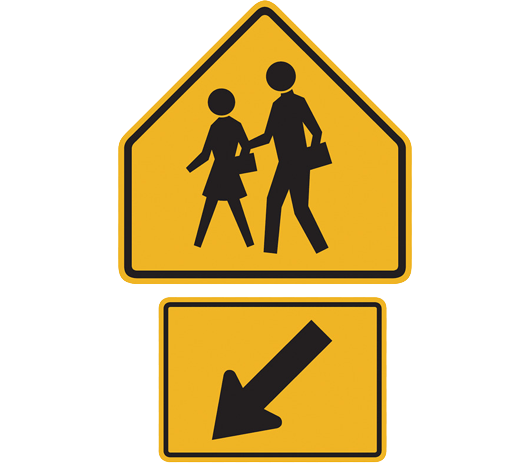 When you approach this sign, you must:
A
stop if necessary.
B
watch for workers crossing the road.
C
None of the above.
This traffic sign indicates: stop if necessary. Observing and obeying all roadway signs ensures safe traffic flow and legal driving.
Question 22:
Which statement about driving too slowly is true?
A
You should drive with the flow of traffic as long as the traffic is not exceeding the posted speed limit.
B
Driving too slowly is not an unsafe driving practice.
C
The speed at which you drive does not affect your safety.
The correct driving rule is: you should drive with the flow of traffic as long as the traffic is not exceeding the posted speed limit. Following standard DMV road rules and practicing defensive driving ensures safety for all road users.
Question 23:
Following another vehicle too closely is known as:
A
speedgating.
B
closetailing.
C
tailgating.
The correct driving rule is: tailgating. Following standard DMV road rules and practicing defensive driving ensures safety for all road users.
Question 24:
Gauging the speed of a motorcycle may be difficult because:
A
motorcycles take up less of your field of vision.
B
motorcycles often slow down by downshifting.
C
many motorcyclists do not activate the brake light.
For safe speed and stopping control: motorcycles take up less of your field of vision. Adjusting speed to match visibility and road traction prevents loss of steering grip.
Question 25:
When passing another vehicle, you should:
A
assume the other vehicle will maintain a constant speed.
B
check your mirrors and blind spots.
C
drive at the same speed as the vehicle you are passing.
Defensive driving guidelines state that: check your mirrors and blind spots. Anticipating road hazards and communicating maneuvers keeps traffic predictable and safe.
Question 26:
Motorcycles:
A
must share a traffic lane with another vehicle.
B
are easier to see than cars.
C
are entitled to use a complete traffic lane.
The correct driving rule is: are entitled to use a complete traffic lane. Following standard DMV road rules and practicing defensive driving ensures safety for all road users.
Question 27:
 What should drivers do when they see this road sign?
A
come to a complete stop and wait for a train to cross.
B
slow down, look for a train, and be prepared to stop.
C
look for a human flagger.
This traffic sign indicates: slow down, look for a train, and be prepared to stop. Observing and obeying all roadway signs ensures safe traffic flow and legal driving.
Question 28:
When you make a left turn from a one-way road into a one-way road, if the road you enter has two lanes, you:
A
must turn into its right lane.
B
can not turn left.
C
must turn into its left lane.
The correct driving rule is: must turn into its left lane. Following standard DMV road rules and practicing defensive driving ensures safety for all road users.
Question 29:
To reduce their chances of colliding with an animal, drivers should:
A
scan the sides of the road to watch for the reflection of vehicle headlights in the eyes of animals.
B
look well down the road and far off to each side.
C
All of the above.
All of the listed points are essential driving requirements: scan the sides of the road to watch for the reflection of vehicle headlights in the eyes of animals; look well down the road and far off to each side. Practicing each ensures compliance with DMV safety laws.
Question 30:
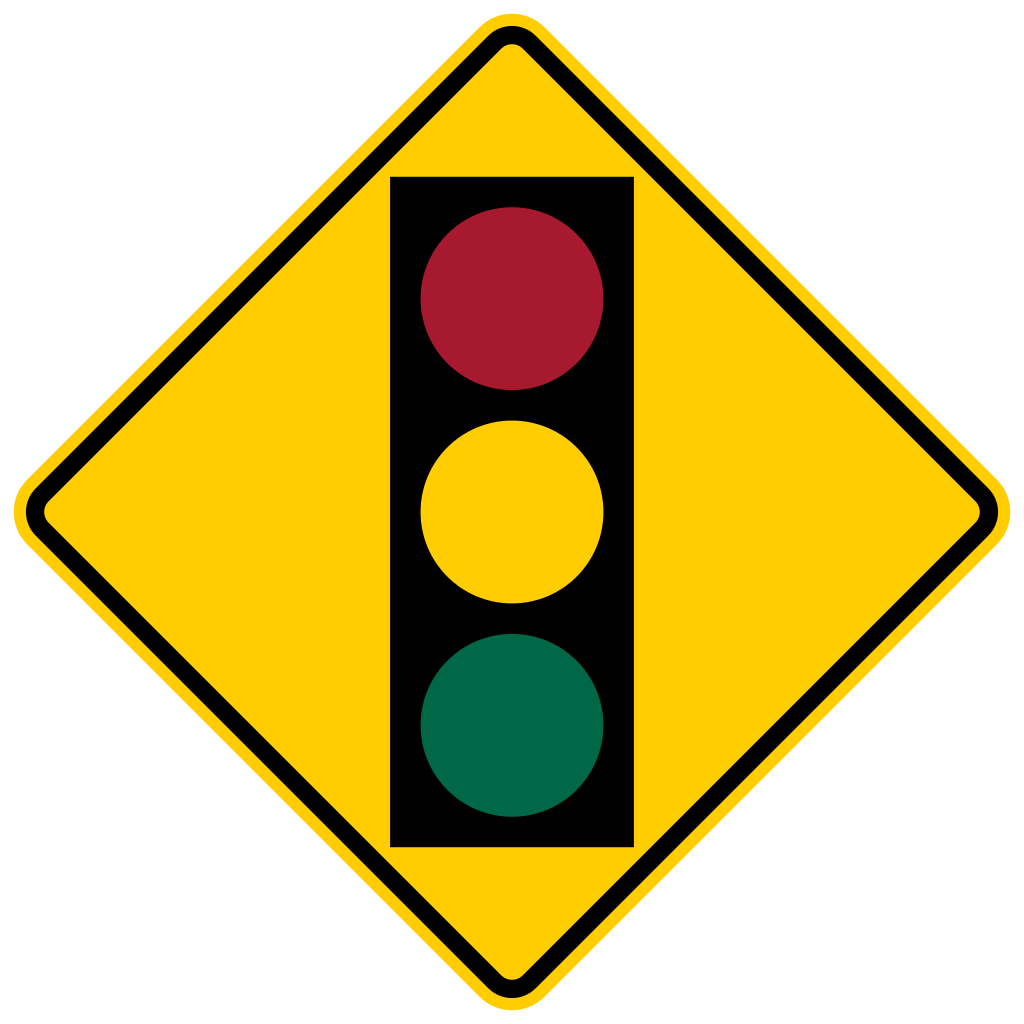 This road sign means:
A
Traffic signal ahead
B
Stop
C
Yield the right-of-way
This traffic sign indicates: traffic signal ahead. Observing and obeying all roadway signs ensures safe traffic flow and legal driving.