Question 1:
Your red traffic signal changes to green while a pedestrian is crossing in your traffic lane. The right of way should be given:
A
by the pedestrian, but only when vehicles are turning left.
B
by the pedestrian.
C
to the pedestrian.
Circular signs with an 'X' and 'RR' designate a Railroad Advance Warning: to the pedestrian. Drivers must slow down, look both ways, listen for trains, and be prepared to stop.
Question 2:
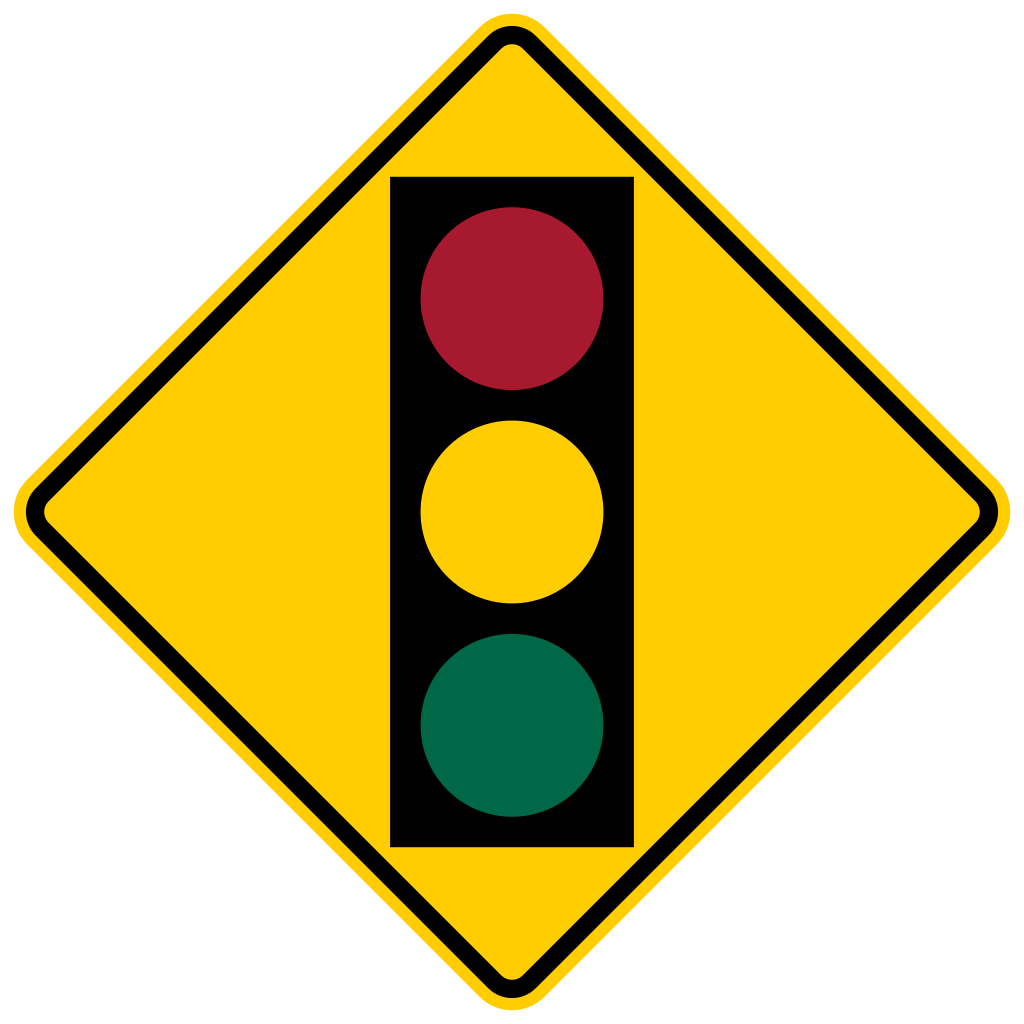 This sign means:
A
No traffic signal ahead
B
Traffic signal ahead
C
Open intersection ahead
This traffic sign indicates: traffic signal ahead. Observing and obeying all roadway signs ensures safe traffic flow and legal driving.
Question 3:
Left turns on a red light are allowed:
A
from a one-way street into a one-way street.
B
Never.
C
at intersections, after stopping, if the way is clear.
When turning left across traffic lanes: from a one-way street into a one-way street. You must yield to all oncoming vehicles and crossing pedestrians before completing the turn.
Question 4:
If an emergency vehicle with flashing lights is traveling toward you:
A
signal the emergency vehicle that they can pass you.
B
make every effort to give them a clear path of travel.
C
increase you speed until you reach the next intersection, then let the emergency vehicle pass.
When sharing the road with other vehicles: make every effort to give them a clear path of travel. Giving large vehicles and vulnerable users adequate clearance prevents dangerous accidents.
Question 5:
ABS is the acronym for:
A
Anti-Braking System
B
Average-Beam System
C
Anti-Locking Brake System
The correct driving rule is: Anti-Locking Brake System. Following standard DMV road rules and practicing defensive driving ensures safety for all road users.
Question 6:
To give yourself a 3 to 4 second following distance from the vehicle ahead of you:
A
count the seconds it takes the vehicle ahead of you to reach the point you are at.
B
pass a stationary object and count how many seconds it takes the vehicle ahead to do the same.
C
watch as the vehicle ahead passes a stationary object and count the seconds it takes you to reach that same point.
The 3-second following distance rule provides a safe reaction cushion under ideal conditions: watch as the vehicle ahead passes a stationary object and count the seconds it takes you to reach that same point. Increase distance in bad weather or behind large vehicles.
Question 7:
When driving in fog, you should use your high beam headlights.
A
True
B
False
For safe speed and stopping control: False. Adjusting speed to match visibility and road traction prevents loss of steering grip.
Question 8:
Bicyclists must:
A
ride in a bicycle lane, if available.
B
remain to the right when they prepare for a left turn.
C
remain near the left edge of the road.
The correct driving rule is: ride in a bicycle lane, if available. Following standard DMV road rules and practicing defensive driving ensures safety for all road users.
Question 9:
When is it illegal to pass another vehicle?
A
On a hill or curve.
B
At highway intersections.
C
All of the above.
All of the listed points are essential driving requirements: On a hill or curve; At highway intersections. Practicing each ensures compliance with DMV safety laws.
Question 10:
What can you do to prevent skids on snow and ice?
A
Allow the wheels to keep turning.
B
Brake early and gently.
C
All of the above.
Hazardous road and weather conditions require extra caution: Allow the wheels to keep turning; Brake early and gently. Reducing speed and expanding following distance preserves control.
Question 11:
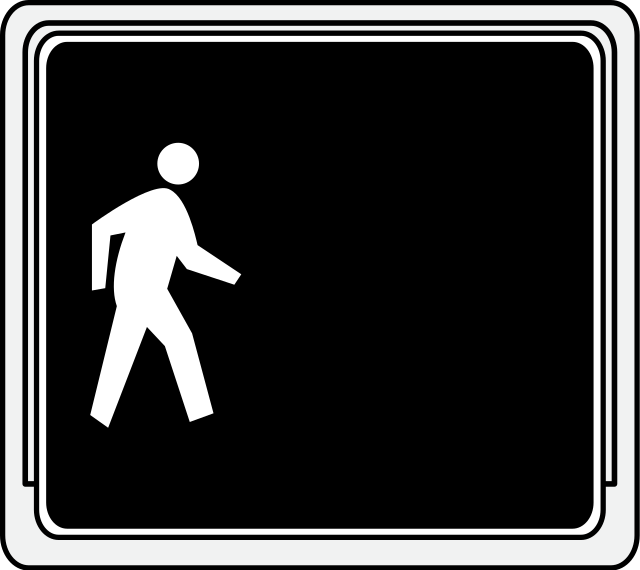 What does the pictured signal indicate?
A
A pedestrian may begin crossing the street.
B
Pedestrians may turn right.
C
A pedestrian may not not begin crossing the street.
State laws require signaling your intention: A pedestrian may begin crossing the street. Signal at least 100 feet before making a turn or changing lanes.
Question 12:
When an aggressive driver confronts you, you should:
A
Try to move away safely.
B
Remain calm and relaxed.
C
All of the above.
All of the listed points are essential driving requirements: Try to move away safely; Remain calm and relaxed. Practicing each ensures compliance with DMV safety laws.
Question 13:
In case of skidding, drivers should NOT:
A
take their foot off the gas pedal.
B
pump the brakes gently if they are about to hit something.
C
tap the gas pedal with their foot.
The correct driving rule is: tap the gas pedal with their foot. Following standard DMV road rules and practicing defensive driving ensures safety for all road users.
Question 14:
When entering and starting a parked vehicle, you should:
A
in heavy traffic, tell other drivers to stop so you may enter the vehicle.
B
before you enter the vehicle, look around for obstacles that may interfere with safe driving.
C
back up slowly, then enter the vehicle.
The correct driving rule is: before you enter the vehicle, look around for obstacles that may interfere with safe driving. Following standard DMV road rules and practicing defensive driving ensures safety for all road users.
Question 15:
It is against the law to:
A
go around lowered railroad gates at a crossing.
B
pass a school bus with flashing red lights and the stop sign arm extended.
C
pass within 100 feet of a railroad crossing.
D
All of the above.
All of the listed points are essential driving requirements: go around lowered railroad gates at a crossing; pass a school bus with flashing red lights and the stop sign arm extended; pass within 100 feet of a railroad crossing. Practicing each ensures compliance with DMV safety laws.
Question 16:
 When they see this sign, drivers:
A
should be prepared to make sharp turns at a high speed.
B
need to be prepared to turn right and then left quickly.
C
should not speed up or brake quickly.
This traffic sign indicates: should not speed up or brake quickly. Observing and obeying all roadway signs ensures safe traffic flow and legal driving.
Question 17:
A vehicle that enters a road from a driveway:
A
has the right-of-way.
B
must yield to traffic approaching from the right, while it has the right-of-way over vehicles approaching from the left.
C
must stop and yield the right-of-way to traffic on the roadway and to pedestrians.
The correct driving rule is: must stop and yield the right-of-way to traffic on the roadway and to pedestrians. Following standard DMV road rules and practicing defensive driving ensures safety for all road users.
Question 18:
The ‘Slower Traffic Keep Right’ sign is used:
A
at most intersections.
B
on multiple lane highways.
C
in school zones.
The correct driving rule is: on multiple lane highways. Following standard DMV road rules and practicing defensive driving ensures safety for all road users.
Question 19:
If a driver follows you too closely, you should:
A
move to another lane if possible.
B
activate your stop lights.
C
brake suddenly.
The correct driving rule is: move to another lane if possible. Following standard DMV road rules and practicing defensive driving ensures safety for all road users.
Question 20:
You can pass on the right:
A
when a vehicle ahead makes a right turn.
B
when a vehicle ahead makes a left turn.
C
when a vehicle that is approaching from the opposite direction is prepared to turn left.
The correct driving rule is: when a vehicle ahead makes a left turn. Following standard DMV road rules and practicing defensive driving ensures safety for all road users.
Question 21:
Yellow traffic signs:
A
guide drivers.
B
when combined with an octagonal shape, tell drivers they must come to a complete stop at the marked stop line.
C
warn drivers.
The correct driving rule is: warn drivers. Following standard DMV road rules and practicing defensive driving ensures safety for all road users.
Question 22:
When driving in fog, you should:
A
Increase your speed to avoid causing an accident.
B
Turn on your high beam headlights.
C
Slow down and use your low beam headlights. If fog is heavy, pull off road and stop.
Always use low-beam headlights in fog, heavy rain, or snow. High beams reflect off moisture droplets and bounce glare back into your eyes.
Question 23:
 The picture shows:
A
a railroad advance warning sign.
B
a speeding fines doubled sign.
C
a reversible road sign.
The correct driving rule is: a railroad advance warning sign. Following standard DMV road rules and practicing defensive driving ensures safety for all road users.
Question 24:
Drinking alcohol and/or using drugs affects:
A
your coordination.
B
your judgement.
C
All of the above.
Alcohol and impairing substances degrade all critical driving functions: your coordination; your judgement. Driving while impaired carries severe criminal and safety penalties.
Question 25:
When the road is slippery you should:
A
decrease the following distance.
B
slow and pro-ceed with caution.
C
check your brakes.
For safe speed and stopping control: slow and pro-ceed with caution. Adjusting speed to match visibility and road traction prevents loss of steering grip.
Question 26:
To see objects in your blind spot when changing lanes, drivers should check:
A
only the inside rearview mirror.
B
over the left or right shoulder.
C
only the left outside mirror.
Large commercial trucks have extensive blind spots on all four sides called the 'No-Zone': over the left or right shoulder. If you cannot see the truck driver in their side mirrors, they cannot see you.
Question 27:
When changing lanes, you should remember that:
A
vehicles with two outside mirrors have no blind spots.
B
You only need to turn and look over your right shoulder for lane changes to the right or left.
C
you should look over your left shoulder for a left lane change and your right shoulder for a right lane change.
The correct driving rule is: you should look over your left shoulder for a left lane change and your right shoulder for a right lane change. Following standard DMV road rules and practicing defensive driving ensures safety for all road users.
Question 28:
Where are yield signs usually placed?
A
At intersections, if there is no marked stop line.
B
Where auxiliary roads lead into major roads.
C
Where major roads lead into auxiliary roads.
The correct driving rule is: Where auxiliary roads lead into major roads. Following standard DMV road rules and practicing defensive driving ensures safety for all road users.
Question 29:
What should you do in case of a steering failure?
A
Pump your gas pedal a few times to increase the pressure.
B
Don't panic. Turn on your emergency lights to let other drivers know you are having car problems. Move toward the side of the road and bring the car to a gradual stop.
C
Leave the road immediately.
The correct driving rule is: Don't panic. Turn on your emergency lights to let other drivers know you are having car problems. Move toward the side of the road and bring the car to a gradual stop. Following standard DMV road rules and practicing defensive driving ensures safety for all road users.
Question 30:
At a red traffic light with a green arrow, you may proceed in the direction of the arrow:
A
after making a complete stop first.
B
if you wait until the light changes.
C
if you are in the proper lane and the roadway is clear.
The correct driving rule is: if you are in the proper lane and the roadway is clear. Following standard DMV road rules and practicing defensive driving ensures safety for all road users.