Question 1:
A traffic sign with a red circle around and a slash over a symbol means:
A
the maneuver shown by the symbol is not allowed.
B
Do not drive faster than the posted speed limit.
C
the maneuver shown on the sign should be executed with extreme caution.
This traffic sign indicates: the maneuver shown by the symbol is not allowed. Observing and obeying all roadway signs ensures safe traffic flow and legal driving.
Question 2:
Distracted driving:
A
causes the driver to react more slowly to hazards.
B
is only dangerous for inexperienced drivers.
C
usually causes the driver to drive slower.
D
is never dangerous.
The correct driving rule is: causes the driver to react more slowly to hazards. Following standard DMV road rules and practicing defensive driving ensures safety for all road users.
Question 3:
The best way to avoid loss of control in wet conditions is pump your brakes.
A
False
B
True
The correct driving rule is: False. Following standard DMV road rules and practicing defensive driving ensures safety for all road users.
Question 4:
If your car starts to skid, turn your steering wheel:
A
in the direction you want to go.
B
in the opposite direction of the skid.
C
to keep the front wheels straight.
D
in any direction. It doesnt matter.
The correct driving rule is: in the direction you want to go. Following standard DMV road rules and practicing defensive driving ensures safety for all road users.
Question 5:
If the entrance lane is too short to allow acceleration to highway speed, you should:
A
go to the next entrance ramp.
B
stop and wait for a large gap in traffic, then enter the highway and accelerate quickly.
C
merge into highway traffic as soon as possible.
For safe speed and stopping control: stop and wait for a large gap in traffic, then enter the highway and accelerate quickly. Adjusting speed to match visibility and road traction prevents loss of steering grip.
Question 6:
 This sign warns drivers that:
A
they must turn either to the right or left.
B
there is a double curve ahead.
C
there is a winding road ahead.
This traffic sign indicates: there is a winding road ahead. Observing and obeying all roadway signs ensures safe traffic flow and legal driving.
Question 7:
Driving under the influence of any medication which impairs your driving ability is permitted:
A
under no circumstances.
B
if it is prescribed by a physician.
C
if you dont feel drowsy.
Under state DUI and traffic safety laws: under no circumstances. Alcohol degrades judgment, slows reaction times, and distorts depth perception.
Question 8:
When you get in a car to drive, the first thing you should do is:
A
check your rear view mirror.
B
adjust the steering wheel.
C
adjust your seat belt.
D
adjust your seat.
The correct driving rule is: adjust your seat. Following standard DMV road rules and practicing defensive driving ensures safety for all road users.
Question 9:
 This road sign means:
A
A road joins from the right
B
All traffic must go straight ahead
C
All traffic must turn right
This traffic sign indicates: A road joins from the right. Observing and obeying all roadway signs ensures safe traffic flow and legal driving.
Question 10:
On a road with two or more lanes in the same direction, you approach an emergency vehicle that is stopped with its warning lights on. You must:
A
slow down. If possible, change lanes.
B
pass the emergency vehicle as quickly as possible.
C
drive to the right side of the road and stop.
D
maintain your current speed and stay in your lane.
When sharing the road with other vehicles: slow down. If possible, change lanes. Giving large vehicles and vulnerable users adequate clearance prevents dangerous accidents.
Question 11:
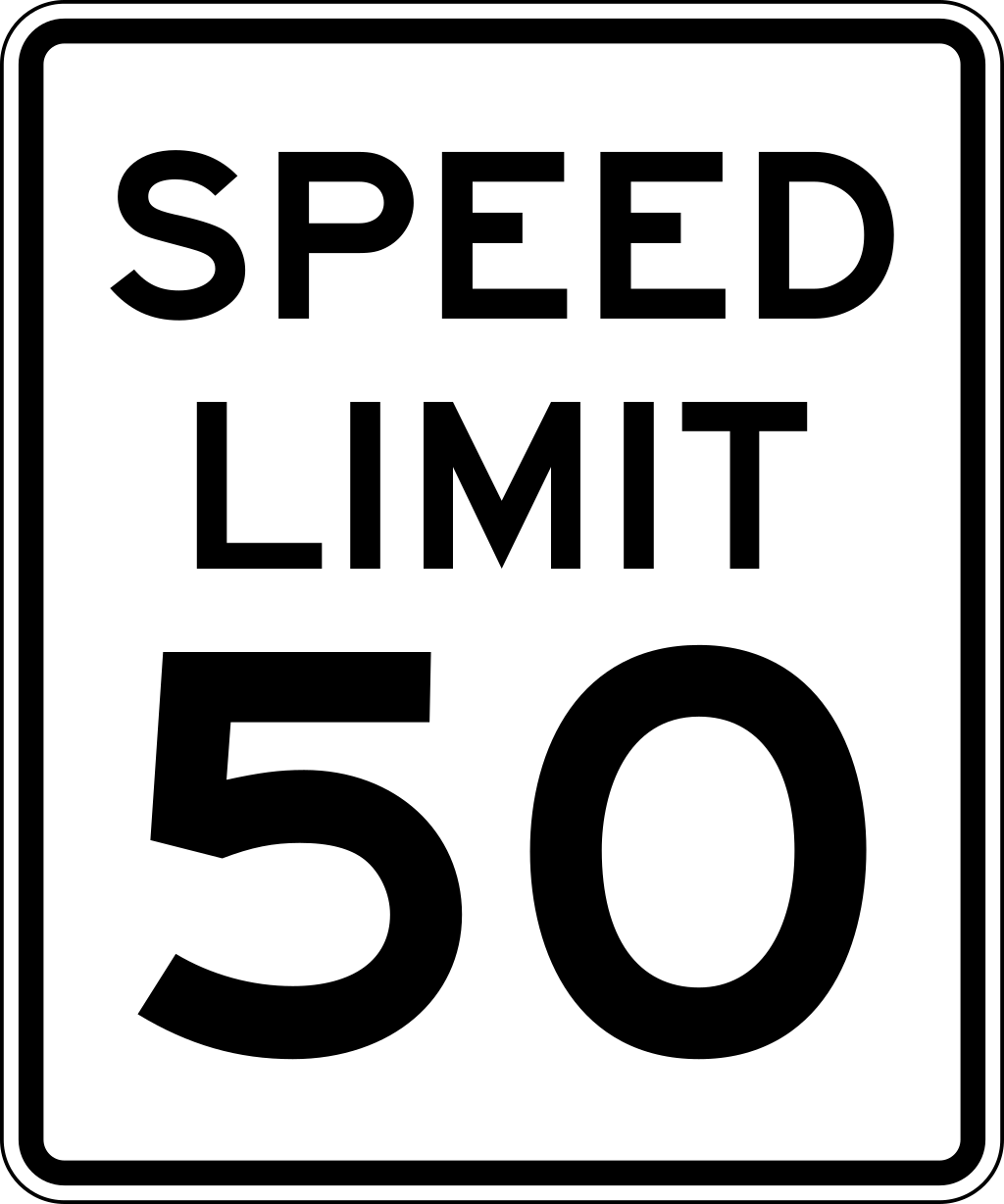 This road sign means:
A
You must travel at the speed indicated
B
The maximum speed limit under ideal conditions
C
None of the above
This traffic sign indicates: The maximum speed limit under ideal conditions. Observing and obeying all roadway signs ensures safe traffic flow and legal driving.
Question 12:
Regulatory signs are:
A
Suggestions
B
Warnings
C
Law
The correct driving rule is: Law. Following standard DMV road rules and practicing defensive driving ensures safety for all road users.
Question 13:
 This road sign means:
A
Railroad Crossing
B
One Way
C
Limited parking
Circular signs with an 'X' and 'RR' designate a Railroad Advance Warning: Railroad Crossing. Drivers must slow down, look both ways, listen for trains, and be prepared to stop.
Question 14:
Your red traffic signal changes to green while a pedestrian is crossing in your traffic lane. The right of way should be given:
A
by the pedestrian, but only when vehicles are turning left.
B
by the pedestrian.
C
to the pedestrian.
Circular signs with an 'X' and 'RR' designate a Railroad Advance Warning: to the pedestrian. Drivers must slow down, look both ways, listen for trains, and be prepared to stop.
Question 15:
 This sign means:
A
Not enter
B
Detour to the right
C
The road to the right is for one-way traffic only
This traffic sign indicates: Detour to the right. Observing and obeying all roadway signs ensures safe traffic flow and legal driving.
Question 16:
When entering a highway from an entrance ramp, drivers should:
A
enter slowly to avoid other vehicles.
B
stop first, then gradually enter traffic.
C
accelerate to the speed of traffic.
D
drive above the speed of traffic to get ahead.
Defensive driving guidelines state that: accelerate to the speed of traffic. Anticipating road hazards and communicating maneuvers keeps traffic predictable and safe.
Question 17:
At a stop sign there is no stop line, you must stop:
A
before you enter the intersection.
B
before you enter the crosswalk.
C
after you enter the crosswalk.
The correct driving rule is: before you enter the crosswalk. Following standard DMV road rules and practicing defensive driving ensures safety for all road users.
Question 18:
When they see a crossbuck sign, drivers:
A
must slow down and wait for the red lights to flash.
B
must always come to a complete stop.
C
are legally required to yield the right of way to trains.
The correct driving rule is: are legally required to yield the right of way to trains. Following standard DMV road rules and practicing defensive driving ensures safety for all road users.
Question 19:
In heavy rain, tires can begin to ride on the water that is on top of the road pavement. This is called:
A
rideplaning.
B
hydroplaning.
C
pavement-planing.
D
waterplaning.
When hydroplaning on water: hydroplaning. Gently ease off the accelerator and hold the steering wheel straight without sudden braking.
Question 20:
What should you do if one of your tires blows out?
A
Hold the steering wheel tight and brake immediately to avoid the risk of skidding.
B
Leave the road immediately.
C
Hold the steering wheel tight and slowly take your foot off the gas pedal.
The correct driving rule is: Hold the steering wheel tight and slowly take your foot off the gas pedal. Following standard DMV road rules and practicing defensive driving ensures safety for all road users.
Question 21:
When you approach a railroad crossing without flashing warning signals or crossing gates, you should:
A
always stop.
B
cross the tracks as slowly as possible.
C
yield to all trains at the crossing.
D
speed up to beat the train.
The correct driving rule is: yield to all trains at the crossing. Following standard DMV road rules and practicing defensive driving ensures safety for all road users.
Question 22:
What is the first thing you should do if your wheels move off the pavement?
A
Pull the steering wheel back.
B
Pull over to the right and sound your horn to warn the other drivers.
C
Ease your foot off the gas pedal and brake gently.
The correct driving rule is: Ease your foot off the gas pedal and brake gently. Following standard DMV road rules and practicing defensive driving ensures safety for all road users.
Question 23:
If a vehicle starts to skid on water the driver should quickly apply the brakes.
A
True
B
False
The correct driving rule is: False. Following standard DMV road rules and practicing defensive driving ensures safety for all road users.
Question 24:
A defensive driver:
A
never drives below the speed limit.
B
knows when it is safe to pass other vehicles.
C
considers what other drivers might do and is always prepared to act.
The correct driving rule is: considers what other drivers might do and is always prepared to act. Following standard DMV road rules and practicing defensive driving ensures safety for all road users.
Question 25:
What should you do if your vision through the windshield becomes blocked?
A
Pull your vehicle off the road and park it.
B
Turn on your emergency lights.
C
Open the side window so you can see.
D
All of the above.
All of the listed points are essential driving requirements: Pull your vehicle off the road and park it; Turn on your emergency lights; Open the side window so you can see. Practicing each ensures compliance with DMV safety laws.