Question 1:
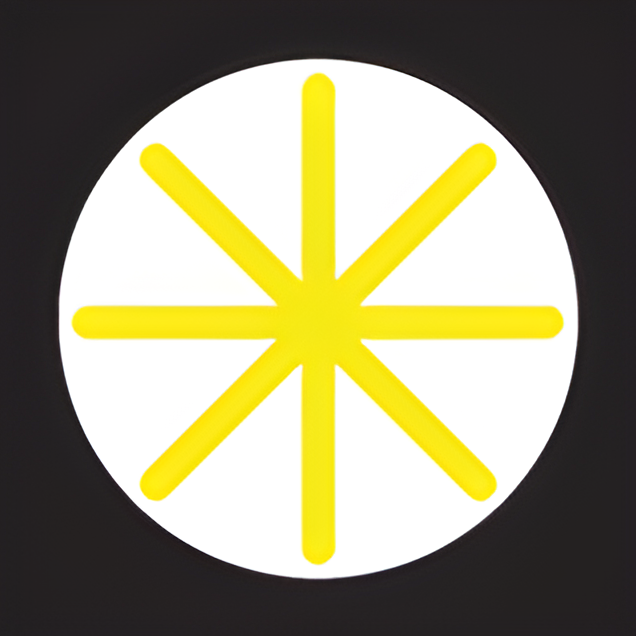 A flashing yellow light:
A
warns drivers to proceed with caution.
B
is used at dangerous intersections.
C
All of the above.
Safe navigation at intersections requires following all established rules: warns drivers to proceed with caution; is used at dangerous intersections. Always yield right-of-way properly to prevent collisions.
Question 2:
You are driving and you are feeling drowsy. You should:
A
avoid drinking coffee.
B
turn on the radio to keep you awake.
C
find a safe place to stop for a break.
Under state DUI and traffic safety laws: find a safe place to stop for a break. Alcohol degrades judgment, slows reaction times, and distorts depth perception.
Question 3:
When driving near a pedestrian using a white cane or guide dog, you should:
A
take the right-of-way.
B
slow down and be prepared to stop.
C
proceed normally.
D
None of the above.
Drivers must always yield the right-of-way to pedestrians crossing at intersections and crosswalks: slow down and be prepared to stop. Stop and allow them to clear the lane safely.
Question 4:
When you drive near parks and playgrounds, you should expect children:
A
not to cross unless they are with an adult.
B
to know when it is safe to cross.
C
to stop at the curb before crossing the street.
D
to suddenly run into the street.
The correct driving rule is: to suddenly run into the street. Following standard DMV road rules and practicing defensive driving ensures safety for all road users.
Question 5:
Drivers may drive around or under a lowered crossing gate at a railroad crossing:
A
under no circumstances.
B
after carefully look in both directions.
C
if your vehicle can do so without damaging the gate.
D
after ensuring that no trains are approaching.
The correct driving rule is: under no circumstances. Following standard DMV road rules and practicing defensive driving ensures safety for all road users.
Question 6:
The “four-second rule” refers to how drivers should:
A
yield to other cars.
B
turn at stop signs.
C
follow another car.
D
cross an intersection.
The correct driving rule is: follow another car. Following standard DMV road rules and practicing defensive driving ensures safety for all road users.
Question 7:
 This road sign means:
A
Pavement ends
B
Winding road
C
Double curve ahead
This traffic sign indicates: Winding road. Observing and obeying all roadway signs ensures safe traffic flow and legal driving.
Question 8:
Blind spots are:
A
Dangerous intersection where the maximum speed limit is 15 MPH or less.
B
At night, the darkest areas of a road, where emergency flashers should be used.
C
Areas to the side or rear of a vehicle that the driver cannot see with use of mirrors.
The correct driving rule is: Areas to the side or rear of a vehicle that the driver cannot see with use of mirrors. Following standard DMV road rules and practicing defensive driving ensures safety for all road users.
Question 9:
Distracted drivers are at a greater risk of a crash when they are using:
A
radio.
B
social media.
C
cell phone.
D
All of the above.
All of the listed points are essential driving requirements: radio; social media; cell phone. Practicing each ensures compliance with DMV safety laws.
Question 10:
At night, it is hardest to see:
A
street lights.
B
pedestrians.
C
other motorists.
D
road signs.
The correct driving rule is: pedestrians. Following standard DMV road rules and practicing defensive driving ensures safety for all road users.
Question 11:
If one of your tires blows out while driving, you should:
A
apply the brakes firmly and steer toward the right edge of the road.
B
pump the brakes.
C
hold the steering wheel firmly, slow down, and steer smoothly.
The correct driving rule is: hold the steering wheel firmly, slow down, and steer smoothly. Following standard DMV road rules and practicing defensive driving ensures safety for all road users.
Question 12:
BAC is expressed in:
A
percentage of alcohol to blood.
B
percentage of blood to alcohol.
C
ounces of alcohol in your blood.
Under state DUI and traffic safety laws: percentage of alcohol to blood. Alcohol degrades judgment, slows reaction times, and distorts depth perception.
Question 13:
When faced with one oncoming vehicle to the left and a bicyclist to the right, drivers should:
A
brake suddenly.
B
pull onto the shoulder.
C
let the car pass and then pass the bike.
D
pass the bike quickly.
The correct driving rule is: let the car pass and then pass the bike. Following standard DMV road rules and practicing defensive driving ensures safety for all road users.
Question 14:
 This sign means:
A
Reversible lane ahead.
B
The divided highway ends ahead.
C
Drivers are coming to a point where another traffic lane joins the one they are on.
This traffic sign indicates: The divided highway ends ahead. Observing and obeying all roadway signs ensures safe traffic flow and legal driving.
Question 15:
Which shape is a speed limit sign?
A
Round
B
Pentagon
C
Vertical rectangle
For safe speed and stopping control: Vertical rectangle. Adjusting speed to match visibility and road traction prevents loss of steering grip.
Question 16:
You may turn left at a red light if:
A
you are turning from a one-way street onto another one-way street.
B
you are turning from a two-way street onto a one-way street.
C
the car in front of you turns left.
D
there is no traffic coming in the opposite direction.
According to standard right-of-way regulations: you are turning from a one-way street onto another one-way street. Yielding appropriately prevents intersection collisions and maintains safe traffic flow.
Question 17:
What should you do if your rear wheels start to skid?
A
Steer left if your rear wheels slide right.
B
If the vehicle has ABS, pump the pedal carefully.
C
Turn the steering wheel in the direction the vehicle is trying to go.
The correct driving rule is: turn the steering wheel in the direction the vehicle is trying to go. Following standard DMV road rules and practicing defensive driving ensures safety for all road users.
Question 18:
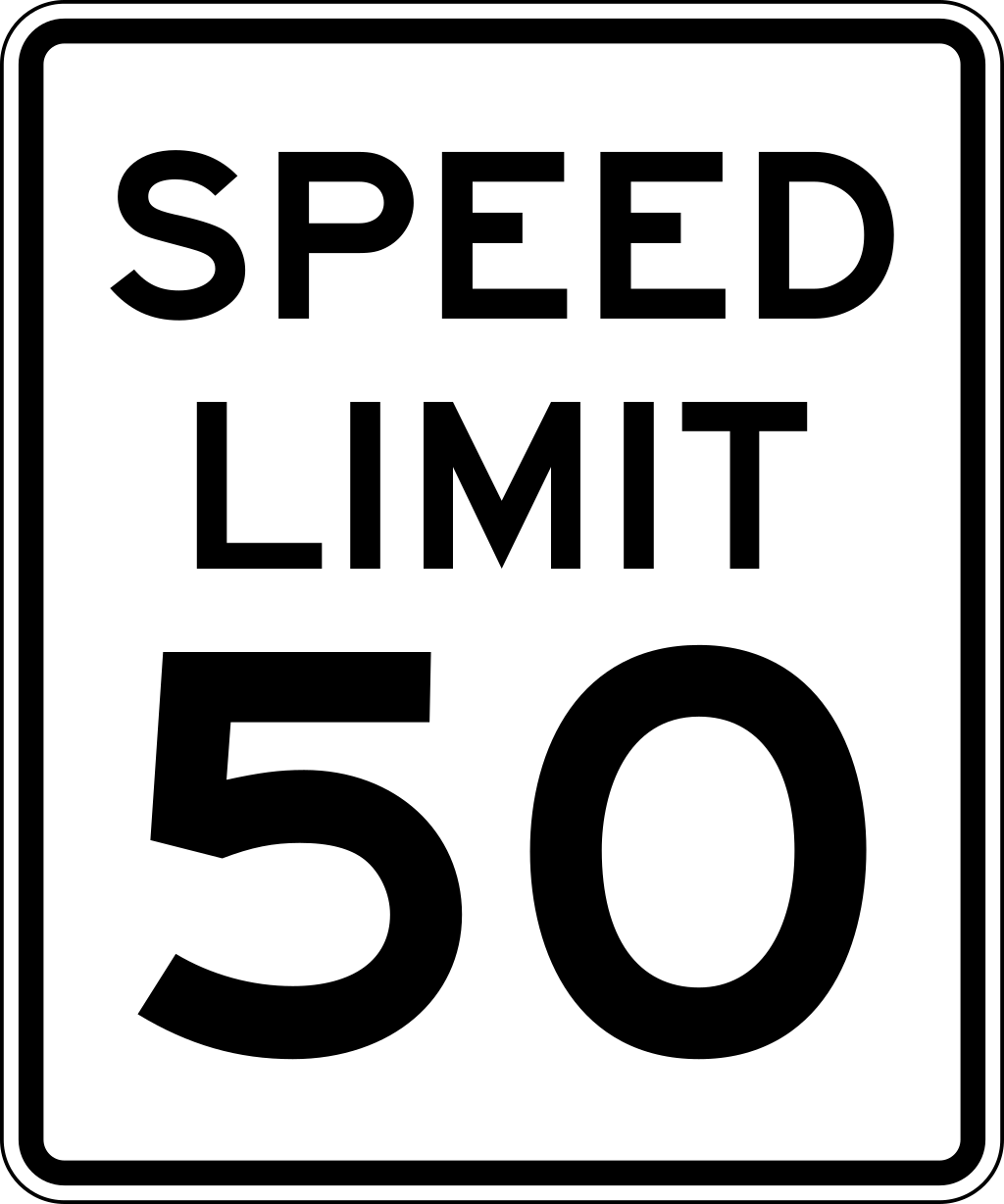 This road sign indicates:
A
The maximum speed limit
B
The minimum speed limit
C
The recommended speed
D
That you should limit your speed for the next 40 miles
This traffic sign indicates: The maximum speed limit. Observing and obeying all roadway signs ensures safe traffic flow and legal driving.