Question 1:
___________ normally are white rectangles with black letters or symbols.
A
Warning signs
B
Destination signs (guide signs)
C
Regulation signs (regulatory signs)
No explanation available.
Question 2:
Regulation signs normally are:
A
white triangles.
B
green rectangles.
C
white rectangles.
No explanation available.
Question 3:
Braking distance is affected by:
A
the condition of your brakes and tires.
B
pavement conditions.
C
the speed your vehicle is traveling.
D
All of the above.
No explanation available.
Question 4:
Regulatory signs are:
A
Suggestions
B
Warnings
C
Law
No explanation available.
Question 5:
When you drive near parks and playgrounds, you should expect children:
A
not to cross unless they are with an adult.
B
to know when it is safe to cross.
C
to stop at the curb before crossing the street.
D
to suddenly run into the street.
No explanation available.
Question 6:
Before crossing any railroad tracks, you must:
A
look and listen for trains.
B
make sure there is room for your vehicle on the other side.
C
All of the above.
No explanation available.
Question 7:
If an intersection has crosswalk lines but no STOP line, where must you stop for a red light?
A
After the crosswalk.
B
Before the stop line.
C
Before the crosswalk.
No explanation available.
Question 8:
 This road sign means:
A
Slow down and yield to traffic on main road when merging
B
Always come to a complete stop
C
Lane reduction ahead
D
You must come to a complete stop and yield right-of-way
No explanation available.
Question 9:
To enter a freeway:
A
signal, yield, and enter at the same speed that traffic is moving.
B
drive slowly so you can check traffic.
C
signal and enter the freeway. You have the right-of-way.
D
make a complete stop before entering the freeway.
No explanation available.
Question 10:
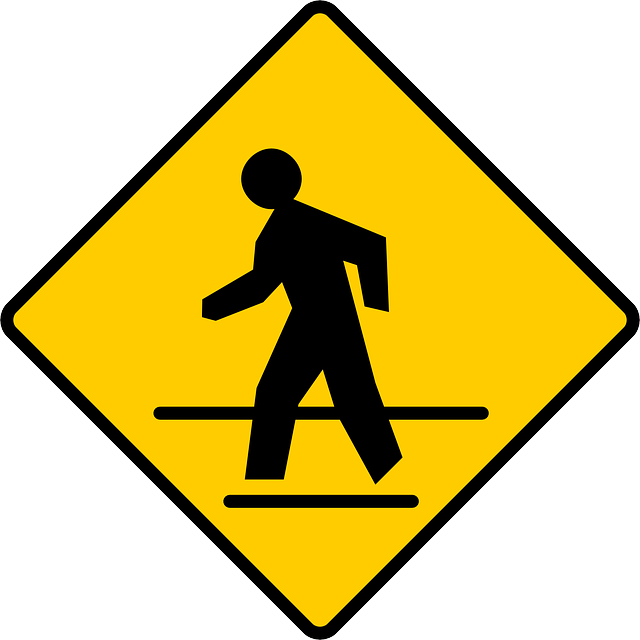 This road sign means:
A
School zone ahead
B
Pedestrians must not cross here
C
Pedestrian crossing ahead
No explanation available.
Question 11:
 This sign means:
A
Railroad crossing
B
No Passing Zone
C
The road ends ahead
No explanation available.
Question 12:
 This road sign means:
A
Wrong Way
B
Merging Traffic
C
Curve ahead
No explanation available.
Question 13:
When getting ready to change lanes, you should:
A
check your rearview mirror.
B
quickly turn your head to check for other vehicles.
C
check your side view mirror.
D
All of the above.
No explanation available.
Question 14:
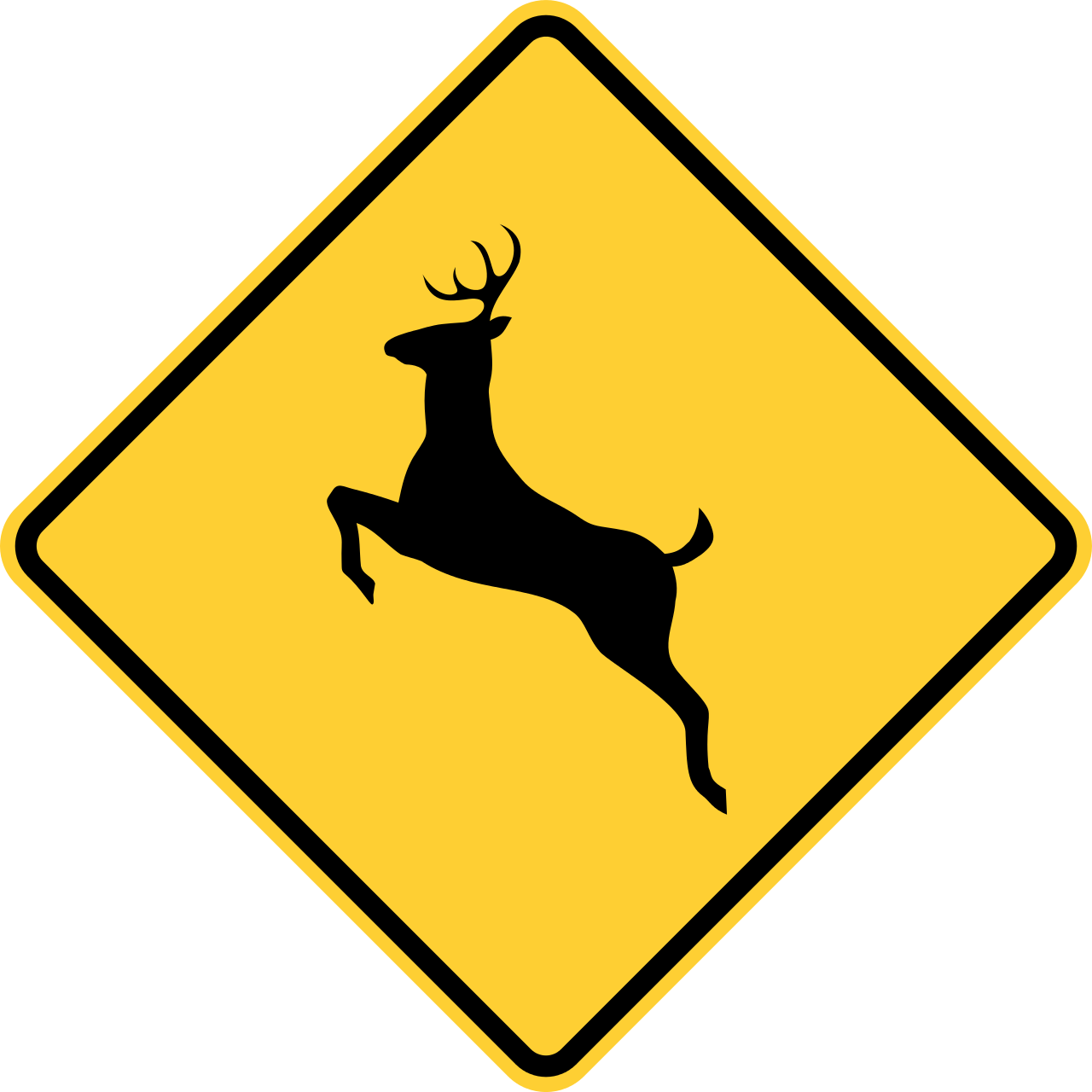 When they see this road sign, drivers should:
A
drive carefully because the animal pictured on the sign is extremely rare in the area.
B
watch for this species crossing the road.
C
park in the zoo area.
No explanation available.
Question 15:
Drinking alcohol while taking drugs can:
A
have a less pronounced effect than either taken separately.
B
have a more pronounced effect than either taken separately.
C
improves concentration.
D
improve your driving performance.
No explanation available.
Question 16:
What should drivers do in case of a brake failure?
A
Shift to a lower gear.
B
Tie a white cloth on the left door handle.
C
Brake lightly.
No explanation available.
Question 17:
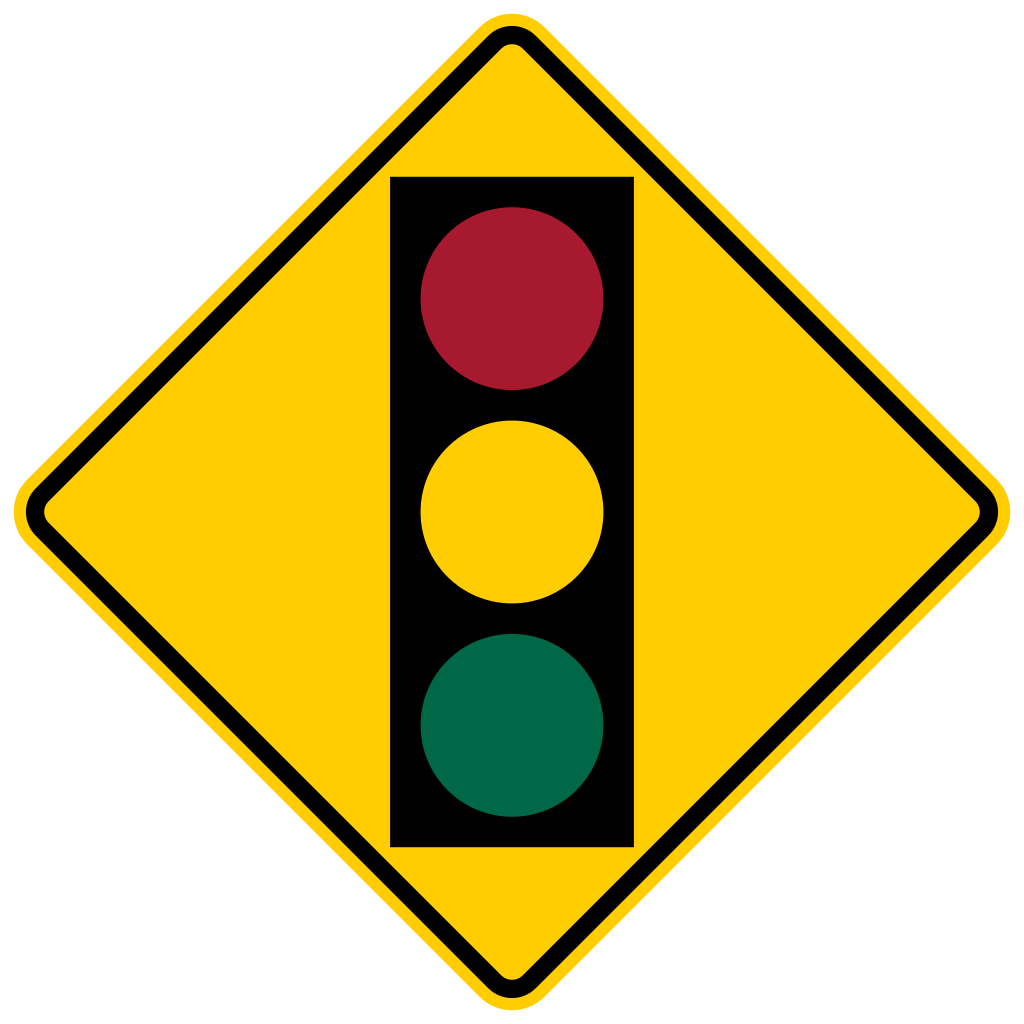 This sign means:
A
No traffic signal ahead
B
Traffic signal ahead
C
Open intersection ahead
No explanation available.
Question 18:
When driving in icy or snowy conditions, to avoid crashes drivers should:
A
get off the highway as quickly as possible.
B
reduce speed and increase following distance.
C
add extra weight to the vehicle to improve traction.
D
engage 4 wheel drive on the vehicle.
No explanation available.
Question 19:
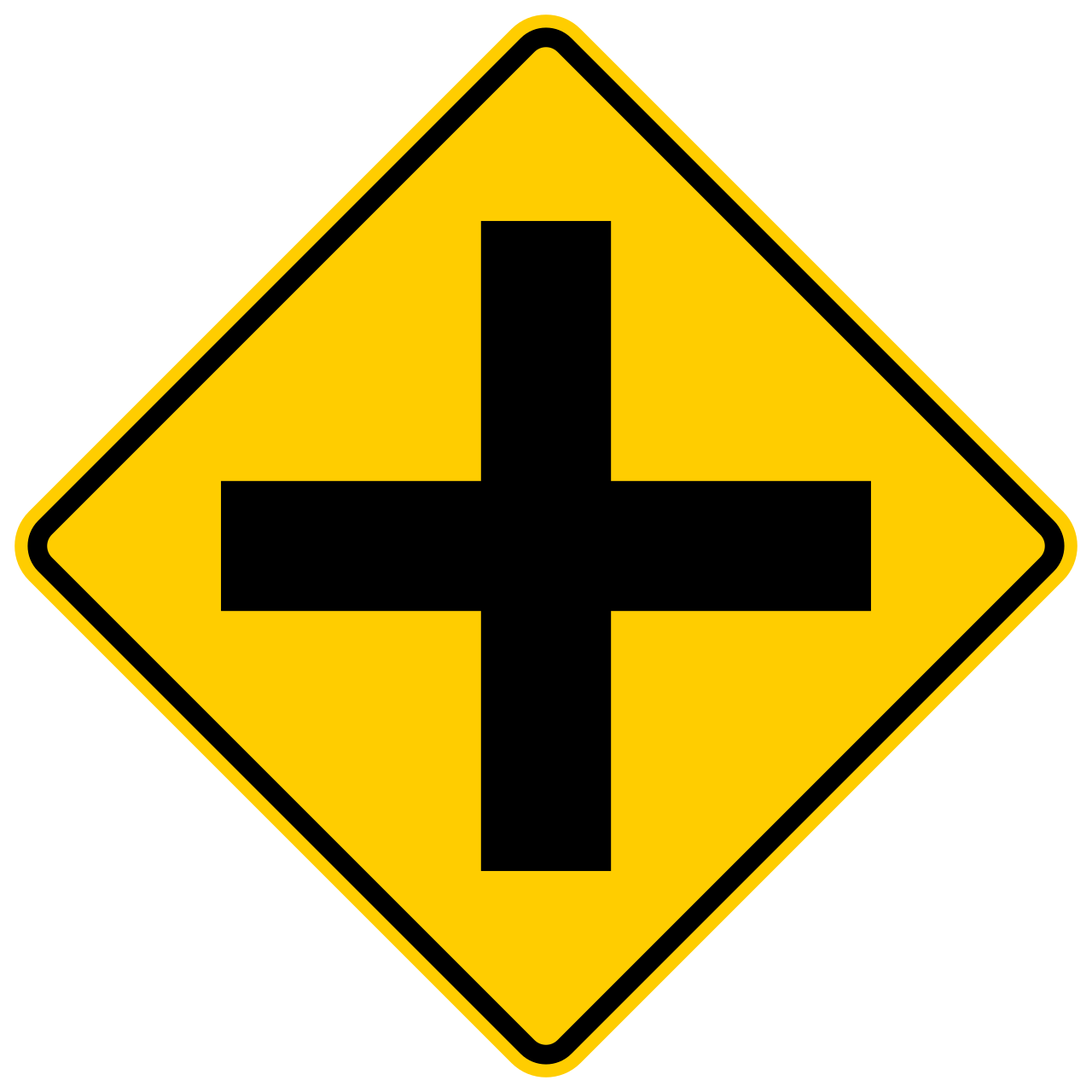 This sign indicates:
A
a side road.
B
a cross road.
C
a church zone ahead.
No explanation available.
Question 20:
This road sign means:
A
No Passing Zone
B
Railroad Warning
C
One-way street ahead
D
Two way left turn
No explanation available.
Question 21:
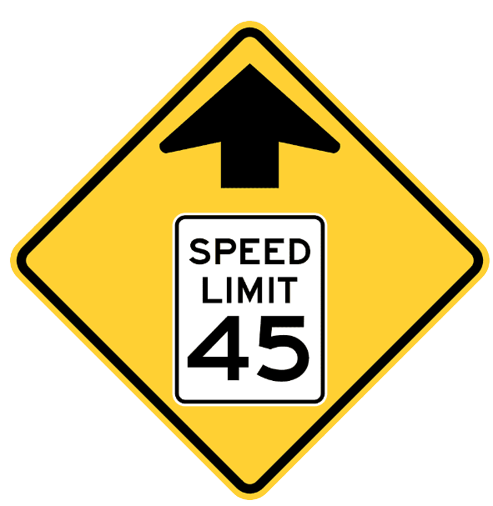 This warning sign:
A
provides advance notice to upcoming speed limit change.
B
shows the current speed limit that all vehicles traveling in the direction of the arrow must not exceed.
C
indicates the suggested highest safe speed.
No explanation available.
Question 22:
What happens if two vehicles reach at the same time an intersection with four-way stop signs?
A
The driver on the right yields to the driver on the left.
B
The driver on the left yields to the driver on the right.
C
The first vehicle to reach the intersection must yield.
No explanation available.
Question 23:
You are stopped at an intersection on a two-way street. Can you legally turn left on a red light into a one-way street?
A
Yes, if traffic allows.
B
No. You must wait for the green light.
C
Yes, but only if a left turn sign is posted.
D
Yes, but only if there is a green arrow with the red light.
No explanation available.
Question 24:
When driving at night, you should slow down and:
A
use high beams whenever possible, but never when there's oncoming traffic.
B
use high beams until other drivers dim their lights.
C
follow the vehicle ahead more closely to avoid glare from oncoming headlights.
D
come to a complete stop whenever there's oncoming traffic.
No explanation available.
Question 25:
When changing lanes, you can check your blind spot by:
A
using the outside rearview mirror.
B
using the inside rearview mirror.
C
turning your head and glancing over your shoulder.
D
checking the rearview and outside mirrors.
No explanation available.
Question 26:
On a road with two or more lanes in the same direction, you approach an emergency vehicle that is stopped with its warning lights on. You must:
A
slow down. If possible, change lanes.
B
pass the emergency vehicle as quickly as possible.
C
drive to the right side of the road and stop.
D
maintain your current speed and stay in your lane.
No explanation available.
Question 27:
 This sign means:
A
You may make a U-turn.
B
Hairpin corner ahead.
C
You must make a U-turn.
No explanation available.
Question 28:
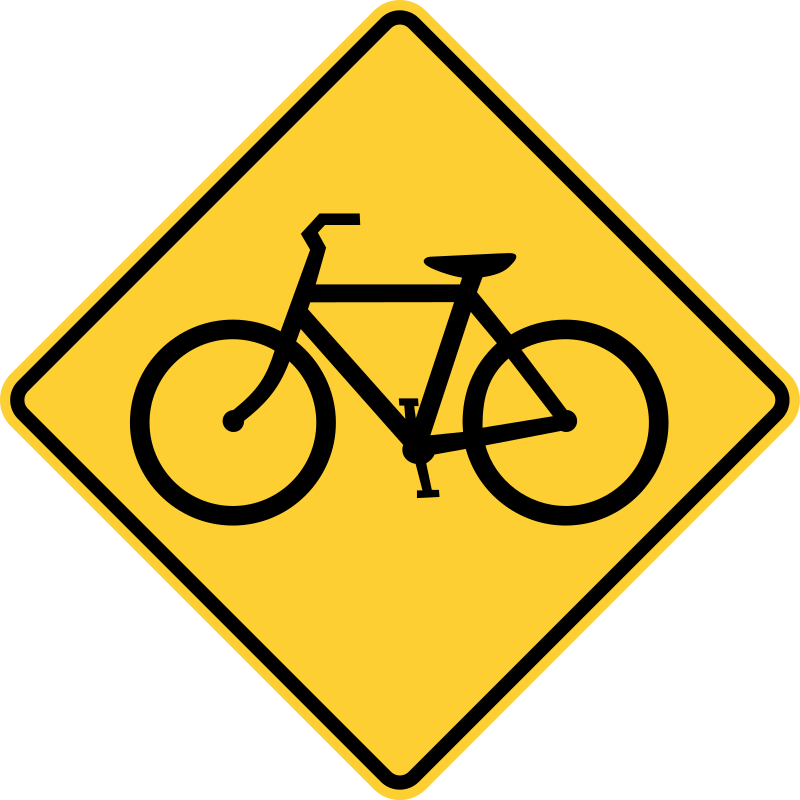 This road sign means:
A
Yield right-of-way to bicycles
B
Bicycles cross or ride beside traffic
C
Yield to motorcyles, but not to bicycles
D
Bicycles have the same rights as other vehicles
No explanation available.
Question 29:
When parked facing down hill, your wheels should be turned:
A
toward the curb.
B
in any direction.
C
parallel to the curb.
D
away from the curb.
No explanation available.
Question 30:
 This road sign means:
A
School zone ahead
B
Keep right
C
Two-way Traffic
No explanation available.
Question 31:
When driving behind a motorcycle:
A
allow a following distance of at least 4 motorcycle lengths.
B
allow a following distance of at least 2 car lengths.
C
allow at least 2 seconds of following distance.
D
allow at least 4 seconds of following distance.
No explanation available.
Question 32:
The penalties for a first-time DUI Oregon offender include license suspension for:
A
6 months.
B
two years.
C
one year.
D
3 months.
No explanation available.
Question 33:
Which shape is a stop sign?
A
Diamond
B
Octagon
C
Upside-down triangle
No explanation available.
Question 34:
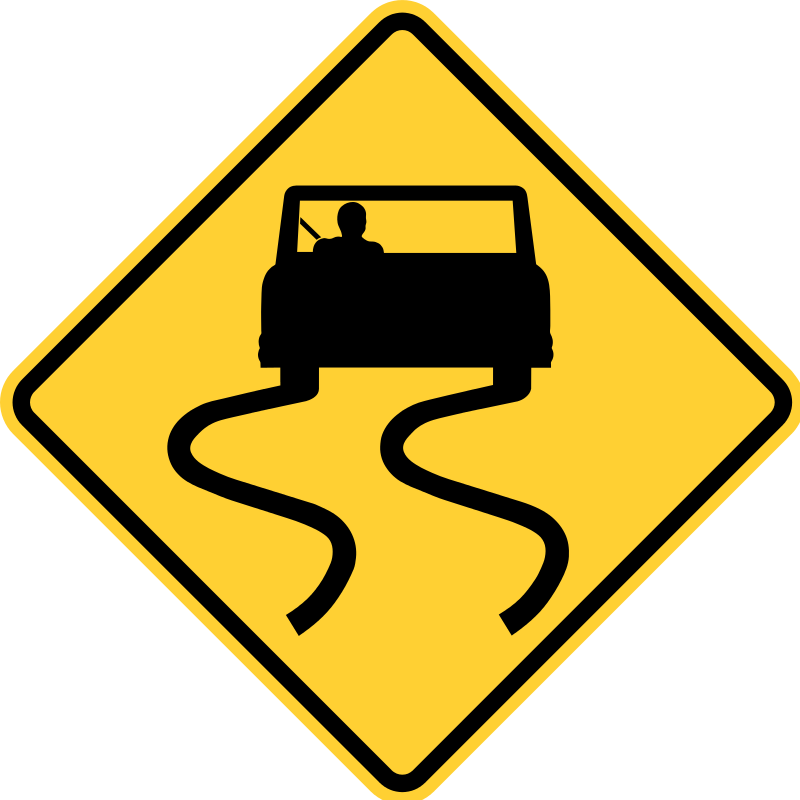 This sign indicates:
A
Warning: drunk drivers.
B
Winding road. Drive with caution.
C
The road may be slippery when wet. Drive slowly.
No explanation available.
Question 35:
The effects of alcohol on driving include:
A
None of the above.
B
Improved coordination
C
Better reflexes
D
Improved judgement
No explanation available.