Question 1:
A traffic sign with a red circle around and a slash over a symbol means:
A
the maneuver shown by the symbol is not allowed.
B
Do not drive faster than the posted speed limit.
C
the maneuver shown on the sign should be executed with extreme caution.
This traffic sign indicates: the maneuver shown by the symbol is not allowed. Observing and obeying all roadway signs ensures safe traffic flow and legal driving.
Question 2:
Warning signs normally are:
A
rectangles.
B
triangles.
C
diamond-shaped.
The correct driving rule is: diamond-shaped. Following standard DMV road rules and practicing defensive driving ensures safety for all road users.
Question 3:
As you drive on the expressway, make sure:
A
you cut off vehicles behind you when you change lanes.
B
to signal all lane changes.
C
your directional signal goes off before you change lanes.
The correct driving rule is: to signal all lane changes. Following standard DMV road rules and practicing defensive driving ensures safety for all road users.
Question 4:
Roads are most slippery:
A
just before it rains.
B
when it stops raining.
C
when it first starts to rain.
For safe speed and stopping control: when it first starts to rain. Adjusting speed to match visibility and road traction prevents loss of steering grip.
Question 5:
To see vehicles in your blind spots, you must look:
A
in your outside rearview mirror.
B
over your shoulders.
C
in your side mirrors.
The correct driving rule is: over your shoulders. Following standard DMV road rules and practicing defensive driving ensures safety for all road users.
Question 6:
Night driving can be more difficult because:
A
the ratio of motorcyles to cars is much higher at night.
B
vehicle operators tend to drive faster at night.
C
speed limits do not apply at night.
D
visibility is reduced.
The correct driving rule is: visibility is reduced. Following standard DMV road rules and practicing defensive driving ensures safety for all road users.
Question 7:
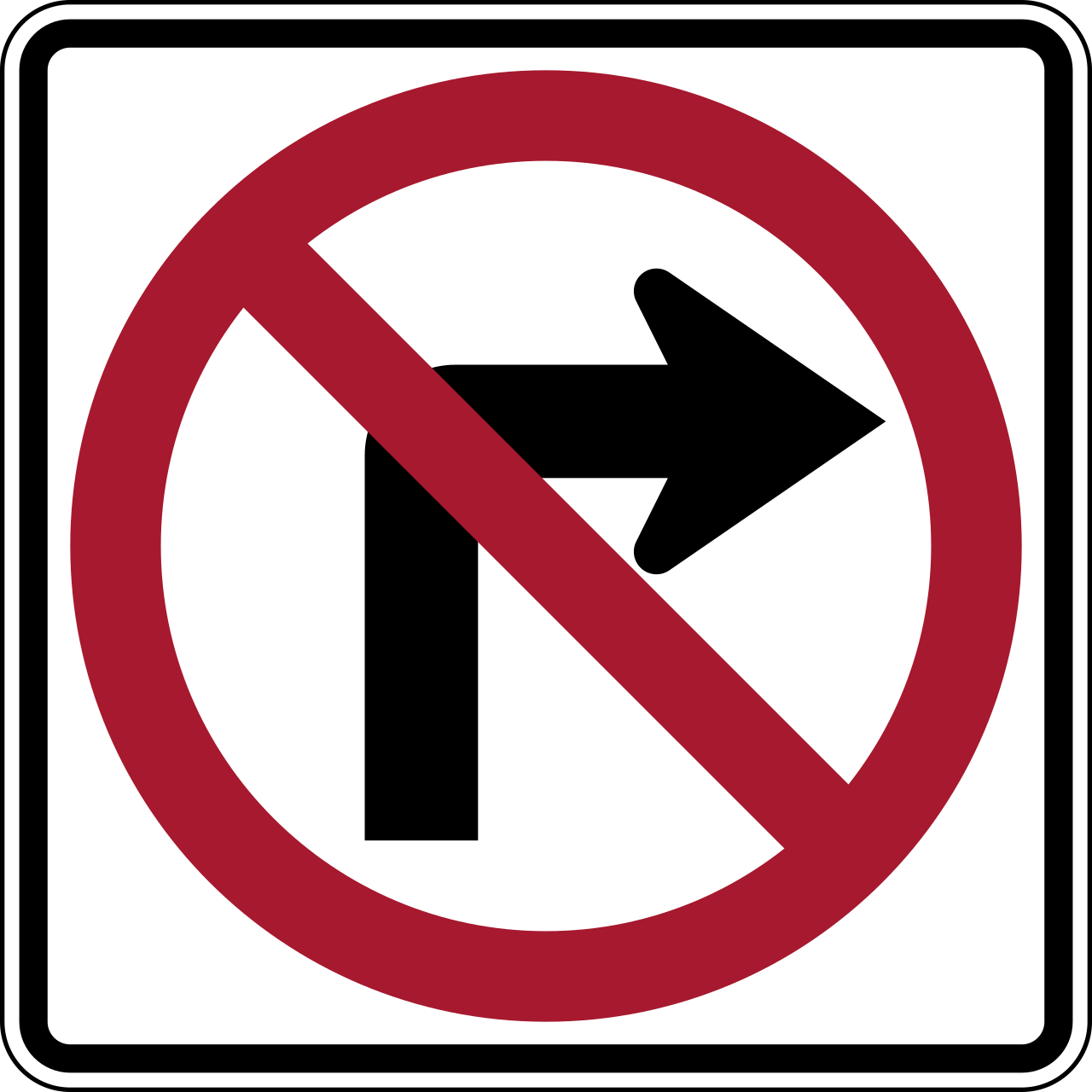 This road sign means:
A
Right turn is not permitted
B
Left turns are permitted
C
You may turn right after yielding the right-of-way to oncoming traffic
This traffic sign indicates: Right turn is not permitted. Observing and obeying all roadway signs ensures safe traffic flow and legal driving.
Question 8:
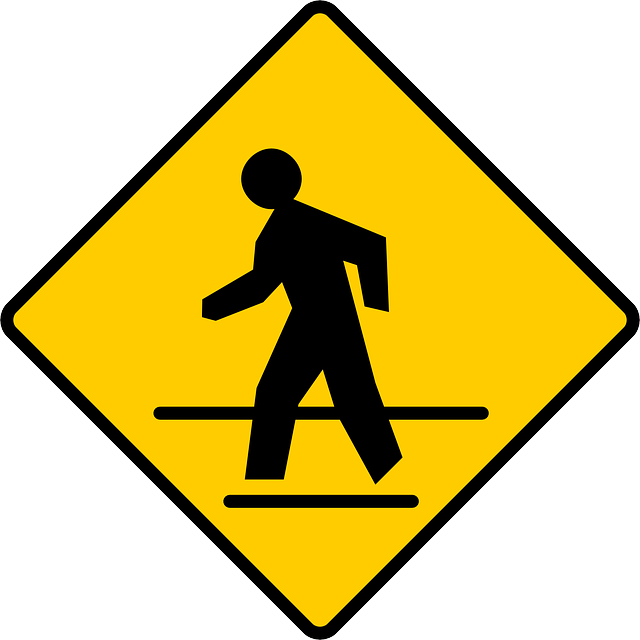 This road sign means:
A
Pedestrian crossing
B
School zone
C
School crossing
This traffic sign indicates: Pedestrian crossing. Observing and obeying all roadway signs ensures safe traffic flow and legal driving.
Question 9:
Drivers should be aware that a motorcyclist may:
A
decrease speed and rise off the seat when approaching a railroad crossing.
B
quickly change speed or lane position.
C
All of the above.
All of the listed points are essential driving requirements: decrease speed and rise off the seat when approaching a railroad crossing; quickly change speed or lane position. Practicing each ensures compliance with DMV safety laws.
Question 10:
You are stopped behind other vehicles waiting at a stop sign. When the intersection is clear:
A
you may follow the vehicle ahead without stopping again.
B
you may proceed with caution through the intersection without stopping if there is no other traffic.
C
you must stop again at the stop sign.
D
you must proceed through the intersection without stopping again.
According to standard right-of-way regulations: you must stop again at the stop sign. Yielding appropriately prevents intersection collisions and maintains safe traffic flow.
Question 11:
 This road sign means:
A
Merge
B
Side Road
C
Merging Traffic
D
All traffic must go straight ahead
This traffic sign indicates: Side Road. Observing and obeying all roadway signs ensures safe traffic flow and legal driving.
Question 12:
If you drink alcohol socially, what helps insure safe driving?
A
Stop drinking one hour before driving.
B
Drink coffee before driving.
C
Take a cold shower before driving.
D
Ride home with a friend who has not been drinking.
Under state DUI and traffic safety laws: Ride home with a friend who has not been drinking. Alcohol degrades judgment, slows reaction times, and distorts depth perception.
Question 13:
__________________ is a safe driving technique.
A
Using your high beam lights in the fog
B
Starring at the road ahead of your vehicle
C
Checking your rearview mirrors frequently
The correct driving rule is: Checking your rearview mirrors frequently. Following standard DMV road rules and practicing defensive driving ensures safety for all road users.
Question 14:
To avoid becoming an aggressive driver, you should:
A
Adjust your schedule to drive during times with the most highway traffic.
B
Allow enough travel time to reach your destination on schedule.
C
Listen to heavy metal music.
The correct driving rule is: allow enough travel time to reach your destination on schedule. Following standard DMV road rules and practicing defensive driving ensures safety for all road users.
Question 15:
Before entering a traffic circle, drivers must slow down and yield to ___________ in the traffic circle.
A
pedestrians
B
vehicles
C
bicyclists
D
All of the above.
Safe navigation at intersections requires following all established rules: pedestrians; vehicles; bicyclists. Always yield right-of-way properly to prevent collisions.
Question 16:
After passing a vehicle, it is safe to return to your lane:
A
when you can no longer see the vehicle over your right shoulder.
B
after about five seconds.
C
when you see the front bumper of the other vehicle in your mirror.
Defensive driving guidelines state that: when you see the front bumper of the other vehicle in your mirror. Anticipating road hazards and communicating maneuvers keeps traffic predictable and safe.
Question 17:
When passing another car, you have enough room to return to the driving lane when:
A
you cannot see the vehicle directly to your right.
B
you are at least 50 feet in front of the vehicle.
C
you can see both headlights of the car you passed in your rearview mirror.
Defensive driving guidelines state that: you can see both headlights of the car you passed in your rearview mirror. Anticipating road hazards and communicating maneuvers keeps traffic predictable and safe.
Question 18:
A driver cuts off another vehicle, or threatens another motorist or a pedestrian. These are examples of:
A
excessive driving
B
road rage
C
defensive driving
Drivers must always yield the right-of-way to pedestrians crossing at intersections and crosswalks: road rage. Stop and allow them to clear the lane safely.
Question 19:
It is unlawful to:
A
pass within 250 feet of any intersection.
B
exceed the posted speed limit when passing.
C
pass within 150 feet of any railroad crossing.
The correct driving rule is: exceed the posted speed limit when passing. Following standard DMV road rules and practicing defensive driving ensures safety for all road users.
Question 20:
If your car breaks down on the highway, you should:
A
use your four-way flashers to warn other drivers.
B
sound your horn to warn passing vehicles.
C
flash your headlights at oncoming traffic.
D
stop in the right lane.
Defensive driving guidelines state that: use your four-way flashers to warn other drivers. Anticipating road hazards and communicating maneuvers keeps traffic predictable and safe.
Question 21:
Where must a pedestrian walk when there are no sidewalks?
A
On the side of the road, in the same direction of traffic.
B
In the middle of the road, facing oncoming traffic.
C
On the side of the road, facing the traffic.
Drivers must always yield the right-of-way to pedestrians crossing at intersections and crosswalks: On the side of the road, facing the traffic. Stop and allow them to clear the lane safely.
Question 22:
If you see a “lane closed ahead” sign you should:
A
make a U-turn. You are on the wrong side of the road.
B
merge into the correct lane when it is safe.
C
speed to the end of the closed lane and try to get into the other lane.
The correct driving rule is: merge into the correct lane when it is safe. Following standard DMV road rules and practicing defensive driving ensures safety for all road users.
Question 23:
A pedestrian starts to cross in front of your vehicle. You should:
A
sound your horn and proceed with caution.
B
slow down.
C
speed up and pass in front of the pedestrian.
D
stop until the person is out of the crosswalk.
Drivers must always yield the right-of-way to pedestrians crossing at intersections and crosswalks: stop until the person is out of the crosswalk. Stop and allow them to clear the lane safely.
Question 24:
To pass a bicyclist traveling in the same direction on a two-lane road without bicycle lanes, you should:
A
continue driving straight, it is the bicyclist’s responsibility to get out of your way.
B
slow down and wait until there is no oncoming traffic, then pass the bicyclist leaving him or her sufficient space.
C
honk at the bicyclist to let him or her know you are about to pass.
D
not pass the bicyclist until you come to a traffic signal or stop sign.
State laws require motorists to provide a safe clearance buffer: slow down and wait until there is no oncoming traffic, then pass the bicyclist leaving him or her sufficient space. Allow at least 3 feet of space when overtaking a bicyclist.
Question 25:
A driver who's being passed on the right and the left by many vehicles while driving in the center lane of an highway should:
A
take the next exit.
B
move to the lane on their right.
C
move to the lane on their left.
Defensive driving guidelines state that: move to the lane on their right. Anticipating road hazards and communicating maneuvers keeps traffic predictable and safe.