Question 1:
When a hazard is seen ahead, reaction distance:
A
is the sum of perception distance and braking distance.
B
equals total stopping distance minus perception distance.
C
is how far a vehicle will continue to travel, in ideal conditions, before the driver hits the brakes.
For safe speed and stopping control: is how far a vehicle will continue to travel, in ideal conditions, before the driver hits the brakes. Adjusting speed to match visibility and road traction prevents loss of steering grip.
Question 2:
Road signs that point out scenic areas and parks are:
A
brown and white.
B
black and orange.
C
green and white.
The correct driving rule is: brown and white. Following standard DMV road rules and practicing defensive driving ensures safety for all road users.
Question 3:
Two solid yellow lines on the pavement mean:
A
passing is not allowed.
B
passing is allowed during daylight only.
C
passing is allowed for both drivers.
D
passing is allowed if you are at the top of a hill.
The correct driving rule is: passing is not allowed. Following standard DMV road rules and practicing defensive driving ensures safety for all road users.
Question 4:
What is a likely effect when you take another drug while you drink alcohol?
A
The effects of the alcohol and the drug are enhanced.
B
There are no effects, unless the drug is prescription only.
C
If the drug is over-the-counter, there are no effects.
Under state DUI and traffic safety laws: The effects of the alcohol and the drug are enhanced. Alcohol degrades judgment, slows reaction times, and distorts depth perception.
Question 5:
 This road sign means:
A
Narrow bridge
B
Yield right-of-way
C
Freeway on ramp
D
Roadway narrows or lane ends
This traffic sign indicates: Roadway narrows or lane ends. Observing and obeying all roadway signs ensures safe traffic flow and legal driving.
Question 6:
When you pass another vehicle, before you return to the right lane, you must:
A
look at your interior rear-view mirror.
B
signal.
C
All of the above.
All of the listed points are essential driving requirements: look at your interior rear-view mirror; signal. Practicing each ensures compliance with DMV safety laws.
Question 7:
 A flashing red light:
A
is used at dangerous intersections.
B
means the same thing as a stop sign.
C
All of the above.
Safe navigation at intersections requires following all established rules: is used at dangerous intersections; means the same thing as a stop sign. Always yield right-of-way properly to prevent collisions.
Question 8:
Aggressive driving includes:
A
quick lane changes without a signal.
B
chasing or challenging other drivers.
C
All of the above.
All of the listed points are essential driving requirements: quick lane changes without a signal; chasing or challenging other drivers. Practicing each ensures compliance with DMV safety laws.
Question 9:
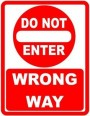 This road sign means:
A
U-turns are prohibited
B
You may proceed only if the way is clear
C
You are about to enter a one-way street the wrong way
D
Do not pass
This traffic sign indicates: you are about to enter a one-way street the wrong way. Observing and obeying all roadway signs ensures safe traffic flow and legal driving.
Question 10:
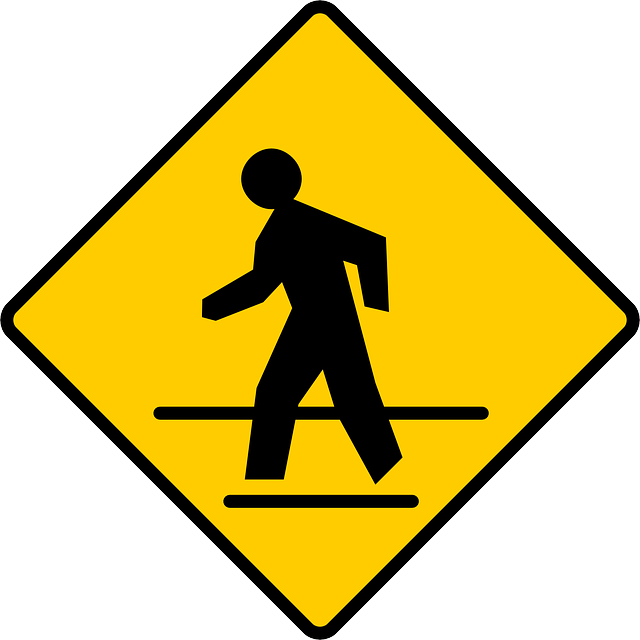 This road sign means:
A
Pedestrian crossing
B
School zone
C
School crossing
This traffic sign indicates: Pedestrian crossing. Observing and obeying all roadway signs ensures safe traffic flow and legal driving.
Question 11:
When you are involved in an accident and your vehicle is blocking traffic, you should:
A
not move your vehicle under any circumstances.
B
wait for the police to arrive before moving your vehicle.
C
move your vehicle off of the travelled portion of the roadway, if possible.
D
None of the above.
The correct driving rule is: move your vehicle off of the travelled portion of the roadway, if possible. Following standard DMV road rules and practicing defensive driving ensures safety for all road users.
Question 12:
 This road sign means:
A
Wrong Way
B
Merging Traffic
C
Curve ahead
This traffic sign indicates: Curve ahead. Observing and obeying all roadway signs ensures safe traffic flow and legal driving.
Question 13:
 This road sign means:
A
Pavement ends
B
Winding road
C
Double curve ahead
This traffic sign indicates: Winding road. Observing and obeying all roadway signs ensures safe traffic flow and legal driving.
Question 14:
If an intersection has crosswalk lines but no STOP line, where must you stop for a red light?
A
After the crosswalk.
B
Before the stop line.
C
Before the crosswalk.
Drivers must always yield the right-of-way to pedestrians crossing at intersections and crosswalks: Before the crosswalk. Stop and allow them to clear the lane safely.
Question 15:
Highway markings:
A
provide information for drivers.
B
only apply to motorcycles.
C
are only found in school zones.
D
are usually red and blue in color.
Defensive driving guidelines state that: provide information for drivers. Anticipating road hazards and communicating maneuvers keeps traffic predictable and safe.
Question 16:
Following another vehicle too closely is known as:
A
speedgating.
B
closetailing.
C
tailgating.
The correct driving rule is: tailgating. Following standard DMV road rules and practicing defensive driving ensures safety for all road users.
Question 17:
Who is most at risk?
A
Drivers who are fatigued.
B
Drivers who are driving on long, boring roads.
C
All of the above.
All of the listed points are essential driving requirements: Drivers who are fatigued; Drivers who are driving on long, boring roads. Practicing each ensures compliance with DMV safety laws.
Question 18:
Traffic lights are normally ____________ from the top to bottom or left to right.
A
red, green and yellow
B
green, yellow and red
C
red, yellow and green
The correct driving rule is: red, yellow and green. Following standard DMV road rules and practicing defensive driving ensures safety for all road users.
Question 19:
green, red and yellow
A
use your horn frequently to warn other drivers.
B
talk on your cell phone while driving.
C
always signal your intention when changing lanes.
The correct driving rule is: always signal your intention when changing lanes. Following standard DMV road rules and practicing defensive driving ensures safety for all road users.
Question 20:
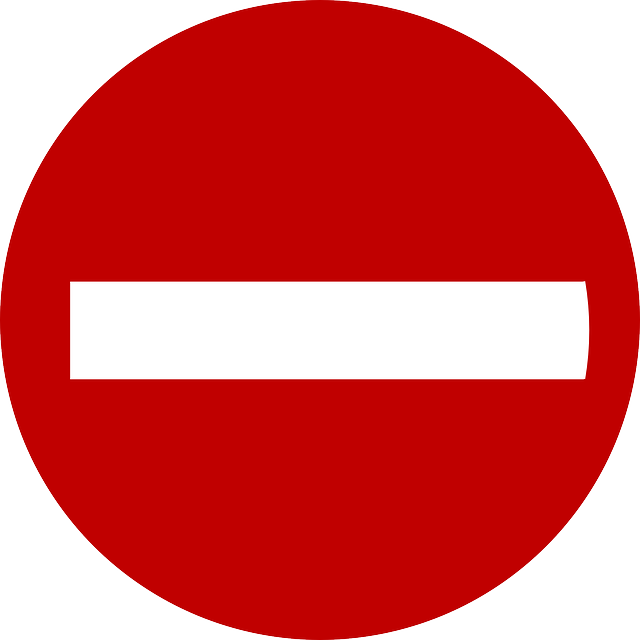 This road sign means:
A
No left turn
B
Lane ends
C
Do not enter
This traffic sign indicates: Do not enter. Observing and obeying all roadway signs ensures safe traffic flow and legal driving.
Question 21:
At night, it is hardest to see:
A
street lights.
B
pedestrians.
C
other motorists.
D
road signs.
The correct driving rule is: pedestrians. Following standard DMV road rules and practicing defensive driving ensures safety for all road users.
Question 22:
What is the most important rule to remember in any emergency?
A
Do not panic.
B
Run away.
C
Call the police.
The correct driving rule is: Do not panic. Following standard DMV road rules and practicing defensive driving ensures safety for all road users.
Question 23:
A road is likely to be most slippery:
A
when tire marks have been left by other vehicles.
B
in cold, dry weather.
C
when icy and the temperature is near freezing.
D
in spring.
For safe speed and stopping control: when icy and the temperature is near freezing. Adjusting speed to match visibility and road traction prevents loss of steering grip.
Question 24:
Bicyclists making a left hand turn:
A
must cut through all lanes.
B
should wait on the right side of the road.
C
may use the left lane.
The correct driving rule is: may use the left lane. Following standard DMV road rules and practicing defensive driving ensures safety for all road users.
Question 25:
A vehicle is stopped at a crosswalk to permit a pedestrian to cross the roadway. The driver of the vehicle approaching from the rear should:
A
sound the horn.
B
overtake and pass the stopped vehicle.
C
not overtake and pass the stopped vehicle.
Drivers must always yield the right-of-way to pedestrians crossing at intersections and crosswalks: not overtake and pass the stopped vehicle. Stop and allow them to clear the lane safely.