Question 1:
To safely cross a railroad, drivers should:
A
listen and look both ways, then proceed if it is safe to do so.
B
drive across quickly if a train is approaching, or if it is too close, stop and then back up.
C
stop within 10 feet of all railroad crossings.
D
look both ways only if the red light is flashing.
The correct driving rule is: listen and look both ways, then proceed if it is safe to do so. Following standard DMV road rules and practicing defensive driving ensures safety for all road users.
Question 2:
 This sign means:
A
Reversible lane ahead.
B
The divided highway ends ahead.
C
Drivers are coming to a point where another traffic lane joins the one they are on.
This traffic sign indicates: The divided highway ends ahead. Observing and obeying all roadway signs ensures safe traffic flow and legal driving.
Question 3:
 This sign indicates:
A
A slow-moving vehicle
B
A no-passing zone
C
Yield
This traffic sign indicates: A slow-moving vehicle. Observing and obeying all roadway signs ensures safe traffic flow and legal driving.
Question 4:
Drivers must yield to pedestrians:
A
Always.
B
when pedestrians are crossing within a marked or unmarked crosswalk.
C
by slowing down and making sure they are being seen by pedestrians.
D
under no circumstances.
The correct driving rule is: when pedestrians are crossing within a marked or unmarked crosswalk. Following standard DMV road rules and practicing defensive driving ensures safety for all road users.
Question 5:
Continuous hard braking on ice and snow often:
A
is the best option during winter.
B
keeps the brakes from freezing.
C
causes the front wheels to lock.
For safe speed and stopping control: causes the front wheels to lock. Adjusting speed to match visibility and road traction prevents loss of steering grip.
Question 6:
If your front wheels start to skid, the first thing you should do is:
A
Take your foot off the gas pedal and shift to neutral.
B
Immediately turn in the direction you want to go.
C
Speed up, pump your brakes and steer in the direction the vehicle is trying to go.
The correct driving rule is: take your foot off the gas pedal and shift to neutral. Following standard DMV road rules and practicing defensive driving ensures safety for all road users.
Question 7:
Drivers may exceed the speed limit when passing another vehicle.
A
False
B
True
For safe speed and stopping control: False. Adjusting speed to match visibility and road traction prevents loss of steering grip.
Question 8:
At an intersection without stop or yield signs, you should:
A
yield to the vehicle to your left.
B
wait until there are no vehicles at the intersection.
C
yield to the vehicle to your right.
According to standard right-of-way regulations: yield to the vehicle to your right. Yielding appropriately prevents intersection collisions and maintains safe traffic flow.
Question 9:
If a tire suddenly goes flat while you are driving, you should:
A
pump the brake pedal 5-7 times until the vehicle stops.
B
slow down gradually do not apply the brake.
C
apply the brake firmly and stop.
The correct driving rule is: slow down gradually do not apply the brake. Following standard DMV road rules and practicing defensive driving ensures safety for all road users.
Question 10:
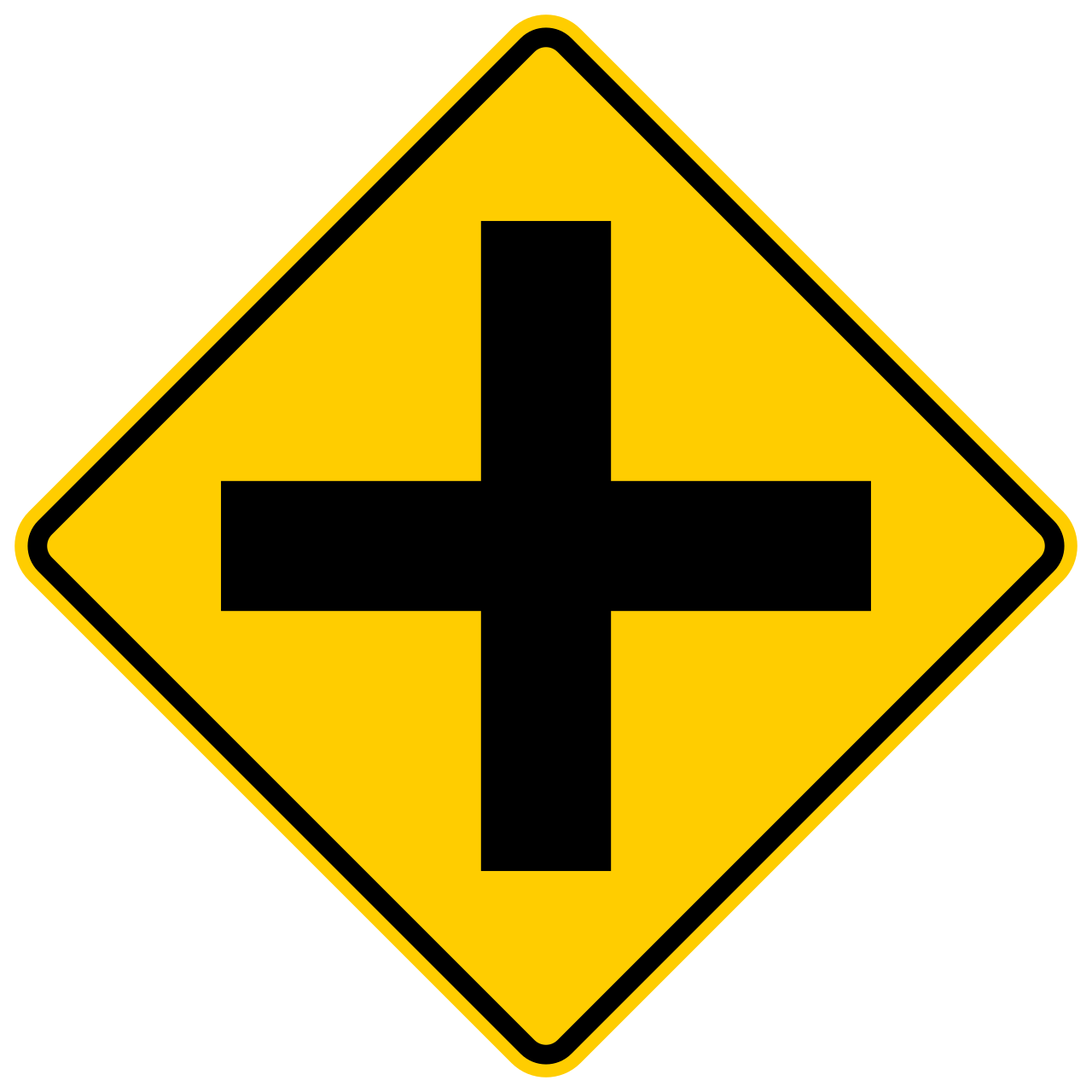 This road sign means:
A
A four-way intersection is ahead
B
Do not pass
C
A steep grade is ahead
This traffic sign indicates: A four-way intersection is ahead. Observing and obeying all roadway signs ensures safe traffic flow and legal driving.
Question 11:
 What does the flashing signal in the picture indicate?
A
The same thing as a stop sign.
B
Pedestrians should finish crossing the street if started.
C
Pedestrians should start crossing the street.
State laws require signaling your intention: pedestrians should finish crossing the street if started. Signal at least 100 feet before making a turn or changing lanes.
Question 12:
While driving, it is important to slow down:
A
when the road is wet.
B
on narrow roads.
C
at intersections.
D
All of the above.
All of the listed points are essential driving requirements: when the road is wet; on narrow roads; at intersections. Practicing each ensures compliance with DMV safety laws.
Question 13:
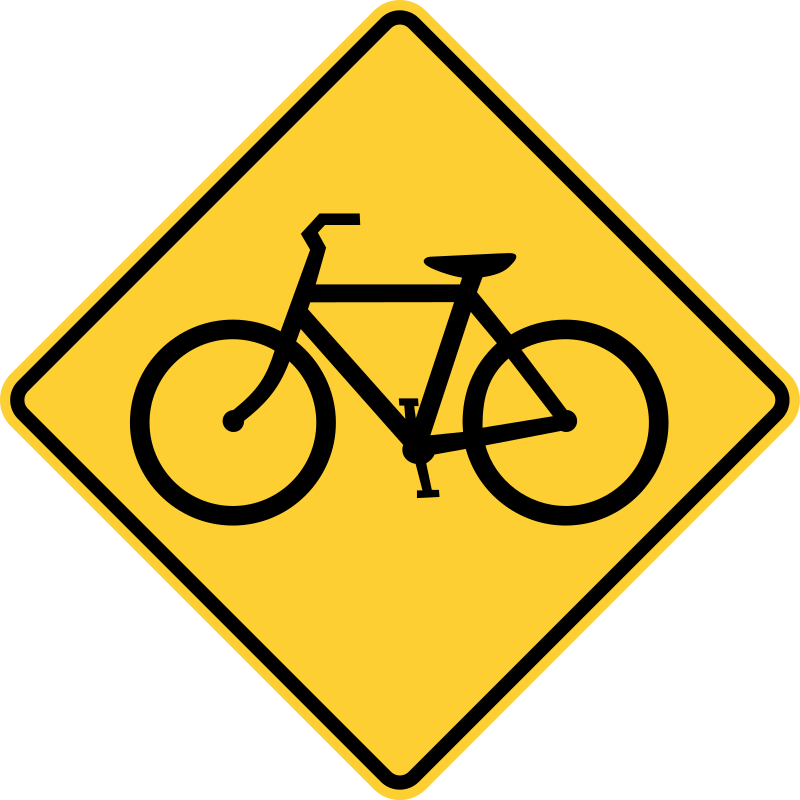 This road sign means:
A
Bicycle crossing
B
Bicycles have the right-of-way
C
This lane is reserved for bicyclists
This traffic sign indicates: Bicycle crossing. Observing and obeying all roadway signs ensures safe traffic flow and legal driving.
Question 14:
 This sign means:
A
narrow road ahead.
B
no turns are allowed on this road.
C
series of curves ahead.
D
the road may be slippery when wet.
This traffic sign indicates: series of curves ahead. Observing and obeying all roadway signs ensures safe traffic flow and legal driving.
Question 15:
___________ are green with white letters and symbols.
A
Warning signs
B
Destination signs (guide signs)
C
Regulation signs (regulatory signs)
The correct driving rule is: Destination signs (guide signs). Following standard DMV road rules and practicing defensive driving ensures safety for all road users.
Question 16:
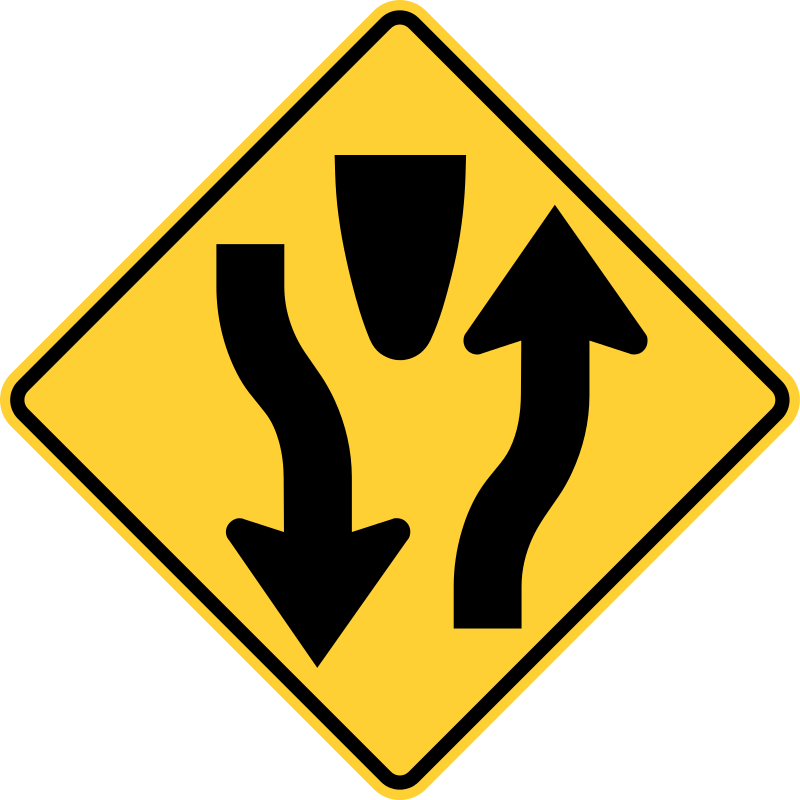 This sign means:
A
Divided highway ahead.
B
Divided highway ends.
C
Drivers will soon be on a roadway with two-way traffic.
This traffic sign indicates: Divided highway ahead. Observing and obeying all roadway signs ensures safe traffic flow and legal driving.
Question 17:
If your vehicle starts to hydroplane you should:
A
apply the brakes firmly to prevent your vehicle from sliding.
B
slow down gradually and do not apply the brakes.
C
maintain your current speed to gain better traction.
D
All of the above.
The correct driving rule is: slow down gradually and do not apply the brakes. Following standard DMV road rules and practicing defensive driving ensures safety for all road users.
Question 18:
If you drive much slower than the posted speed limit you:
A
are a defensive driver.
B
might cause a crash.
C
always have the right of way.
D
are driving safely and can avoid tailgaters.
For safe speed and stopping control: might cause a crash. Adjusting speed to match visibility and road traction prevents loss of steering grip.
Question 19:
 This road sign means:
A
Lane shifting
B
Traffic is entering from another road, drive with caution
C
Stop for other traffic
D
Yield right-of-way
This traffic sign indicates: traffic is entering from another road, drive with caution. Observing and obeying all roadway signs ensures safe traffic flow and legal driving.
Question 20:
When pedestrians are in a crosswalk, drivers should:
A
pull over to the right and stop.
B
go ahead because drivers have the right-of-way.
C
wait for them to cross.
Drivers must always yield the right-of-way to pedestrians crossing at intersections and crosswalks: wait for them to cross. Stop and allow them to clear the lane safely.
Question 21:
Which of the following must you obey over the others?
A
Red light
B
Stop sign
C
Police officer
The correct driving rule is: Police officer. Following standard DMV road rules and practicing defensive driving ensures safety for all road users.
Question 22:
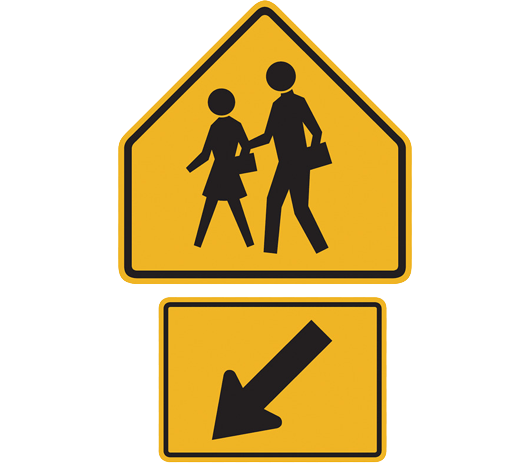 When they approach this sign, drivers must:
A
slow down and watch for children crossing the road.
B
obey signals from crossing guards.
C
stop if necessary.
D
All of the above.
This sign alerts drivers to several mandatory requirements: slow down and watch for children crossing the road, obey signals from crossing guards, stop if necessary. Obeying all posted traffic control instructions is required by law.
Question 23:
If you stop along the road at night:
A
turn on your emergency flashers and leave your low beams on.
B
turn off your emergency lights and leave your high beams on.
C
turn on your headlights only.
D
turn off all your lights.
The correct driving rule is: turn on your emergency flashers and leave your low beams on. Following standard DMV road rules and practicing defensive driving ensures safety for all road users.
Question 24:
What should you do in case of a brake failure?
A
Pull off the road into an open space, if available.
B
Apply the parking brake slowly.
C
All of the above.
All of the listed points are essential driving requirements: Pull off the road into an open space, if available; Apply the parking brake slowly. Practicing each ensures compliance with DMV safety laws.
Question 25:
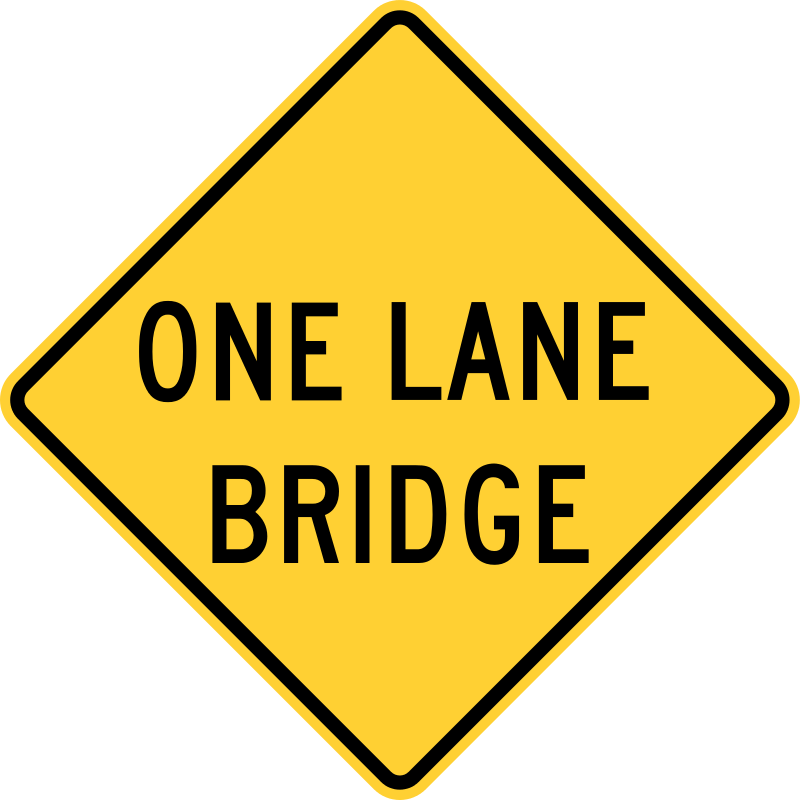 What should drivers do when they see this sign?
A
Make sure the bridge is clear of oncoming traffic before they cross.
B
Look to the left and right for other traffic.
C
Allow others to merge smoothly.
This traffic sign indicates: make sure the bridge is clear of oncoming traffic before they cross. Observing and obeying all roadway signs ensures safe traffic flow and legal driving.