问题 1:
为了让后面的司机保持安全距离,您应该:
A
保持稳定的速度。
B
比后面的车开得快 5 英里/小时。
C
比后车慢 5 英里/小时。
正确的驾驶规则是:保持稳定的车速。遵循标准 DMV 道路规则并实行防御性驾驶可确保所有道路使用者的安全。
问题 2:
 图中标志:
图中标志:
A
是建筑和维护交通管制标志。
B
大多数十字路口都设有此标志,表示驾驶员必须给其他车辆让路。
C
显示在缓慢行驶的车辆的后方。
正确的驾驶规则是:缓慢行驶的车辆后方显示 。遵循标准 DMV 道路规则并实行防御性驾驶可确保所有道路使用者的安全。
问题 3:
 这个路标的意思是:
A
前方有分开的高速公路
B
前方双向交通
C
前方有四车道交通
该交通标志表示:前方有双向交通。观察并遵守所有道路标志可确保安全交通和合法驾驶。
问题 4:
使用灯光和警报器的紧急车辆的驾驶员可以合法地:
A
闯红灯。
B
超过速度限制
C
上述所有的。
安全共享道路需要相互认识和尊重:闯红灯;超速。维护安全的空间垫可以保护所有道路使用者。
问题 5:
夜间驾驶时,驾驶员应:
A
始终使用远光灯。
B
增加他们的跟随距离。
C
直视驶来车辆的前灯。
正确的驾驶规则是:增加跟车距离。遵循标准 DMV 道路规则并实行防御性驾驶可确保所有道路使用者的安全。
问题 6:
以下哪项是交通事故的常见原因?
A
跟得太近了。
B
条件下速度过快。
C
分心驾驶。
D
上述所有的。
所有列出的要点都是基本的驾驶要求: 跟车太紧;条件超速;分心驾驶。练习每一项可确保遵守 DMV 安全法。
问题 7:
当你准备在十字路口右转时,你应该做什么?
A
按喇叭。
B
给来自相反方向的骑自行车者让路。
C
发出转弯信号,检查是否有骑自行车的人,并且不要在骑自行车的人面前直接转弯。
根据标准的路权规定:发出转弯信号,检查是否有骑自行车的人,并且不要在骑自行车的人面前直接转弯。适当让行可以防止交叉路口碰撞并维持安全的交通流量。
问题 8:
当您从单向路左转进入双向路时,您必须:
A
从中心线左侧进入双向道路。
B
掉头进入双向路。
C
进入中线右侧的双向道路。
正确的驾驶规则是:从中线右侧进入双向道路。遵循标准 DMV 道路规则并实行防御性驾驶可确保所有道路使用者的安全。
问题 9:
黄色中心实线右侧的黄色虚线表示:
A
如果没有迎面驶来的车辆,您可以超越其他车辆。
B
禁止通过。
C
您只能在该区域左转。
正确的驾驶规则是:如果没有迎面驶来的车辆,您可以超越其他车辆。遵循标准 DMV 道路规则并实行防御性驾驶可确保所有道路使用者的安全。
问题 10:
速度过快:
A
帮助您绕过障碍物。
B
节省时间,以便您可以更快地到达目的地。
C
增加严重身体伤害和死亡的可能性。
为了安全速度和停车控制:增加严重人身伤害和死亡的可能性。调整速度以匹配能见度和道路牵引力,防止失去转向抓地力。
问题 11:
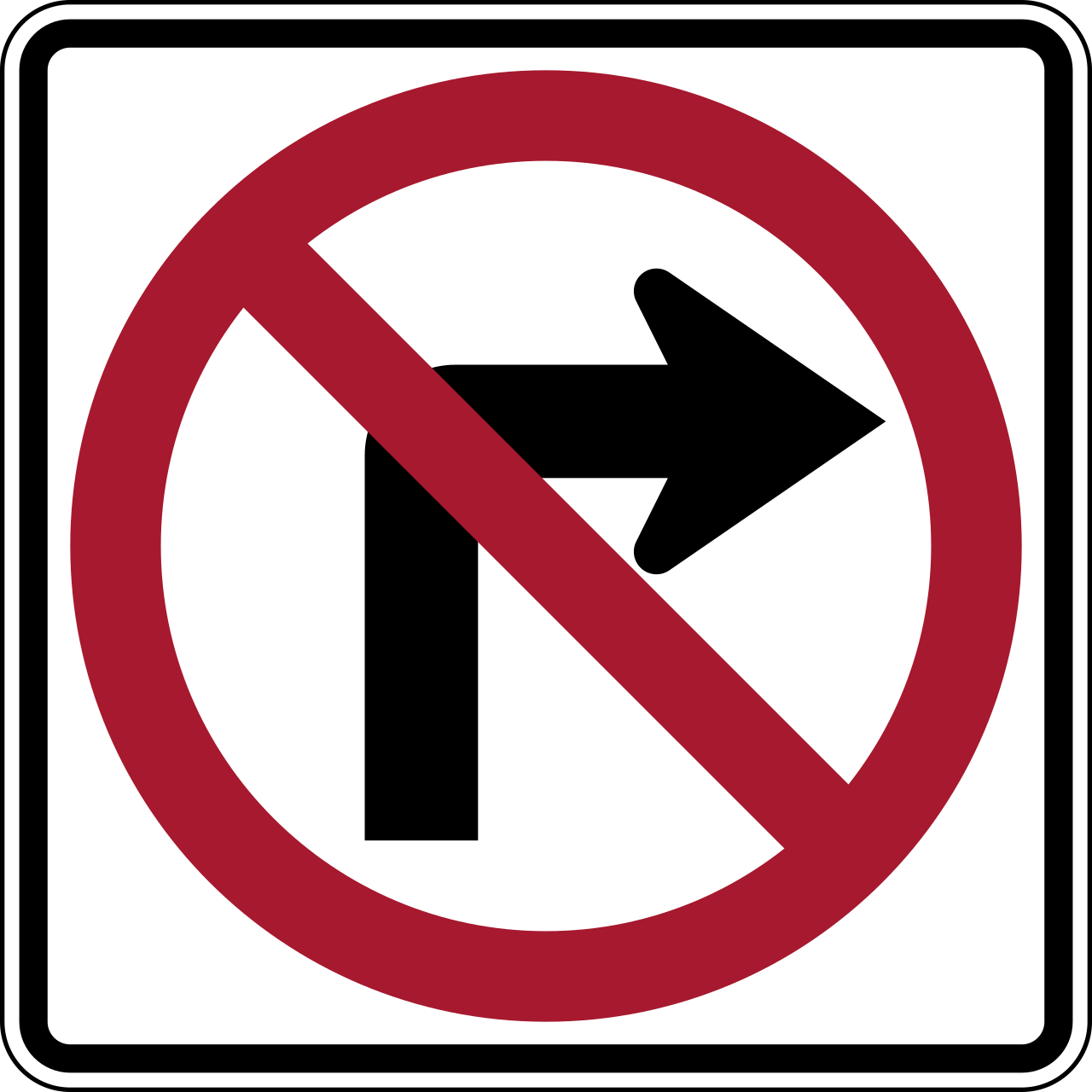 这个标志告诉司机:
A
他们必须在十字路口左转。
B
不允许掉头。
C
他们不得右转。
D
以上都不是。
该交通标志表明:不得右转。观察并遵守所有道路标志可确保安全交通和合法驾驶。
问题 12:
BAC的表达形式为:
A
酒精与血液的百分比。
B
血液与酒精的百分比。
C
血液中的酒精含量。
根据州酒后驾车和交通安全法:酒精与血液的百分比。酒精会降低判断力、减慢反应时间并扭曲深度知觉。
问题 13:
哪种形状是限速标志?
A
圆形
B
五角大楼
C
垂直矩形
为了安全速度和停止控制:垂直矩形。调整速度以匹配能见度和道路牵引力,防止失去转向抓地力。
问题 14:
对于驾驶员来说,重要的是要知道卡车:
A
更方便驾驶员操作。
B
需要更多的转动空间。
C
比汽车停下来的时间还要长。
D
与汽车相比,通过斜坡所需的时间更少。
正确的驾驶规则是:比汽车停下来的时间更长。遵循标准 DMV 道路规则并实行防御性驾驶可确保所有道路使用者的安全。
问题 15:
提高车速_____你的视野。
A
减少
B
增加
C
反转
D
对
没有影响为了安全速度和停止控制:减少。调整速度以匹配能见度和道路牵引力,防止失去转向抓地力。
问题 16:
当交通信号灯变绿时,您应该:
A
慢慢后退。
B
给行人让路。
C
为大型车辆让出通行权。
D
等待 5 秒钟,然后再继续。
三角形让路标志要求司机减速并给其他车辆让路:给行人让路。仅当有安全开口时才继续进行。
问题 17:
驾驶员可以通过在中线一侧标有单条黄实线的双车道道路。
A
假
B
正确
正确的驾驶规则是:错误。遵循标准 DMV 道路规则并实行防御性驾驶可确保所有道路使用者的安全。
问题 18:
 该标志的含义是:
A
道路将向右弯曲。
B
交叉路口不允许左转。
C
不要右转。
该交通标志表示:道路将向右弯曲。观察并遵守所有道路标志可确保安全交通和合法驾驶。
问题 19:
司机必须给行人让路:
A
仅当行人在人行横道上时。
B
如果行人向驾驶员发出信号,要求驾驶员必须停车。
C
仅当行人位于道路的同一侧时。
D
即使行人过马路时也不看两边。
正确的驾驶规则是:即使行人过马路时也不看两边。遵循标准 DMV 道路规则并实行防御性驾驶可确保所有道路使用者的安全。
问题 20:
 这个路标是:
A
减速标志。
B
一个警告标志。
C
一个监管标志。
该交通标志表示:监管标志。观察并遵守所有道路标志可确保安全交通和合法驾驶。
问题 21:
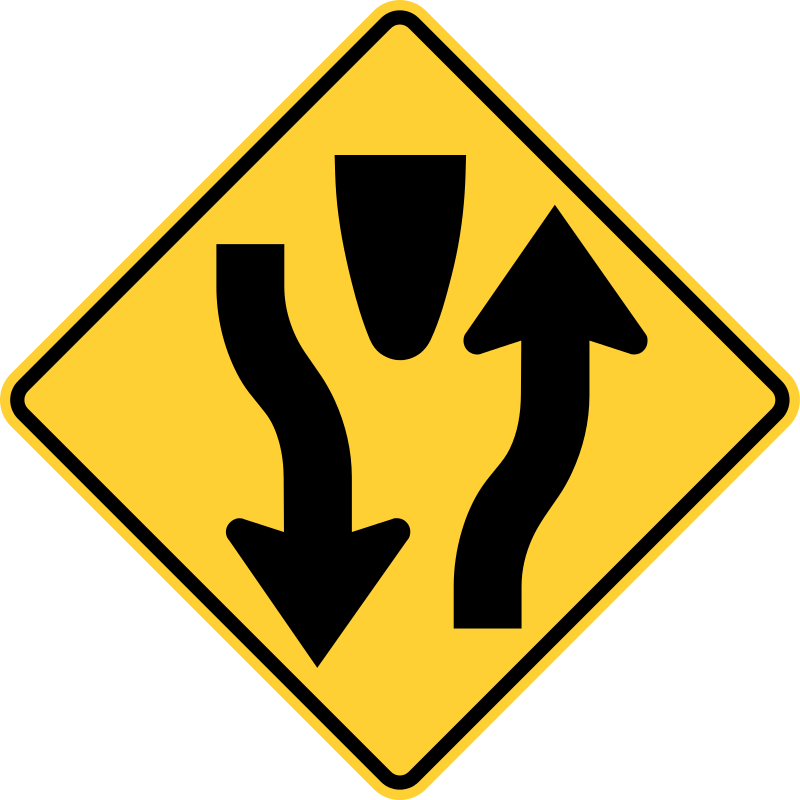 这个路标的意思是:
A
前方有分开的高速公路 - 靠右行驶
B
不要输入
C
不要通过
该交通标志表示:前方有分叉高速公路 - 靠右行驶。观察并遵守所有道路标志可确保安全交通和合法驾驶。
问题 22:
测量摩托车的速度可能很困难,因为:
A
摩托车占用的视野更少。
B
摩托车通常通过降档来减速。
C
许多摩托车手不会打开刹车灯。
为了安全的速度和停车控制:摩托车占用的视野更少。调整速度以匹配能见度和道路牵引力,防止失去转向抓地力。
问题 23:
以下症状与疲劳驾驶有关:
A
你继续打哈欠。
B
您不记得最后几英里的驾驶情况。
C
上述所有的。
酒精和有害物质会降低所有关键的驾驶功能:您继续打哈欠;您不记得最后几英里的驾驶情况。酒后驾车将受到严厉的刑事和安全处罚。
问题 24:
当您停下来搭乘校车后,您必须:
A
关闭你的引擎。
B
在红灯停止闪烁之前通过公共汽车。
C
以上都不是。
当校车显示闪烁的红灯和延长的停车标志时:以上都不是。在未分隔的道路上,双向交通必须完全停止,直到儿童离开为止。
问题 25:
重击声可能是警告:
A
轮胎即将爆裂。
B
转向失灵。
C
刹车失灵。
正确的驾驶法则是:轮胎即将爆胎。遵循标准 DMV 道路规则并实行防御性驾驶可确保所有道路使用者的安全。