Question 1:
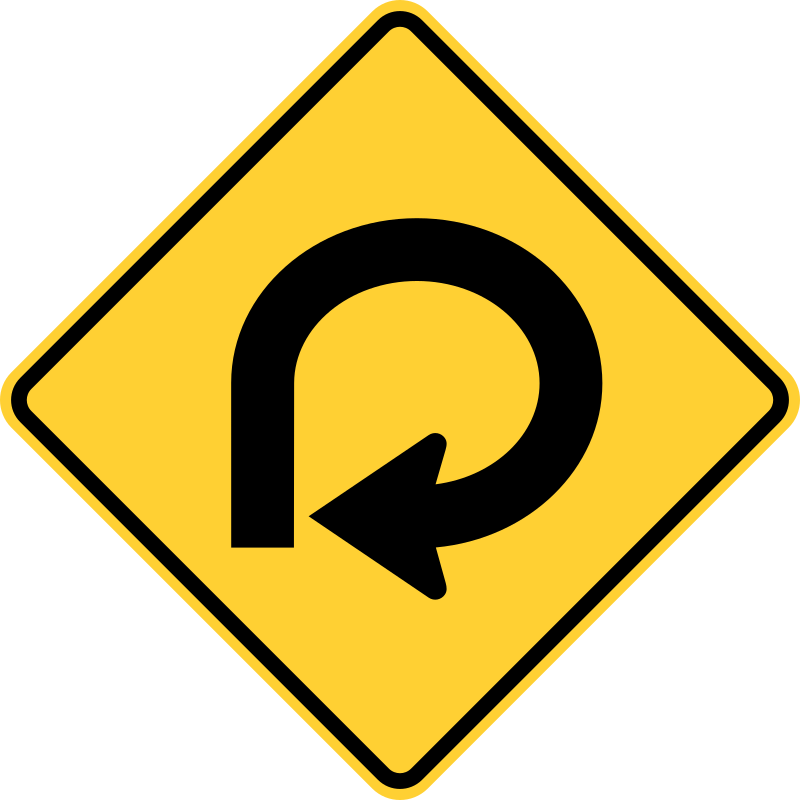 This sign means:
A
Roundabout ahead.
B
270 degree turn ahead.
C
Wrong way; Turn around immediately.
This traffic sign indicates: 270 degree turn ahead. Observing and obeying all roadway signs ensures safe traffic flow and legal driving.
Question 2:
 When they see this sign, drivers should:
A
increase their speed and keep well to the right.
B
slow down and keep well to the right.
C
slow down and keep well to the left.
This traffic sign indicates: slow down and keep well to the left. Observing and obeying all roadway signs ensures safe traffic flow and legal driving.
Question 3:
Before crossing any railroad tracks, you must:
A
look and listen for trains.
B
make sure there is room for your vehicle on the other side.
C
All of the above.
All of the listed points are essential driving requirements: look and listen for trains; make sure there is room for your vehicle on the other side. Practicing each ensures compliance with DMV safety laws.
Question 4:
If you suddenly have no control of the steering wheel, you should:
A
turn on your emergency flashers and pull off the road.
B
ease your foot off the gas pedal. Turn on your emergency flashers and allow your vehicle to come to a slow stop.
C
pump your brake pedal to build pressure.
D
react as you would with a blowout.
The correct driving rule is: ease your foot off the gas pedal. Turn on your emergency flashers and allow your vehicle to come to a slow stop. Following standard DMV road rules and practicing defensive driving ensures safety for all road users.
Question 5:
When in a vehicle, wear a seat belt:
A
at all times.
B
on long trips.
C
on high-speed highways.
The correct driving rule is: at all times. Following standard DMV road rules and practicing defensive driving ensures safety for all road users.
Question 6:
A curb painted red means:
A
No parking or stopping
B
Parking is for disabled persons with a special placard or plate.
C
Reserved for passengers pick up or drop off
Under standard parking and curb regulations: No parking or stopping. Following parking distance clearances keeps roadways unobstructed and emergency lanes accessible.
Question 7:
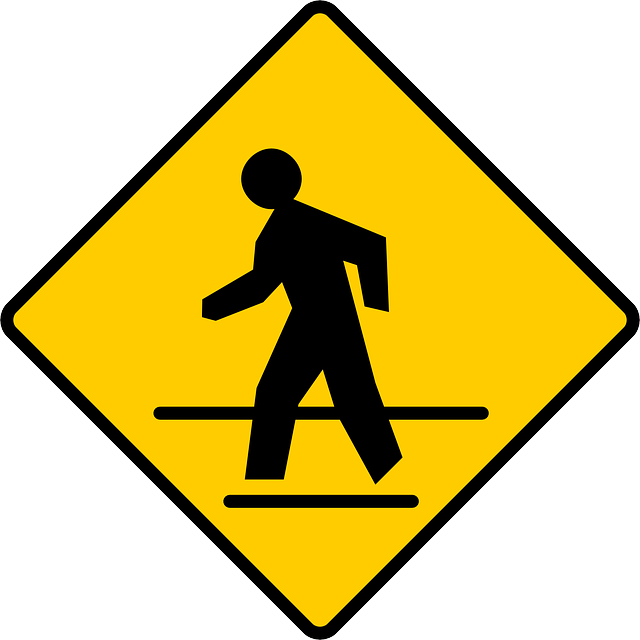 This road sign means:
A
School zone ahead
B
Pedestrians must not cross here
C
Pedestrian crossing ahead
This traffic sign indicates: Pedestrian crossing ahead. Observing and obeying all roadway signs ensures safe traffic flow and legal driving.
Question 8:
 This road sign means:
A
No left turn
B
No U-turn
C
Detour ahead
This traffic sign indicates: No U-turn. Observing and obeying all roadway signs ensures safe traffic flow and legal driving.
Question 9:
 This road sign means:
A
Winding Road Ahead
B
Persons with Disabilities Parking
C
Merge
This traffic sign indicates: merge. Observing and obeying all roadway signs ensures safe traffic flow and legal driving.
Question 10:
 The octagonal shape is used:
A
for stop signs and railroad advance warning signs.
B
exclusively for stop signs.
C
to warn drivers of existing or possible hazards on roadways.
An octagonal Stop sign requires a full and complete stop before the stop line or crosswalk: exclusively for stop signs. Proceed only after yielding to all cross traffic and pedestrians.
Question 11:
When an approaching driver at night blinds you by failing to dim their high beams, you should look:
A
straight down the middle of the road.
B
towards the left side of the road.
C
None of the other answers is correct.
D
towards the right side of the road.
The correct driving rule is: towards the right side of the road. Following standard DMV road rules and practicing defensive driving ensures safety for all road users.
Question 12:
Regulatory signs are:
A
Suggestions
B
Warnings
C
Law
The correct driving rule is: Law. Following standard DMV road rules and practicing defensive driving ensures safety for all road users.
Question 13:
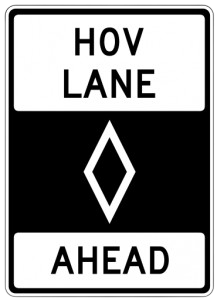 This road sign indicates that:
A
a lane is reserved for certain purposes or certain vehicles.
B
buses and car pools may not travel in the restricted lane.
C
vehicles cannot go straight ahead. Cars must turn either to the right or left.
This traffic sign indicates: a lane is reserved for certain purposes or certain vehicles. Observing and obeying all roadway signs ensures safe traffic flow and legal driving.
Question 14:
An aggressive driver:
A
competes with other traffic.
B
weaves in and out of traffic.
C
shows little or no respect for traffic laws.
D
All of the above.
All of the listed points are essential driving requirements: competes with other traffic; weaves in and out of traffic; shows little or no respect for traffic laws. Practicing each ensures compliance with DMV safety laws.
Question 15:
When driving at night with no other vehicles ahead, a driver should use:
A
high beam lights.
B
low-beam lights.
C
parking lights.
The correct driving rule is: high beam lights. Following standard DMV road rules and practicing defensive driving ensures safety for all road users.
Question 16:
Where are yield signs usually placed?
A
At intersections, if there is no marked stop line.
B
Where auxiliary roads lead into major roads.
C
Where major roads lead into auxiliary roads.
The correct driving rule is: Where auxiliary roads lead into major roads. Following standard DMV road rules and practicing defensive driving ensures safety for all road users.
Question 17:
If a vehicle using high beams comes toward you, look towards __________ of the road.
A
either side
B
the center
C
the right side
D
the left side
The correct driving rule is: the right side. Following standard DMV road rules and practicing defensive driving ensures safety for all road users.
Question 18:
Parking is not allowed:
A
on the road side of a parked vehicle.
B
in a tunnel.
C
All of the above.
Under standard parking and curb regulations: All of the above. Following parking distance clearances keeps roadways unobstructed and emergency lanes accessible.
Question 19:
 This road sign means the road you're driving on:
A
turns sharply to the left and then right
B
turns to the right and then the left
C
turns only to the left
This traffic sign indicates: turns to the right and then the left. Observing and obeying all roadway signs ensures safe traffic flow and legal driving.
Question 20:
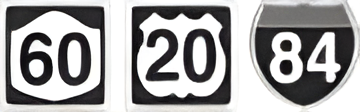 These are:
A
route signs.
B
miles-left signs.
C
speed limit signs.
The correct driving rule is: route signs. Following standard DMV road rules and practicing defensive driving ensures safety for all road users.
Question 21:
When approaching a railroad crossing drivers should:
A
slow down.
B
be ready to stop.
C
look for a train.
D
All of the above.
All of the listed points are essential driving requirements: slow down; be ready to stop; look for a train. Practicing each ensures compliance with DMV safety laws.
Question 22:
Drivers should allow a larger space cushion when stopping:
A
at a stop sign.
B
on an up-hill.
C
at an intersection.
D
at a yield sign.
The correct driving rule is: on an up-hill. Following standard DMV road rules and practicing defensive driving ensures safety for all road users.
Question 23:
To drive defensively, you must:
A
anticipate errors by other drivers.
B
assume that a driver who approaches a STOP sign on a side road is actually going to stop.
C
not check behind you through your mirrors.
The correct driving rule is: anticipate errors by other drivers. Following standard DMV road rules and practicing defensive driving ensures safety for all road users.
Question 24:
 This road sign means:
A
No left turn
B
No right turn
C
No U-turns
This traffic sign indicates: No right turn. Observing and obeying all roadway signs ensures safe traffic flow and legal driving.
Question 25:
 This sign is a:
A
regulatory sign.
B
warning sign.
C
guide sign.
This traffic sign indicates: warning sign. Observing and obeying all roadway signs ensures safe traffic flow and legal driving.