Question 1:
If the entrance lane is too short to allow acceleration to highway speed, you should:
A
go to the next entrance ramp.
B
stop and wait for a large gap in traffic, then enter the highway and accelerate quickly.
C
merge into highway traffic as soon as possible.
For safe speed and stopping control: stop and wait for a large gap in traffic, then enter the highway and accelerate quickly. Adjusting speed to match visibility and road traction prevents loss of steering grip.
Question 2:
If your front wheels start to skid, the first thing you should do is:
A
Take your foot off the gas pedal and shift to neutral.
B
Immediately turn in the direction you want to go.
C
Speed up, pump your brakes and steer in the direction the vehicle is trying to go.
The correct driving rule is: take your foot off the gas pedal and shift to neutral. Following standard DMV road rules and practicing defensive driving ensures safety for all road users.
Question 3:
Higher fines and increased license penalties may result from a third or subsequent alcohol-related conviction within:
A
2 years.
B
10 years.
C
5 years.
D
3 years.
Under state DUI and traffic safety laws: 10 years. Alcohol degrades judgment, slows reaction times, and distorts depth perception.
Question 4:
You ________ traffic headed toward you when you turn left.
A
must not yield to
B
must interrupt
C
must yield to
According to standard right-of-way regulations: must yield to. Yielding appropriately prevents intersection collisions and maintains safe traffic flow.
Question 5:
HOV stands for:
A
High Octane Vehicle
B
Heavy Occupancy Vehicles
C
High Occupancy Vehicles
D
Hydraulically Operated Valve
The correct driving rule is: High Occupancy Vehicles. Following standard DMV road rules and practicing defensive driving ensures safety for all road users.
Question 6:
Your BAC depends on:
A
how much alcohol you drink.
B
how much time passes between drinks.
C
All of the above.
Alcohol and impairing substances degrade all critical driving functions: how much alcohol you drink; how much time passes between drinks. Driving while impaired carries severe criminal and safety penalties.
Question 7:
Which of the following contains more alcohol?
A
12 oz. of wine cooler
B
5 oz. of wine
C
1½ oz. of liquor
D
All these drinks contain about the same amount of alcohol.
Under state DUI and traffic safety laws: All these drinks contain about the same amount of alcohol. Alcohol degrades judgment, slows reaction times, and distorts depth perception.
Question 8:
Drivers can not pass a vehicle on the left if:
A
they approach the top of a hill on a two-way road and can not see over it.
B
they can not safely return to the right lane before they reach a solid yellow center line for the right lane.
C
All of the above.
All of the listed points are essential driving requirements: they approach the top of a hill on a two-way road and can not see over it; they can not safely return to the right lane before they reach a solid yellow center line for the right lane. Practicing each ensures compliance with DMV safety laws.
Question 9:
To drive defensively, you must:
A
anticipate errors by other drivers.
B
assume that a driver who approaches a STOP sign on a side road is actually going to stop.
C
not check behind you through your mirrors.
The correct driving rule is: anticipate errors by other drivers. Following standard DMV road rules and practicing defensive driving ensures safety for all road users.
Question 10:
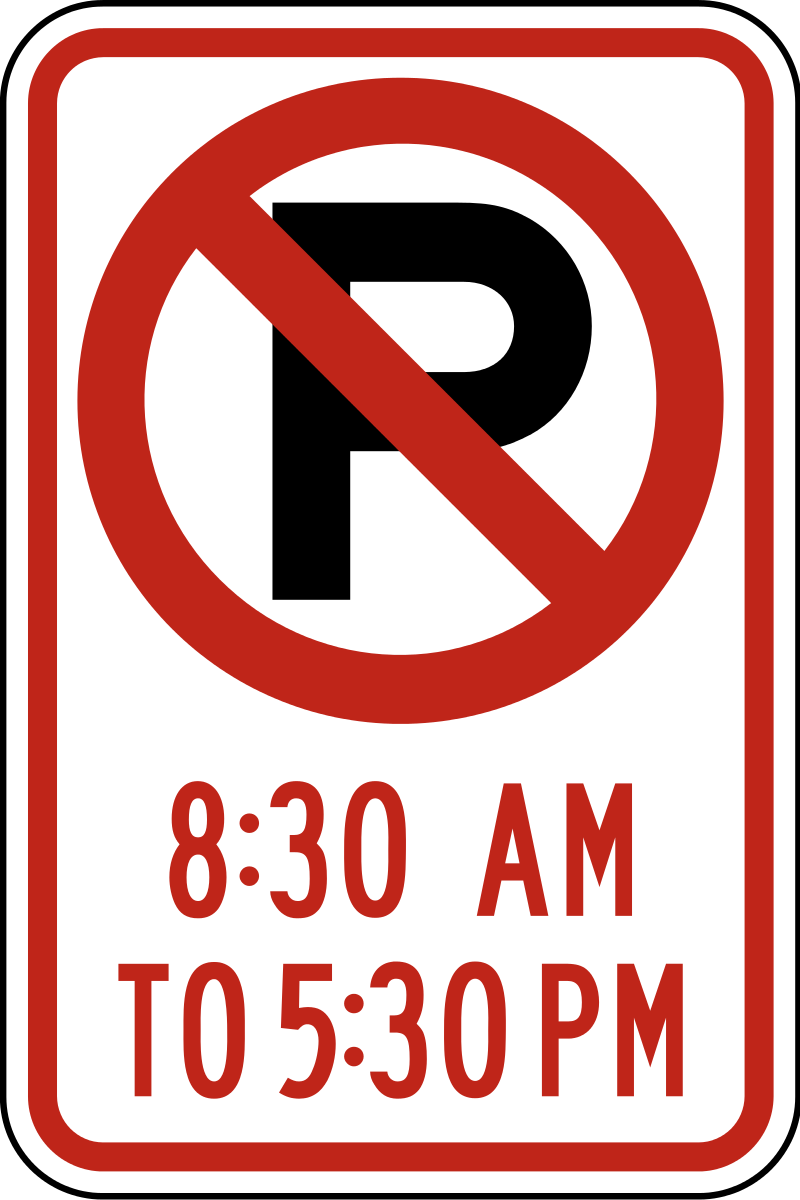 This sign means:
A
You can only park between 8:30 AM and 5:30 PM.
B
Parking is not allowed at 8:30 AM and at 5:30 PM
C
No parking between 8:30 AM and 5:30 PM.
This traffic sign indicates: No parking between 8:30 AM and 5:30 PM. Observing and obeying all roadway signs ensures safe traffic flow and legal driving.
Question 11:
An emergency vehicle that uses lights and a siren can be unpredictable. Why?
A
The driver can legally pass red lights.
B
Emergency vehicles must go faster than the posted speed limit when it is safe to do so.
C
Emergency vehicle drivers are not required to be careful.
When sharing the road with other vehicles: The driver can legally pass red lights. Giving large vehicles and vulnerable users adequate clearance prevents dangerous accidents.
Question 12:
A yellow arrow means:
A
Do not go in the direction of the arrow.
B
If you intend to turn in the direction of the arrow, be prepared to stop.
C
The same as a steady yellow light.
The correct driving rule is: If you intend to turn in the direction of the arrow, be prepared to stop. Following standard DMV road rules and practicing defensive driving ensures safety for all road users.
Question 13:
You can not make a turn at a red light if:
A
you are the driver of a school bus containing pupils.
B
you are in New York City.
C
there is a NO TURN ON RED sign posted.
D
All of the above.
Safe navigation at intersections requires following all established rules: you are the driver of a school bus containing pupils; you are in New York City; there is a NO TURN ON RED sign posted. Always yield right-of-way properly to prevent collisions.
Question 14:
The following symptoms are associated with drowsy driving:
A
You continue to yawn.
B
You don’t remember driving the last few miles.
C
All of the above.
Alcohol and impairing substances degrade all critical driving functions: You continue to yawn; You don’t remember driving the last few miles. Driving while impaired carries severe criminal and safety penalties.
Question 15:
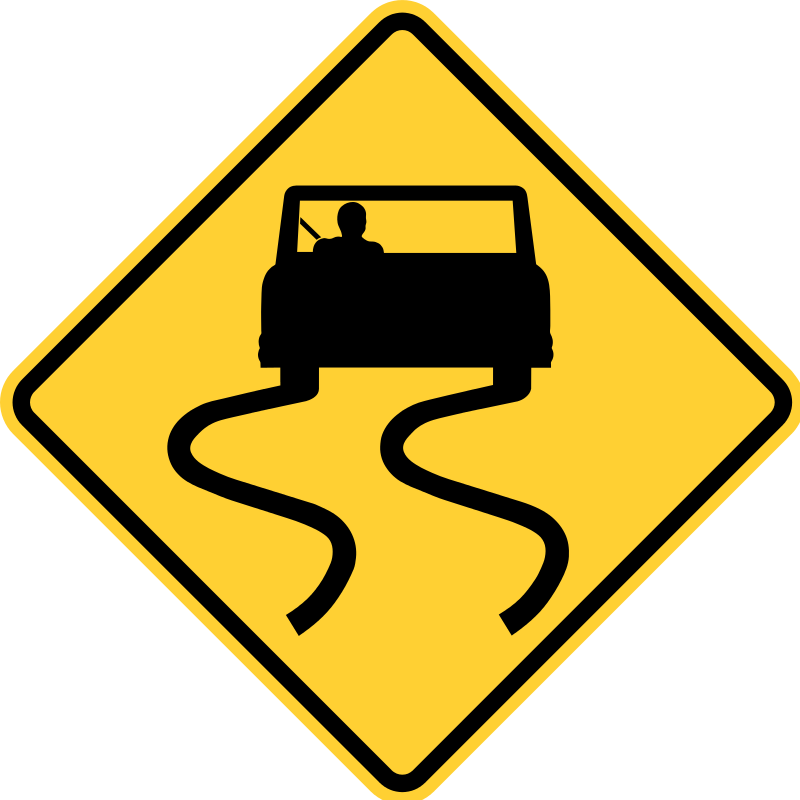 This sign indicates:
A
Warning: drunk drivers.
B
Winding road. Drive with caution.
C
The road may be slippery when wet. Drive slowly.
This traffic sign indicates: The road may be slippery when wet. Drive slowly. Observing and obeying all roadway signs ensures safe traffic flow and legal driving.
Question 16:
Does the New York State law allow drivers to plea bargain to an offense related to alcohol or drugs?
A
Yes, but only if it is your first conviction.
B
No, never.
C
Yes, but only if you are under 21 years of age.
D
Yes, always.
Under state DUI and traffic safety laws: No, never. Alcohol degrades judgment, slows reaction times, and distorts depth perception.
Question 17:
HOV lanes:
A
are reserved for trucks 3,000 pounds or more.
B
are reserved for High Octane Vehicles.
C
promote the most efficient use of limited street and highway capacity.
D
All of the above.
The correct driving rule is: promote the most efficient use of limited street and highway capacity. Following standard DMV road rules and practicing defensive driving ensures safety for all road users.
Question 18:
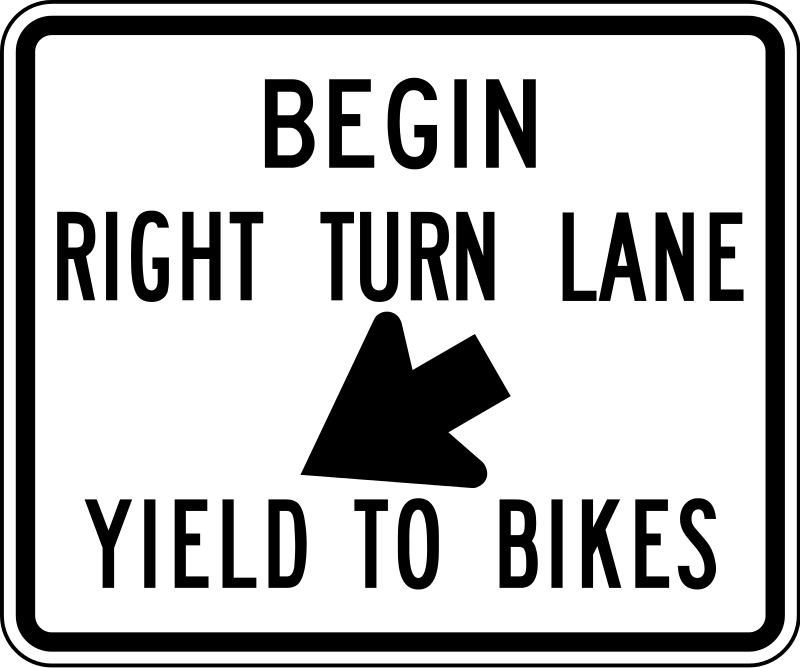 What does this road sign indicate?
A
Drivers have the right of way over bikes turning left.
B
Vehicles turning left must yield to bikes entering a right turn lane.
C
Motor vehicles entering an exclusive right-turn lane must weave across bicycle traffic in bicycle lanes.
This traffic sign indicates: Motor vehicles entering an exclusive right-turn lane must weave across bicycle traffic in bicycle lanes. Observing and obeying all roadway signs ensures safe traffic flow and legal driving.
Question 19:
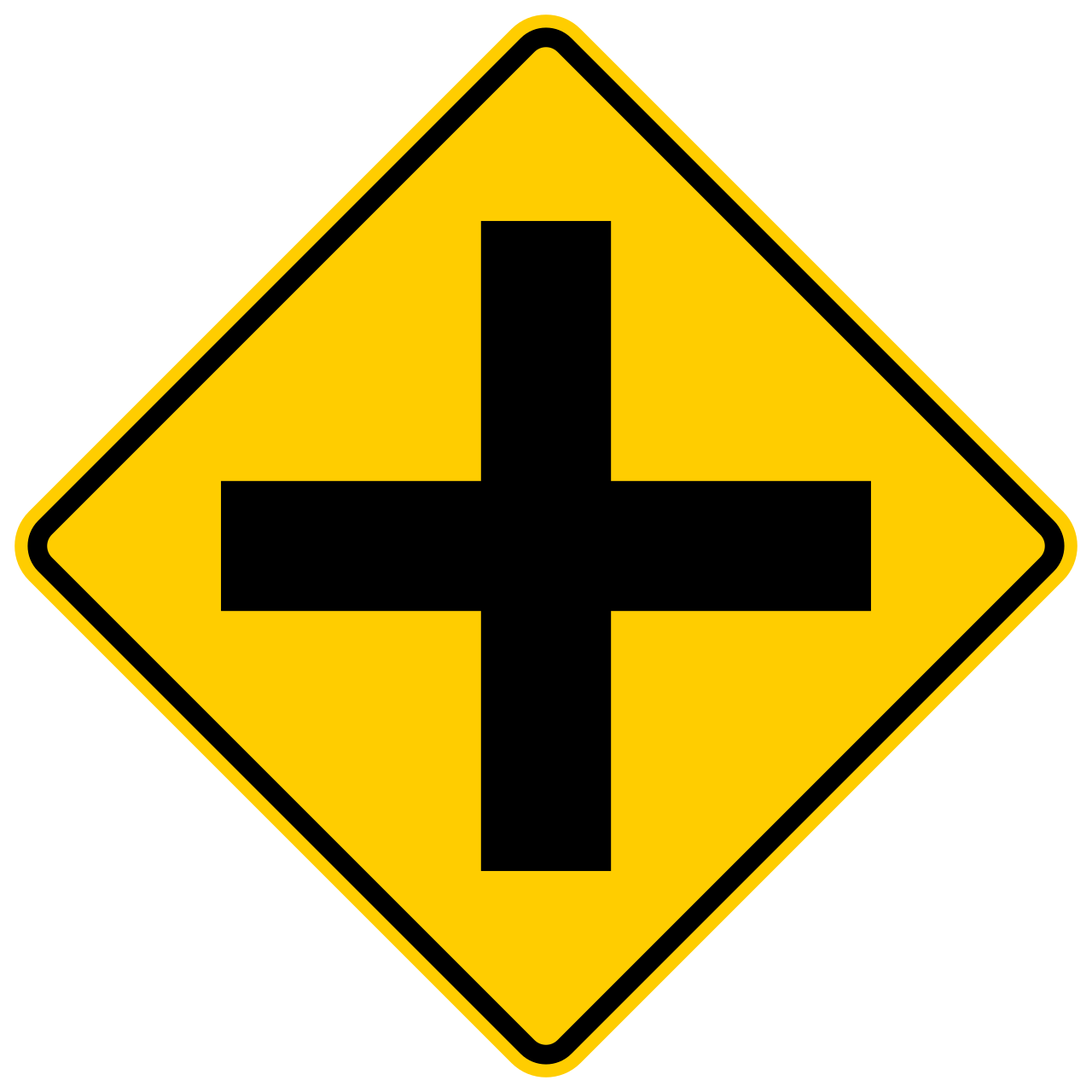 This sign indicates:
A
a side road.
B
a cross road.
C
a church zone ahead.
This traffic sign indicates: a cross road. Observing and obeying all roadway signs ensures safe traffic flow and legal driving.
Question 20:
Two-thirds of all deer-vehicle collisions occur between the months of:
A
January and March.
B
June and August.
C
August and October.
D
October and December.
The correct driving rule is: October and December. Following standard DMV road rules and practicing defensive driving ensures safety for all road users.