Question 1:
What should you do if one of your tires blows out?
A
Hold the steering wheel tight and brake immediately to avoid the risk of skidding.
B
Leave the road immediately.
C
Hold the steering wheel tight and slowly take your foot off the gas pedal.
The correct driving rule is: Hold the steering wheel tight and slowly take your foot off the gas pedal. Following standard DMV road rules and practicing defensive driving ensures safety for all road users.
Question 2:
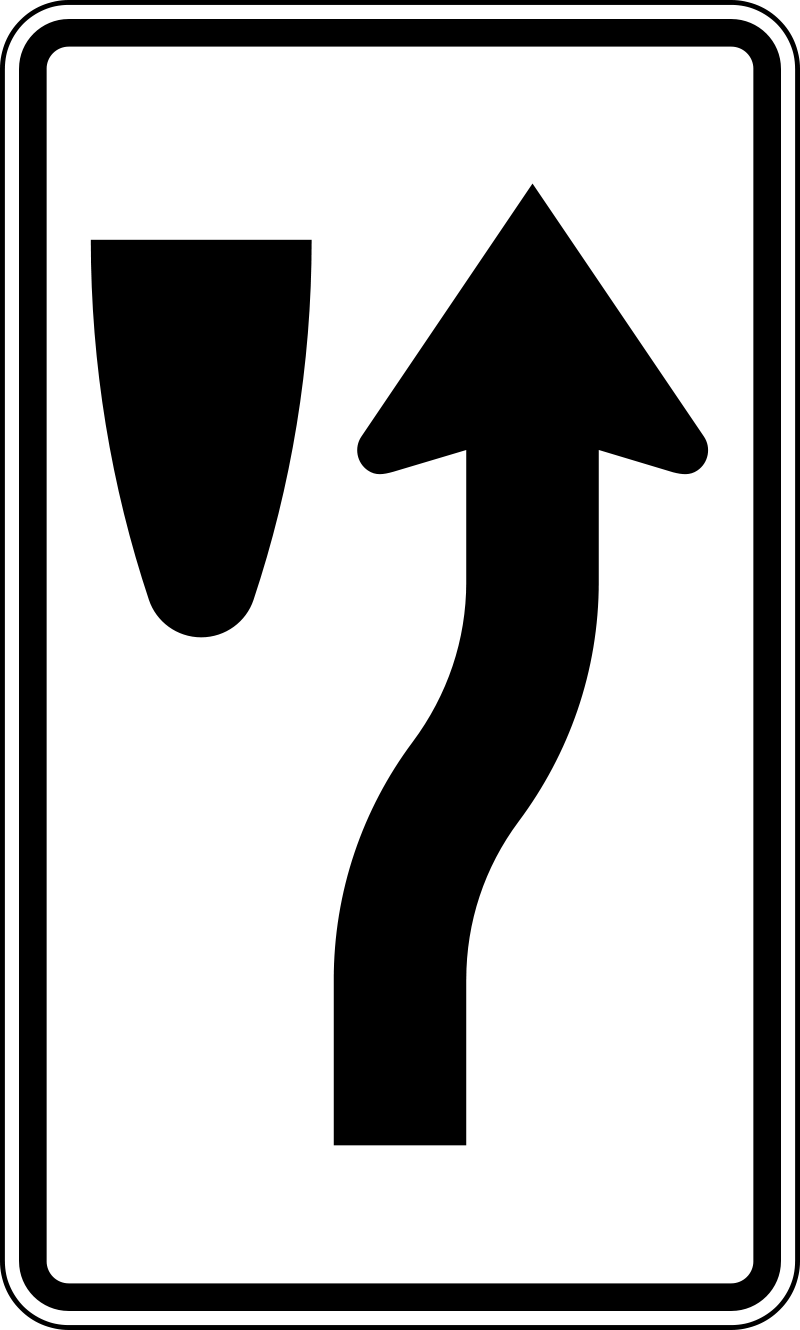 This sign tells drivers that:
A
there is a right turn ahead.
B
they must stay on the right side of the divider
C
a divided highway ends ahead.
This traffic sign indicates: they must stay on the right side of the divider. Observing and obeying all roadway signs ensures safe traffic flow and legal driving.
Question 3:
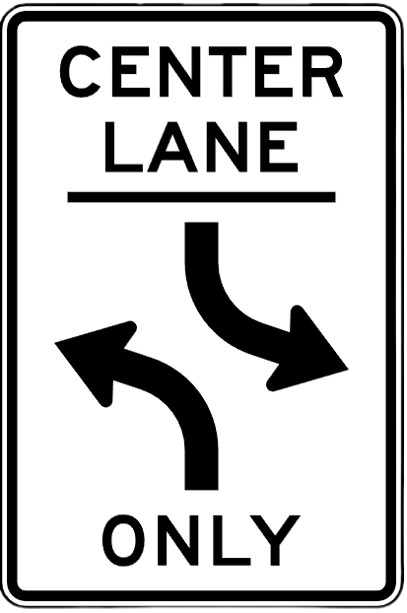 This sign means:
A
The center lane is shared for left turns.
B
Left turns in both directions of travel are not permitted.
C
Vehicles may only turn left.
This traffic sign indicates: The center lane is shared for left turns. Observing and obeying all roadway signs ensures safe traffic flow and legal driving.
Question 4:
Which of the following is NOT true about ABS?
A
It improves the vehicle stability.
B
It helps increase your stopping distance.
C
It improves the steering ability.
The correct driving rule is: it helps increase your stopping distance. Following standard DMV road rules and practicing defensive driving ensures safety for all road users.
Question 5:
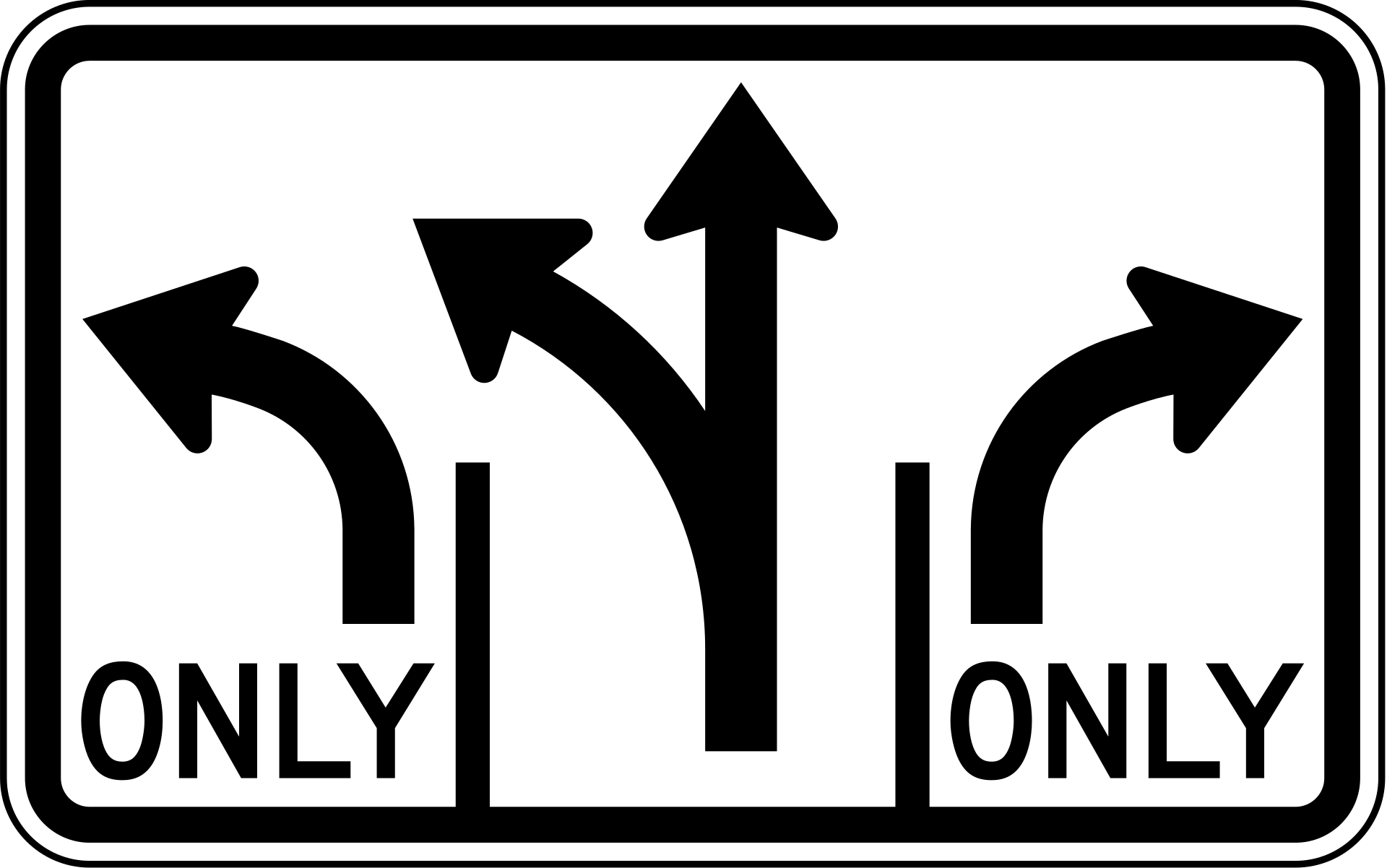 This regulatory sign tells drivers that:
A
traffic in the left lane must turn left at the intersection ahead.
B
all vehicles must turn left immediately.
C
traffic in the right lane must go straight.
This traffic sign indicates: traffic in the left lane must turn left at the intersection ahead. Observing and obeying all roadway signs ensures safe traffic flow and legal driving.
Question 6:
 This road sign means:
A
Yield the right-of-way to oncoming vehicles
B
Stop if necessary
C
You must make a complete stop
D
Slow down or stop
An octagonal Stop sign requires a full and complete stop before the stop line or crosswalk: you must make a complete stop. Proceed only after yielding to all cross traffic and pedestrians.
Question 7:
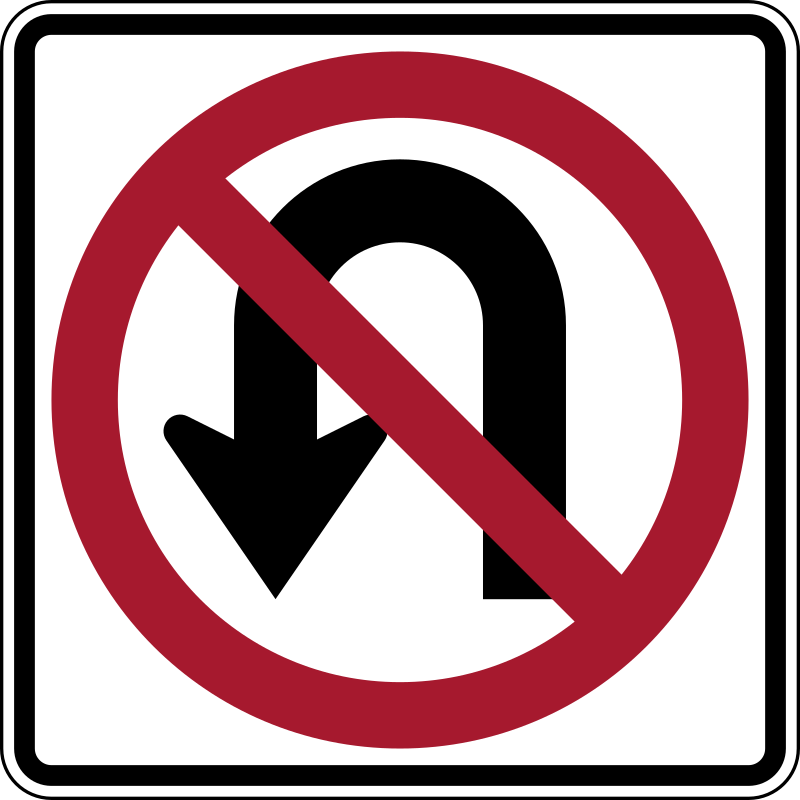 This road sign means:
A
Left turns are not allowed where this sign is displayed.
B
Drivers cannot make a complete turn to go in the opposite direction.
C
Vehicles turning left must make a U-turn.
This traffic sign indicates: drivers cannot make a complete turn to go in the opposite direction. Observing and obeying all roadway signs ensures safe traffic flow and legal driving.
Question 8:
 This road sign warns drivers that:
A
left turns are not allowed at the intersection.
B
the road will make a sharp turn to the right.
C
another road enters the highway from the direction shown.
This traffic sign indicates: another road enters the highway from the direction shown. Observing and obeying all roadway signs ensures safe traffic flow and legal driving.
Question 9:
When driving near light rail vehicles, drivers should:
A
never drive around lowered crossing gates.
B
expect trains on any track at any time.
C
always obey signs and traffic signals.
D
All of the above.
All of the listed points are essential driving requirements: never drive around lowered crossing gates; expect trains on any track at any time; always obey signs and traffic signals. Practicing each ensures compliance with DMV safety laws.
Question 10:
A driver approaching a flashing red traffic signal must:
A
merge to the left.
B
stop before the intersection.
C
carefully drive through the intersection without stopping.
D
slow down at the traffic signal.
This traffic sign indicates: stop before the intersection. Observing and obeying all roadway signs ensures safe traffic flow and legal driving.
Question 11:
You go with a group of friends to a social event, and you plan to have a few drinks. You should:
A
make alcohol the focus of the event.
B
avoid alternating between drinks with alcohol and drinks without any alcohol.
C
arrange to ride home with a friend who does not drink.
The correct driving rule is: arrange to ride home with a friend who does not drink. Following standard DMV road rules and practicing defensive driving ensures safety for all road users.
Question 12:
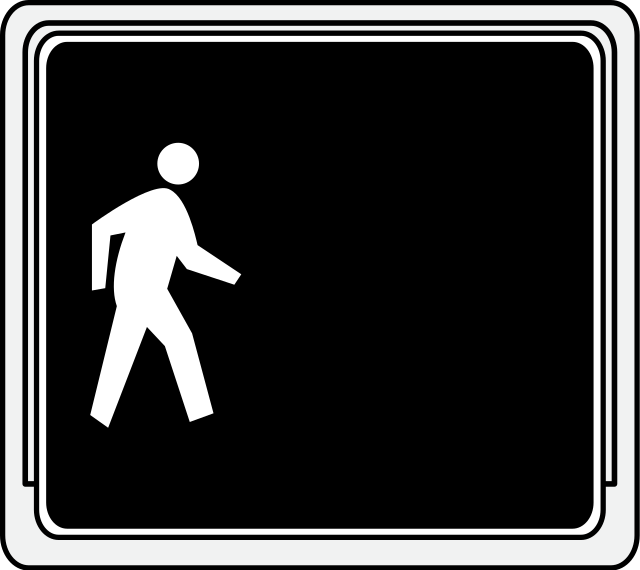 What does the pictured signal indicate?
A
A pedestrian may begin crossing the street.
B
Pedestrians may turn right.
C
A pedestrian may not not begin crossing the street.
State laws require signaling your intention: A pedestrian may begin crossing the street. Signal at least 100 feet before making a turn or changing lanes.
Question 13:
When following a motorcycle, drivers must remember that motorcycles can ____________ than other vehicles.
A
accelerate much faster
B
stop much more quickly
C
stop much more slowly
Motorcycles can stop rapidly and are easily hidden in vehicle blind spots: stop much more quickly. Always allow an increased following distance of at least 3 to 4 seconds.
Question 14:
drive much faster
A
white; black
B
green; white
C
black; white
D
yellow; black
The correct driving rule is: white; black. Following standard DMV road rules and practicing defensive driving ensures safety for all road users.
Question 15:
A flashing yellow light means:
A
The light will soon change from green to red.
B
Drive with caution.
C
Yield the right-of-way to other traffic at the intersection.
According to standard right-of-way regulations: drive with caution. Yielding appropriately prevents intersection collisions and maintains safe traffic flow.
Question 16:
If the entrance lane is too short to allow acceleration to expressway speed, you should:
A
stop and wait for a large space in traffic.
B
enter the expressway and accelerate quickly.
C
reduce your speed to 15 MPH or less and blend with traffic.
For safe speed and stopping control: stop and wait for a large space in traffic. Adjusting speed to match visibility and road traction prevents loss of steering grip.
Question 17:
Aggressive driving behaviors can include:
A
excessive speed
B
excessive following distance.
C
yielding the right-of-way to pedestrians.
D
a tendency to drive slow.
The correct driving rule is: excessive speed. Following standard DMV road rules and practicing defensive driving ensures safety for all road users.
Question 18:
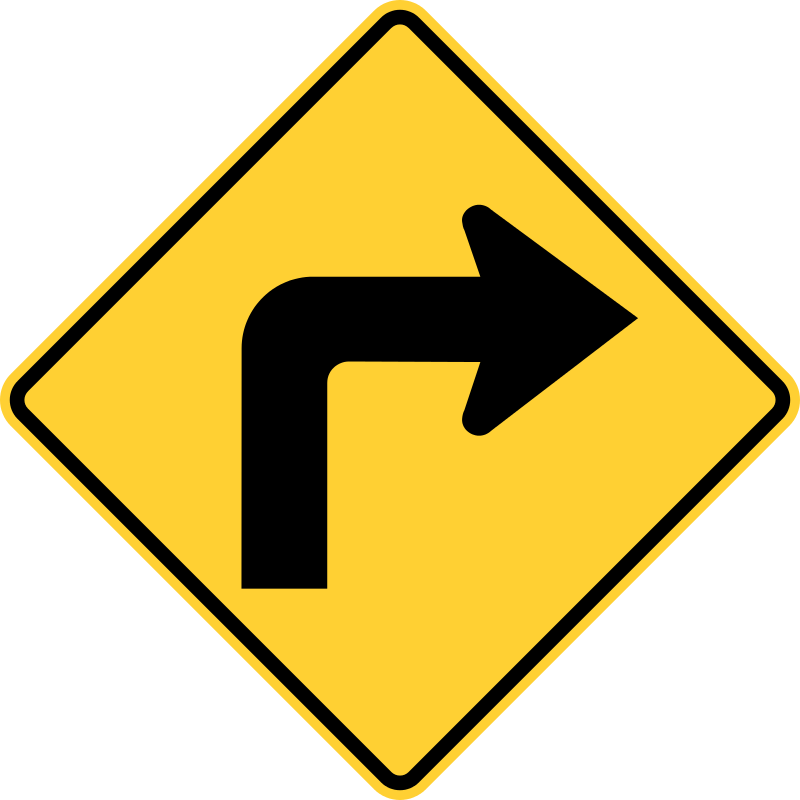 This sign warns drivers of:
A
a side road.
B
a sharp turn.
C
a cross road.
This traffic sign indicates: a sharp turn. Observing and obeying all roadway signs ensures safe traffic flow and legal driving.
Question 19:
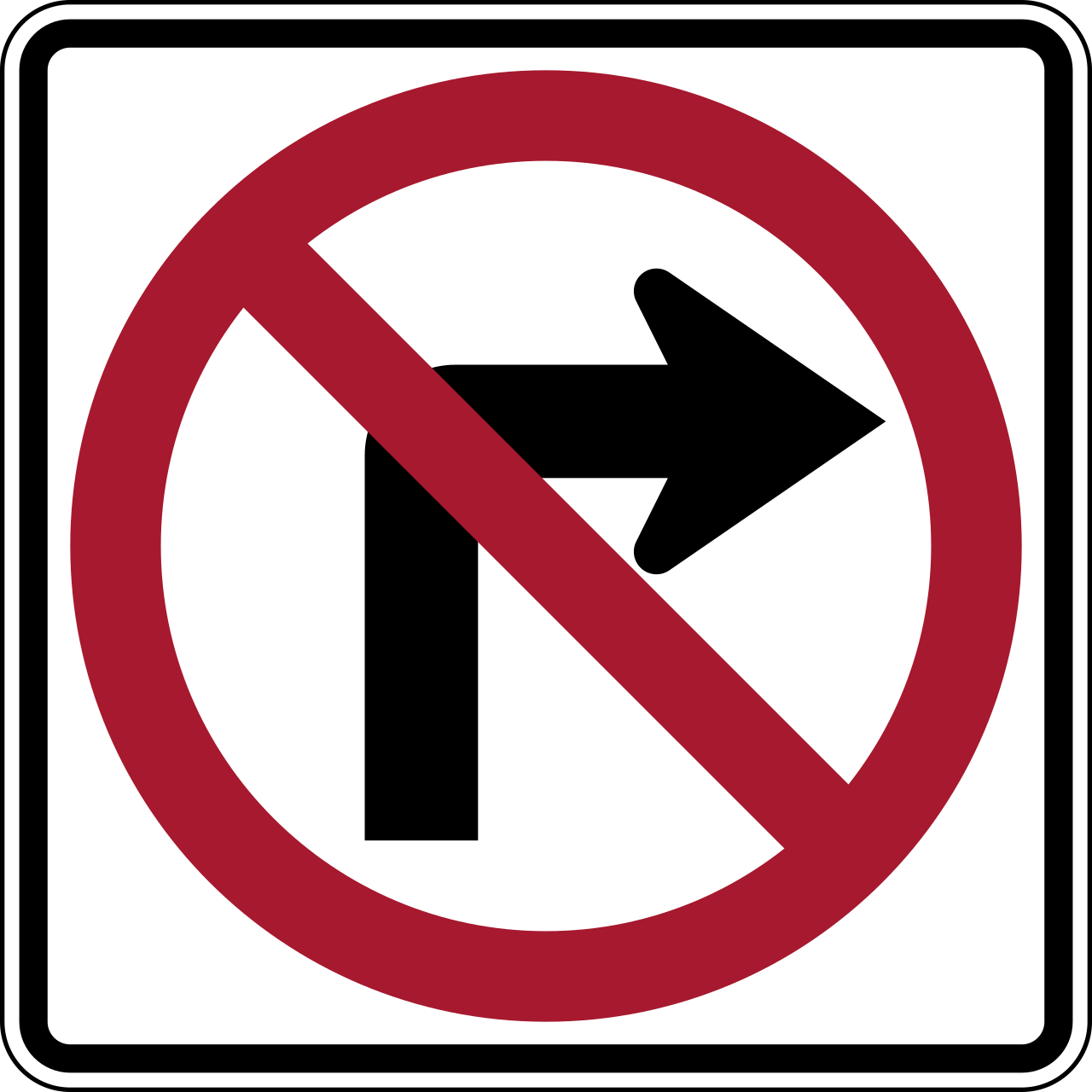 This road sign means:
A
Right turn permitted on red light
B
Drivers must turn right
C
No U-turns
D
No right turn permitted
This traffic sign indicates: No right turn permitted. Observing and obeying all roadway signs ensures safe traffic flow and legal driving.
Question 20:
 This sign warns drivers that:
A
there is a one lane bridge ahead.
B
the right lane ends.
C
the road ahead is narrow.
This traffic sign indicates: the right lane ends. Observing and obeying all roadway signs ensures safe traffic flow and legal driving.
Question 21:
Anything that requires you to _______ could cause you to crash.
A
take your hands off the wheel
B
take your attention away from driving
C
take your eyes off the road
D
All of the above.
All of the listed points are essential driving requirements: take your hands off the wheel; take your attention away from driving; take your eyes off the road. Practicing each ensures compliance with DMV safety laws.
Question 22:
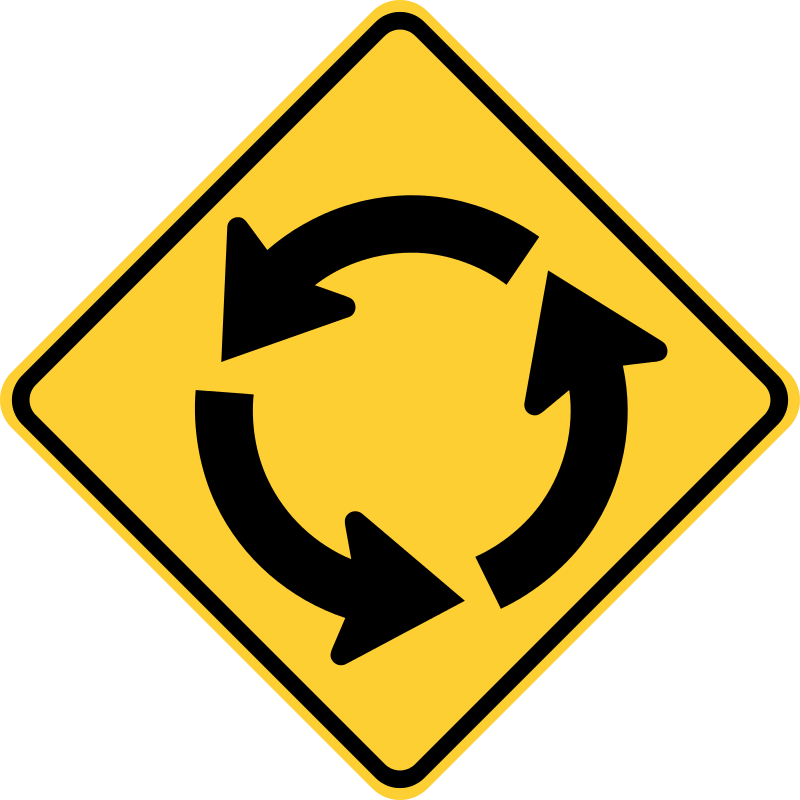 This road sign:
A
warns drivers of a sharp turn left. Drivers should slow their speed and keep to the left.
B
provides an advance notice of a roundabout.
C
warns drivers that U-turns are not permitted.
D
is a no-right-turns sign.
This traffic sign indicates: provides an advance notice of a roundabout. Observing and obeying all roadway signs ensures safe traffic flow and legal driving.
Question 23:
Drivers should be aware that a motorcyclist may:
A
decrease speed and rise off the seat when approaching a railroad crossing.
B
quickly change speed or lane position.
C
All of the above.
All of the listed points are essential driving requirements: decrease speed and rise off the seat when approaching a railroad crossing; quickly change speed or lane position. Practicing each ensures compliance with DMV safety laws.
Question 24:
Which shape is a railroad advance warning sign?
A
Crossbuck
B
Round
C
Pentagon
Circular signs with an 'X' and 'RR' designate a Railroad Advance Warning: Round. Drivers must slow down, look both ways, listen for trains, and be prepared to stop.
Question 25:
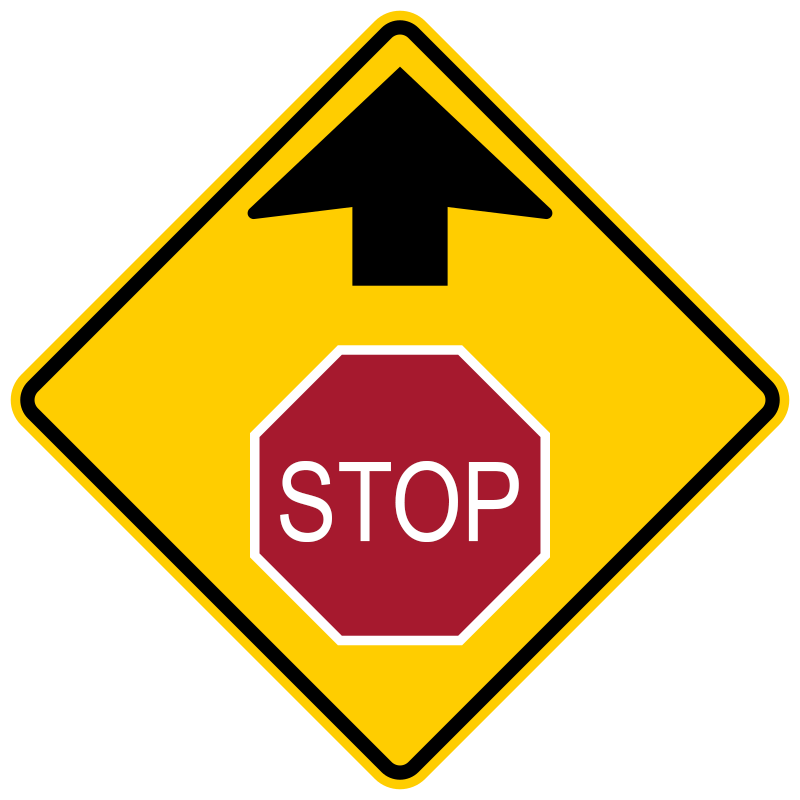 When drivers come to this sign, they must:
A
be ready to stop at the stop sign.
B
warn other drivers that a stop sign is ahead.
C
brake sharply and come to a complete stop.
This traffic sign indicates: be ready to stop at the stop sign. Observing and obeying all roadway signs ensures safe traffic flow and legal driving.
Question 26:
 This sign means:
A
Not enter
B
Detour to the right
C
The road to the right is for one-way traffic only
This traffic sign indicates: Detour to the right. Observing and obeying all roadway signs ensures safe traffic flow and legal driving.
Question 27:
This sign warns drivers that:
A
the road will make a sharp turn to the right.
B
right turns are not allowed.
C
another road enters the highway from the direction shown.
This traffic sign indicates: the road will make a sharp turn to the right. Observing and obeying all roadway signs ensures safe traffic flow and legal driving.
Question 28:
Drivers often fail to see a motorcycle headed toward them. Why?
A
It is difficult to judge a motorcycle's speed.
B
Motorcycles are hard to see.
C
All of the above.
Sharing the road safely requires mutual awareness and respect: It is difficult to judge a motorcycle's speed; Motorcycles are hard to see. Maintaining safe space cushions protects all roadway users.
Question 29:
What should you do as you prepare to turn right at an intersection?
A
Honk your horn.
B
Yield to bicyclists coming from the opposite direction.
C
Signal your turn, check for bicyclists, and do not turn directly in front of a bicyclist.
According to standard right-of-way regulations: signal your turn, check for bicyclists, and do not turn directly in front of a bicyclist. Yielding appropriately prevents intersection collisions and maintains safe traffic flow.
Question 30:
A driver who approaches an intersection:
A
must yield the right-of-way to traffic already in the intersection.
B
must drive straight through the intersection, even if another vehicle is already in the intersection.
C
has the right-of-way over traffic already in the intersection.
According to standard right-of-way regulations: must yield the right-of-way to traffic already in the intersection. Yielding appropriately prevents intersection collisions and maintains safe traffic flow.
Question 31:
Which of the following does NOT affect the distance that it takes to stop your vehicle?
A
Perception time.
B
Braking distance.
C
Reaction distance.
D
Steering ability.
The correct driving rule is: Steering ability. Following standard DMV road rules and practicing defensive driving ensures safety for all road users.
Question 32:
As you approach an intersection, the traffic light changes from green to yellow. You should:
A
apply the brakes sharply and come to a complete stop.
B
be prepared to stop before the intersection.
C
be prepared to stop in the middle of the intersection.
D
speed up to beat the red light.
According to standard right-of-way regulations: be prepared to stop before the intersection. Yielding appropriately prevents intersection collisions and maintains safe traffic flow.
Question 33:
What is the meaning of blue traffic signs?
A
A blue background indicates a regulatory sign.
B
They give directional information.
C
Blue indicates road user services.
The correct driving rule is: Blue indicates road user services. Following standard DMV road rules and practicing defensive driving ensures safety for all road users.
Question 34:
Which of the following must you obey over the others?
A
Red light
B
Stop sign
C
Police officer
The correct driving rule is: Police officer. Following standard DMV road rules and practicing defensive driving ensures safety for all road users.
Question 35:
In New Jersey, drivers under 21 years of age are considered under the influence (DUI) when their BAC is:
A
0.1
B
0.01
C
0.05
D
All of the above.
Alcohol and impairing substances degrade all critical driving functions: 0.1; 0.01; 0.05. Driving while impaired carries severe criminal and safety penalties.
Question 36:
 This is the shape and color of a ________ sign.
A
yield
B
stop
C
do not enter
The correct driving rule is: yield. Following standard DMV road rules and practicing defensive driving ensures safety for all road users.
Question 37:
Double solid yellow lines mean:
A
the lane to the right may pass.
B
passing is not permitted in either direction.
C
the lane to the left may pass.
D
passing is permitted in either direction.
The correct driving rule is: passing is not permitted in either direction. Following standard DMV road rules and practicing defensive driving ensures safety for all road users.
Question 38:
When meeting a car with blinding headlights, you should:
A
look toward the right side of the road.
B
dim your lights, then speed up and pass quickly.
C
use your emergency flashers to warn the other driver.
D
look toward the left side of the road.
The correct driving rule is: look toward the right side of the road. Following standard DMV road rules and practicing defensive driving ensures safety for all road users.
Question 39:
When a ‘Road Closed’ sign is displayed, drivers must:
A
make a U-turn.
B
look for a detour or another route.
C
come to a complete stop and wait for the lights to turn green.
The correct driving rule is: look for a detour or another route. Following standard DMV road rules and practicing defensive driving ensures safety for all road users.
Question 40:
Which of the following drugs could affect your ability to drive?
A
A cold remedy.
B
Marijuana.
C
All of the above.
Alcohol and impairing substances degrade all critical driving functions: A cold remedy; Marijuana. Driving while impaired carries severe criminal and safety penalties.
Question 41:
Alcohol:
A
makes drivers more prone to take chances.
B
increases reaction time.
C
All of the above.
Alcohol and impairing substances degrade all critical driving functions: makes drivers more prone to take chances; increases reaction time. Driving while impaired carries severe criminal and safety penalties.
Question 42:
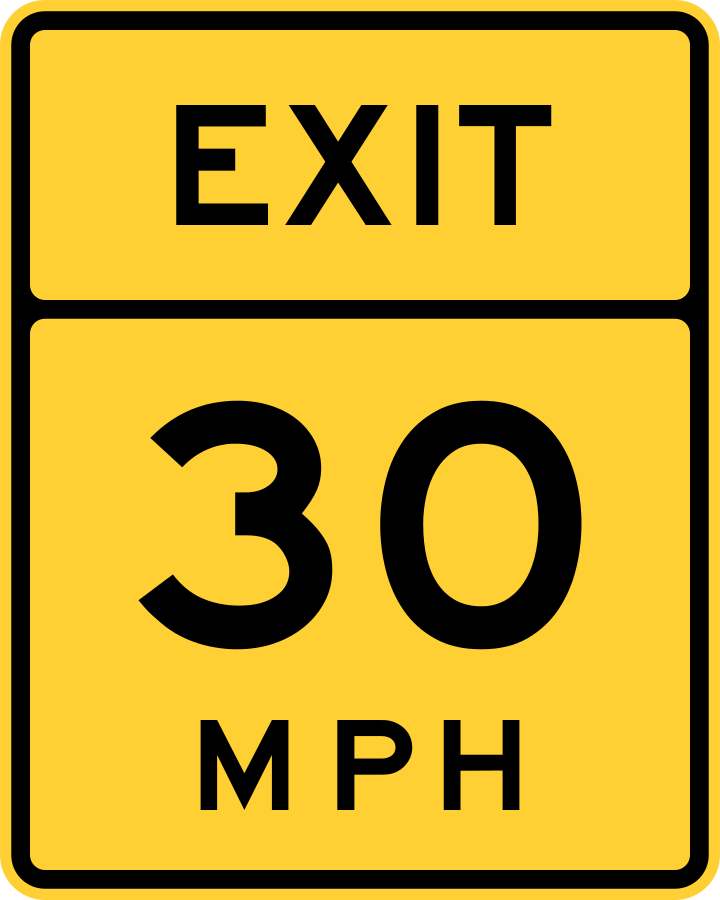 The sign in the picture:
A
shows the highest speed drivers can travel at the exit of the intersection.
B
is used to advise motorists of the appropriate ramp speed at the highway exit point.
C
indicates the minimum ramp speed at the highway exit point.
The correct driving rule is: is used to advise motorists of the appropriate ramp speed at the highway exit point. Following standard DMV road rules and practicing defensive driving ensures safety for all road users.
Question 43:
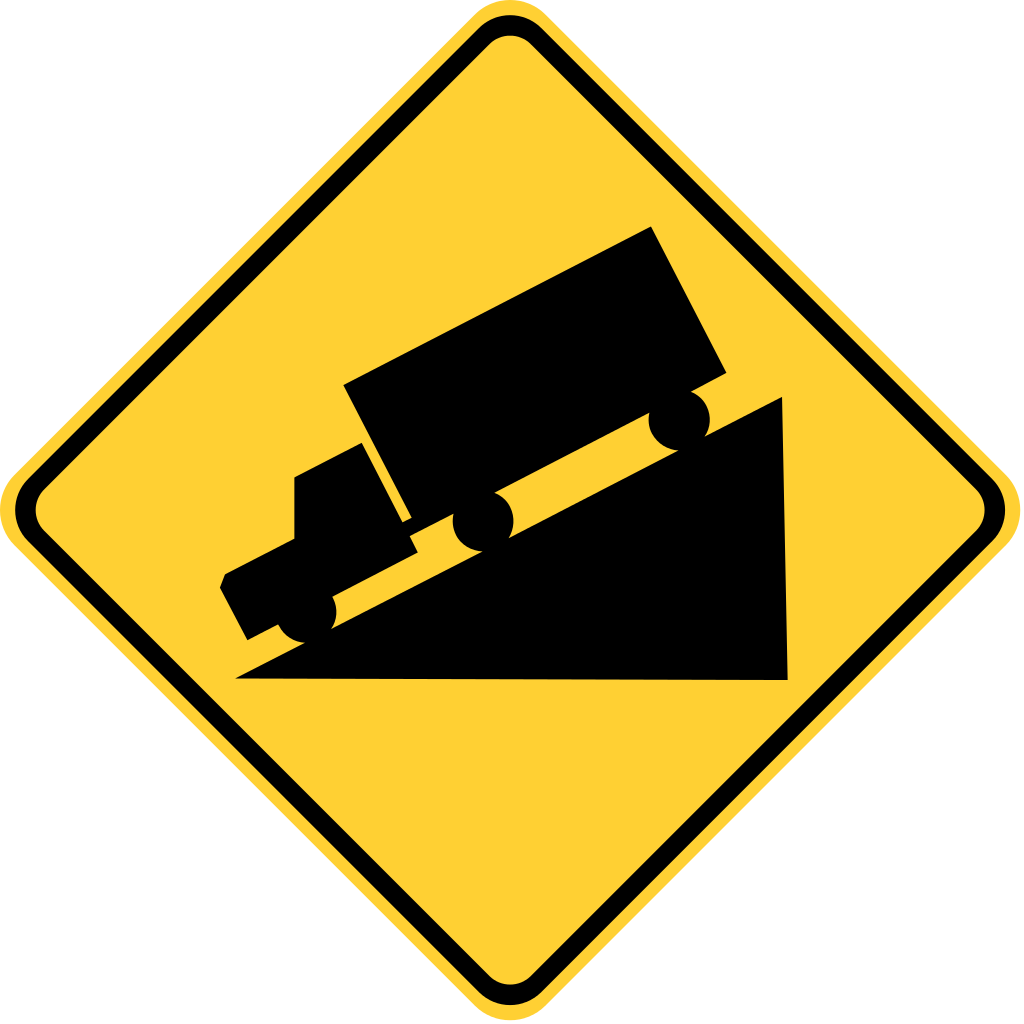 This road sign means:
A
Truck stop ahead
B
No trucks allowed
C
Hill or downgrade up ahead
This traffic sign indicates: Hill or downgrade up ahead. Observing and obeying all roadway signs ensures safe traffic flow and legal driving.
Question 44:
When you make a left turn from a one-way road into a one-way road, if the road you enter has two lanes, you:
A
must turn into its right lane.
B
can not turn left.
C
must turn into its left lane.
The correct driving rule is: must turn into its left lane. Following standard DMV road rules and practicing defensive driving ensures safety for all road users.
Question 45:
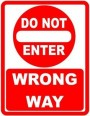 This road sign means:
A
U-turns are prohibited
B
You may proceed only if the way is clear
C
You are about to enter a one-way street the wrong way
D
Do not pass
This traffic sign indicates: you are about to enter a one-way street the wrong way. Observing and obeying all roadway signs ensures safe traffic flow and legal driving.
Question 46:
If you drink alcohol socially, what helps insure safe driving?
A
Stop drinking one hour before driving.
B
Drink coffee before driving.
C
Take a cold shower before driving.
D
Ride home with a friend who has not been drinking.
Under state DUI and traffic safety laws: Ride home with a friend who has not been drinking. Alcohol degrades judgment, slows reaction times, and distorts depth perception.
Question 47:
Who has a greater risk of being involved in a traffic crash?
A
Drivers who are driving alone.
B
Young people.
C
All of the above.
All of the listed points are essential driving requirements: Drivers who are driving alone; Young people. Practicing each ensures compliance with DMV safety laws.
Question 48:
What type of pavement marking shows you which lane you must use for a turn?
A
Edge line
B
Diamond
C
Crosswalk Lines
D
Arrows
This traffic sign indicates: Arrows. Observing and obeying all roadway signs ensures safe traffic flow and legal driving.
Question 49:
If an approaching driver does not dim the headlights, you should:
A
move your eyes to the left to help avoid the glare of approaching high beams.
B
move your eyes to the right and avoid looking directly at the bright lights.
C
flash your headlights to low beam for a second, then return to high beam.
The correct driving rule is: move your eyes to the right and avoid looking directly at the bright lights. Following standard DMV road rules and practicing defensive driving ensures safety for all road users.
Question 50:
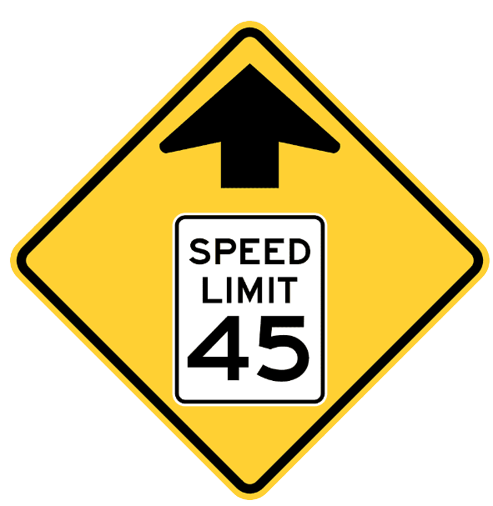 This warning sign:
A
provides advance notice to upcoming speed limit change.
B
shows the current speed limit that all vehicles traveling in the direction of the arrow must not exceed.
C
indicates the suggested highest safe speed.
This traffic sign indicates: provides advance notice to upcoming speed limit change. Observing and obeying all roadway signs ensures safe traffic flow and legal driving.