Question 1:
More than one vehicle is approaching a four-way stop sign. Who has the right of way?
A
The first driver to reach the intersection and stop.
B
The driver on the left.
C
The last driver to reach the intersection.
No explanation available.
Question 2:
Braking distance is affected by:
A
the condition of your brakes and tires.
B
pavement conditions.
C
the speed your vehicle is traveling.
D
All of the above.
No explanation available.
Question 3:
Before turning, you should:
A
increase your speed.
B
sound your horn to alert the other drivers.
C
give the proper turn signal.
D
change lanes.
No explanation available.
Question 4:
Before crossing any railroad tracks, you must:
A
look and listen for trains.
B
make sure there is room for your vehicle on the other side.
C
All of the above.
No explanation available.
Question 5:
 What should drivers do when they see this road sign?
A
come to a complete stop and wait for a train to cross.
B
slow down, look for a train, and be prepared to stop.
C
look for a human flagger.
No explanation available.
Question 6:
 This sign means:
A
Reversible lane ahead.
B
The divided highway ends ahead.
C
Drivers are coming to a point where another traffic lane joins the one they are on.
No explanation available.
Question 7:
A 5 oz. glass of wine contains the same amount of alcohol as:
A
one 12 oz. can of beer.
B
a 6-pack of beer.
C
one pint of wine.
D
a gallon of wine.
No explanation available.
Question 8:
When you prepare to make a left turn from a one-way road into a one-way road, you must:
A
move into the right lane, or to the left side of a single lane.
B
move into the right lane, or to the right side of a single lane.
C
move into the left lane, or to the left side of a single lane.
No explanation available.
Question 9:
 This sign warns drivers that:
A
they cannot go straight ahead.
B
they will soon be facing oncoming traffic.
C
a shared lane starts ahead.
No explanation available.
Question 10:
 This sign means:
A
Narrow bridge ahead. Slow down and drive with caution.
B
Do not to enter if your vehicle is taller than the height listed on the sign.
C
No passing zone ahead.
No explanation available.
Question 11:
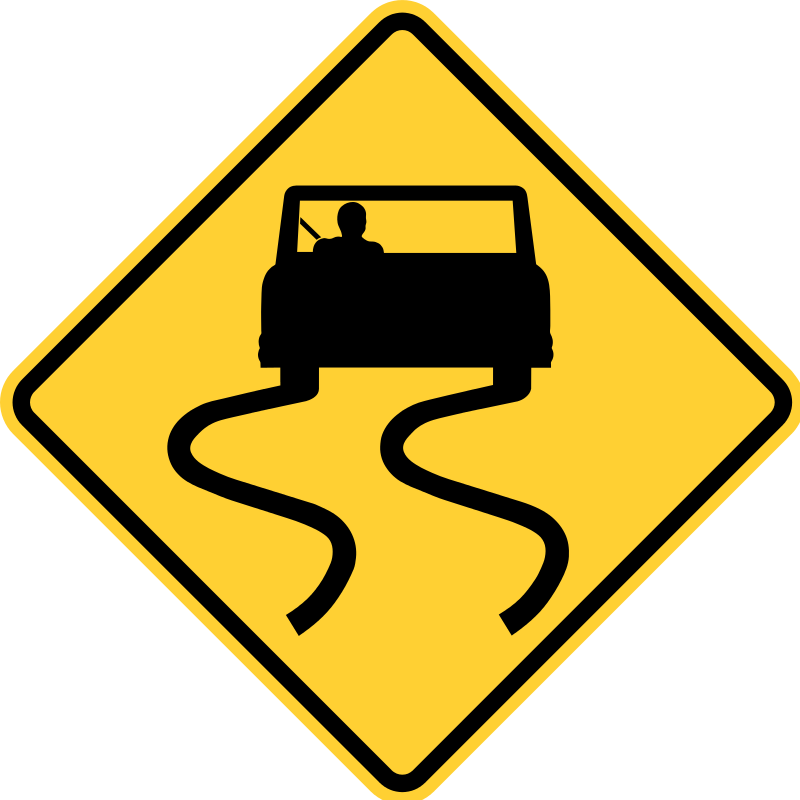 This road sign means:
A
Winding road
B
Side road ahead
C
Slippery when wet
No explanation available.
Question 12:
The traffic light is green and you want to drive straight through an intersection. If a car is already in the intersection and is making a turn, you must:
A
enter the intersection and then stop.
B
drive through the intersection. You have the right-of-way.
C
let that car complete its turn before you enter the intersection.
No explanation available.
Question 13:
What should you do if your rear wheels start to skid?
A
Steer left if your rear wheels slide right.
B
If the vehicle has ABS, pump the pedal carefully.
C
Turn the steering wheel in the direction the vehicle is trying to go.
No explanation available.
Question 14:
When driving on a wet road:
A
as you drive faster, your tires may lose traction.
B
you must be aware that the pavement gets even more slippery when it's been raining for long periods of time.
C
you should follow the vehicle ahead of you more closely.
D
as you decrease your speed, the road becomes more slippery.
No explanation available.
Question 15:
If traffic on the other side of an intersection is backed up and you cannot get completely through, you must:
A
enter the intersection and try to avoid blocking it.
B
enter the intersection and proceed with caution.
C
wait until traffic ahead is clear.
No explanation available.
Question 16:
If another vehicle is approaching you head-on in your lane, you should _______, sound your horn and brake.
A
steer right
B
None of the other answers is correct.
C
steer left
D
stay in the center of your lane
No explanation available.
Question 17:
Your blind spot is the area of the road:
A
you see in your rearview mirror.
B
directly behind your vehicle.
C
you cannot see without moving your head.
D
you see in your side mirror.
No explanation available.
Question 18:
The first sign drivers see when approaching a highway-rail intersection is usually:
A
a crossbuck sign.
B
an advance warning sign.
C
a speed limit sign.
No explanation available.
Question 19:
 This road sign warns drivers that:
A
the road surface ahead changes to a low-type surface or earth road.
B
vehicles must leave the pavement immediately.
C
the dirt on the side of the road is soft.
No explanation available.
Question 20:
When driving, it is important to keep a space cushion _______ of your vehicle.
A
only on the left and right side
B
only in back
C
on all sides
D
only in front
No explanation available.
Question 21:
___________ normally are white rectangles with black letters or symbols.
A
Warning signs
B
Destination signs (guide signs)
C
Regulation signs (regulatory signs)
No explanation available.
Question 22:
 Vertical rectangles tell drivers:
A
the law.
B
what is not allowed.
C
the direction they should travel.
No explanation available.
Question 23:
In case of skidding, drivers should NOT:
A
take their foot off the gas pedal.
B
pump the brakes gently if they are about to hit something.
C
tap the gas pedal with their foot.
No explanation available.
Question 24:
When changing lanes, you should:
A
check your mirrors, signal and change lanes.
B
signal, change lanes and check your mirrors.
C
signal, check your mirrors and blind spot in the direction you plan to move, then change lanes.
D
signal and change lanes.
No explanation available.
Question 25:
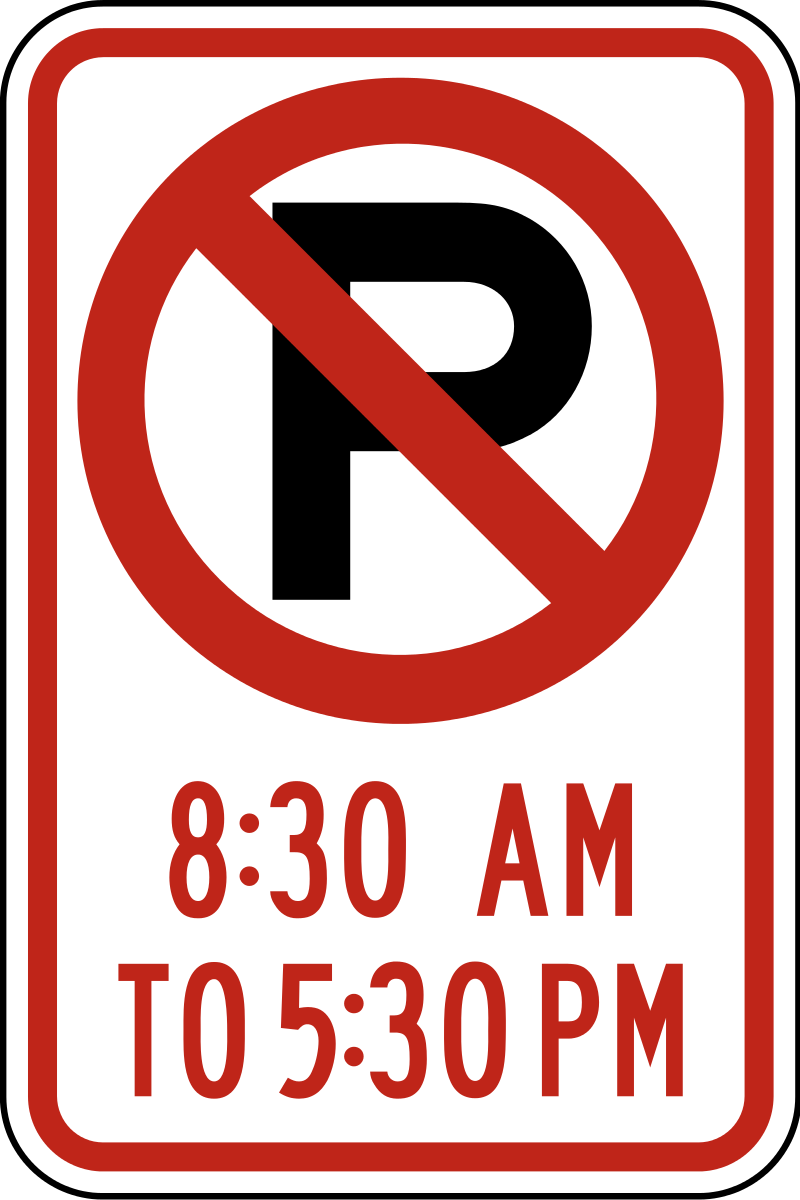 It's 10 AM. This sign tells you that:
A
you are allowed to park until 5:30 PM.
B
you must display a special permit in order to park here.
C
you are not allowed to park here.
No explanation available.
Question 26:
A driver cuts off another vehicle, or threatens another motorist or a pedestrian. These are examples of:
A
excessive driving
B
road rage
C
defensive driving
No explanation available.
Question 27:
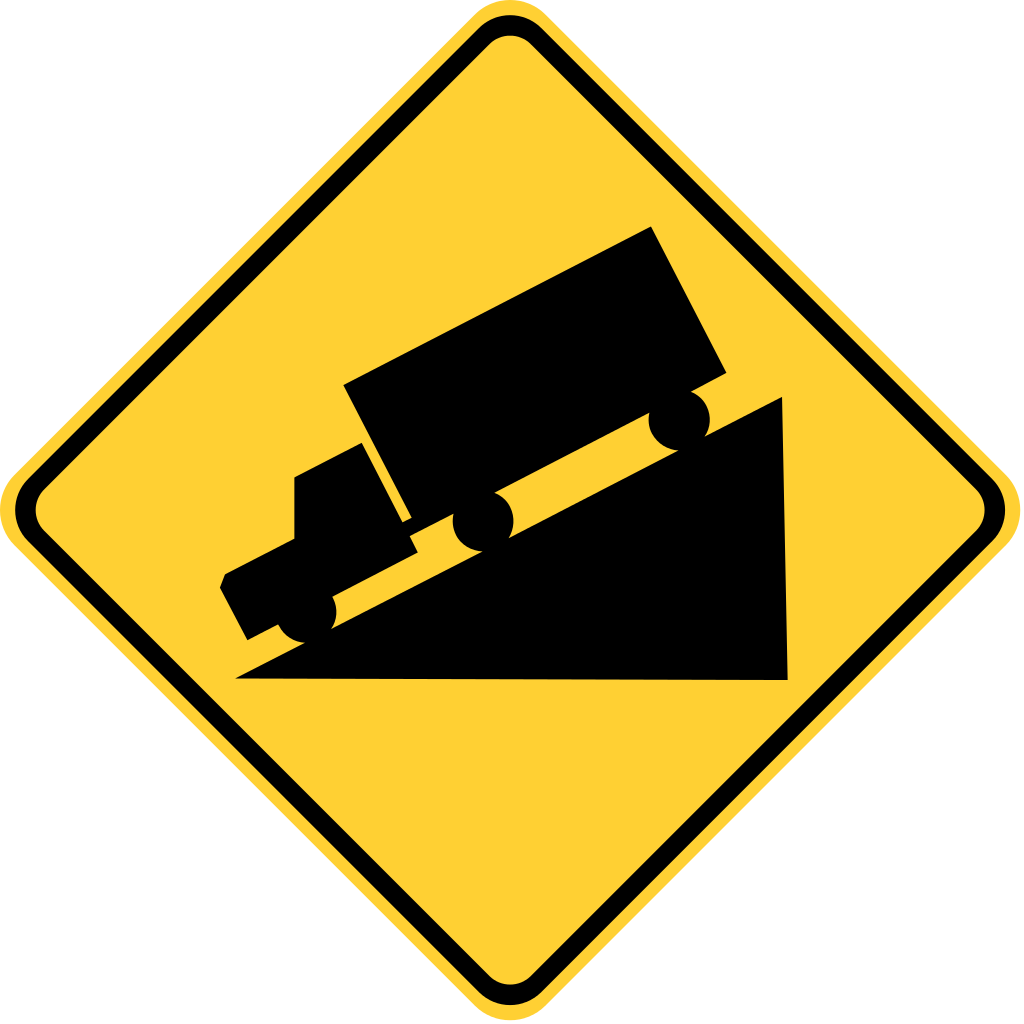 This traffic sign warns you about:
A
merging traffic.
B
a hill or a downgrade up ahead on the road.
C
an intersection ahead.
D
a winding road.
No explanation available.
Question 28:
When you drive near parks and playgrounds, you should expect children:
A
not to cross unless they are with an adult.
B
to know when it is safe to cross.
C
to stop at the curb before crossing the street.
D
to suddenly run into the street.
No explanation available.
Question 29:
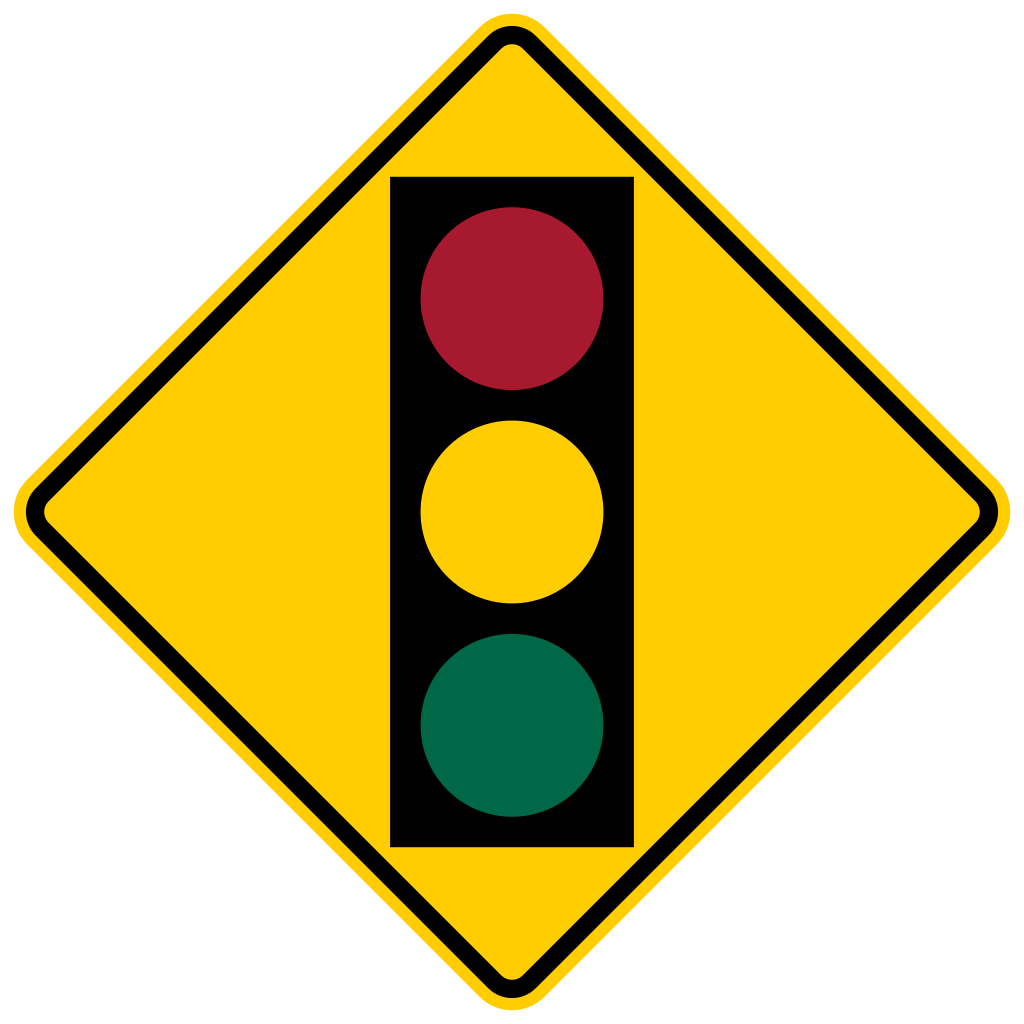 This sign means:
A
You must yield the right-of-way ahead
B
Traffic signals ahead
C
You must stop ahead
D
Speeding is not allowed
No explanation available.
Question 30:
If a vehicle using high beams comes toward you, look towards __________ of the road.
A
either side
B
the center
C
the right side
D
the left side
No explanation available.
Question 31:
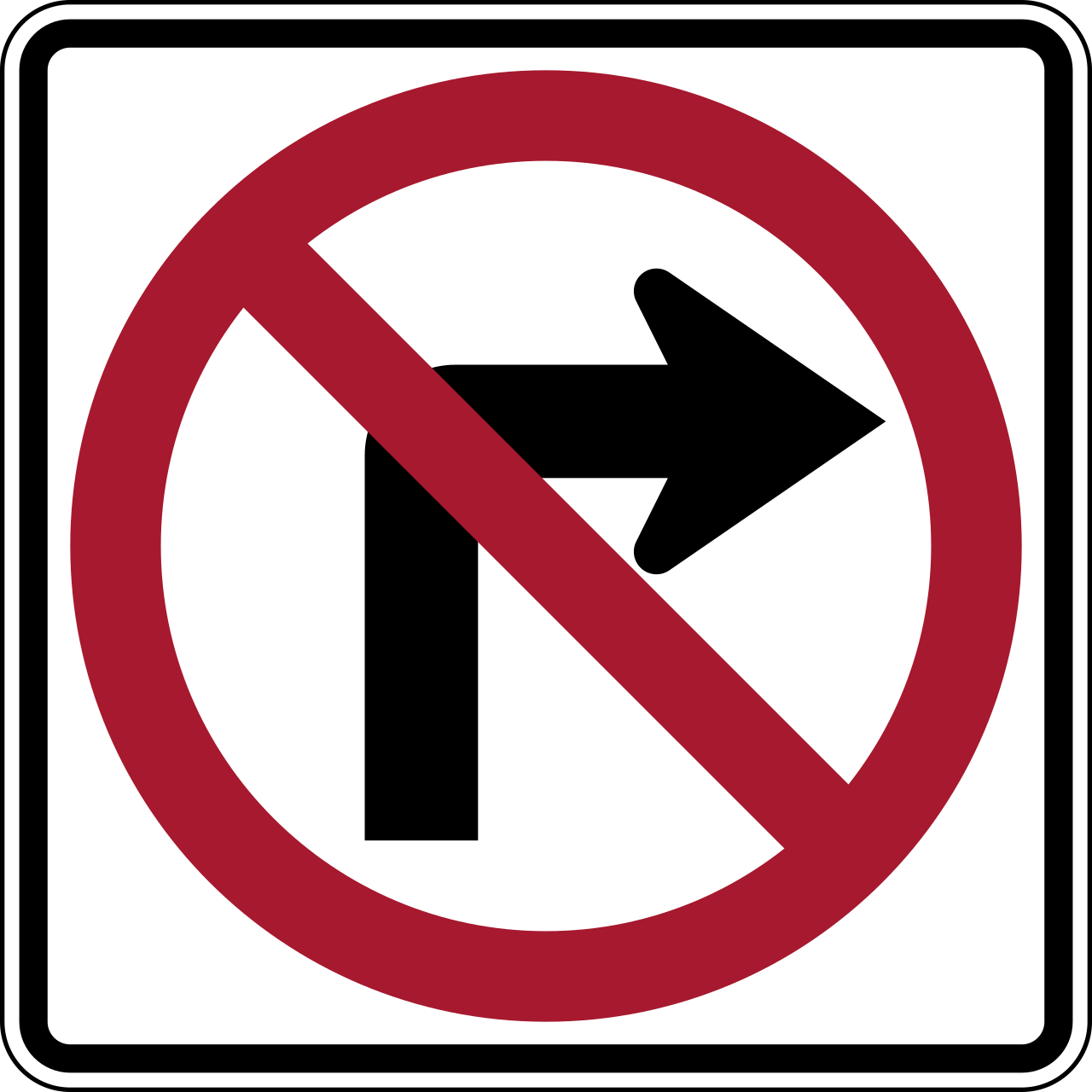 This road sign means:
A
No left turn
B
No right turn
C
No U-turns
No explanation available.
Question 32:
This road sign means:
A
Merging traffic
B
Steep grade ahead
C
Intersection ahead
No explanation available.
Question 33:
 This road sign means:
A
Merging traffic from the right
B
Sharp curves ahead
C
Intersection ahead
No explanation available.
Question 34:
Your brake lights tell other drivers that you:
A
are changing lanes.
B
are slowing down or stopping.
C
are making a turn.
D
have your emergency brake on.
No explanation available.
Question 35:
Roads are most slippery:
A
just before it rains.
B
when it stops raining.
C
when it first starts to rain.
No explanation available.
Question 36:
 This road sign means:
A
A road joins from the left
B
The road ahead turns sharply right then sharply left
C
Sharp right turn
D
Winding road ahead
No explanation available.
Question 37:
When you are in a line of traffic that is crossing a railroad track that has no signals or gates:
A
you may pass slower drivers crossing the track.
B
before you start to cross, you need to make sure there is space to get all the way across the tracks without stopping.
C
you have the right of way and do not need to check for trains.
D
All of the above.
No explanation available.
Question 38:
 This sign is a:
A
regulatory sign.
B
warning sign.
C
guide sign.
No explanation available.
Question 39:
Vehicle stopping distance never depends on:
A
the condition of your vehicle's brakes.
B
your own reaction time.
C
the time of day.
D
the condition and type of vehicle tires.
No explanation available.
Question 40:
This sign warns drivers that:
A
the highway ahead is divided into two one-way roadways. Drivers should keep to the right.
B
there is a winding road ahead.
C
there is a double curve ahead.
No explanation available.
Question 41:
Gauging the speed of a motorcycle may be difficult because:
A
motorcycles take up less of your field of vision.
B
motorcycles often slow down by downshifting.
C
many motorcyclists do not activate the brake light.
No explanation available.
Question 42:
BAC is expressed in:
A
percentage of alcohol to blood.
B
percentage of blood to alcohol.
C
ounces of alcohol in your blood.
No explanation available.
Question 43:
If you are continually being passed on the right, you should:
A
move into the right lane and allow other vehicles to pass you on the left.
B
move into the left lane and allow other vehicles to pass you on the right.
C
increase your speed immediately.
No explanation available.
Question 44:
If you hear a thumping sound while driving, you should:
A
hook your shoe under the gas pedal and see if you can free it.
B
get off the road and check your tires.
C
try your emergency lights.
No explanation available.
Question 45:
What is the only effective method to reduce your BAC?
A
Eating before or while you drink.
B
Not drinking over a period of time.
C
Drinking coffee.
No explanation available.
Question 46:
This sign warns of a ________ ahead.
A
hill
B
no passing zone
C
soft shoulder
No explanation available.
Question 47:
What should you do in case of a steering failure?
A
Pump your gas pedal a few times to increase the pressure.
B
Don't panic. Turn on your emergency lights to let other drivers know you are having car problems. Move toward the side of the road and bring the car to a gradual stop.
C
Leave the road immediately.
No explanation available.
Question 48:
Two drivers reach an uncontrolled intersection at the same time. Who has the right of way?
A
The driver on the left.
B
No one.
C
The driver on the right.
No explanation available.
Question 49:
When in a motor vehicle on a highway, it is:
A
illegal to drink from, but permissible to transport, open containers of alcohol in the passenger compartment.
B
illegal to possess an open container of alcohol in the passenger compartment.
C
acceptable to drink alcoholic beverages if you are not driving.
D
permissible to drink a moderate amount of alcohol when driving with a passenger.
No explanation available.
Question 50:
Drivers under 21 years of age are considered to be driving under the influence if their blood alcohol concentration (BAC) is:
A
.10% or higher.
B
.05% or higher.
C
.08% or higher.
D
.02% or higher.
No explanation available.