Question 1:
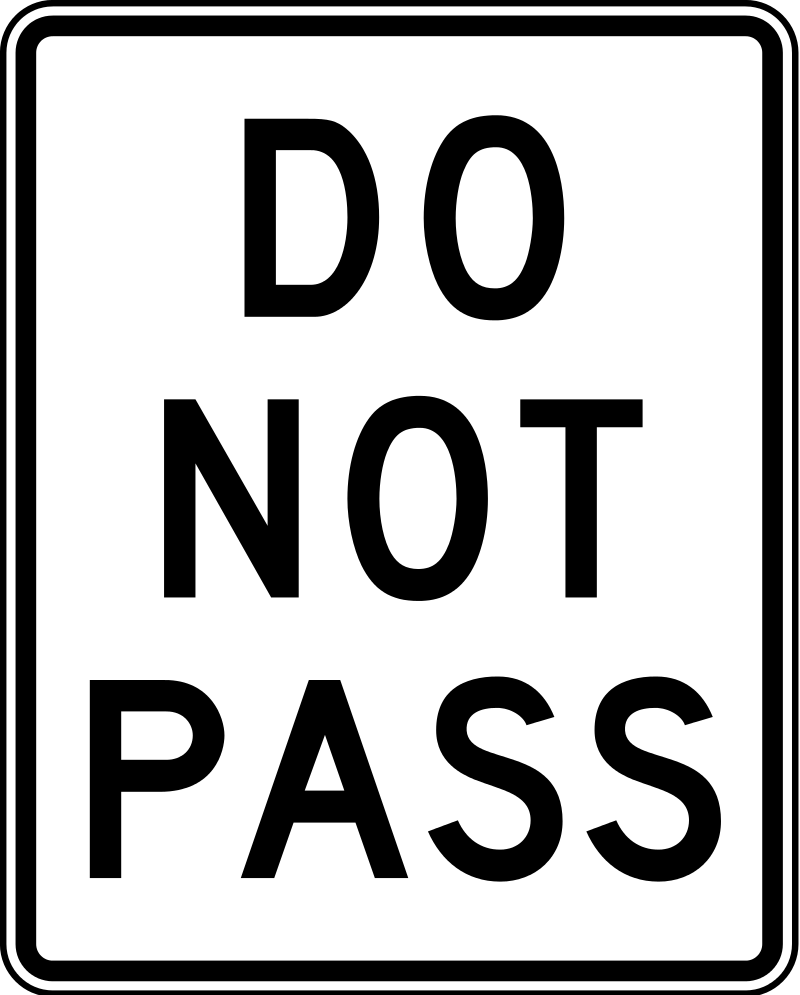 This sign means drivers must not pass other vehicles:
A
unless it is safe to do so.
B
within 250 feet of this sign.
C
when it's dark.
D
for any reason.
This traffic sign indicates: for any reason. Observing and obeying all roadway signs ensures safe traffic flow and legal driving.
Question 2:
Lanes of traffic moving in the same direction are divided by ____ lines.
A
orange
B
yellow
C
black
D
white
The correct driving rule is: white. Following standard DMV road rules and practicing defensive driving ensures safety for all road users.
Question 3:
While driving, it is important to slow down:
A
when the road is wet.
B
on narrow roads.
C
at intersections.
D
All of the above.
All of the listed points are essential driving requirements: when the road is wet; on narrow roads; at intersections. Practicing each ensures compliance with DMV safety laws.
Question 4:
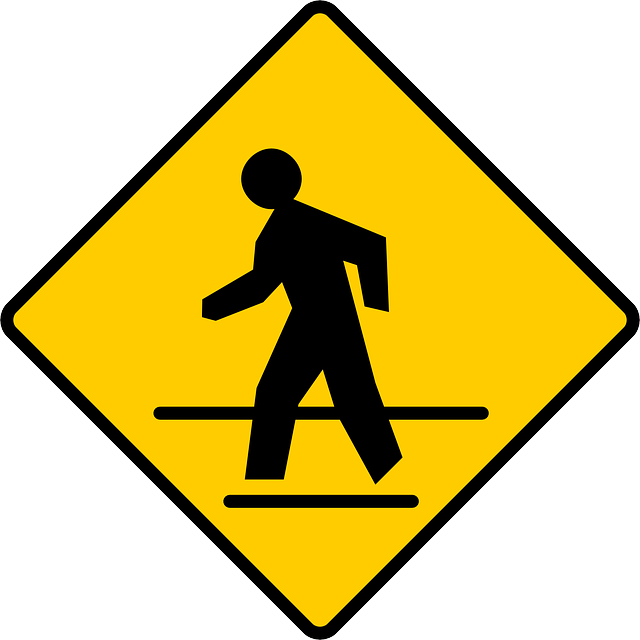 This road sign means:
A
Pedestrian crossing
B
School zone
C
School crossing
This traffic sign indicates: Pedestrian crossing. Observing and obeying all roadway signs ensures safe traffic flow and legal driving.
Question 5:
 This road sign means:
A
Cars in right lane must slow down
B
Merging traffic ahead
C
Pass only in the right lane
D
No left turn
This traffic sign indicates: Merging traffic ahead. Observing and obeying all roadway signs ensures safe traffic flow and legal driving.
Question 6:
What does a red arrow on a traffic light mean?
A
You may proceed slowly through the intersection.
B
You must stop and then proceed when the way is clear.
C
You may turn in the direction of the arrow.
D
You must stop. Do not go in the direction of the arrow until a green light or arrow light goes on.
The correct driving rule is: you must stop. Do not go in the direction of the arrow until a green light or arrow light goes on. Following standard DMV road rules and practicing defensive driving ensures safety for all road users.
Question 7:
 This sign means:
A
Reversible lane ahead.
B
The divided highway ends ahead.
C
Drivers are coming to a point where another traffic lane joins the one they are on.
This traffic sign indicates: The divided highway ends ahead. Observing and obeying all roadway signs ensures safe traffic flow and legal driving.
Question 8:
Highway markings:
A
provide information for drivers.
B
only apply to motorcycles.
C
are only found in school zones.
D
are usually red and blue in color.
Defensive driving guidelines state that: provide information for drivers. Anticipating road hazards and communicating maneuvers keeps traffic predictable and safe.
Question 9:
______________ is an unsafe distraction when driving.
A
Leaving early to drive to an appointment.
B
Texting a message on your cell phone.
C
Controlling an emotion before putting the vehicle in gear.
D
Asking a passenger to enter your mapping request into your GPS.
The correct driving rule is: Texting a message on your cell phone. Following standard DMV road rules and practicing defensive driving ensures safety for all road users.
Question 10:
What should drivers do in case of a brake failure?
A
Shift to a lower gear.
B
Tie a white cloth on the left door handle.
C
Brake lightly.
The correct driving rule is: shift to a lower gear. Following standard DMV road rules and practicing defensive driving ensures safety for all road users.
Question 11:
At a stop sign there is no stop line, you must stop:
A
before you enter the intersection.
B
before you enter the crosswalk.
C
after you enter the crosswalk.
The correct driving rule is: before you enter the crosswalk. Following standard DMV road rules and practicing defensive driving ensures safety for all road users.
Question 12:
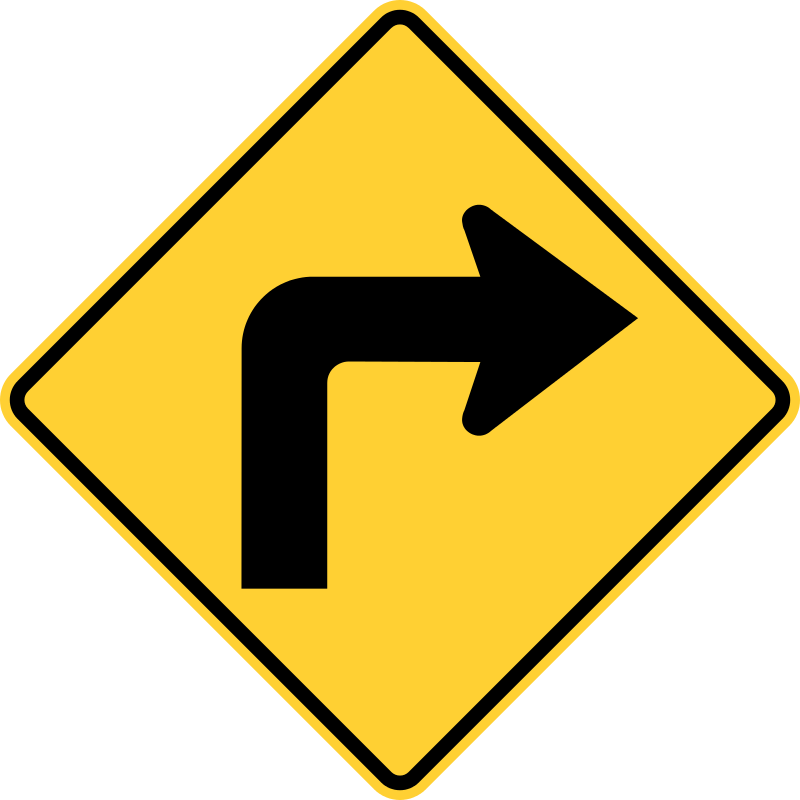 This sign warns drivers that:
A
the road will make a sharp turn to the right.
B
right turns are not allowed.
C
another road enters the highway from the direction shown.
This traffic sign indicates: the road will make a sharp turn to the right. Observing and obeying all roadway signs ensures safe traffic flow and legal driving.
Question 13:
Roads are most slippery:
A
just before it rains.
B
when it stops raining.
C
when it first starts to rain.
For safe speed and stopping control: when it first starts to rain. Adjusting speed to match visibility and road traction prevents loss of steering grip.
Question 14:
Your vehicles braking distance will be much longer:
A
when driving at night.
B
on interstate highways.
C
on wet, icy or gravel roads.
D
All of the above.
For safe speed and stopping control: on wet, icy or gravel roads. Adjusting speed to match visibility and road traction prevents loss of steering grip.
Question 15:
This sign indicates:
A
Winding road
B
Merging traffic
C
Divided highway ends
This traffic sign indicates: Merging traffic. Observing and obeying all roadway signs ensures safe traffic flow and legal driving.
Question 16:
If you are blinded by headlights on an approaching vehicle, you should:
A
avoid looking directly at the bright lights.
B
glance toward the side of the road, then look quickly ahead to determine the other vehicle’s position.
C
All of the above.
All of the listed points are essential driving requirements: avoid looking directly at the bright lights; glance toward the side of the road, then look quickly ahead to determine the other vehicle’s position. Practicing each ensures compliance with DMV safety laws.
Question 17:
Emergency vehicles:
A
may follow each other.
B
may use a loudspeaker to give instructions.
C
have the right-of-way when using siren and red/blue lights.
D
All of the above.
All of the listed points are essential driving requirements: may follow each other; may use a loudspeaker to give instructions; have the right-of-way when using siren and red/blue lights. Practicing each ensures compliance with DMV safety laws.
Question 18:
 This sign warns drivers that:
A
they cannot go straight ahead.
B
they will soon be facing oncoming traffic.
C
a shared lane starts ahead.
This traffic sign indicates: they will soon be facing oncoming traffic. Observing and obeying all roadway signs ensures safe traffic flow and legal driving.
Question 19:
An octagonal sign means that drivers must:
A
respect the posted speed limit.
B
come to a complete stop at the marked stop line.
C
be aware possible hazards ahead.
An octagonal Stop sign requires a full and complete stop before the stop line or crosswalk: come to a complete stop at the marked stop line. Proceed only after yielding to all cross traffic and pedestrians.
Question 20:
Studies show that wearing seat belts:
A
reduces your chances of serious injury in a crash.
B
increases your chances of fatality in a crash.
C
reduces your chances of damaging your car in a crash.
D
All of the above.
The correct driving rule is: reduces your chances of serious injury in a crash. Following standard DMV road rules and practicing defensive driving ensures safety for all road users.
Question 21:
Keeping a space cushion between you and the other vehicles around you is important because it:
A
gives you time to react to situations.
B
prevents distractions from other vehicles.
C
keeps other drivers alert.
D
keeps traffic flowing at a safe pace.
The correct driving rule is: gives you time to react to situations. Following standard DMV road rules and practicing defensive driving ensures safety for all road users.
Question 22:
If your car starts to skid, turn your steering wheel:
A
in the direction you want to go.
B
in the opposite direction of the skid.
C
to keep the front wheels straight.
D
in any direction. It doesnt matter.
The correct driving rule is: in the direction you want to go. Following standard DMV road rules and practicing defensive driving ensures safety for all road users.
Question 23:
When driving in fog:
A
turn on your hazard lights.
B
do not drive over 10 MPH.
C
turn on your low beams.
D
drive the speed limit.
Always use low-beam headlights in fog, heavy rain, or snow. High beams reflect off moisture droplets and bounce glare back into your eyes.
Question 24:
What should you do if a vehicle is approaching head-on in your lane?
A
Pull over to the left and use your emergency lights to stop the other driver.
B
Decrease speed, pull over to the right and sound your horn to warn the other driver.
C
Turn off the ignition if your vehicle has power steering.
The correct driving rule is: Decrease speed, pull over to the right and sound your horn to warn the other driver. Following standard DMV road rules and practicing defensive driving ensures safety for all road users.
Question 25:
If a driver follows you too closely, you should:
A
move to another lane if possible.
B
activate your stop lights.
C
brake suddenly.
The correct driving rule is: move to another lane if possible. Following standard DMV road rules and practicing defensive driving ensures safety for all road users.
Question 26:
This road sign warns drivers that:
A
they are coming to a point where another traffic lane joins the one they are on.
B
a divided highway is ahead.
C
the one-way street or roadway is about to change to two-way traffic.
This traffic sign indicates: the one-way street or roadway is about to change to two-way traffic. Observing and obeying all roadway signs ensures safe traffic flow and legal driving.
Question 27:
___________ are green with white letters and symbols.
A
Warning signs
B
Destination signs (guide signs)
C
Regulation signs (regulatory signs)
The correct driving rule is: Destination signs (guide signs). Following standard DMV road rules and practicing defensive driving ensures safety for all road users.
Question 28:
What should you do as you prepare to turn right at an intersection?
A
Honk your horn.
B
Yield to bicyclists coming from the opposite direction.
C
Signal your turn, check for bicyclists, and do not turn directly in front of a bicyclist.
According to standard right-of-way regulations: signal your turn, check for bicyclists, and do not turn directly in front of a bicyclist. Yielding appropriately prevents intersection collisions and maintains safe traffic flow.
Question 29:
A speed limit is the __________ speed at which a vehicle may legally travel on the road under ideal conditions.
A
maximum
B
minimum
C
suggested
D
None of the above.
For safe speed and stopping control: maximum. Adjusting speed to match visibility and road traction prevents loss of steering grip.
Question 30:
When passing other vehicles, drivers should:
A
make sure the passing lane is clear of traffic, and check behind and to the left to make sure another vehicle is not attempting to pass.
B
pass the vehicle as slowly as possible.
C
apply the brake and slow down.
D
All of the above.
Defensive driving guidelines state that: make sure the passing lane is clear of traffic, and check behind and to the left to make sure another vehicle is not attempting to pass. Anticipating road hazards and communicating maneuvers keeps traffic predictable and safe.
Question 31:
Which sign has white letters on a red background?
A
Stop
B
School zone
C
Yield
The correct driving rule is: stop. Following standard DMV road rules and practicing defensive driving ensures safety for all road users.
Question 32:
Examples of proper glass maintenance include:
A
Replacing worn wiper blades.
B
Keeping your windows clean and clear.
C
All of the above.
All of the listed points are essential driving requirements: Replacing worn wiper blades; Keeping your windows clean and clear. Practicing each ensures compliance with DMV safety laws.
Question 33:
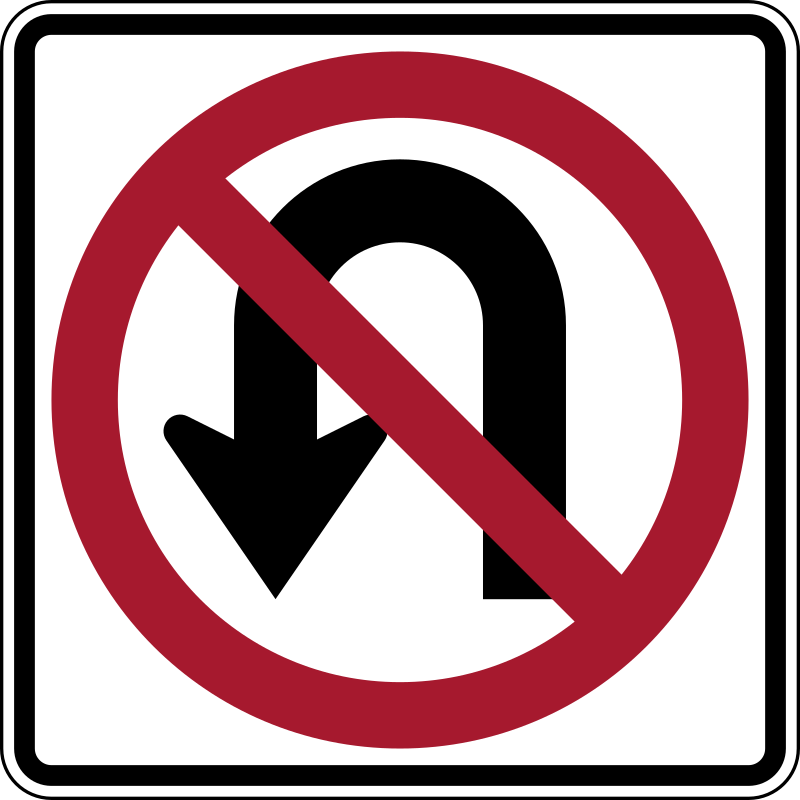 The picture shows a _________ sign.
A
no U-turn
B
no left turn
C
sharp turn
The correct driving rule is: no U-turn. Following standard DMV road rules and practicing defensive driving ensures safety for all road users.
Question 34:
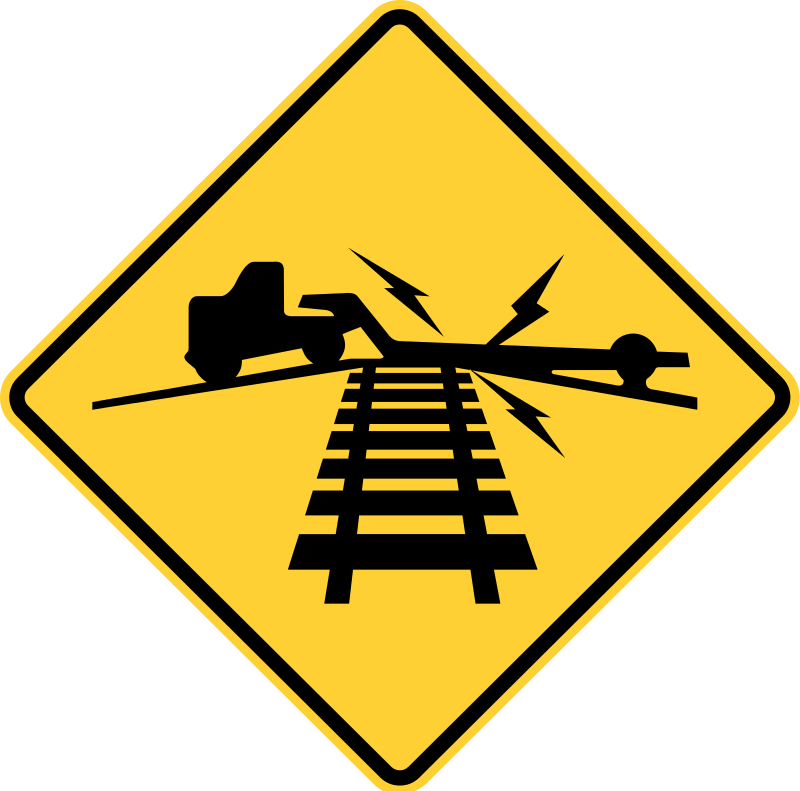 This road sign means:
A
Winding road ahead
B
Pedestrian crossing
C
Low ground railroad crossing
D
No-passing zone
Circular signs with an 'X' and 'RR' designate a Railroad Advance Warning: Low ground railroad crossing. Drivers must slow down, look both ways, listen for trains, and be prepared to stop.
Question 35:
Look over your shoulder to check your blind spot:
A
when changing lanes.
B
when pulling to the right side of the road or away from a curb.
C
on all right and left turns.
D
All of the above.
Sharing the road safely requires mutual awareness and respect: when changing lanes; when pulling to the right side of the road or away from a curb; on all right and left turns. Maintaining safe space cushions protects all roadway users.
Question 36:
Drivers are required to stop:
A
when a traffic officer orders them to stop.
B
where there is a red light.
C
at an intersection with a stop sign.
D
All of the above.
All of the listed points are essential driving requirements: when a traffic officer orders them to stop; where there is a red light; at an intersection with a stop sign. Practicing each ensures compliance with DMV safety laws.
Question 37:
An emergency vehicle that uses lights and a siren can be unpredictable. Why?
A
The driver can legally pass red lights.
B
Emergency vehicles must go faster than the posted speed limit when it is safe to do so.
C
Emergency vehicle drivers are not required to be careful.
When sharing the road with other vehicles: The driver can legally pass red lights. Giving large vehicles and vulnerable users adequate clearance prevents dangerous accidents.
Question 38:
You are entering a roadway from a private road, and you need to turn left. You have to yield to:
A
vehicles from the right.
B
vehicles from the left.
C
vehicles from both directions.
According to standard right-of-way regulations: vehicles from both directions. Yielding appropriately prevents intersection collisions and maintains safe traffic flow.
Question 39:
When you need to enter a freeway exit ramp:
A
don't slow down on the freeway itself. Wait until you are in the deceleration lane.
B
pass slower vehicles on the right.
C
slow down before entering the exit ramp.
D
don't slow down on the freeway itself, and maintain your speed once in the exit ramp.
Defensive driving guidelines state that: don't slow down on the freeway itself. Wait until you are in the deceleration lane. Anticipating road hazards and communicating maneuvers keeps traffic predictable and safe.
Question 40:
 This regulatory road sign indicates that:
A
Vehicles must slow down and stay in the right lane.
B
The right hand lane is reserved for buses and car-pool vehicles.
C
Slower vehicles traveling on multiple lane highways must stay in the right hand lane.
This traffic sign indicates: Slower vehicles traveling on multiple lane highways must stay in the right hand lane. Observing and obeying all roadway signs ensures safe traffic flow and legal driving.