Pregunta 1:
Alcohol:
A
hace que los conductores sean más propensos a correr riesgos.
B
aumenta el tiempo de reacción.
C
Todo lo anterior.
El alcohol y las sustancias perjudiciales degradan todas las funciones críticas de la conducción: hace que los conductores sean más propensos a correr riesgos; aumenta el tiempo de reacción. Conducir en estado de ebriedad conlleva graves sanciones penales y de seguridad.
Pregunta 2:
Cuando estacione en paralelo entre dos automóviles, primero debe:
A
atrás lentamente.
B
deténgase a la altura del vehículo delantero.
C
gira las ruedas hacia la derecha.
D
gira las ruedas hacia la izquierda.
Según las normas estándar de estacionamiento y aceras: deténgase a la altura del automóvil de adelante. Respetar las distancias de estacionamiento mantiene las carreteras despejadas y los carriles de emergencia accesibles.
Pregunta 3:
 Esta señal advierte a los conductores sobre:
A
baja holgura.
B
un puente estrecho más adelante.
C
un lugar bajo en el camino.
Esta señal de tráfico indica: un puente estrecho más adelante. Observar y obedecer todas las señales en la carretera garantiza un flujo de tráfico seguro y una conducción legal.
Pregunta 4:
El conductor debe estar especialmente atento a los motociclistas, bicicletas y peatones. ¿Por qué?
A
Obedecen leyes de tránsito específicas.
B
Siempre tienen el derecho de paso.
C
Son difíciles de ver en el tráfico.
D
No tienen espejos retrovisores.
La regla de conducción correcta es: son difíciles de ver en el tráfico. Seguir las reglas de tránsito estándar del DMV y practicar la conducción defensiva garantiza la seguridad de todos los usuarios de la vía.
Pregunta 5:
 Cuando veas este letrero deberías:
A
aumenta tu velocidad e intenta adelantar a otros vehículos.
B
Reduzca la velocidad y prepárese para detenerse.
C
reduzca la velocidad y no rebase a otros vehículos.
Esta señal de tránsito indica: disminuya la velocidad y no rebase a otros vehículos. Observar y obedecer todas las señales en la carretera garantiza un flujo de tráfico seguro y una conducción legal.
Pregunta 6:
Si tus ruedas delanteras empiezan a patinar, lo primero que debes hacer es:
A
Quita el pie del acelerador y cambia a punto muerto.
B
Gire inmediatamente en la dirección que desea ir.
C
Acelere, accione los frenos y gire en la dirección en la que el vehículo intenta ir.
La regla de conducción correcta es: quitar el pie del acelerador y cambiar a punto muerto. Seguir las reglas de tránsito estándar del DMV y practicar la conducción defensiva garantiza la seguridad de todos los usuarios de la vía.
Pregunta 7:
Fumar mientras se conduce:
A
no afecta la capacidad de conducción.
B
no distrae.
C
ayuda a aumentar el estado de alerta del conductor.
D
es una distracción.
La regla de conducción correcta es: distrae. Seguir las reglas de tránsito estándar del DMV y practicar la conducción defensiva garantiza la seguridad de todos los usuarios de la vía.
Pregunta 8:
 Esta señal de tráfico significa:
A
Extremos del pavimento
B
Camino sinuoso
C
Doble curva adelante
Esta señal de tráfico indica: Camino sinuoso. Observar y obedecer todas las señales en la carretera garantiza un flujo de tráfico seguro y una conducción legal.
Pregunta 9:
Los conductores pueden cruzar líneas amarillas continuas:
A
en cualquier momento.
B
sólo para rebasar el tráfico que circula en la misma dirección.
C
al realizar giros.
D
sólo durante las horas del día.
La regla de conducción correcta es: al girar. Seguir las reglas de tránsito estándar del DMV y practicar la conducción defensiva garantiza la seguridad de todos los usuarios de la vía.
Pregunta 10:
Al adelantar a otro vehículo:
A
rebase el vehículo de la forma más segura y rápida posible.
B
Toque la bocina repetidamente para advertir al otro conductor.
C
no hay necesidad de hacer señales.
D
puede exceder el límite de velocidad indicado.
Las pautas de conducción defensiva establecen que: rebase el vehículo de la manera más segura y rápida posible. Anticipar los peligros en la carretera y comunicar las maniobras mantiene el tráfico predecible y seguro.
Pregunta 11:
 La imagen muestra:
A
una señal de advertencia anticipada del ferrocarril.
B
una señal duplicada de multas por exceso de velocidad.
C
una señal de tráfico reversible.
La regla de conducción correcta es: una señal de advertencia de avance ferroviario. Seguir las reglas de tránsito estándar del DMV y practicar la conducción defensiva garantiza la seguridad de todos los usuarios de la vía.
Pregunta 12:
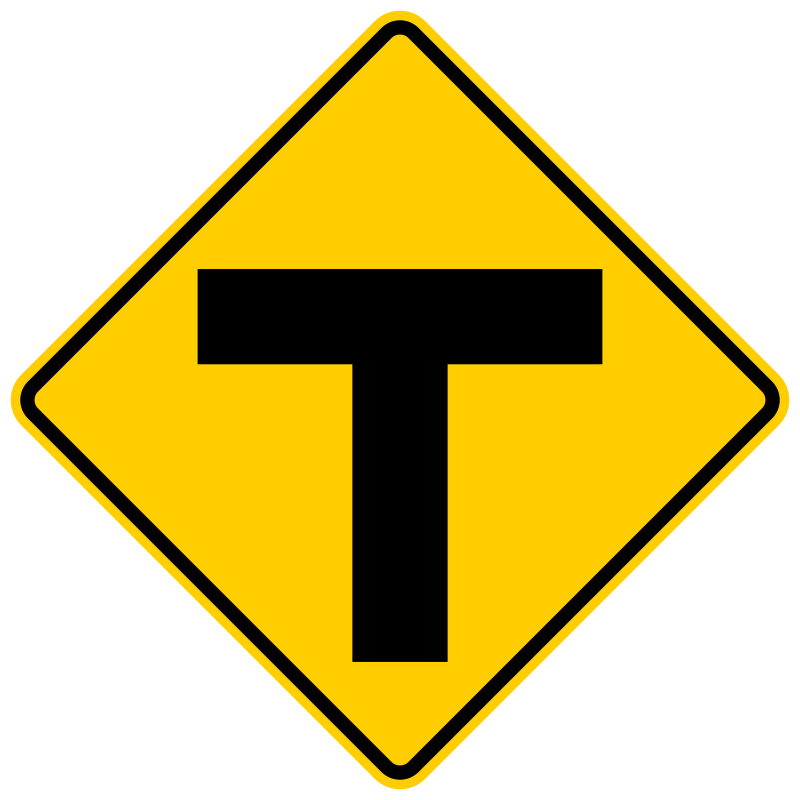 Esta señal de tráfico significa:
A
Camino lateral
B
Intersección en T más adelante
C
Manténgase a la derecha
D
El carril izquierdo debe girar a la izquierda
Esta señal de tráfico indica: Intersección en T más adelante. Observar y obedecer todas las señales en la carretera garantiza un flujo de tráfico seguro y una conducción legal.
Pregunta 13:
Puede adelantar a otro vehículo:
A
cuando hay una línea amarilla continua a tu lado.
B
en una curva o una colina.
C
en el arcén de la carretera.
D
Ninguno de los anteriores.
Ninguna de las opciones proporcionadas representa el procedimiento de conducción legal o segura. Consulte siempre las pautas del manual oficial del DMV para este escenario.
Pregunta 14:
La mejor manera de lidiar con los que siguen muy de cerca es:
A
reduzca la velocidad para alentar a la persona que lo sigue a pasar.
B
Bombee los frenos para que retrocedan.
C
ignorarlos por completo.
D
acelere para aumentar el espacio entre usted y la persona que lo sigue de cerca.
La regla de conducción correcta es: reducir la velocidad para animar a la persona que le sigue a adelantar. Seguir las reglas de tránsito estándar del DMV y practicar la conducción defensiva garantiza la seguridad de todos los usuarios de la vía.
Pregunta 15:
La forma de una señal de ruta te dice:
A
el tipo de ruta en la que se encuentra.
B
el límite de velocidad en esa ruta.
C
que la ruta por la que se encuentra puede ser peligrosa.
Esta señal de tráfico indica: el tipo de ruta en la que se encuentra. Observar y obedecer todas las señales en la carretera garantiza un flujo de tráfico seguro y una conducción legal.
Pregunta 16:
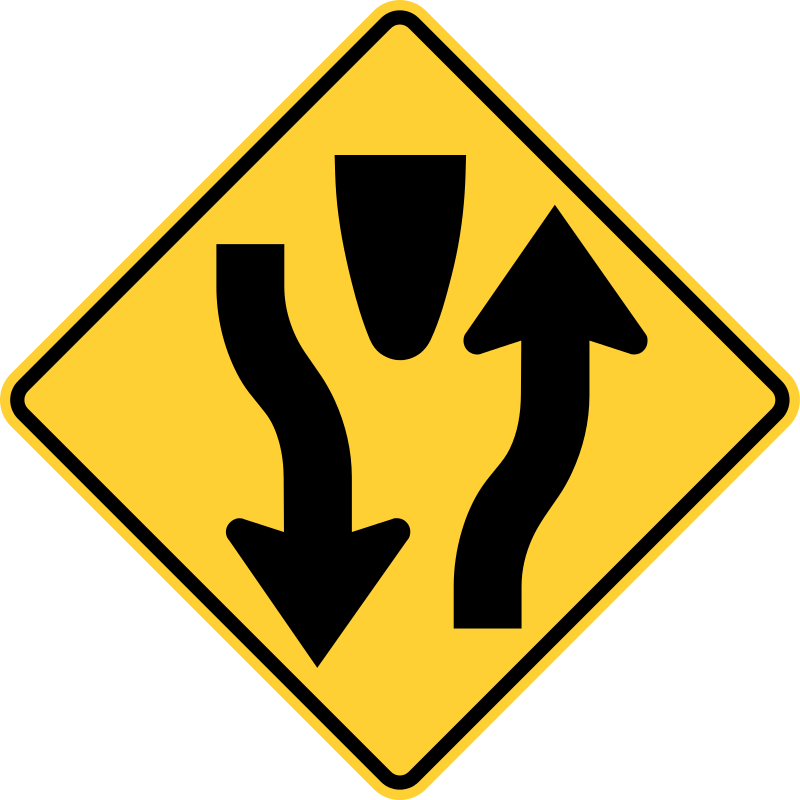 Esta señal de tráfico significa:
A
Manténgase a la izquierda
B
Comienza la carretera dividida
C
El carril termina
Esta señal de tránsito indica: Comienza la carretera dividida. Observar y obedecer todas las señales en la carretera garantiza un flujo de tráfico seguro y una conducción legal.
Pregunta 17:
¿Qué forma tiene una señal de advertencia anticipada de ferrocarril?
A
cruz
B
Redondo
C
Pentágono
Las señales circulares con una 'X' y una 'RR' designan una advertencia anticipada de ferrocarril: redonda. Los conductores deben reducir la velocidad, mirar a ambos lados, escuchar si hay trenes y estar preparados para detenerse.
Pregunta 18:
Cuando se prepara para girar a la izquierda desde una carretera de un solo sentido hacia una carretera de doble sentido, debe:
A
ingrese a la carretera de doble sentido a la izquierda de su línea central.
B
acercarse al giro en el carril derecho o desde el lado derecho de un solo carril.
C
acercarse al giro en el carril izquierdo o desde el lado izquierdo de un solo carril.
La regla de conducción correcta es: acercarse al giro por el carril izquierdo o desde el lado izquierdo de un solo carril. Seguir las reglas de tránsito estándar del DMV y practicar la conducción defensiva garantiza la seguridad de todos los usuarios de la vía.
Pregunta 19:
Si su automóvil se cae al agua, debe:
A
Espere a que entre agua y exhale respirando brevemente por la nariz.
B
Llame al departamento de bomberos inmediatamente.
C
retírese antes de que comience a hundirse.
La regla de conducción correcta es: retirarse antes de que empiece a hundirse. Seguir las reglas de tránsito estándar del DMV y practicar la conducción defensiva garantiza la seguridad de todos los usuarios de la vía.
Pregunta 20:
Para evitar tener que hacer una parada de emergencia mientras conducen en el tráfico, los conductores deben:
A
conducir únicamente por el carril derecho.
B
Mire hacia adelante y mantenga una distancia segura.
C
hacer sonar la bocina para advertir a otros conductores.
D
conducir más lento que el flujo del tráfico.
La regla de conducción correcta es: mirar hacia adelante y mantener una distancia segura. Seguir las reglas de tránsito estándar del DMV y practicar la conducción defensiva garantiza la seguridad de todos los usuarios de la vía.
Pregunta 21:
Una luz roja intermitente significa:
A
Lo mismo que una señal de STOP.
B
La luz pronto cambiará a rojo fijo.
C
Conduce con precaución.
Cuando se acerca un vehículo de emergencia con luces intermitentes o sirenas, debe detenerse de manera segura en la acera derecha y detenerse por completo hasta que pase.
Pregunta 22:
Neumáticos gastados:
A
puede provocar que usted se hidroplanee incluso con muy poca agua en el camino.
B
puede aumentar su distancia de frenado.
C
puede hacer que girar sea más difícil.
D
Todo lo anterior.
Todos los puntos enumerados son requisitos de conducción esenciales: pueden provocar que usted se hidroplanee incluso con muy poca agua en la carretera; puede aumentar su distancia de frenado; puede hacer que girar sea más difícil. Practicar cada uno garantiza el cumplimiento de las leyes de seguridad del DMV.
Pregunta 23:
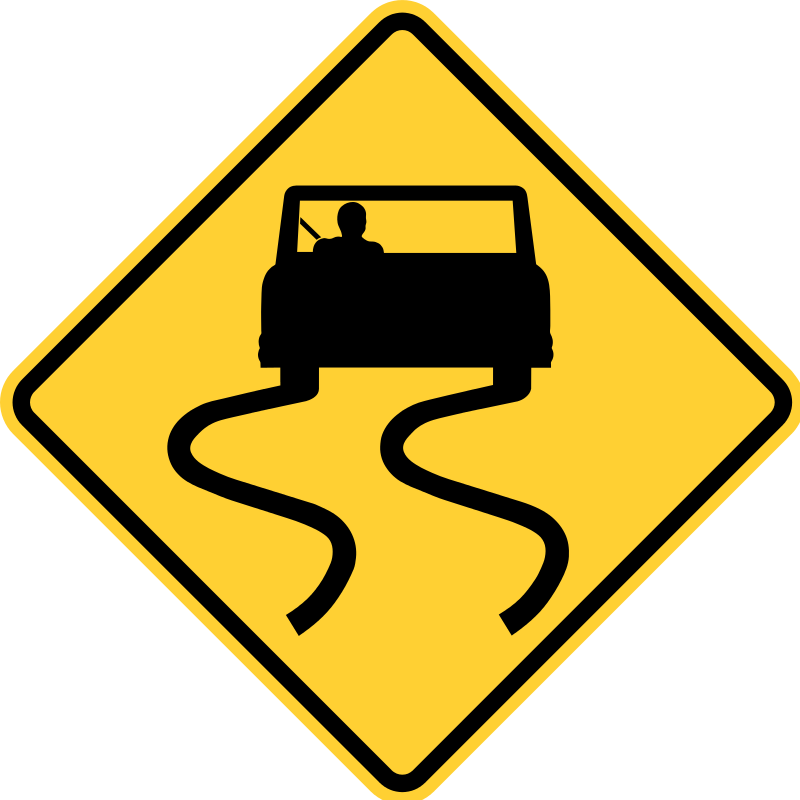 Cuando ven este letrero, los conductores:
A
Debe estar preparado para realizar giros cerrados a alta velocidad.
B
Hay que estar preparado para girar a la derecha y luego a la izquierda rápidamente.
C
No debe acelerar ni frenar rápidamente.
Esta señal de tránsito indica: no se debe acelerar ni frenar rápidamente. Observar y obedecer todas las señales en la carretera garantiza un flujo de tráfico seguro y una conducción legal.
Pregunta 24:
Las señales de tráfico y las marcas en el pavimento deben ser:
A
Se sigue sólo cuando un oficial de policía está presente.
B
seguirse sólo cuando haya otros vehículos presentes.
C
utilizado sólo como guía.
D
siempre obedeció.
La regla de conducción correcta es: obedecer siempre. Seguir las reglas de tránsito estándar del DMV y practicar la conducción defensiva garantiza la seguridad de todos los usuarios de la vía.
Pregunta 25:
Esta señal de tráfico significa:
A
Reduzca la velocidad, resbaladizo cuando está mojado
B
Desvío adelante
C
La carretera tiene curvas más adelante
Esta señal de tráfico indica: reducir la velocidad, resbaladizo cuando está mojado. Observar y obedecer todas las señales en la carretera garantiza un flujo de tráfico seguro y una conducción legal.
Pregunta 26:
Chupar rueda:
A
no puede resultar en una multa de tránsito.
B
ayuda a reducir la congestión del tráfico.
C
Es una técnica de conducción defensiva.
D
puede frustrar a otros conductores y hacerlos enojar.
La regla de conducción correcta es: puede frustrar a otros conductores y hacerlos enojar. Seguir las reglas de tránsito estándar del DMV y practicar la conducción defensiva garantiza la seguridad de todos los usuarios de la vía.
Pregunta 27:
Cuando gira a la izquierda desde una carretera de un solo sentido hacia una carretera de un solo sentido, si la carretera por la que ingresa tiene dos carriles, usted:
A
debe girar hacia su carril derecho.
B
No se puede girar a la izquierda.
C
debe girar hacia su carril izquierdo.
La regla de conducción correcta es: debe girar hacia su carril izquierdo. Seguir las reglas de tránsito estándar del DMV y practicar la conducción defensiva garantiza la seguridad de todos los usuarios de la vía.
Pregunta 28:
 ¿Qué indica este signo?
A
La carretera que hay más adelante está dividida en dos vías de un solo sentido.
B
Camino sinuoso por delante. Conduce con precaución.
C
Los conductores pronto estarán en una carretera con tráfico de doble sentido.
Esta señal de tráfico indica: los conductores pronto se encontrarán en una carretera con tráfico de doble sentido. Observar y obedecer todas las señales en la carretera garantiza un flujo de tráfico seguro y una conducción legal.
Pregunta 29:
Si permanece en el punto ciego trasero de un vehículo grande:
A
Aumenta la posibilidad de una colisión trasera si el vehículo frena repentinamente.
B
Mejora el consumo de combustible de su vehículo debido a la succión.
C
Es una posición segura porque el conductor puede verle en el espejo retrovisor.
D
Tiene el derecho de paso para rebasar.
Permanecer directamente detrás de un camión o vehículo grande impide que el conductor lo vea en sus espejos laterales y le quita tiempo de reacción si el camión frena bruscamente.
Pregunta 30:
Una zona de trabajo:
A
Está marcado con carteles en blanco y negro.
B
podría involucrar vehículos y trabajadores en movimiento.
C
No requiere que el conductor reduzca la velocidad y preste especial atención.
D
Todo lo anterior.
La regla de conducción correcta es: puede involucrar vehículos y trabajadores en movimiento. Seguir las reglas de tránsito estándar del DMV y practicar la conducción defensiva garantiza la seguridad de todos los usuarios de la vía.
Pregunta 31:
Al conducir de noche sin otros vehículos delante, el conductor debe utilizar:
A
luces de carretera.
B
luces de cruce.
C
luces de estacionamiento.
La regla de conducción correcta es: luces altas. Seguir las reglas de tránsito estándar del DMV y practicar la conducción defensiva garantiza la seguridad de todos los usuarios de la vía.
Pregunta 32:
Al conducir por las principales autopistas debe:
A
Esté preparado para reaccionar ante los peligros de la carretera.
B
mantente alerta.
C
mantén tus ojos en movimiento.
D
Todo lo anterior.
Todos los puntos enumerados son requisitos de conducción esenciales: estar preparado para reaccionar ante los peligros de la carretera; manténgase alerta; mantén tus ojos en movimiento. Practicar cada uno garantiza el cumplimiento de las leyes de seguridad del DMV.
Pregunta 33:
¿Qué carteles tienen letras negras sobre fondo amarillo o naranja?
A
Señales de advertencia (diamante)
B
Señales reglamentarias (rectángulo vertical)
C
Señales de advertencia anticipada del ferrocarril (redondas)
La regla de conducción correcta es: Señales de advertencia (diamante). Seguir las reglas de tránsito estándar del DMV y practicar la conducción defensiva garantiza la seguridad de todos los usuarios de la vía.
Pregunta 34:
Al cambiar de carril, usted debe:
A
revisa tus espejos, direcciona la señal y cambia de carril.
B
señale, cambie de carril y revise sus espejos.
C
señale, revise sus espejos y su punto ciego en la dirección en la que planea moverse, luego cambie de carril.
D
señalizar y cambiar de carril.
La regla de conducción correcta es: señale, revise los espejos y el punto ciego en la dirección en la que planea moverse, luego cambie de carril. Seguir las reglas de tránsito estándar del DMV y practicar la conducción defensiva garantiza la seguridad de todos los usuarios de la vía.
Pregunta 35:
¿Cuándo está permitido consumir bebidas alcohólicas en un vehículo en la vía pública?
A
Mientras no conduzcas.
B
Sólo si viajas en el asiento trasero.
C
Sólo si viajas en la parte trasera de una camioneta.
D
Nunca.
Las pautas de conducción defensiva establecen que: Nunca. Anticipar los peligros en la carretera y comunicar las maniobras mantiene el tráfico predecible y seguro.
Pregunta 36:
Si ve una señal de "carril cerrado más adelante", debe:
A
hacer un giro en U. Estás en el lado equivocado de la carretera.
B
incorpórese al carril correcto cuando sea seguro.
C
Acelere hasta el final del carril cerrado e intente pasar al otro carril.
La regla de conducción correcta es: incorporarse al carril correcto cuando sea seguro. Seguir las reglas de tránsito estándar del DMV y practicar la conducción defensiva garantiza la seguridad de todos los usuarios de la vía.
Pregunta 37:
Cuando ven una señal cruzada, los conductores:
A
Debe reducir la velocidad y esperar a que las luces rojas parpadeen.
B
siempre debe detenerse por completo.
C
están obligados legalmente a ceder el derecho de paso a los trenes.
La regla de conducción correcta es: están obligados legalmente a ceder el paso a los trenes. Seguir las reglas de tránsito estándar del DMV y practicar la conducción defensiva garantiza la seguridad de todos los usuarios de la vía.
Pregunta 38:
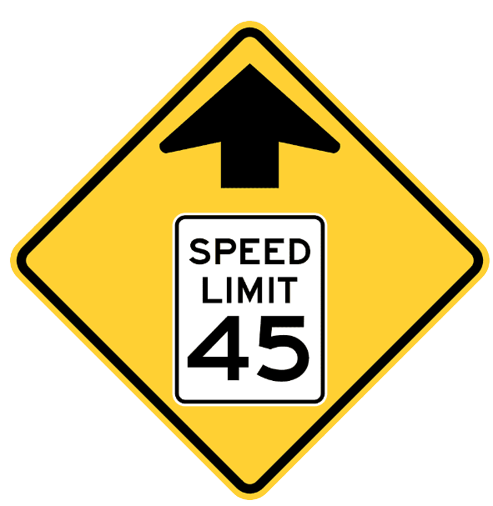 Esta señal de advertencia:
A
proporciona aviso previo sobre el próximo cambio en el límite de velocidad.
B
muestra el límite de velocidad actual que no deben superar todos los vehículos que circulan en la dirección de la flecha.
C
indica la velocidad segura más alta sugerida.
Esta señal de tráfico indica: avisa con antelación sobre próximos cambios en el límite de velocidad. Observar y obedecer todas las señales en la carretera garantiza un flujo de tráfico seguro y una conducción legal.
Pregunta 39:
indica la velocidad segura más alta sugerida.
A
faros de luz baja.
B
luces intermitentes de emergencia.
C
luces de estacionamiento.
D
faros de luz alta.
Para un control seguro de la velocidad y la parada: luces bajas. Ajustar la velocidad para que coincida con la visibilidad y la tracción en la carretera evita la pérdida de agarre de la dirección.
Pregunta 40:
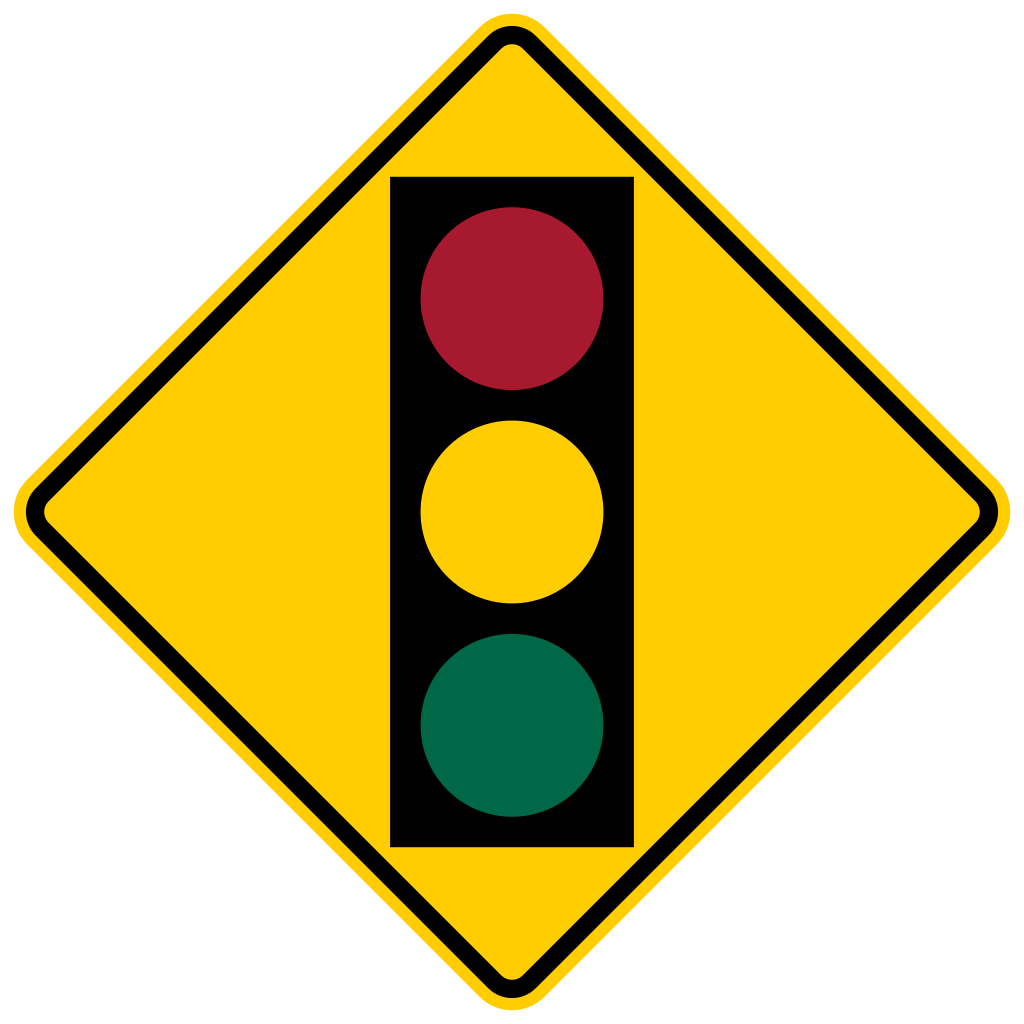 Este signo significa:
A
Debes ceder el paso más adelante
B
Señales de tráfico más adelante
C
Debes parar adelante
D
No se permite exceso de velocidad
Esta señal de tráfico indica: señales de tráfico más adelante. Observar y obedecer todas las señales en la carretera garantiza un flujo de tráfico seguro y una conducción legal.