Question 1:
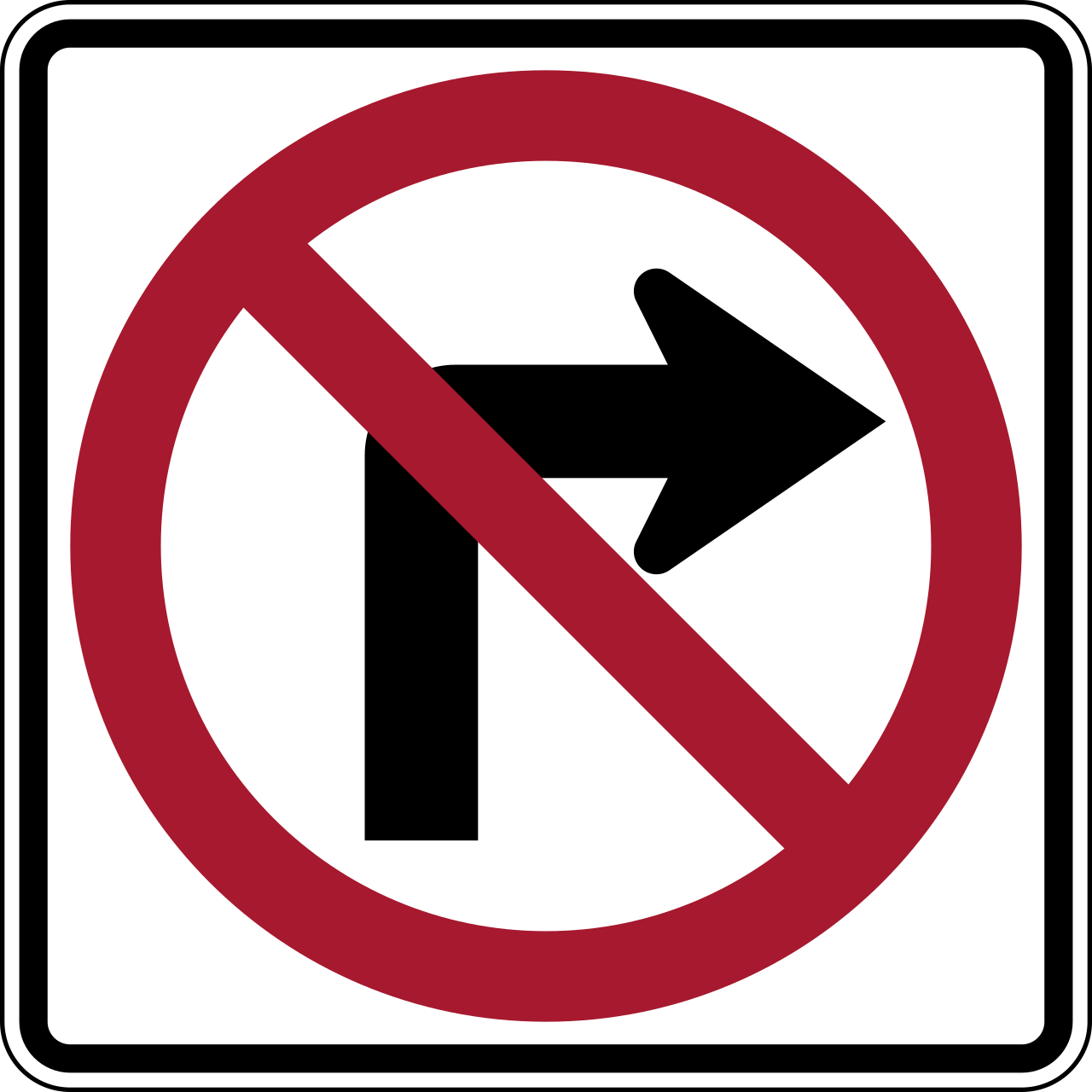 This road sign means:
A
No left turn
B
No right turn
C
No U-turns
This traffic sign indicates: No right turn. Observing and obeying all roadway signs ensures safe traffic flow and legal driving.
Question 2:
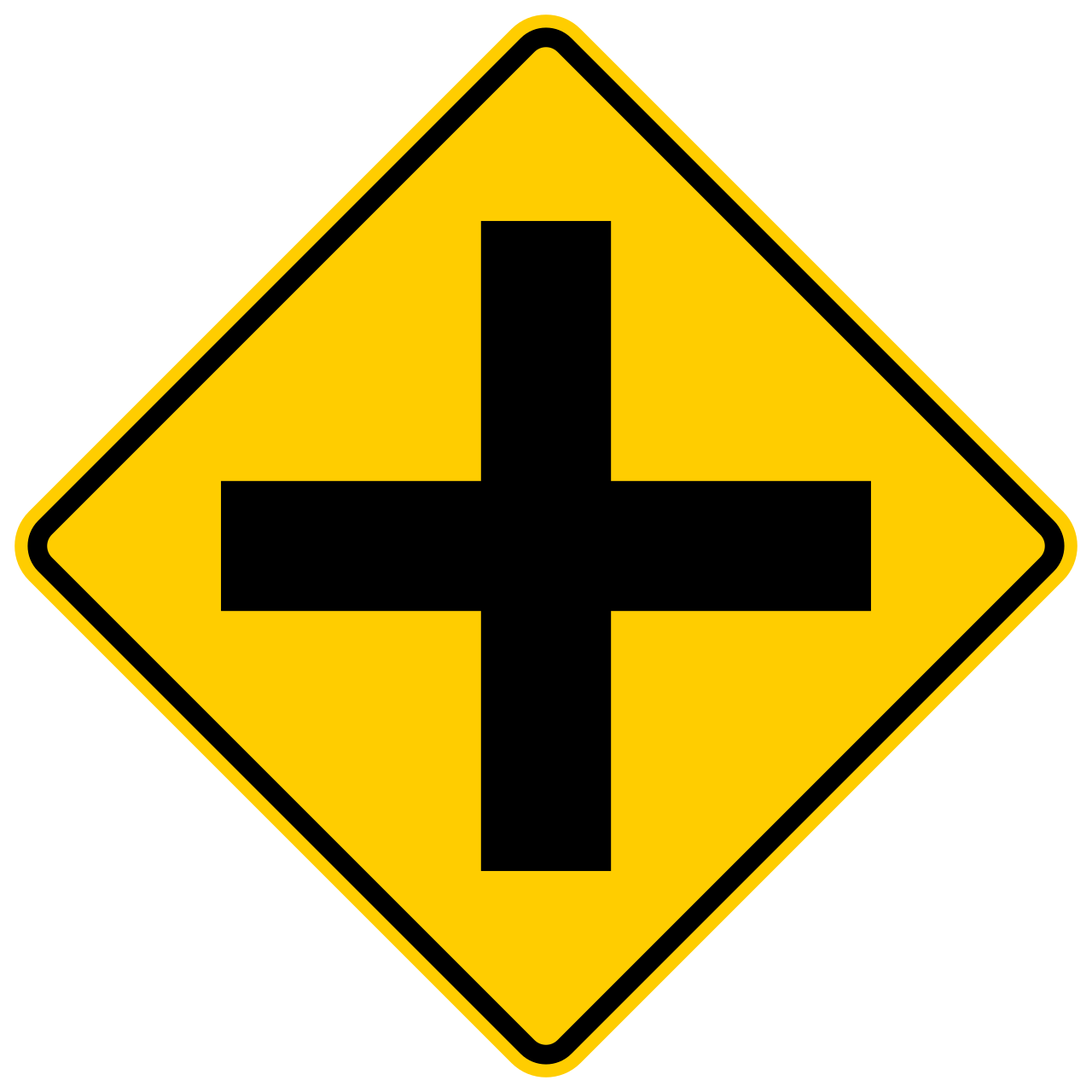 This road sign means:
A
Crossroad
B
Hospital parking ahead
C
Merge
This traffic sign indicates: Crossroad. Observing and obeying all roadway signs ensures safe traffic flow and legal driving.
Question 3:
If your wheels drop off the pavement edge, you should:
A
stop.
B
turn back onto the roadway immediately.
C
turn gradually back onto the roadway when safe.
The correct driving rule is: turn gradually back onto the roadway when safe. Following standard DMV road rules and practicing defensive driving ensures safety for all road users.
Question 4:
At a four way stop, the driver who stops first should be permitted to go first.
A
False
B
True
The correct driving rule is: True. Following standard DMV road rules and practicing defensive driving ensures safety for all road users.
Question 5:
A broken yellow center line:
A
indicates that passing is permitted on the left when the way ahead is clear.
B
indicates that passing is not permitted.
C
separates two lanes traveling in the same direction.
The correct driving rule is: indicates that passing is permitted on the left when the way ahead is clear. Following standard DMV road rules and practicing defensive driving ensures safety for all road users.
Question 6:
 When they see a yellow X signal, drivers should:
A
come to a complete stop at the marked stop line.
B
turn off the ignition.
C
prepare to leave the lane safely.
State laws require signaling your intention: prepare to leave the lane safely. Signal at least 100 feet before making a turn or changing lanes.
Question 7:
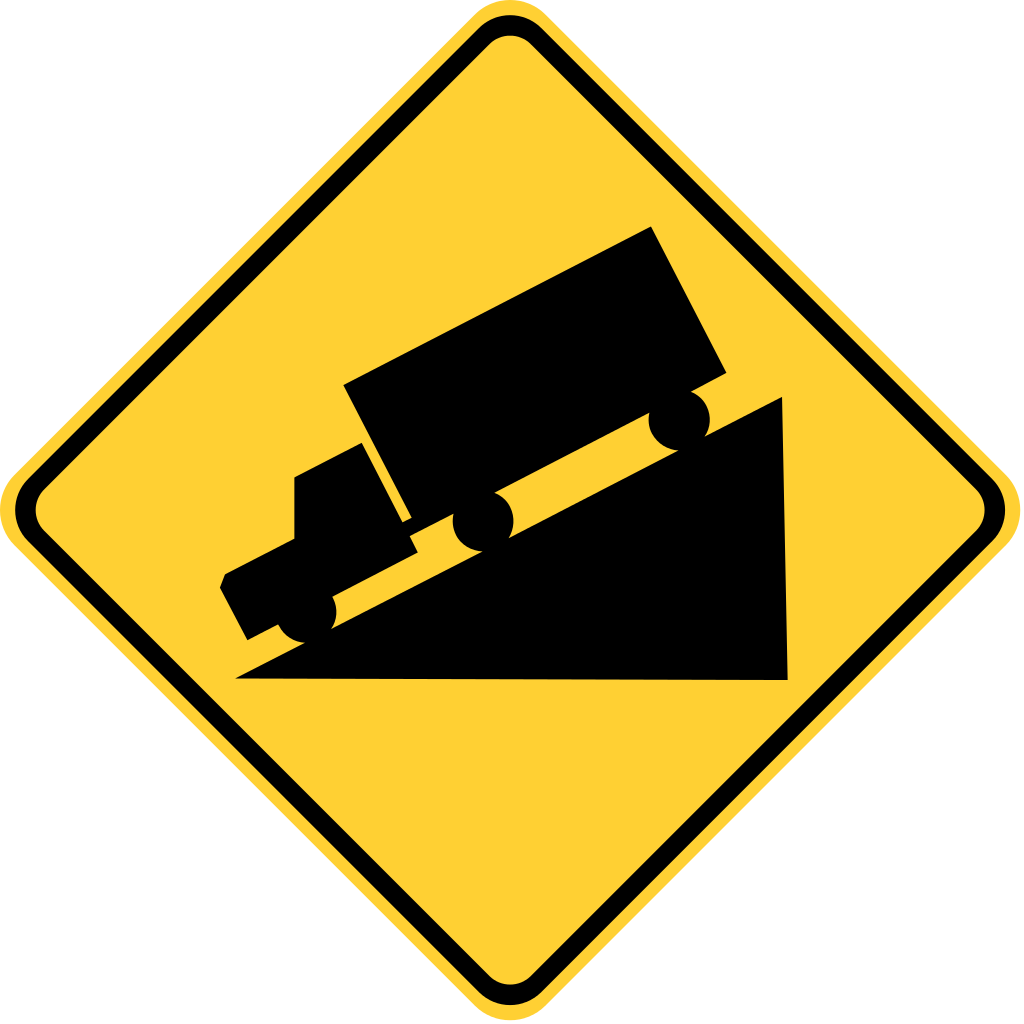 This road sign means:
A
Truck stop ahead
B
No trucks allowed
C
Hill or downgrade up ahead
This traffic sign indicates: Hill or downgrade up ahead. Observing and obeying all roadway signs ensures safe traffic flow and legal driving.
Question 8:
 A four-way stop sign means:
A
traffic from all four directions must stop.
B
if two vehicles reach the intersection at the same time, the driver on the left yields to the driver on the right.
C
All of the above.
This sign alerts drivers to several mandatory requirements: traffic from all four directions must stop, if two vehicles reach the intersection at the same time, the driver on the left yields to the driver on the right. Obeying all posted traffic control instructions is required by law.
Question 9:
It is illegal to:
A
pass within 300 feet of a railroad crossing.
B
pass within 300 feet of any intersection.
C
pass in any marked no-passing zone.
D
All of the above.
The correct driving rule is: pass in any marked no-passing zone. Following standard DMV road rules and practicing defensive driving ensures safety for all road users.
Question 10:
An octagonal sign means that drivers must:
A
respect the posted speed limit.
B
come to a complete stop at the marked stop line.
C
be aware possible hazards ahead.
An octagonal Stop sign requires a full and complete stop before the stop line or crosswalk: come to a complete stop at the marked stop line. Proceed only after yielding to all cross traffic and pedestrians.
Question 11:
At intersections with a yield sign, you must:
A
yield to the vehicles on your left only.
B
yield the right-of-way to cross traffic close enough to cause conflict.
C
slow down and proceed.
The correct driving rule is: yield the right-of-way to cross traffic close enough to cause conflict. Following standard DMV road rules and practicing defensive driving ensures safety for all road users.
Question 12:
 The picture shows:
A
a railroad advance warning sign.
B
a speeding fines doubled sign.
C
a reversible road sign.
The correct driving rule is: a railroad advance warning sign. Following standard DMV road rules and practicing defensive driving ensures safety for all road users.
Question 13:
 This road sign means:
A
You must come to a complete stop
B
Do not enter
C
Slow down, stop if necessary and yield the right-of-way
D
Merging traffic
A triangular Yield sign requires drivers to slow down and give right-of-way to other traffic: slow down, stop if necessary and yield the right-of-way. Proceed only when there is a safe opening.
Question 14:
Your BAC depends on:
A
how much alcohol you drink.
B
how much time passes between drinks.
C
All of the above.
Alcohol and impairing substances degrade all critical driving functions: how much alcohol you drink; how much time passes between drinks. Driving while impaired carries severe criminal and safety penalties.
Question 15:
What should you do if your headlights suddenly go out?
A
Brake immediately and activate your emergency lights.
B
Use your emergency lights, parking lights or directional signals.
C
Ease your foot off the gas pedal and brake gently.
The correct driving rule is: use your emergency lights, parking lights or directional signals. Following standard DMV road rules and practicing defensive driving ensures safety for all road users.
Question 16:
What does it mean If an oncoming driver flashes headlights at you during a period of low visibility?
A
Your headlights are too bright. You should turn them off.
B
Your vehicle was difficult to see. You should turn on your headlights.
C
Your headlights are too bright. You should use parking lights instead.
The correct driving rule is: Your vehicle was difficult to see. You should turn on your headlights. Following standard DMV road rules and practicing defensive driving ensures safety for all road users.
Question 17:
If your brakes are wet, you can dry them by:
A
riding the pedal lightly.
B
pull over to the right and wait until it stops raining.
C
having them checked by a mechanic.
The correct driving rule is: riding the pedal lightly. Following standard DMV road rules and practicing defensive driving ensures safety for all road users.
Question 18:
When pedestrians are in a crosswalk, drivers should:
A
pull over to the right and stop.
B
go ahead because drivers have the right-of-way.
C
wait for them to cross.
Drivers must always yield the right-of-way to pedestrians crossing at intersections and crosswalks: wait for them to cross. Stop and allow them to clear the lane safely.
Question 19:
When taking medication while driving, you should:
A
follow other vehicles closely.
B
consult your physicians and/or pharmacist regarding any prescription medication and its possible effects on driving.
C
drive 20 MPH below the posted speed limit.
Under state DUI and traffic safety laws: consult your physicians and/or pharmacist regarding any prescription medication and its possible effects on driving. Alcohol degrades judgment, slows reaction times, and distorts depth perception.
Question 20:
Broken white lines:
A
separate lanes of traffic going in the same direction.
B
indicate you are in a no passing zone.
C
can be crossed over at any time.
The correct driving rule is: separate lanes of traffic going in the same direction. Following standard DMV road rules and practicing defensive driving ensures safety for all road users.
Question 21:
When you get in a car to drive, the first thing you should do is:
A
check your rear view mirror.
B
adjust the steering wheel.
C
adjust your seat belt.
D
adjust your seat.
The correct driving rule is: adjust your seat. Following standard DMV road rules and practicing defensive driving ensures safety for all road users.
Question 22:
At intersections marked with stop lines, drivers must:
A
come to a complete stop.
B
slow down and enter the intersection.
C
signal other vehicles to stop.
The correct driving rule is: come to a complete stop. Following standard DMV road rules and practicing defensive driving ensures safety for all road users.
Question 23:
You are stopped at a stop sign and you are going to go straight through the intersection. A car on the cross road has stopped at a stop sign on your right and is going to go straight. Who has the right-of-way?
A
Whoever enters the intersection first.
B
You.
C
The car on your right.
According to standard right-of-way regulations: The car on your right. Yielding appropriately prevents intersection collisions and maintains safe traffic flow.
Question 24:
 This sign means:
A
A road crosses the main highway ahead.
B
The divided highway on which drivers are traveling ends ahead.
C
Drivers are coming to a point where another traffic lane joins the one they are on.
This traffic sign indicates: drivers are coming to a point where another traffic lane joins the one they are on. Observing and obeying all roadway signs ensures safe traffic flow and legal driving.
Question 25:
_____________ lights indicate that drivers should slow down and proceed with caution at an intersection.
A
Red
B
Flashing yellow
C
Flashing red
D
Yellow
According to standard right-of-way regulations: Flashing yellow. Yielding appropriately prevents intersection collisions and maintains safe traffic flow.