Question 1:
What is the meaning of orange traffic signs?
A
Yield.
B
Warning of school, pedestrian, and bicycling activity.
C
Construction and maintenance warning.
No explanation available.
Question 2:
 When you see this sign you should:
A
increase your speed and try to pass other vehicles.
B
slow your speed and be prepared to stop.
C
slow your speed and do not pass other vehicles.
No explanation available.
Question 3:
What is the meaning of red traffic signs?
A
High emphasis warning.
B
Stop, do not enter or wrong way.
C
Regulatory.
No explanation available.
Question 4:
Rumble strips are intended to:
A
alert drowsy or inattentive drivers that their vehicles has left the road.
B
indicate that a stop is ahead.
C
help slow the vehicle in case of brake failure.
No explanation available.
Question 5:
On slippery roads, drivers should:
A
leave more space in front of their vehicle.
B
increase their speed to avoid hydroplaning.
C
come to a complete stop.
No explanation available.
Question 6:
The yield sign is ___ and white, with ___ letters.
A
yellow; black
B
red; red
C
red; white
No explanation available.
Question 7:
If you see a “lane closed ahead” sign you should:
A
make a U-turn. You are on the wrong side of the road.
B
merge into the correct lane when it is safe.
C
speed to the end of the closed lane and try to get into the other lane.
No explanation available.
Question 8:
If you are involved in a crash and must move an injured person, you should:
A
keep the back and neck as straight as possible.
B
pull the victim feet first away from the danger.
C
if there are wires down, go near them.
D
None of the above answers is correct.
No explanation available.
Question 9:
Vehicles may not follow any fire apparatus traveling in an emergency status closer than:
A
100 feet
B
500 feet
C
200 feet
No explanation available.
Question 10:
Before passing another vehicle, you should signal:
A
early enough so other drivers know your intention.
B
after changing lanes.
C
at any time.
D
just before changing lanes.
No explanation available.
Question 11:
Driver distractions include:
A
Avoiding unnecessary lane changes.
B
Slowing down to look at crash scene.
C
turning your headlights on when rain and fog make it hard to see.
No explanation available.
Question 12:
You can pass on the right:
A
when a vehicle ahead makes a right turn.
B
when a vehicle ahead makes a left turn.
C
when a vehicle that is approaching from the opposite direction is prepared to turn left.
No explanation available.
Question 13:
On roadways, bicyclists are considered:
A
a distraction.
B
defensive drivers.
C
vehicles.
No explanation available.
Question 14:
When approaching a highway-rail intersection, the first sign drivers see is usually:
A
an RXR round sign on a yellow background.
B
a stop sign.
C
a yield sign.
No explanation available.
Question 15:
 This sign means:
A
Narrow bridge ahead. Slow down and drive with caution.
B
Do not to enter if your vehicle is taller than the height listed on the sign.
C
No passing zone ahead.
No explanation available.
Question 16:
What is the only effective method to reduce your BAC?
A
Eating before or while you drink.
B
Not drinking over a period of time.
C
Drinking coffee.
No explanation available.
Question 17:
Reaction time is slower:
A
after drinking alcohol.
B
after sleeping.
C
between 9 and 11 PM.
No explanation available.
Question 18:
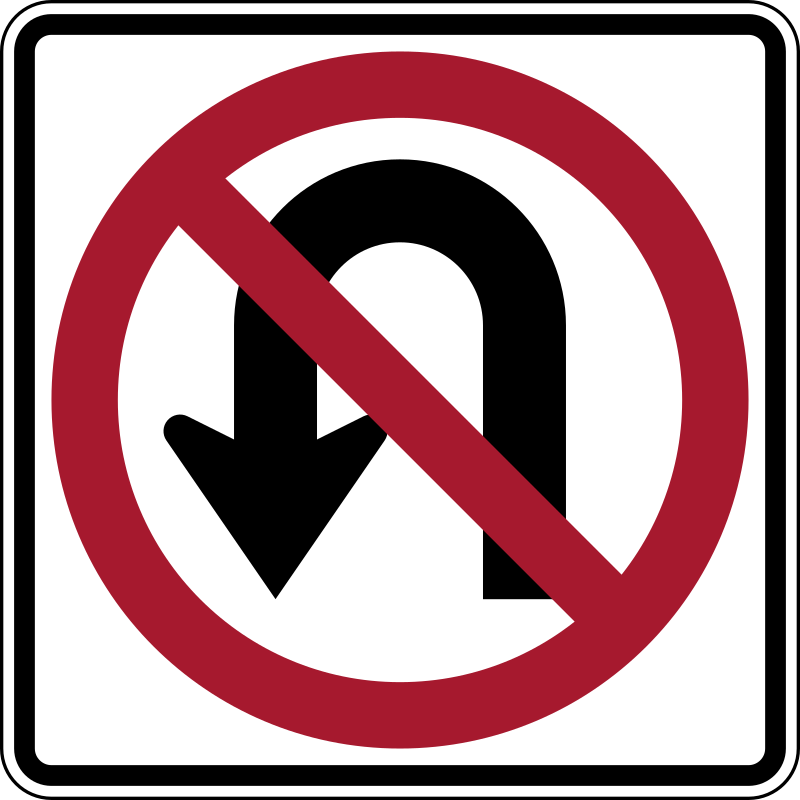 This road sign means:
A
No left turn
B
No U-turn
C
Detour ahead
No explanation available.
Question 19:
When children are close, what should you do before you back out of a driveway?
A
Rely on your mirrors.
B
Get out of the car and check behind the car.
C
Look through your back window for children.
No explanation available.
Question 20:
Destination signs are ______ with ____ letters and symbols.
A
green; white
B
blue; white
C
white; black
No explanation available.
Question 21:
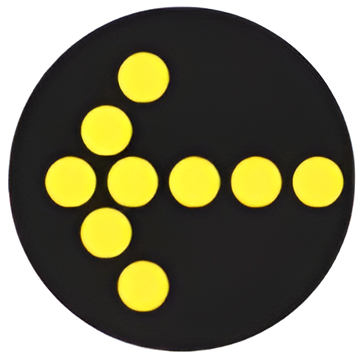 What does a flashing left yellow arrow mean?
A
Vehicles turning left must stop if they can. The light will soon be red.
B
Only right turns are allowed.
C
Left turns are allowed. Yield to oncoming traffic and pedestrians.
D
None of the above.
No explanation available.
Question 22:
When passing another car, you have enough room to return to the driving lane when:
A
you cannot see the vehicle directly to your right.
B
you are at least 50 feet in front of the vehicle.
C
you can see both headlights of the car you passed in your rearview mirror.
No explanation available.
Question 23:
This road sign means:
A
Road construction ahead
B
The road ahead curves right, then left
C
Steep grade ahead
No explanation available.
Question 24:
When approaching snow removal equipment, drivers should:
A
maintain a following distance of 100 feet.
B
be aware of restricted visibility.
C
be aware of flying sand and chunks of ice and snow.
D
All of the above.
No explanation available.
Question 25:
You hear a siren close by but can not see where the emergency vehicle is. What do you do?
A
Keep driving until you are sure the emergency vehicle is headed toward you.
B
Stop immediately and activate your emergency flashers.
C
Pull over to the right side of the road and stop until you are sure the emergency vehicle is not headed toward you.
No explanation available.