Question 1:
A red flashing signal means the same as a:
A
stop sign.
B
yield sign.
C
caution sign.
D
red light.
No explanation available.
Question 2:
Signs and markings requiring that you obey the indicated instruction are known as _____ signs.
A
warning
B
guide
C
regulatory
D
information
No explanation available.
Question 3:
 This sign means:
A
The road will curve to the right.
B
Left turns are not allowed at the intersection.
C
Do not turn right.
No explanation available.
Question 4:
Doing all you can to prevent crashes is called:
A
Anti-Collision Driving
B
Crash-Prevention Driving
C
Defensive Driving
D
ABS Driving
No explanation available.
Question 5:
Give the right-of-way to any pedestrian:
A
on the opposite side of the street.
B
if you have the green light.
C
in a marked crosswalk.
No explanation available.
Question 6:
Unlike passenger cars, trucks have blind spots:
A
on the right.
B
directly behind them.
C
on the front.
No explanation available.
Question 7:
Which shape is a railroad advance warning sign?
A
Crossbuck
B
Round
C
Pentagon
No explanation available.
Question 8:
Which of the following must you obey over the others?
A
Red light
B
Stop sign
C
Police officer
No explanation available.
Question 9:
A flashing red light means:
A
The same as a STOP sign.
B
The light will soon change to steady red.
C
Drive with caution.
No explanation available.
Question 10:
If the vehicle is equipped with air bags, seat belts:
A
should not be worn.
B
should still be worn.
C
are optional.
No explanation available.
Question 11:
On average, how long does it take your body to remove the alcohol contained in 5 ounces of wine?
A
one hour.
B
30 minutes.
C
3 hours.
No explanation available.
Question 12:
What should you do if your rear wheels start to skid?
A
Steer left if your rear wheels slide right.
B
If the vehicle has ABS, pump the pedal carefully.
C
Turn the steering wheel in the direction the vehicle is trying to go.
No explanation available.
Question 13:
When you make a left turn from a two-way road into a four-lane highway, you must:
A
enter the left lane, to the right of the center line.
B
enter the right lane, to the left of the center line.
C
go straight through the intersection, and then make the turn.
No explanation available.
Question 14:
Gauging the speed of a motorcycle may be difficult because:
A
motorcycles take up less of your field of vision.
B
motorcycles often slow down by downshifting.
C
many motorcyclists do not activate the brake light.
No explanation available.
Question 15:
How can you prevent fatigue on a long trip?
A
Plan to drive long trips with a companion.
B
Get enough sleep.
C
All of the above.
No explanation available.
Question 16:
Drivers are required by Nebraska's speed law to drive:
A
at the posted speed limit.
B
5 MPH below the posted speed limit.
C
at a speed that is reasonable and safe under existing road and weather conditions.
No explanation available.
Question 17:
 This sign indicates:
A
Winding road
B
Merging traffic
C
Divided highway ends
No explanation available.
Question 18:
Which shape is a yield sign?
A
Vertical rectangle
B
Upside-down triangle
C
Diamond
No explanation available.
Question 19:
When stopping on snow or ice, drivers who are operating vehicles equipped with ABS should:
A
wait for the vehicle to stop without pressing on the brakes.
B
pump the brakes until the vehicle comes to a complete stop.
C
press the brake pedal firmly, do not pump brakes.
No explanation available.
Question 20:
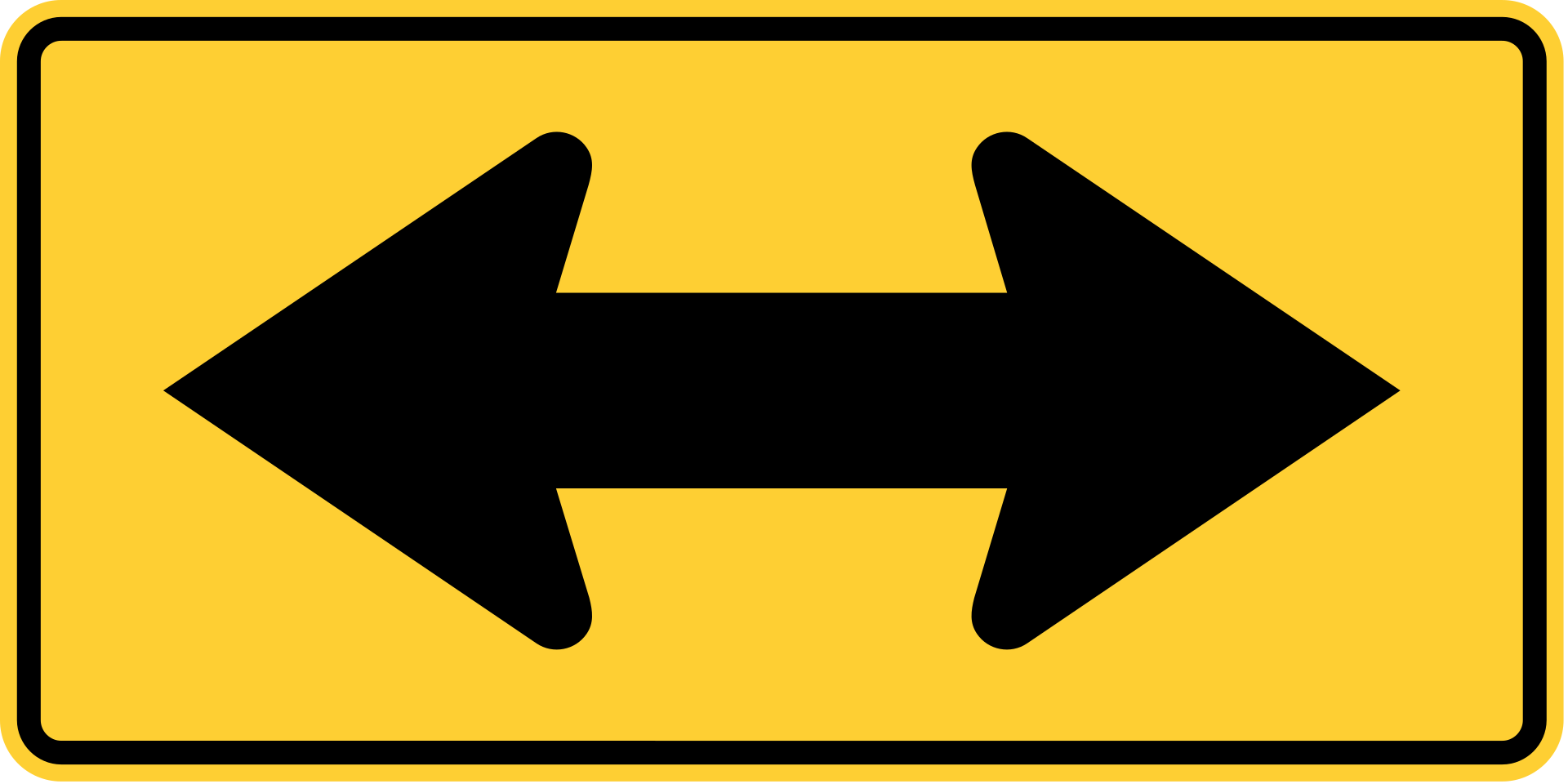 This road sign tells drivers that:
A
they must change lane immediately.
B
they must turn either to the right or left.
C
the one-way street or roadway ahead ends.
D
None of the above.
No explanation available.
Question 21:
If cars approaching from opposite directions reach an intersection at the same time:
A
a car that moves straight must yield to cars that turn left.
B
a car that turns left must yield to cars that move straight or turn right.
C
a car that turns right must yield to cars that move straight or turn left.
No explanation available.
Question 22:
If you are continually being passed on the right, you should:
A
move into the right lane and allow other vehicles to pass you on the left.
B
move into the left lane and allow other vehicles to pass you on the right.
C
increase your speed immediately.
No explanation available.
Question 23:
Drivers should not sound their horn when:
A
near blind pedestrians.
B
visibility ahead is limited.
C
they may hit another vehicle.
No explanation available.
Question 24:
 This sign indicates:
A
A slow-moving vehicle
B
A no-passing zone
C
Yield
No explanation available.
Question 25:
 What should drivers do when they see this road sign?
A
come to a complete stop and wait for a train to cross.
B
slow down, look for a train, and be prepared to stop.
C
look for a human flagger.
No explanation available.