DriveQuiz drivequiz.com

NE DMV PERMİT PRACTİCE TEST 15

Nebraska
Duration: 23 min
|
Questions: 25
Student Name:
Date:
Correct:      Incorrect:      Score:      
1.
Are bicyclists required to obey traffic laws and signs?
A) No, bicyclists are considered pedestrians when it comes to the rules of the road.
B) Yes.
C) Yes, but only if they are riding in a bicycle lane.
2.
What should you do in case of a steering failure?
A) Pump your gas pedal a few times to increase the pressure.
B) Don't panic. Turn on your emergency lights to let other drivers know you are having car problems. Move toward the side of the road and bring the car to a gradual stop.
C) Leave the road immediately.
3.
Motorists are not required to yield to pedestrians when approaching or exiting a roundabout.
A) True
B) False
4.
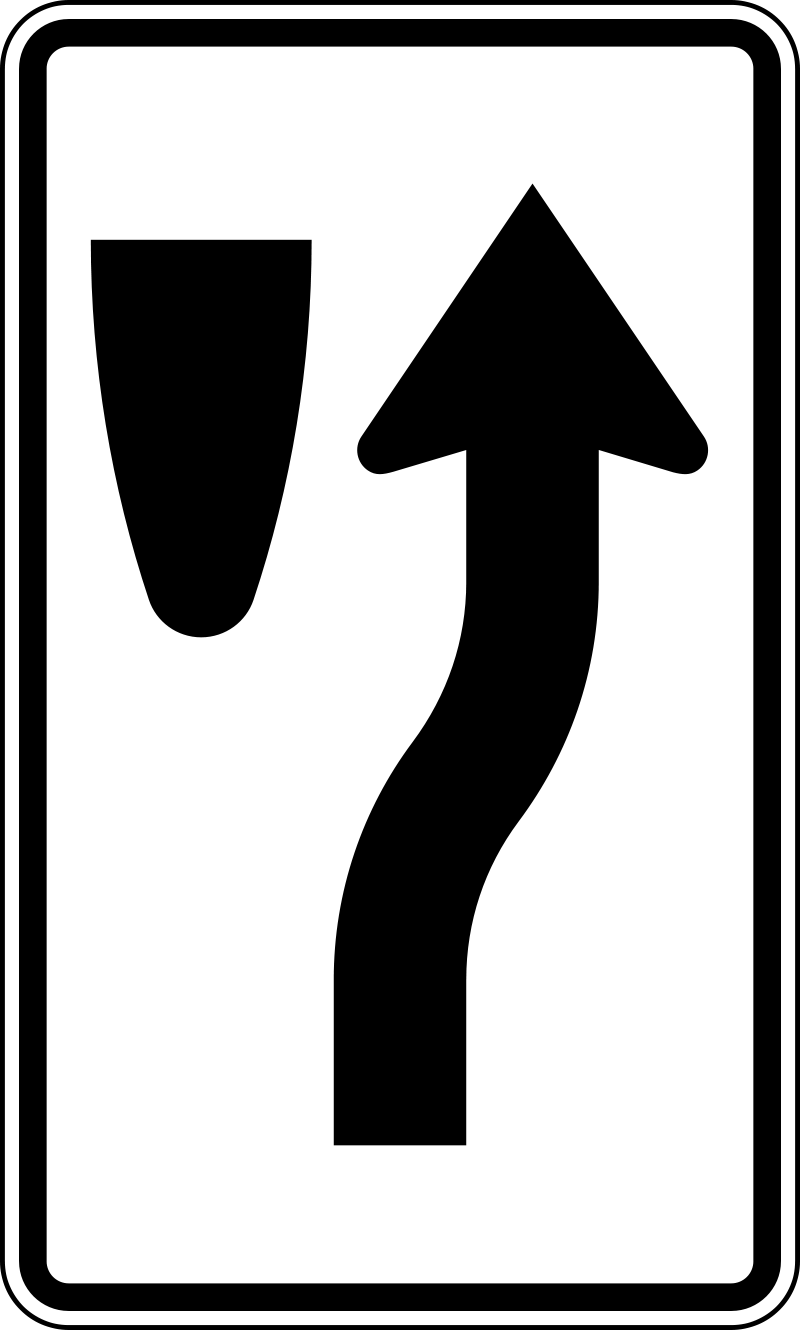
Drivers must pass to the right side of a traffic island, median barrier, or highway divider.
This sign tells drivers that:
A) there is a right turn ahead.
B) they must stay on the right side of the divider
C) a divided highway ends ahead.
5.
What should drivers do in case of a brake failure?
A) Shift to a lower gear.
B) Tie a white cloth on the left door handle.
C) Brake lightly.
6.
When planning to leave the interstate, you should:
A) slow down to 35 MPH or less.
B) signal and move into the proper lane a mile or more before the exit.
C) signal 50 feet prior to the exit ramp.
7.
Green and white signs:
A) give information about directions and distances.
B) are mainly used at intersections and driveways.
C) warn drivers of unexpected road conditions.
8.
Which of the following factors affect the absorption of alcohol?
A) Your race.
B) Your weight.
C) Your height.
9.
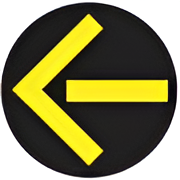
Unprotected left turns are allowed. You may turn left after yielding to oncoming traffic and pedestrians crossing the street.
What does a yellow arrow signal mean?
A) The same as the yellow light, but applies only to movement in the direction of the arrow.
B) The same as a green light.
C) Vehicles moving in all directions must stop if they can. The light will soon be red.
10.
As you enter a roundabout you should slow down and:
A) yield to pedestrians and bicyclist crossing before entering the roundabout.
B) yield to any vehicle coming from your left in the roundabout.
C) All of the above.
11.
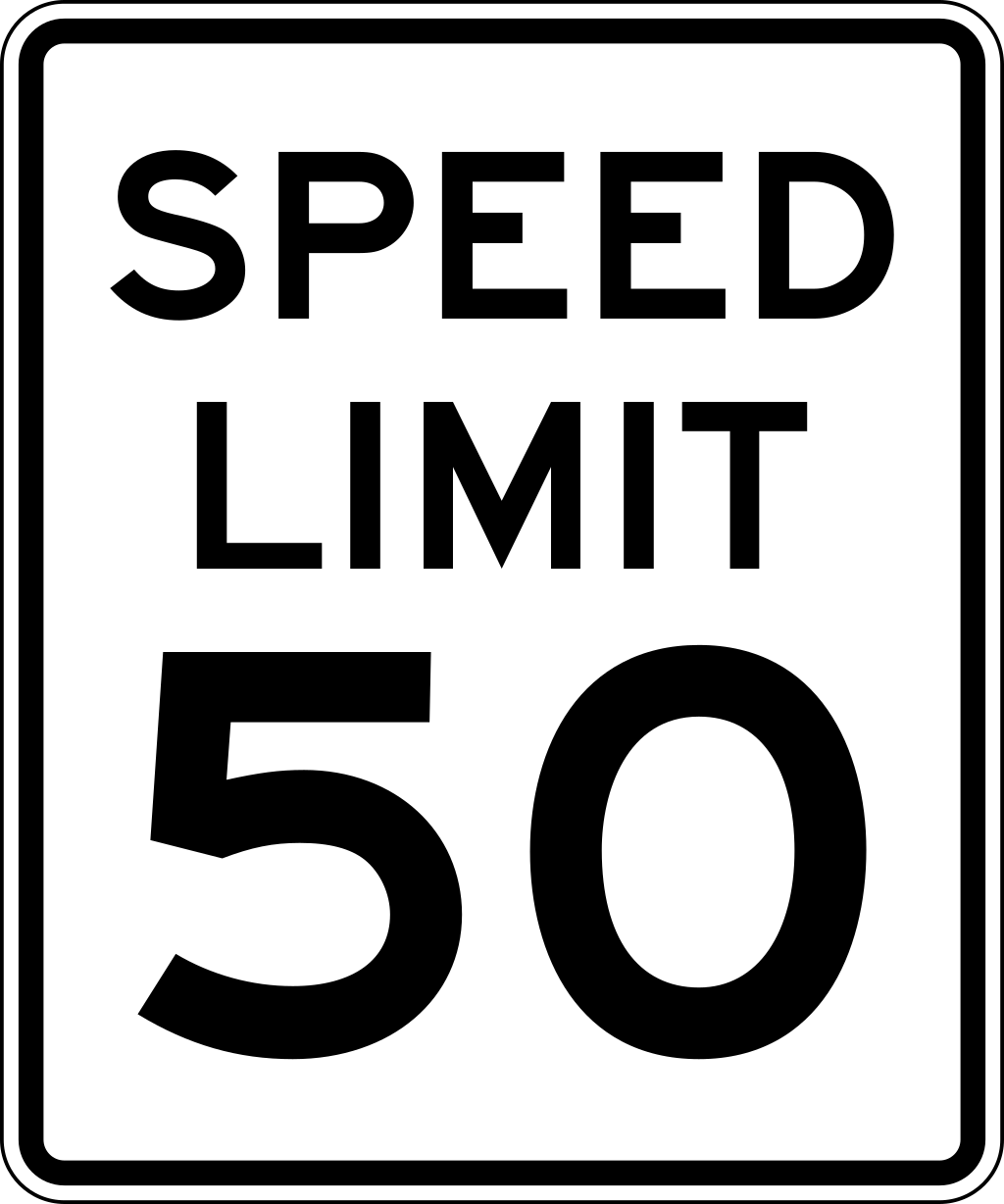
The maximum legal speed under ideal driving conditions is 50 miles per hour. Always adjust speed downward for adverse weather, traffic, or road conditions.
This sign indicates the _______________ vehicles can safely travel in this area.
A) suggested speed
B) maximum speed
C) minimum speed
12.
When approaching a blind person walking with a white cane or guide dog, drivers should yield the right-of-way.
A) False
B) True
13.
Which shape is a stop sign?
A) Diamond
B) Octagon
C) Upside-down triangle
14.
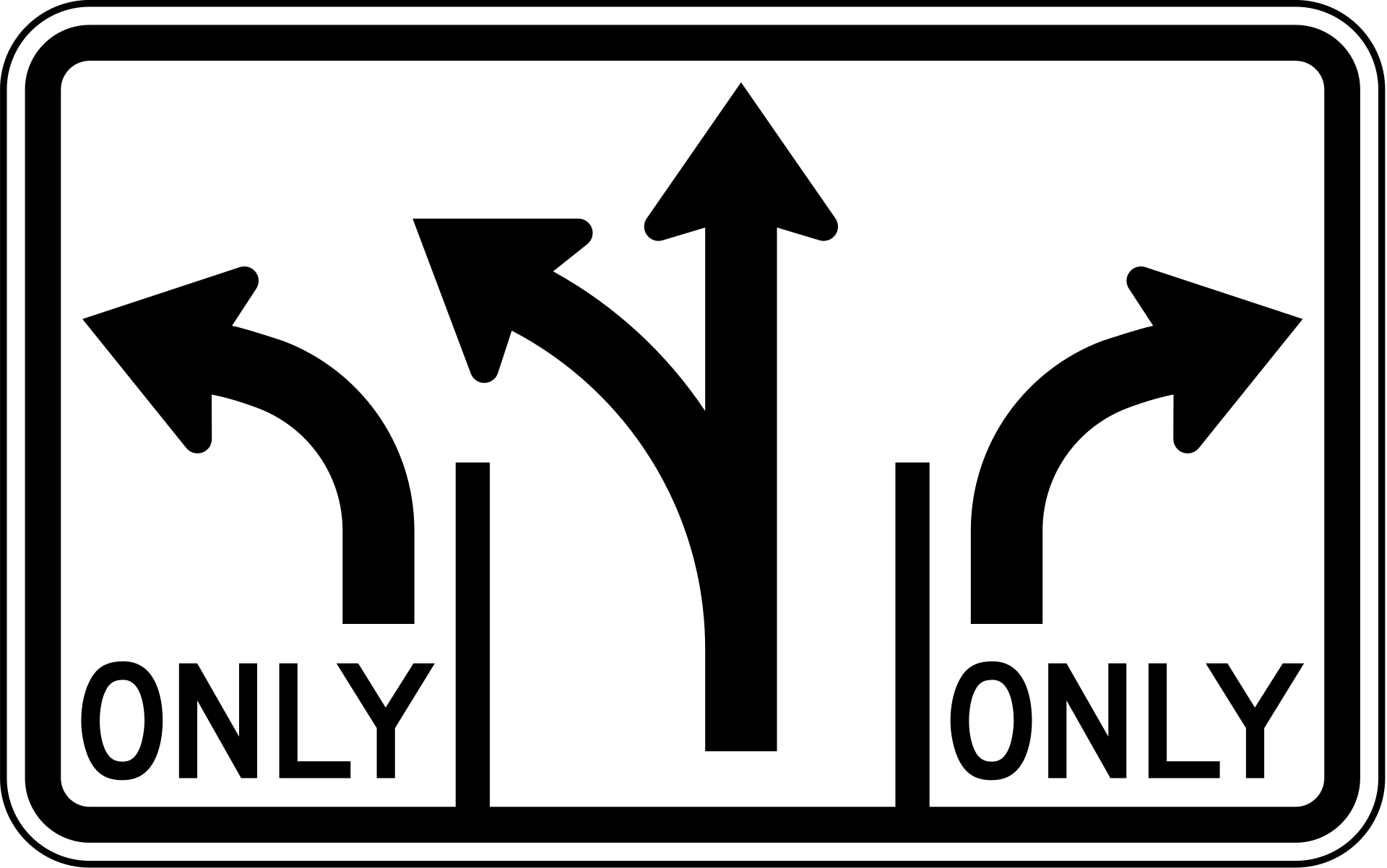
Warns of a traffic signal ahead that may not yet be visible due to a curve or hill. Be prepared to slow down and stop if the light changes.
This regulatory sign tells drivers that:
A) traffic in the left lane must turn left at the intersection ahead.
B) all vehicles must turn left immediately.
C) traffic in the right lane must go straight.
15.
A steep downhill grade is ahead. Trucks and heavy vehicles should downshift to a lower gear to prevent brake overheating.
When they see this sign, drivers should:
A) be ready to brake sharply and stop.
B) be ready to shift to lower gear.
C) yield to trucks coming from the hill on the right.
16.
The median divider ends ahead, and you are returning to a two-way, two-lane undivided roadway. Watch for oncoming traffic on your left.
This sign means:
A) Reversible lane ahead.
B) The divided highway ends ahead.
C) Drivers are coming to a point where another traffic lane joins the one they are on.
17.
A steady yellow light means:
A) Be prepared to stop for the red light.
B) Drive with caution.
C) Be prepared to go. The light will soon be green.
18.
Proceed with caution. You do not need to stop unless pedestrians or hazards are present in the intersection.
A flashing yellow light:
A) warns drivers to proceed with caution.
B) is used at dangerous intersections.
C) All of the above.
19.
When passing a vehicle, it is safe to return to your lane when:
A) you look over your shoulder and see no vehicle behind you.
B) you can see both headlights of the vehicle you passed in your rearview mirror.
C) the driver you just passed signals you over.
20.
Examples of proper glass maintenance include:
A) Replacing worn wiper blades.
B) Keeping your windows clean and clear.
C) All of the above.
21.
Your first response to reduced visibility should be:
A) to look for road edge markings to guide you.
B) to turn on your windshield wipers.
C) to reduce your speed.
D) to turn on your headlights.
22.
Regulation signs normally are ____ rectangles with ____ letters or symbols.
A) yellow; black
B) white; black
C) green; white
23.
What is the first thing to do when you make a three-point turn?
A) Signal with your left turn signal, then check carefully for traffic coming toward you.
B) Signal with your right turn signal, then pull over to the right and stop.
C) Turn left, go across the road so you come to a stop while you face the edge of the road.
24.
When making an emergency stop, drivers should:
A) slam on the brakes and steer in the direction you want to go.
B) activate the emergency flashers before pulling over to the side of the road.
C) shift to the proper gear and set parking brake.
25.
When following a motorcycle, drivers must remember that motorcycles can ____________ than other vehicles.
A) accelerate much faster
B) stop much more quickly
C) stop much more slowly
ANSWER KEY Check answers after completing the test.
1 B
2 B
3 B
4 B
5 A
6 B
7 A
8 B
9 A
10 C
11 B
12 B
13 B
14 A
15 B
16 B
17 A
18 C
19 B
20 C
21 C
22 B
23 B
24 C
25 B