Question 1:
Are bicyclists required to obey traffic laws and signs?
A
No, bicyclists are considered pedestrians when it comes to the rules of the road.
B
Yes.
C
Yes, but only if they are riding in a bicycle lane.
The correct driving rule is: Yes. Following standard DMV road rules and practicing defensive driving ensures safety for all road users.
Question 2:
What should you do in case of a steering failure?
A
Pump your gas pedal a few times to increase the pressure.
B
Don't panic. Turn on your emergency lights to let other drivers know you are having car problems. Move toward the side of the road and bring the car to a gradual stop.
C
Leave the road immediately.
The correct driving rule is: Don't panic. Turn on your emergency lights to let other drivers know you are having car problems. Move toward the side of the road and bring the car to a gradual stop. Following standard DMV road rules and practicing defensive driving ensures safety for all road users.
Question 3:
Motorists are not required to yield to pedestrians when approaching or exiting a roundabout.
A
True
B
False
Vehicles entering a roundabout must yield right-of-way to circulating traffic already inside: False. Wait for a safe gap before entering.
Question 4:
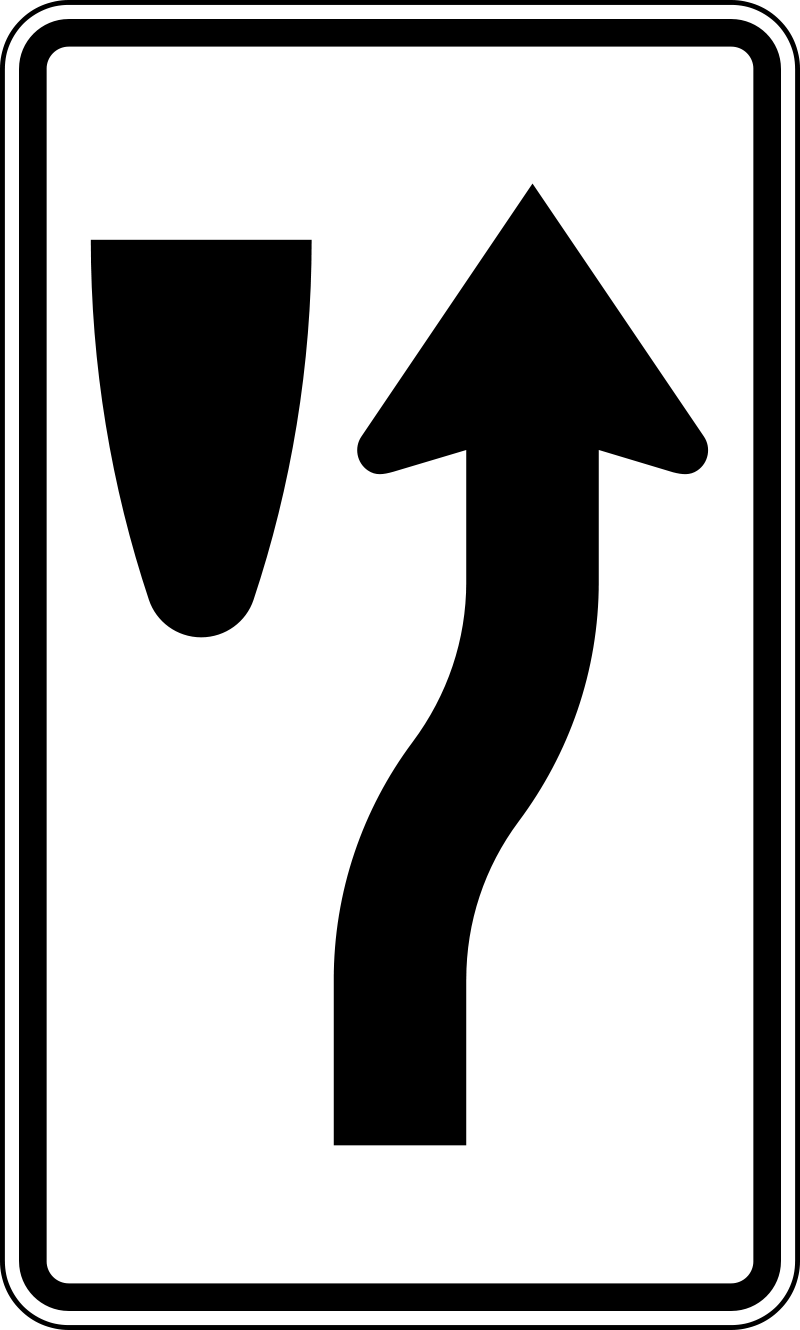 This sign tells drivers that:
A
there is a right turn ahead.
B
they must stay on the right side of the divider
C
a divided highway ends ahead.
This traffic sign indicates: they must stay on the right side of the divider. Observing and obeying all roadway signs ensures safe traffic flow and legal driving.
Question 5:
What should drivers do in case of a brake failure?
A
Shift to a lower gear.
B
Tie a white cloth on the left door handle.
C
Brake lightly.
The correct driving rule is: shift to a lower gear. Following standard DMV road rules and practicing defensive driving ensures safety for all road users.
Question 6:
When planning to leave the interstate, you should:
A
slow down to 35 MPH or less.
B
signal and move into the proper lane a mile or more before the exit.
C
signal 50 feet prior to the exit ramp.
The correct driving rule is: signal and move into the proper lane a mile or more before the exit. Following standard DMV road rules and practicing defensive driving ensures safety for all road users.
Question 7:
Green and white signs:
A
give information about directions and distances.
B
are mainly used at intersections and driveways.
C
warn drivers of unexpected road conditions.
The correct driving rule is: give information about directions and distances. Following standard DMV road rules and practicing defensive driving ensures safety for all road users.
Question 8:
Which of the following factors affect the absorption of alcohol?
A
Your race.
B
Your weight.
C
Your height.
Under state DUI and traffic safety laws: Your weight. Alcohol degrades judgment, slows reaction times, and distorts depth perception.
Question 9:
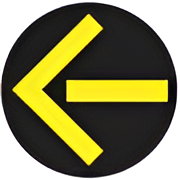 What does a yellow arrow signal mean?
A
The same as the yellow light, but applies only to movement in the direction of the arrow.
B
The same as a green light.
C
Vehicles moving in all directions must stop if they can. The light will soon be red.
State laws require signaling your intention: The same as the yellow light, but applies only to movement in the direction of the arrow. Signal at least 100 feet before making a turn or changing lanes.
Question 10:
As you enter a roundabout you should slow down and:
A
yield to pedestrians and bicyclist crossing before entering the roundabout.
B
yield to any vehicle coming from your left in the roundabout.
C
All of the above.
Safe navigation at intersections requires following all established rules: yield to pedestrians and bicyclist crossing before entering the roundabout; yield to any vehicle coming from your left in the roundabout. Always yield right-of-way properly to prevent collisions.
Question 11:
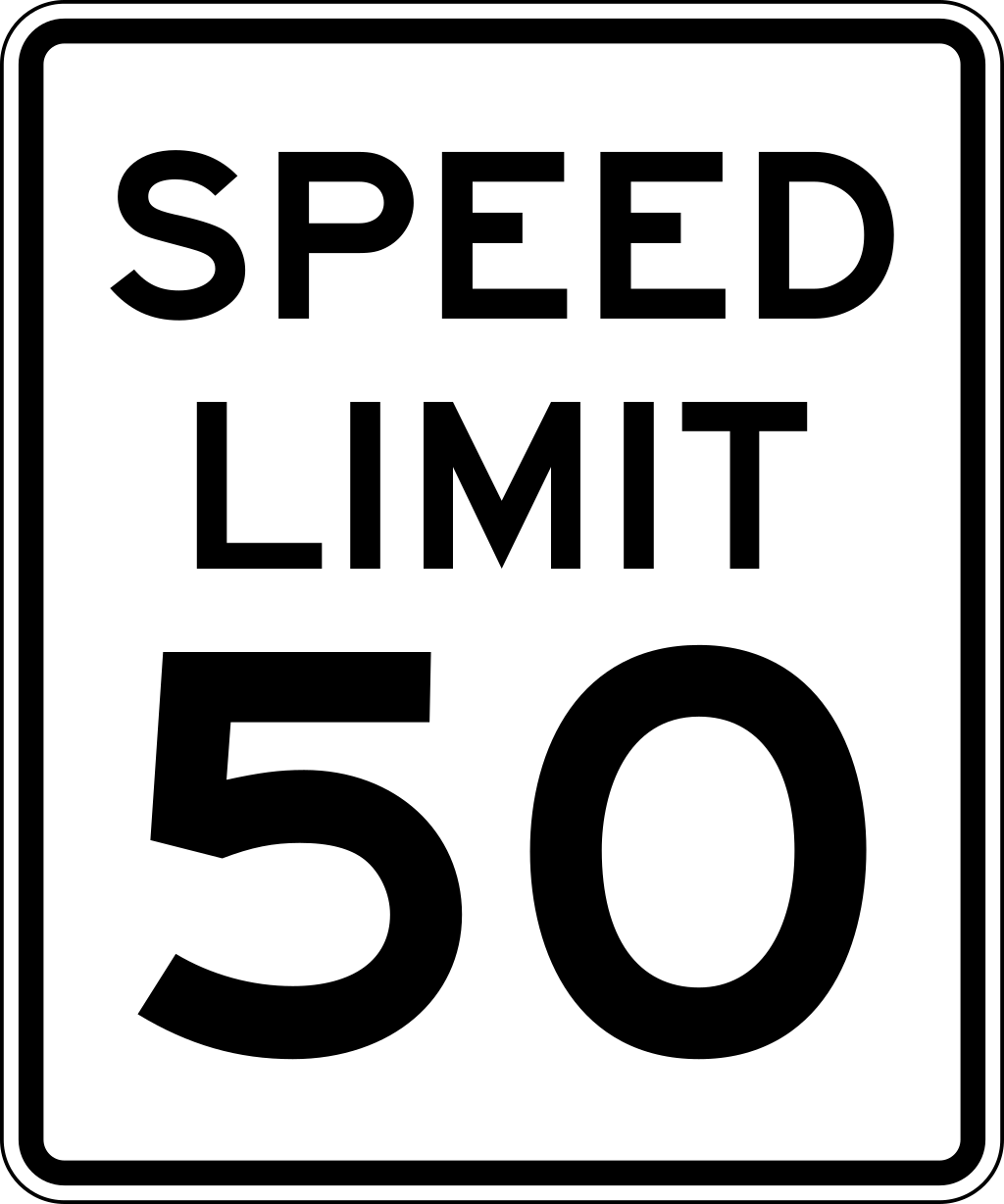 This sign indicates the _______________ vehicles can safely travel in this area.
A
suggested speed
B
maximum speed
C
minimum speed
This traffic sign indicates: maximum speed. Observing and obeying all roadway signs ensures safe traffic flow and legal driving.
Question 12:
When approaching a blind person walking with a white cane or guide dog, drivers should yield the right-of-way.
A
False
B
True
According to standard right-of-way regulations: True. Yielding appropriately prevents intersection collisions and maintains safe traffic flow.
Question 13:
Which shape is a stop sign?
A
Diamond
B
Octagon
C
Upside-down triangle
The correct driving rule is: Octagon. Following standard DMV road rules and practicing defensive driving ensures safety for all road users.
Question 14:
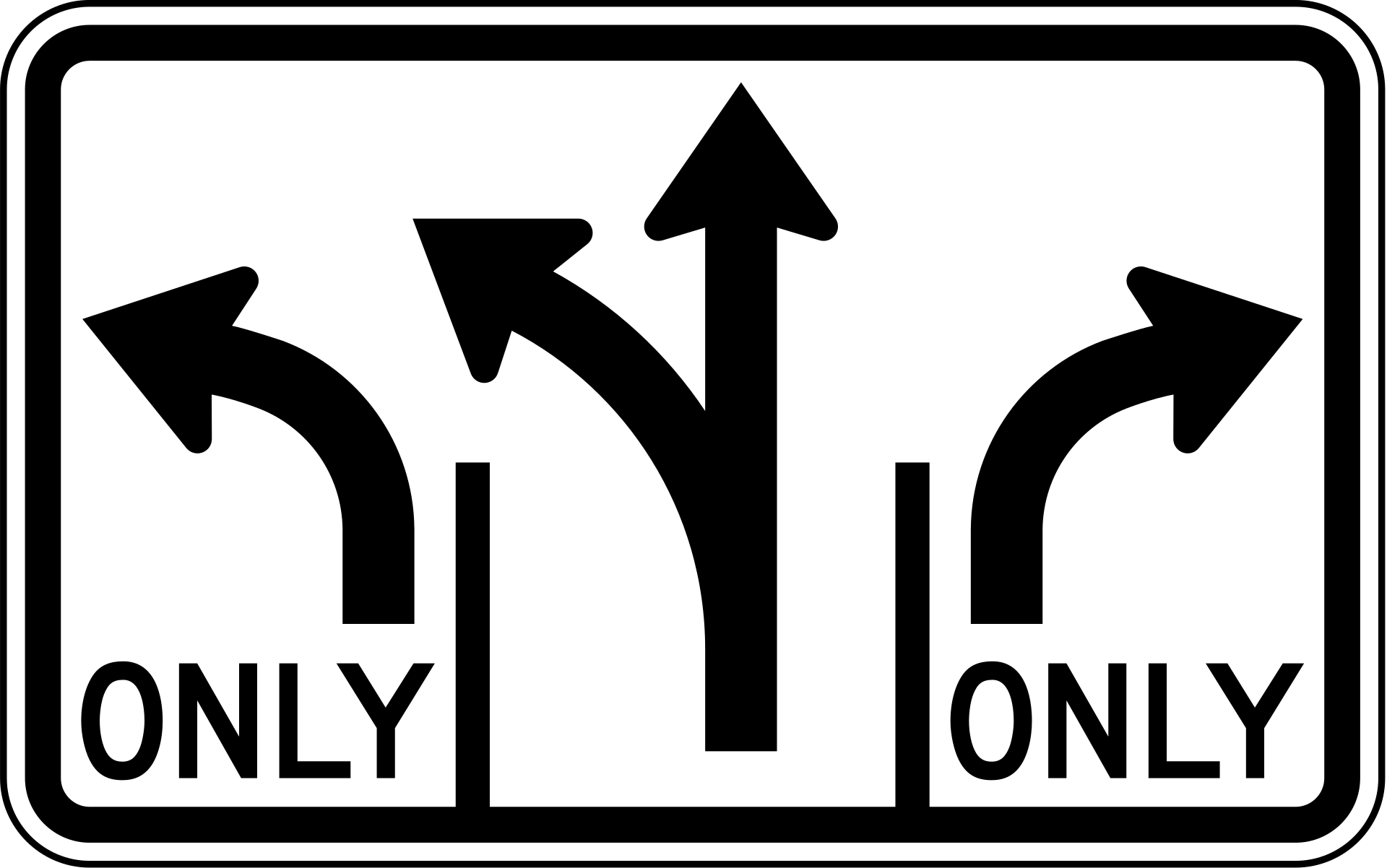 This regulatory sign tells drivers that:
A
traffic in the left lane must turn left at the intersection ahead.
B
all vehicles must turn left immediately.
C
traffic in the right lane must go straight.
This traffic sign indicates: traffic in the left lane must turn left at the intersection ahead. Observing and obeying all roadway signs ensures safe traffic flow and legal driving.
Question 15:
 When they see this sign, drivers should:
A
be ready to brake sharply and stop.
B
be ready to shift to lower gear.
C
yield to trucks coming from the hill on the right.
This traffic sign indicates: be ready to shift to lower gear. Observing and obeying all roadway signs ensures safe traffic flow and legal driving.
Question 16:
 This sign means:
A
Reversible lane ahead.
B
The divided highway ends ahead.
C
Drivers are coming to a point where another traffic lane joins the one they are on.
This traffic sign indicates: The divided highway ends ahead. Observing and obeying all roadway signs ensures safe traffic flow and legal driving.
Question 17:
A steady yellow light means:
A
Be prepared to stop for the red light.
B
Drive with caution.
C
Be prepared to go. The light will soon be green.
According to standard right-of-way regulations: Be prepared to stop for the red light. Yielding appropriately prevents intersection collisions and maintains safe traffic flow.
Question 18:
 A flashing yellow light:
A
warns drivers to proceed with caution.
B
is used at dangerous intersections.
C
All of the above.
Safe navigation at intersections requires following all established rules: warns drivers to proceed with caution; is used at dangerous intersections. Always yield right-of-way properly to prevent collisions.
Question 19:
When passing a vehicle, it is safe to return to your lane when:
A
you look over your shoulder and see no vehicle behind you.
B
you can see both headlights of the vehicle you passed in your rearview mirror.
C
the driver you just passed signals you over.
Defensive driving guidelines state that: you can see both headlights of the vehicle you passed in your rearview mirror. Anticipating road hazards and communicating maneuvers keeps traffic predictable and safe.
Question 20:
Examples of proper glass maintenance include:
A
Replacing worn wiper blades.
B
Keeping your windows clean and clear.
C
All of the above.
All of the listed points are essential driving requirements: Replacing worn wiper blades; Keeping your windows clean and clear. Practicing each ensures compliance with DMV safety laws.
Question 21:
Your first response to reduced visibility should be:
A
to look for road edge markings to guide you.
B
to turn on your windshield wipers.
C
to reduce your speed.
D
to turn on your headlights.
The correct driving rule is: to reduce your speed. Following standard DMV road rules and practicing defensive driving ensures safety for all road users.
Question 22:
Regulation signs normally are ____ rectangles with ____ letters or symbols.
A
yellow; black
B
white; black
C
green; white
The correct driving rule is: white; black. Following standard DMV road rules and practicing defensive driving ensures safety for all road users.
Question 23:
What is the first thing to do when you make a three-point turn?
A
Signal with your left turn signal, then check carefully for traffic coming toward you.
B
Signal with your right turn signal, then pull over to the right and stop.
C
Turn left, go across the road so you come to a stop while you face the edge of the road.
The correct driving rule is: signal with your right turn signal, then pull over to the right and stop. Following standard DMV road rules and practicing defensive driving ensures safety for all road users.
Question 24:
When making an emergency stop, drivers should:
A
slam on the brakes and steer in the direction you want to go.
B
activate the emergency flashers before pulling over to the side of the road.
C
shift to the proper gear and set parking brake.
The correct driving rule is: shift to the proper gear and set parking brake. Following standard DMV road rules and practicing defensive driving ensures safety for all road users.
Question 25:
When following a motorcycle, drivers must remember that motorcycles can ____________ than other vehicles.
A
accelerate much faster
B
stop much more quickly
C
stop much more slowly
Motorcycles can stop rapidly and are easily hidden in vehicle blind spots: stop much more quickly. Always allow an increased following distance of at least 3 to 4 seconds.